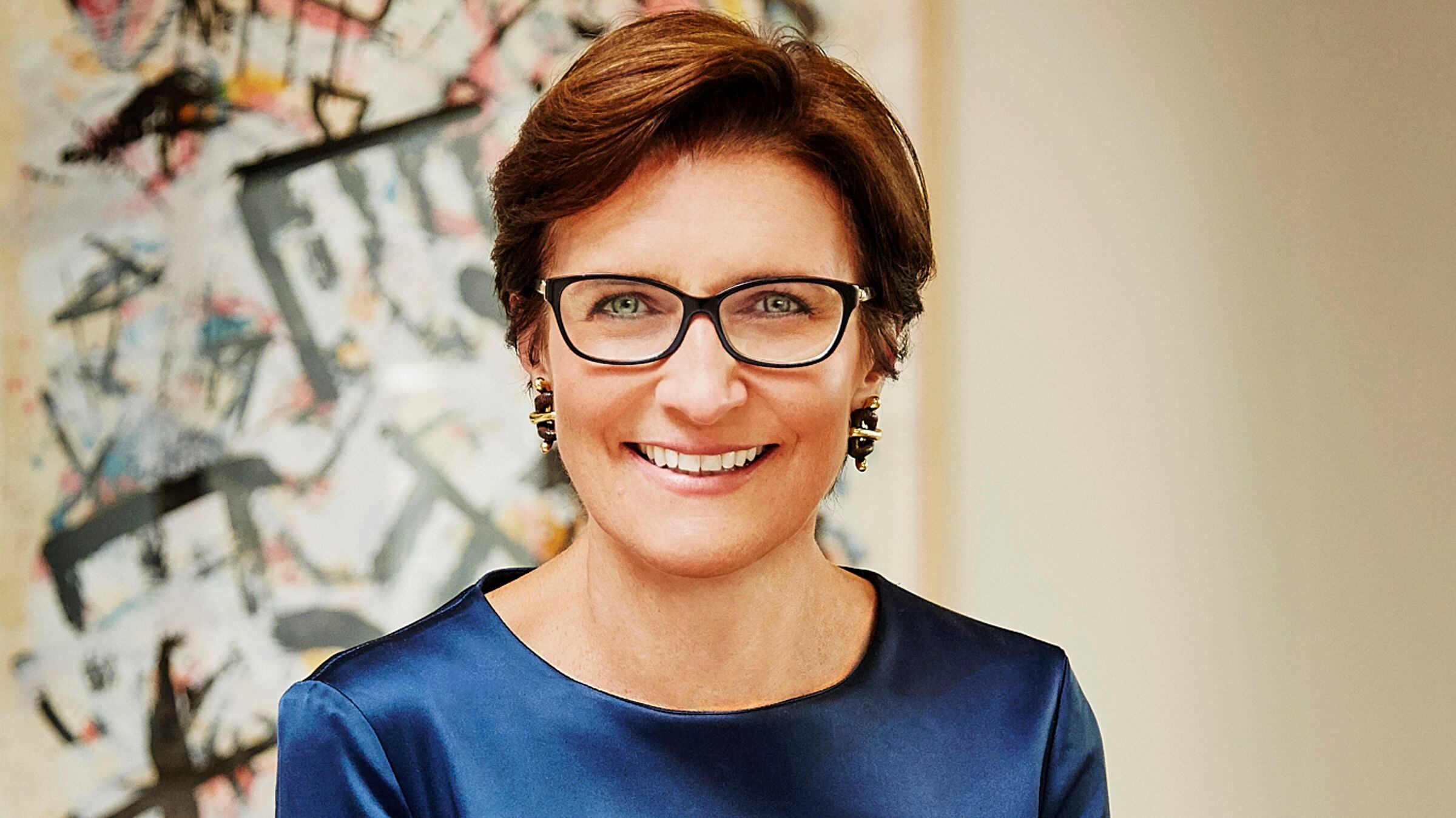
In this undated photo provided by Citigroup, head of Citi’s global consumer banking division Jane Fraser poses for a portrait. Citigroup announced Thursday, Sept. 10, 2020, that Fraser would succeed Michael Corbat as the bank’s next chief executive, making Fraser the first woman to ever lead a Wall Street bank. (Julian Restrepo/Citigroup via AP)
By Ken Sweet
Citigroup's Jane Fraser will become the first woman to ever lead a Wall Street bank when she succeeds CEO Michael Corbat in February.
The New York bank announced the succession Thursday.
Fraser is currently head of Citi's global consumer banking division, a major part of the bank that oversees checking and savings accounts but also Citi's massive credit card business. She's been with Citi for 16 years and had recently been tasked with leading the clean up of the bank's troubled Latin American banking business.
Fraser will be the first woman to lead one of Wall Street's big six banks, a major accomplishment in an industry long dominated by men. JPMorgan Chase CEO Jamie Dimon has had two women as his second-in-command for years — Marianne Lake and Jennifer Piepszak — but shows no signs of stepping down.
In a congressional hearing last year, the CEOs of the Wall Street banks were asked whether they expected to be succeeded by a woman in their roles, and no man raised his hand at the time. Fraser will be one of only 32 female CEOs running a company in the S&P 500, according to Equilar.
When Fraser does take over for Corbat in February, it's almost certain the U.S. and global economies will still be dealing with the impact of the coronavirus pandemic.
Since early this year, banks have set aside billions to cover potential loan losses as businesses and customers alike have fallen behind on payments. With a vaccine still months away at least and the U.S. economy in a deep recession, the problems for borrowers are expected only to get worse as the country heads into the fall and winter.
Corbat led Citigroup for eight years, rebuilding the bank after it nearly collapsed during the Great Recession and 2008 financial crisis. The federal government had to step in to buy a stake in Citi to keep it afloat, and the bank had some of the most toxic assets on its books of all the major banks during this time.
Corbat turned Citi into a much smaller and stable entity, focusing on its credit card businesses and its international banking franchise. It was able to pass the Federal Reserve's "stress tests," which test a bank's resiliency, and is considered a much healthier institution now than it ever was before the financial crisis.
Citi declined to make Fraser available for interviews. In a prepared statement, Fraser said, "Citi is an incredible institution with a proud history and a bright future. I am excited to join with my colleagues in writing the next chapter."
Super Bowl Champion, Julian Edelman, talks Chiefs' conspiracies, his fave TSwift song and his bet for Super Bowl LIX. Plus, the best time for a bathroom break.
Ron Hammond, Sr. Director of Government Relations at the Blockchain Association, breaks down Trump’s plan to strengthen U.S. leadership in financial technology.
BiggerPockets Money podcast is now available on Cheddar Wednesdays at 10am ET! Mindy Jensen shares how her podcast is helping people gain financial freedom.
The social video platform's future remains in doubt, as players scramble to profit from the chaos. Plus: Big oil gets bigger, DOGE downsizes, and tariffs!
Ty Young, CEO of Ty J. Young Wealth Management, joins Cheddar to discuss Trump's moves as he returns to Washington D.C. and how it may affect the U.S. economy.
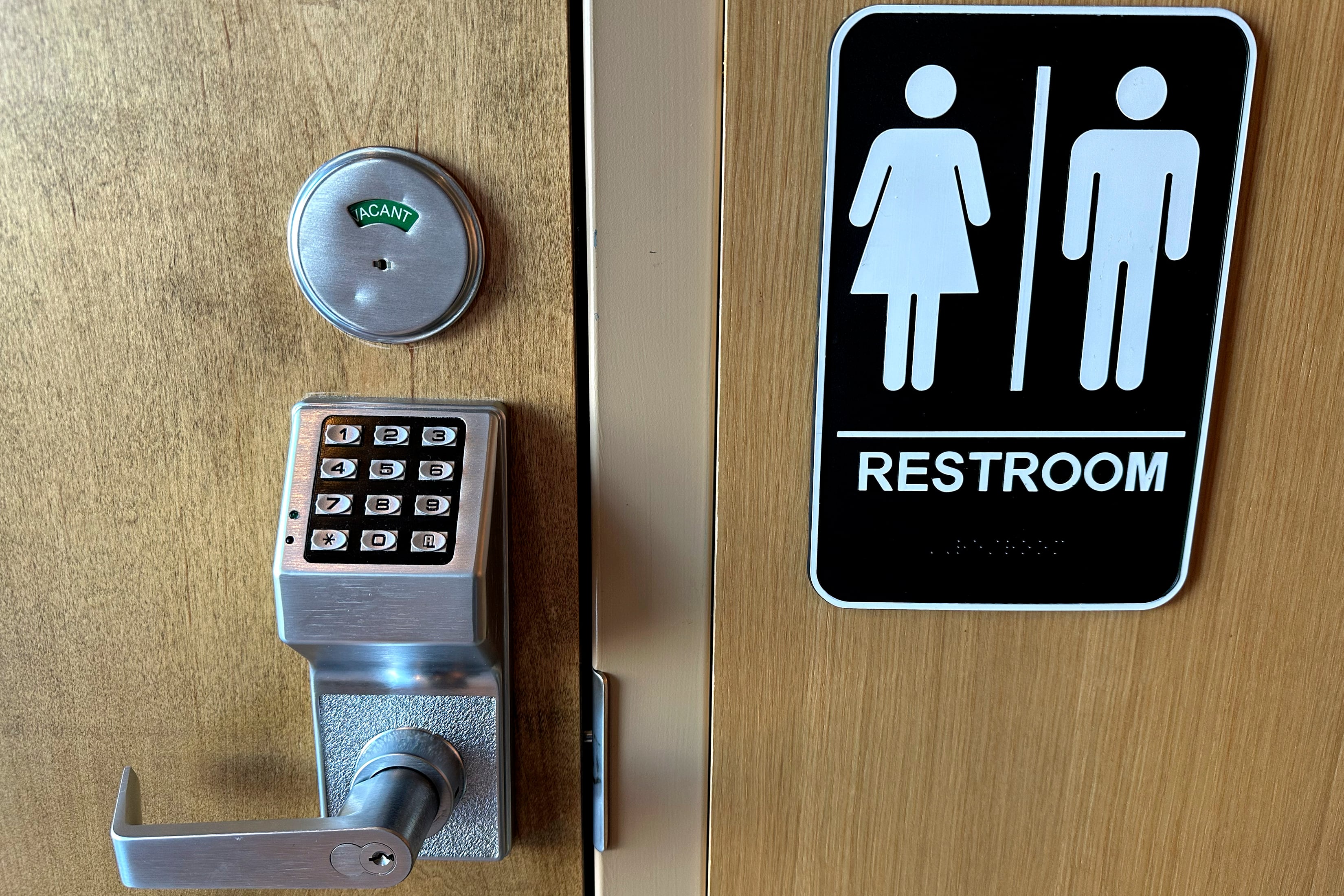
Starbucks’ decision to restrict its restrooms to paying customers has flushed out a wider problem: a patchwork of restroom use policies that varies by state and city. Starbucks announced last week a new code of conduct that says people need to make a purchase if they want to hang out or use the restroom. The coffee chain's policy change for bathroom privileges has left Americans confused and divided over who gets to go and when. The American Restroom Association, a public toilet advocacy group, was among the critics. Rules about restroom access in restaurants vary by state, city and county. The National Retail Federation says private businesses have a right to limit restroom use.
President Donald Trump is talking up a joint venture investing up to $500 billion for infrastructure tied to artificial intelligence by a new partnership formed by OpenAI, Oracle and SoftBank. The new entity, Stargate, will start building out data centers and the electricity generation needed for the further development of the fast-evolving AI in Texas, according to the White House. The initial investment is expected to be $100 billion and could reach five times that sum. While Trump has seized on similar announcements to show that his presidency is boosting the economy, there were already expectations of a massive buildout of data centers and electricity plants needed for the development of AI.
Chris Ruder, Spikeball Founder and CEO, explains how he and his friends put roundnet on the global map, plus, how Spikeball helps people "find their circle."