*By Alisha Haridasani*
It’s the most divisive question since the blue and black dress (or was it white and gold?!): Do you hear Yanny or Laurel?
Technically, the answer is "Laurel." But some people swear it's "Yanny."
The question, which is ripping the internet apart, revolves around an audio clip [reportedly](https://www.nytimes.com/2018/05/15/science/yanny-laurel.html) posted on Reddit by a student who found it on a vocabulary website when researching a school project under the word "laurel." The clip went viral, leaving many listeners questioning what they heard ー and maybe their sanity.
The discrepancy in what people hear could be due to circumstance, said Brad Story, professor of speech, language, and hearing at the University of Arizona.
“It really is going to depend on the information that you have in terms of your bias toward listening to it at that moment in time," said Story. "That’s what we call ‘top-down information’ ー trying to make sense of any kind of pattern that's present.”
The two words share very similar acoustic characteristics that your brain could selectively hear it one way or the other, he said.
The bass, frequency, and volume of the audio clip can also influence what someone hears. Some people posted videos on [Twitter](https://twitter.com/JFLivesay/status/996585941241401346) where the audio levels were adjusted, changing how the clip could be heard.
So, whatever the *technical* answer to the question is, in reality, it can be both.
For the full interview, [click here](https://cheddar.com/videos/yanny-vs-laurel).
Rupert Murdoch is calling out Facebook, saying the social media site should pay publishers a carriage fee for the content on its site, just like cable companies do. Murdoch said Facebook and Google show news sources that are profitable but unreliable. Alex Heath, Senior Reporter with Cheddar, comments on whether we could see Facebook and Google develop a cable-like relationship with publishers.
Bruce Gendelman's travels inspired the artist to depict sites of Holocaust atrocities in his latest exhibition. The project explores feelings of "horror" and "desperation."
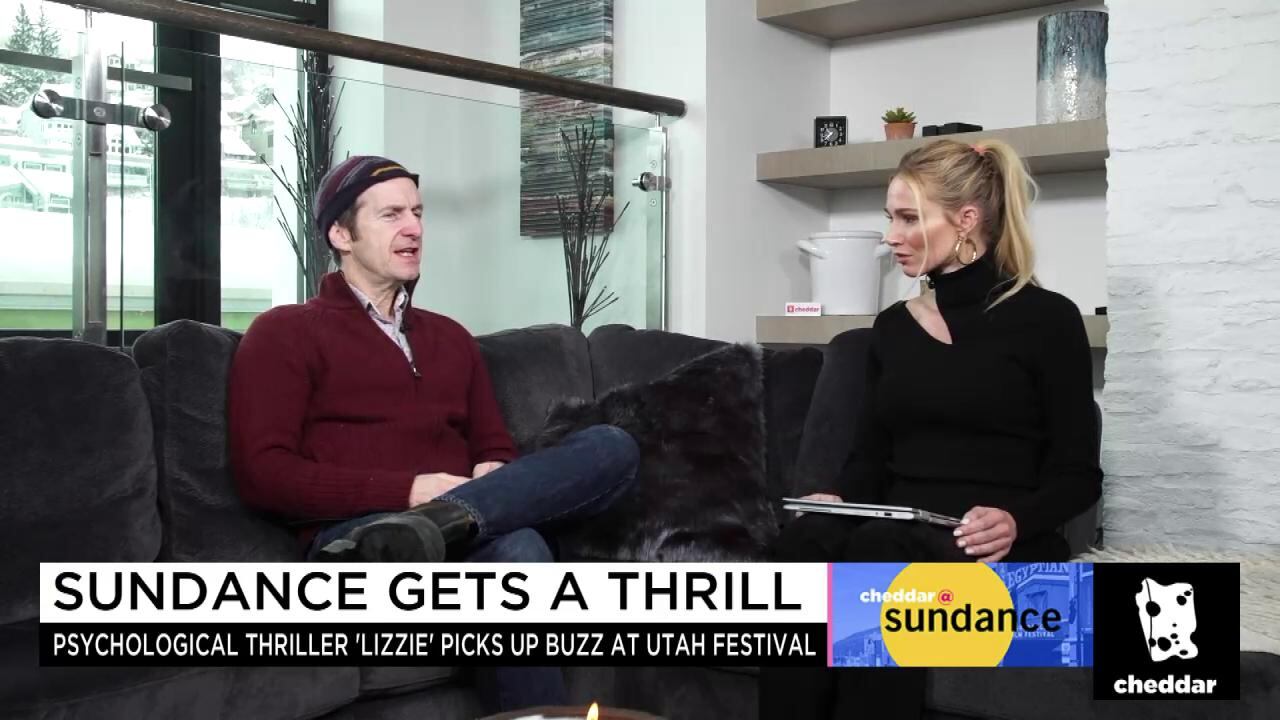
Based on the real-life story of ax-wielding serial killer Lizzie Borden, the movie covers "a lot of different genres," according to the star. He says it's horror, mystery, and even a love story.
Alicia Menendez, contributing editor for Bustle, explains what the new push for sanctuary homes is all about. The term sanctuary homes applies to anyone who employs a domestic worker (housekeeper, nanny, or caretaker) who may not have legal status in the United States.
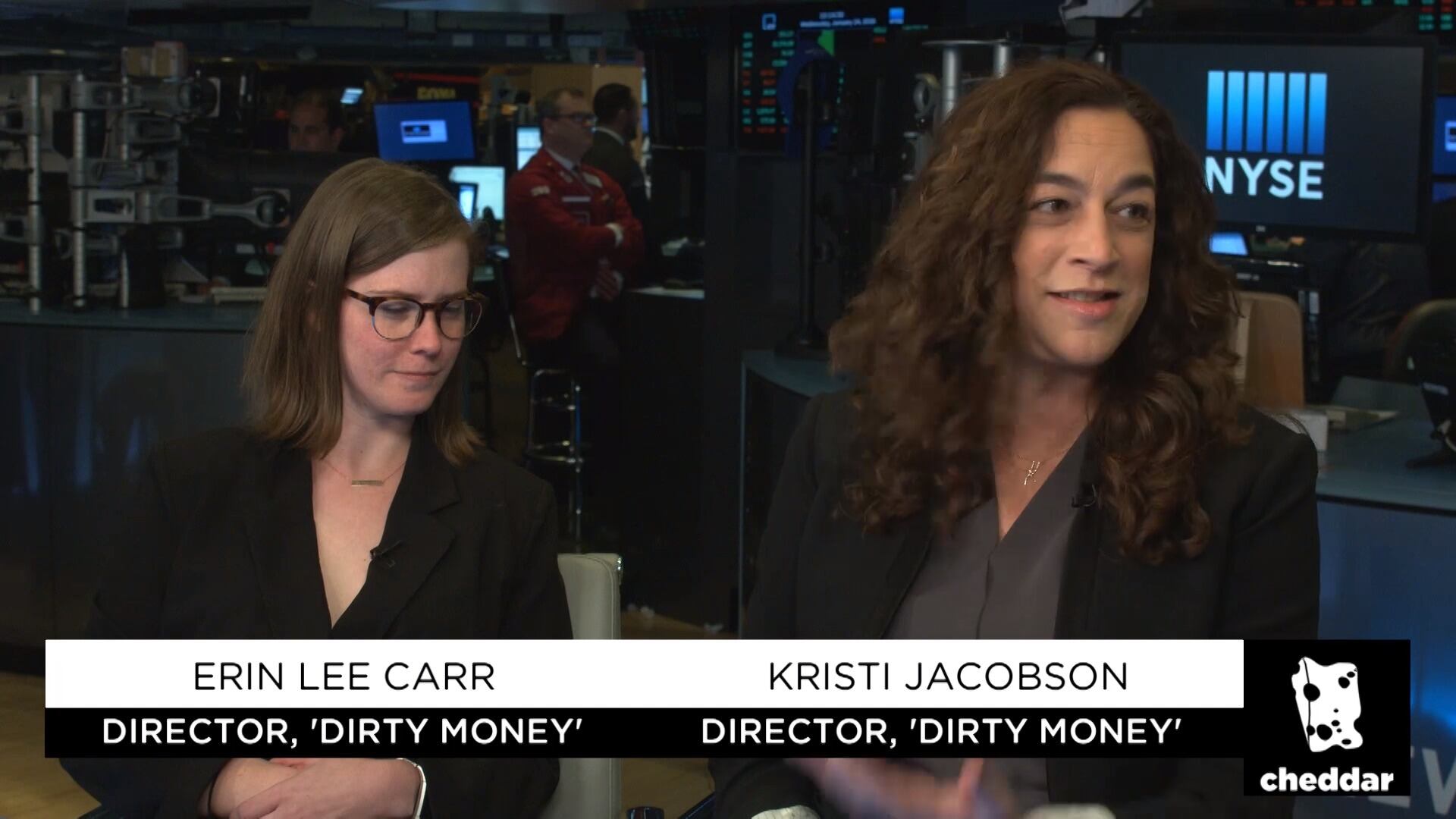
Directors Erin Lee Carr and Kristi Jacobson discuss their new Netflix documentary series "Dirty Money." The six-part show investigates corporate corruption at companies like Volkswagen, HSBC, and the Trump Organization.
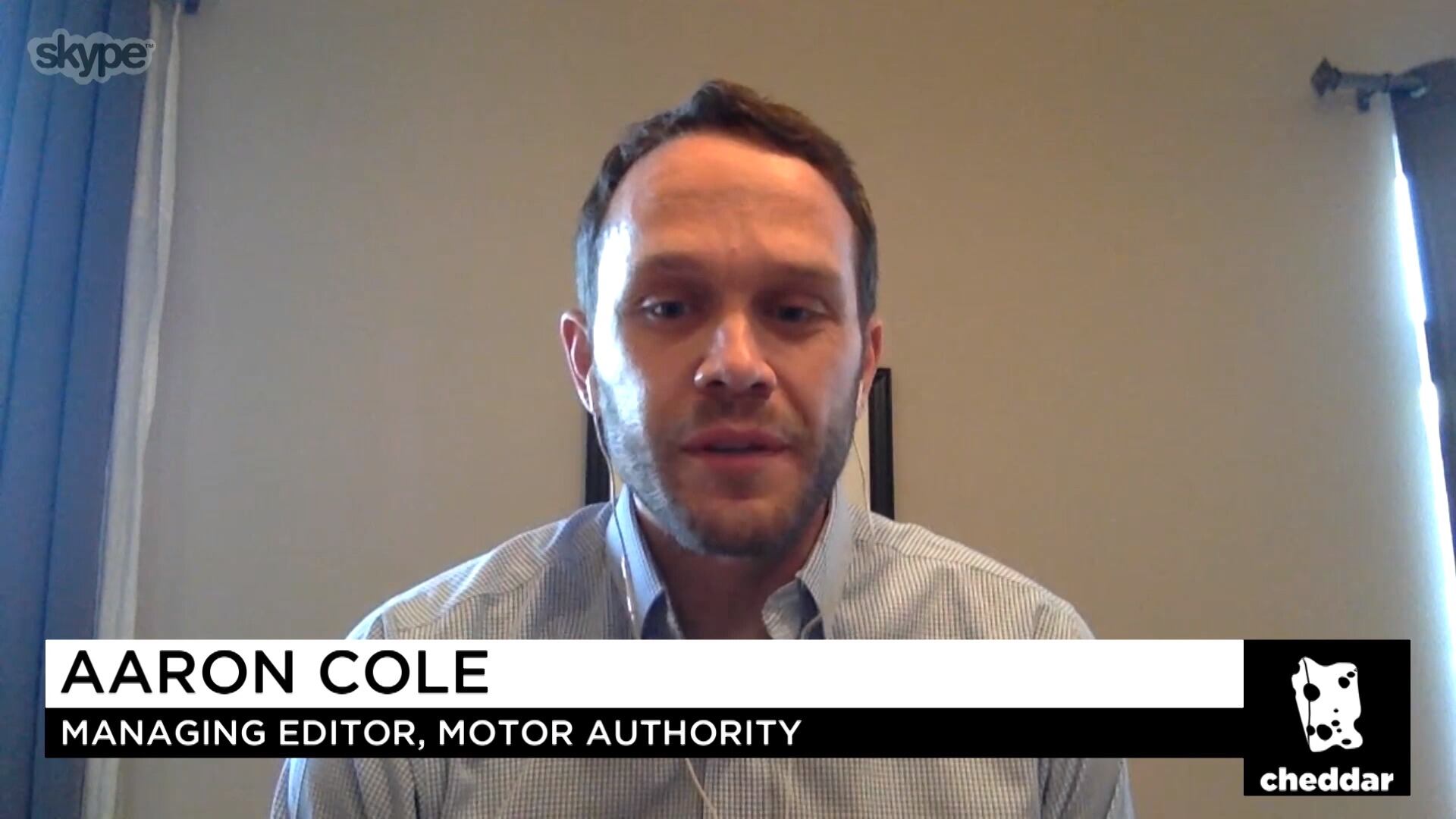
Aaron Cole, managing editor at Motor Authority, discusses Tesla's announcement that Elon Musk's performance-based pay plan as CEO will not allow him to receive a paycheck until he delivers on company growth goals.
The new series digs into companies such as HSBC, Volkswagen, and more. Directors Erin Lee Carr and Kristi Jacobson joined Cheddar to discuss the Netflix Original and how they approached their episodes.
As a millennial, there are many things to think about, but one thing that should be on the top of your mind is life insurance. Clark Howard, Money Expert at Clark.com joins Your Cheddar to discuss why it's so important to cover yourself at an early age.
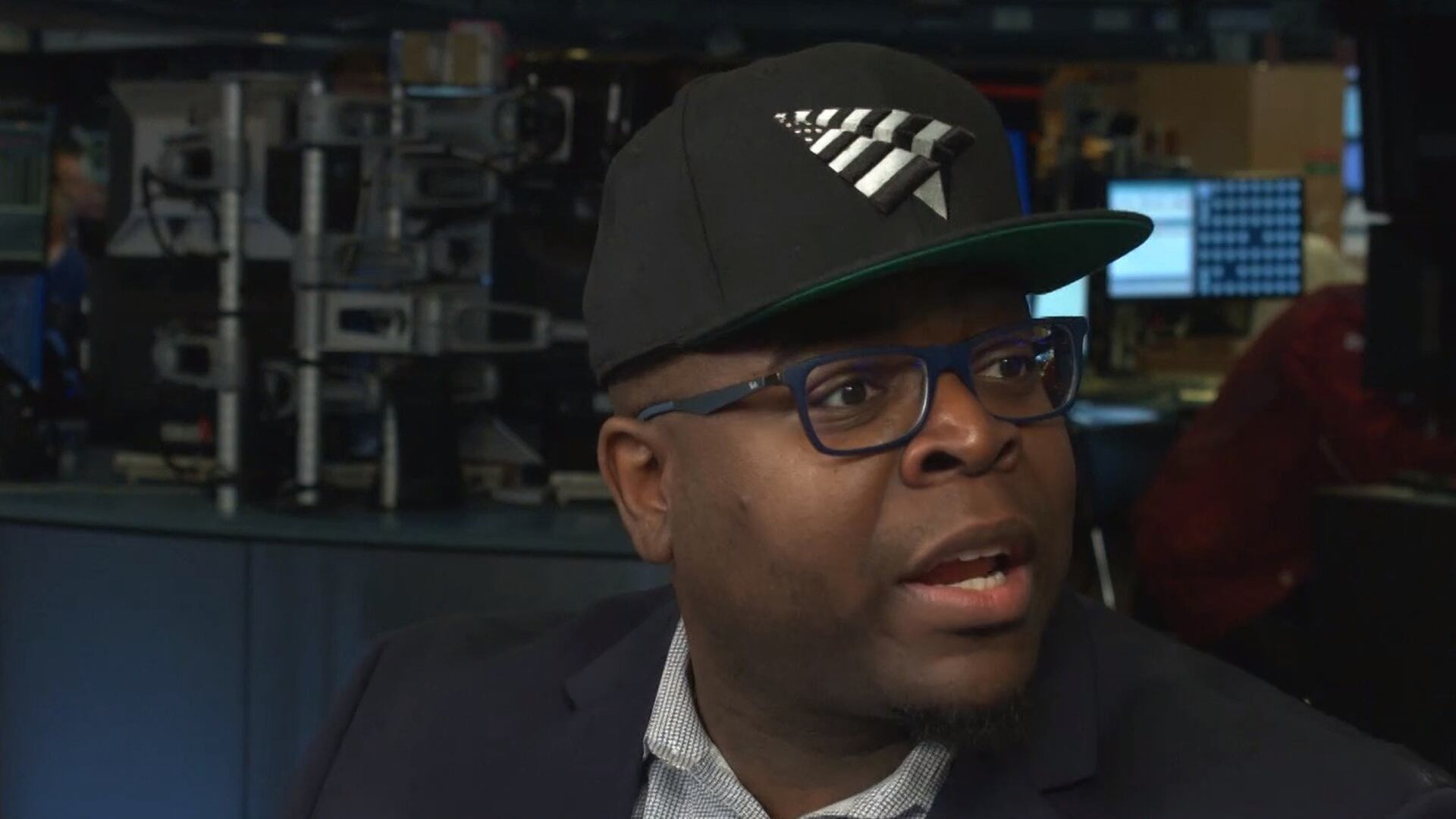
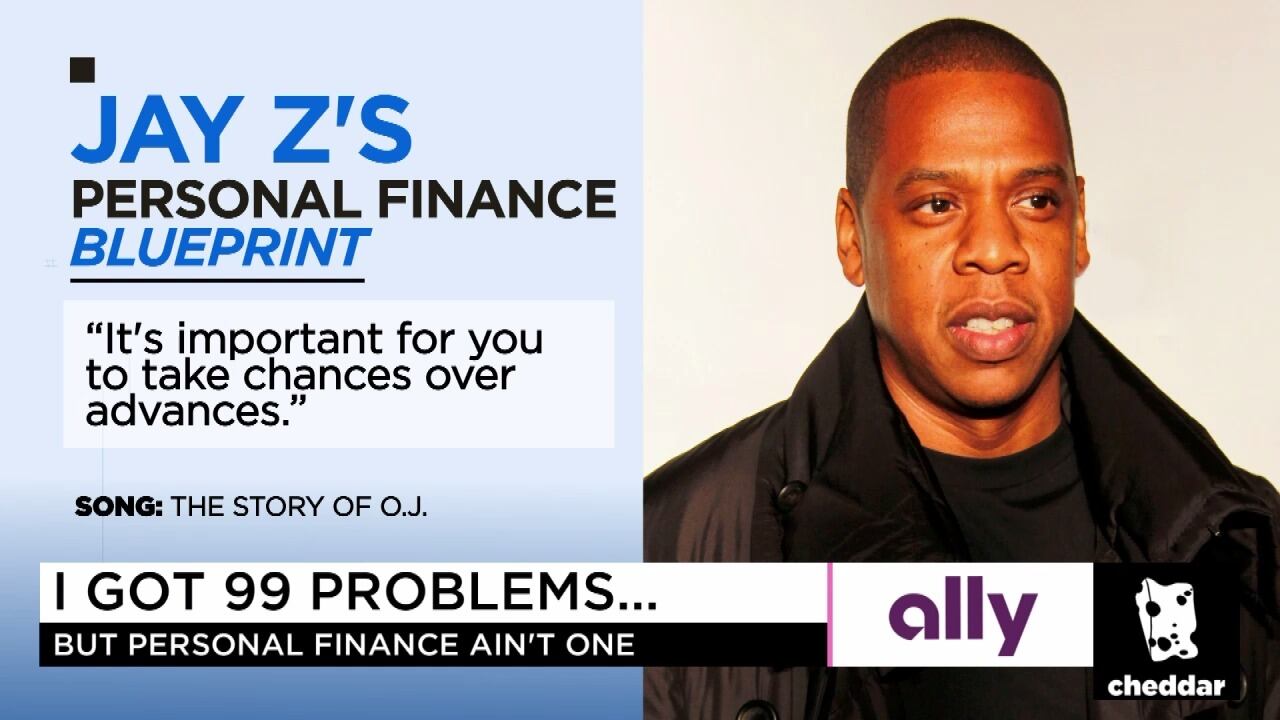
Ever listen to a Jay-Z song and wonder if there is a deeper meaning? Personal Finance Expert Ash "Cash" Exantus started to realize his lyrics were teaching personal finance lessons and wrote a book about it. "The Wake Up Call: Financial Inspiration Learned From 4:44" explores different lyrics and what listeners can learn about business, credit and investing from the most notable rapper in the world, Jay-Z.
Financial education expert Ash Exantus, known as Ash Cash, found some personal finance lessons in JAY-Z's latest album. He wrote "The Wake Up Call" to share them with the world.