*By Alisha Haridasani*
It’s the most divisive question since the blue and black dress (or was it white and gold?!): Do you hear Yanny or Laurel?
Technically, the answer is "Laurel." But some people swear it's "Yanny."
The question, which is ripping the internet apart, revolves around an audio clip [reportedly](https://www.nytimes.com/2018/05/15/science/yanny-laurel.html) posted on Reddit by a student who found it on a vocabulary website when researching a school project under the word "laurel." The clip went viral, leaving many listeners questioning what they heard ー and maybe their sanity.
The discrepancy in what people hear could be due to circumstance, said Brad Story, professor of speech, language, and hearing at the University of Arizona.
“It really is going to depend on the information that you have in terms of your bias toward listening to it at that moment in time," said Story. "That’s what we call ‘top-down information’ ー trying to make sense of any kind of pattern that's present.”
The two words share very similar acoustic characteristics that your brain could selectively hear it one way or the other, he said.
The bass, frequency, and volume of the audio clip can also influence what someone hears. Some people posted videos on [Twitter](https://twitter.com/JFLivesay/status/996585941241401346) where the audio levels were adjusted, changing how the clip could be heard.
So, whatever the *technical* answer to the question is, in reality, it can be both.
For the full interview, [click here](https://cheddar.com/videos/yanny-vs-laurel).
As governments around the world consider how to monitor new coronavirus outbreaks while reopening their societies, many are starting to bet on smartphone apps to help stanch the pandemic. But their decisions on which technologies to use — and how far those allow authorities to peer into private lives — are highlighting some uncomfortable trade-offs between protecting privacy and public health.
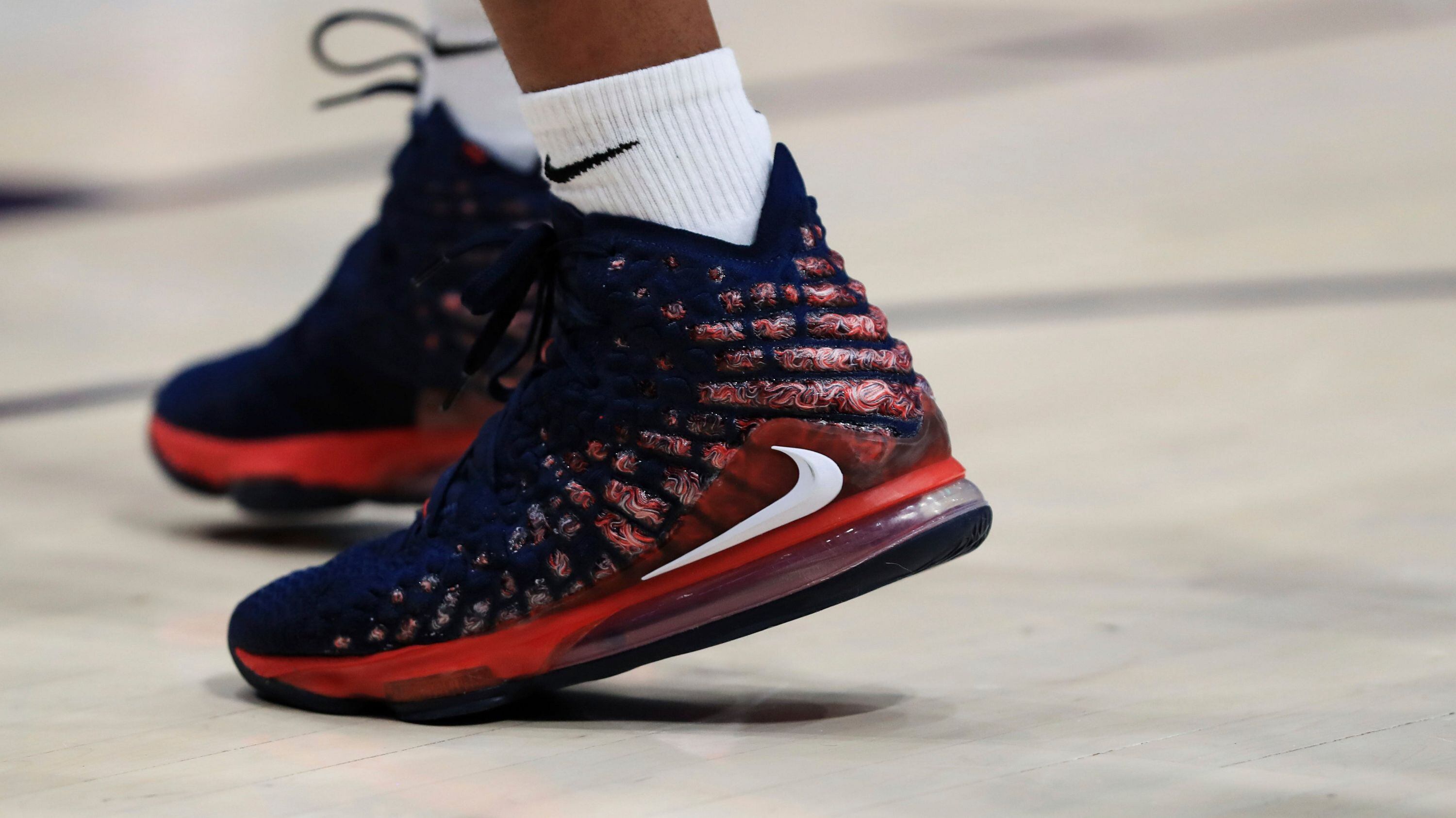
Nike has teamed up with Good360 to donate 32,500 pairs of its Air Zoom Pulse shoes, specifically designed for healthcare workers, across the U.S. and in parts of Europe.
Companies across a wide swath of industries have found ways to give back to communities in their time of need amid the COVID-19 pandemic.
Carnival Cruise Lines says it plans to gradually resume cruising in North America in August, nearly five months after it halted operations due to the new coronavirus.
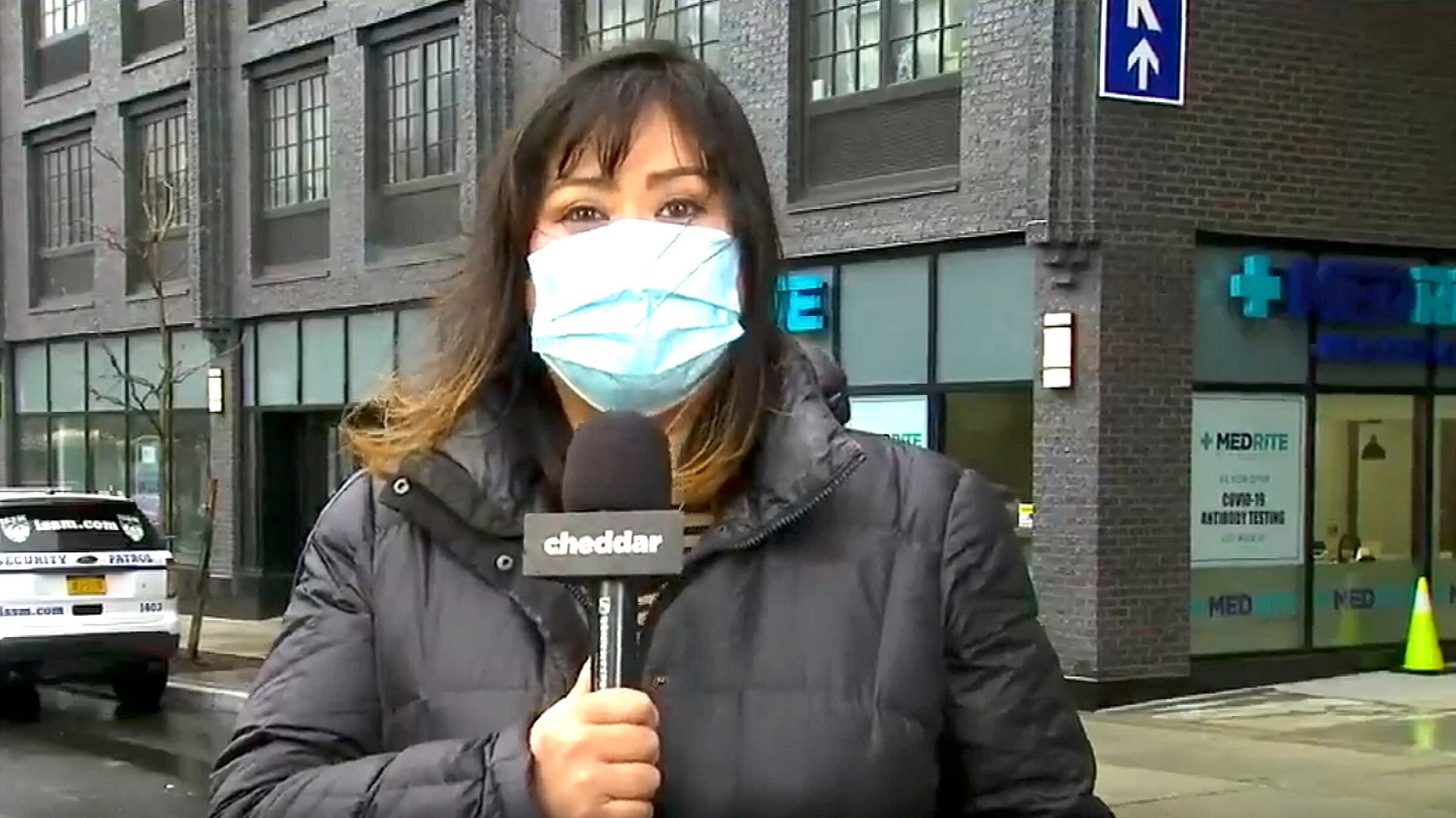
COVID-19 tests look for antibodies, which are proteins the body develops in response to toxic or foreign substances inside the bloodstream.
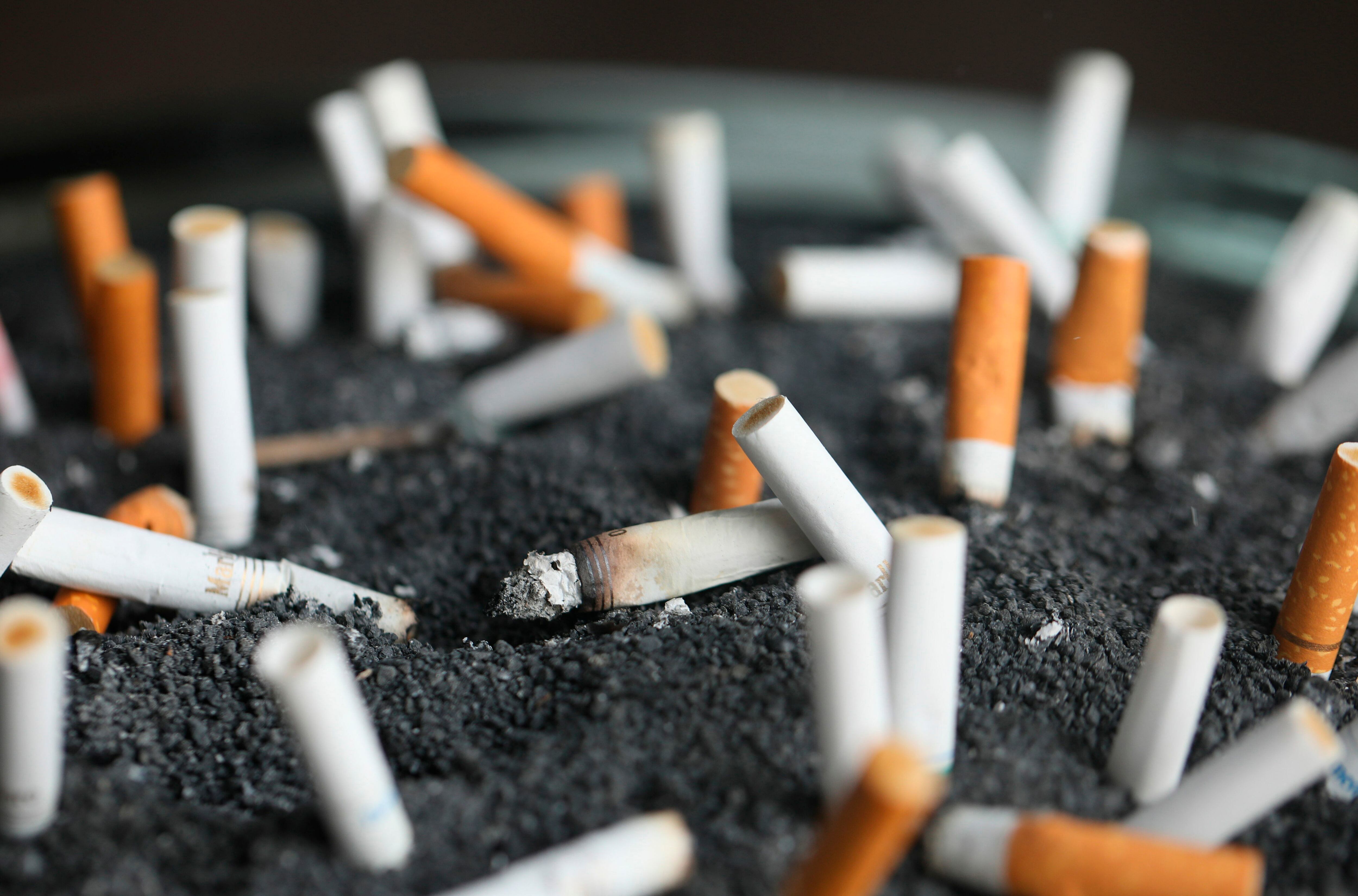
A new study out of a Paris hospital suggests nicotine may help prevent infection and serious illness from coronavirus — but doctors caution against picking up a smoking habit.
From Wall Street to Silicon Valley, these are the top stories that moved markets and had investors, business leaders, and entrepreneurs talking this week on Cheddar.
Star of 'All Rise', Simone Missick, talked about the unusual virtual season finale of the CBS drama that required a familiar technology during the coronavirus pandemic — Zoom.
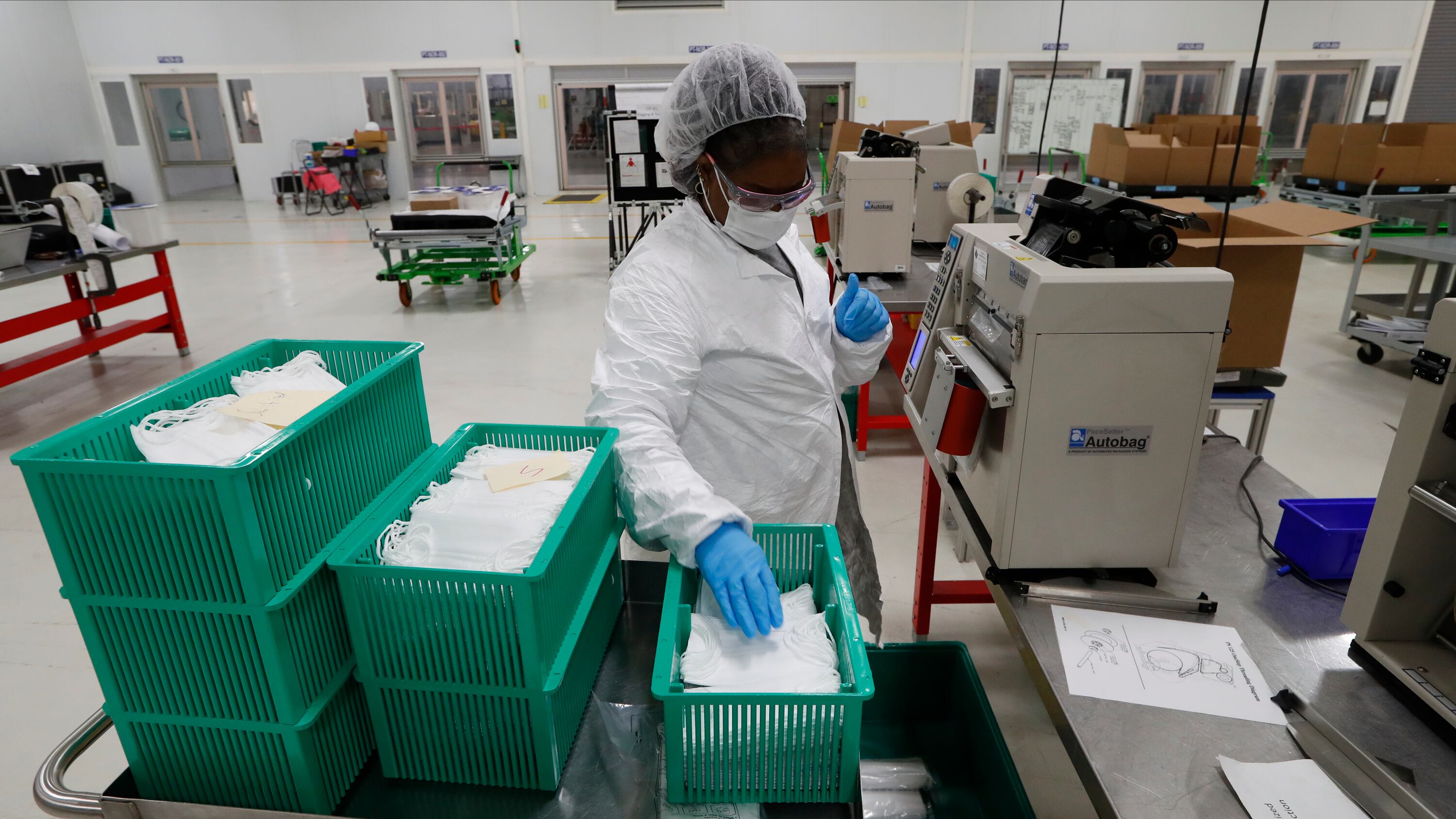
A shortage of personal protective equipment is a critical problem for frontline medical workers and one of the toughest issues the organization is facing, said Thomas Tighe, CEO of Direct Relief.
NYC Mayor Bill de Blasio, in partnership with the City Council, announced his commitment to closing off up to 100 miles of streets to make more space for city dwellers during the coronavirus pandemic.