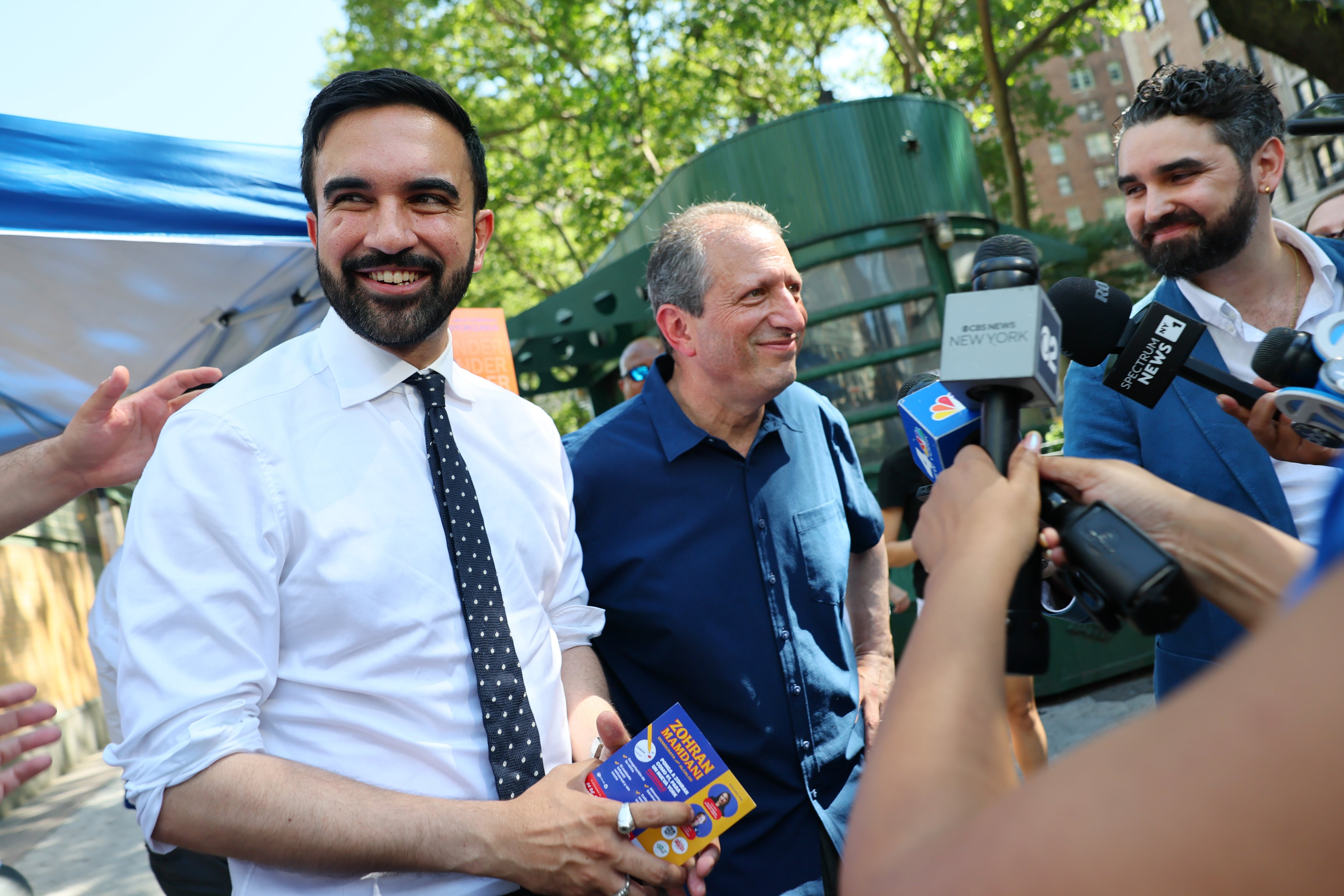
Medical marijuana could be be an effective way to counter the opioid epidemic, and to help make the case, a Chicago lawmaker has come out publicly as a marijuana user. A Cook County commissioner, John Fritchey, said in an interview Tuesday with Cheddar that he got his [medical marijuana card](https://cheddar.com/videos/cook-county-commissioner-john-fritchey-on-his-medical-marijuana-usage) six months ago. Though he didn't say what health issue he was being treated for, he said he wanted to be open about his use of the drug to help fight the stigma that might be associated with medical pot. “Why would we continue, in light of the crisis that we have, to prescribe opioids for pain relief when we have something that’s so much more effective?” he said. Fritchey has been on a years-long mission to gain legal acceptance for marijuana. In 2004, when Fritchey was a state lawmaker, he backed a bill legalizing medical marijuana. It eventually passed in 2013. He also supported decriminalizing pot in Chicago in 2011. “Given that I got a card, I figured that I had a pulpit,” said Fritchey. “It would be hypocritical on my part to be the vocal advocate that I am but not be willing to admit that I’m a cardholder myself.” In January, the state’s Department of Health rejected intractable pain as a qualifying condition for a marijuana card until a Cook County judge ordered the agency to accept the condition. The health department has said it will challenge the order in court. Fritchey is also pushing for a referendum in Cook County, the second most populous county in the U.S., on whether the state should legalize recreational marijuana. The vote is non-binding, but Fritchey told the [Chicago Tribune](http://www.chicagotribune.com/news/local/politics/ct-met-cook-county-recreational-marijuana-20171212-story.html) the referendum would let the state legislature know where people stand on the issue. For full article, [click here](https://cheddar.com/videos/barriers-facing-cannabis-legalization-in-illinois).