The IRS is showcasing its new capability to aggressively audit high-income tax dodgers as it makes the case for sustained funding and tries to avert budget cuts sought by Republicans who want to gut the agency.

IRS leaders said they collected $38 million in delinquent taxes from more than 175 high-income taxpayers in the past few months.

In one case, an individual had used money owed to the government to buy a Maserati and a Bentley, and roughly 100 high-income people tried to get favorable tax treatment through Puerto Rico without meeting certain tax requirements. Many of those cases are expected to face criminal investigation.

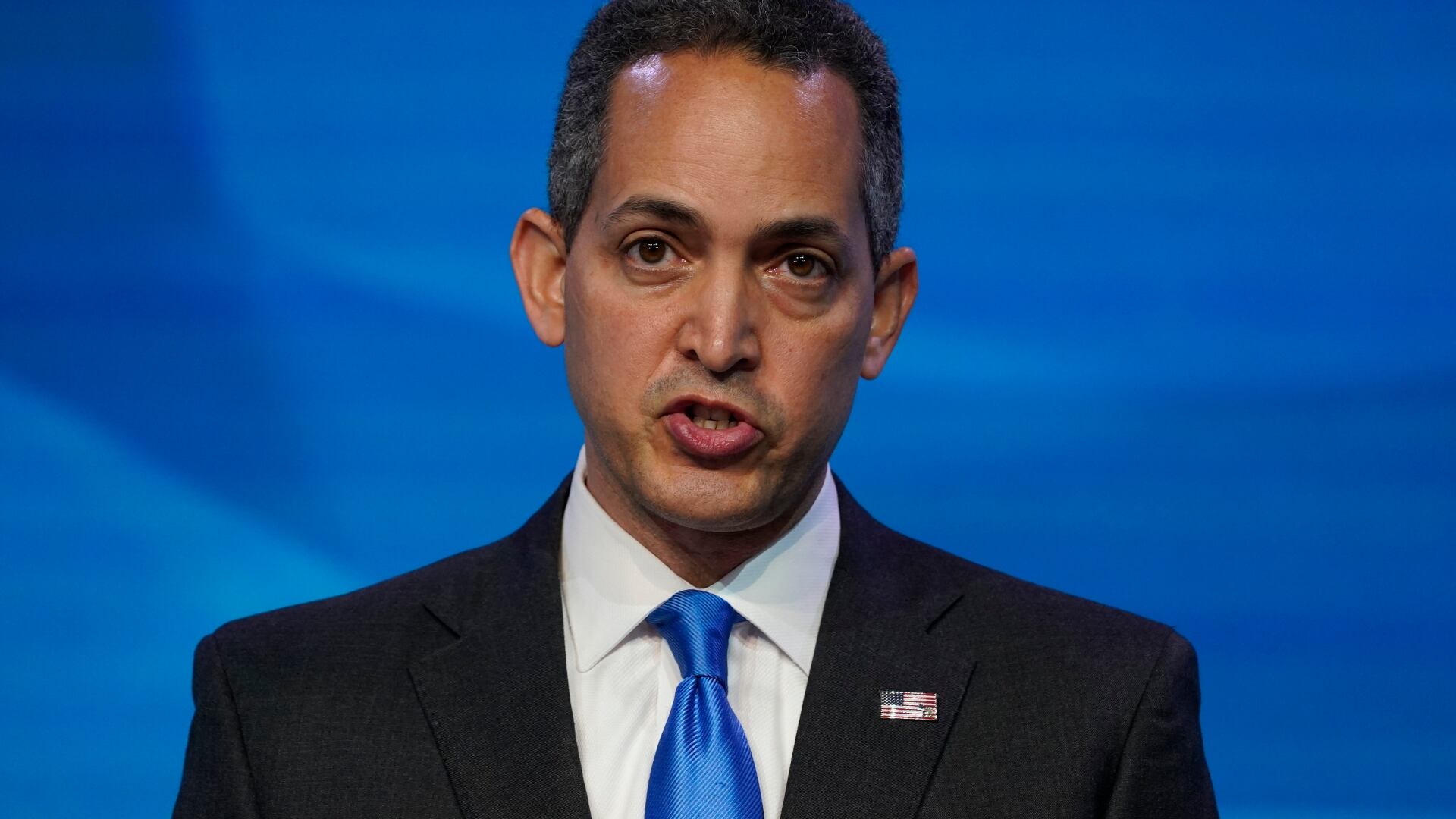
“It just shows you how much money is out there in delinquent taxes, and there are so many more cases for us to tackle," said new IRS Commissioner Daniel Werfel, just four months into the job. “There’s just a significant opportunity there.”

No comparable figures exist for how those high-dollar tax collections compared with previous years, said Jodie Reynolds, speaking for the agency. Rather, the new data reflect an initiative that started after the agency received a new funding stream through the Inflation Reduction Act passed in August by Democrats.

The new data collection “is an example of work we expect to continue to focus on with IRA funding,” she said.

Werfel, in a call with reporters on Thursday, also cited the federal tax collector's enhanced ability to identify tax delinquents from resources provided by the Inflation Reduction Act.

The agency was in line for an $80 billion infusion under the law but that money is vulnerable to potential cutbacks.

House Republicans built a $1.4 billion reduction to the IRS into the debt ceiling and budget cuts package passed by Congress this summer. The White House said the debt deal also has a separate agreement to take $20 billion from the IRS over the next two years and divert that money to other non-defense programs.

Now, the agency is trying to show the value of the Inflation Reduction Act funding for taxpayers as appropriations season closes in, and to show the impact of its efforts to do more to audit high-income taxpayers. Last summer Treasury Secretary Janet Yellen gave the IRS leadership instructions not to increase audit rates on people making less than $400,000 a year annually, and to focus on high-income taxpayers.

A team of academic economists and IRS researchers in 2021 found that the top 1% of U.S. income earners fail to report more than 20% of their earnings to the IRS.

The IRS said its workers answered 3 million more phone calls than in the last filing season, cut wait times to 3 minutes from 28 and cleared the backlog of unprocessed 2022 tax returns that had no errors. It is opening new taxpayer assistance centers and holding events to help people who live far from the agency's in-person offices.

“The mixed results here of some taxpayers, still frustrated, and some taxpayers seeing dramatic improvements tells us we have more work to do,” Werfel said.

The IRS’s enforcement staff has shrunk by about one-third since 2010 and has been operating with outdated technology that the agency said it is gradually automating.

In April, the agency released a report outlining how it would spend the money allotted through the Inflation Reduction Act, such as bringing more paper-based systems online and answering taxpayers’ phone calls promptly.

Other plans are more ambitious, including exploring ways to create a government-operated electronic free-file tax return system, which is currently being piloted.

The idea of providing additional money for the agency has been politically controversial since 2013, when the IRS under the Obama administration was found to scrutinize political groups that applied for tax-exempt status.

A Treasury Department inspector general report found that both conservative and liberal groups were chosen for scrutiny.

Share:
More In Politics
TikTok Star Ellie Zeiler on White House Briefing, Social Media Role in Ukraine News
With the Russian invasion of Ukraine raging on, millions have turned to TikTok to stay up-to-date on the latest developments and get a first-hand look. The social media platform has been so prominent that the war has been dubbed "the first TikTok war" by many publications — and even the White House has taken notice. The Biden administration held a virtual briefing with 30 social media creators to discuss their role in communicating to their followers by countering what it deems as being misinformation. Ellie Zeiler, an 18-year-old TikTok star who attended the briefing, joined Cheddar to talk about the conference and her responsibilities as a social media creator. "How could you not be a little nervous or scared when you're getting your information and media all from this app? But also then you think back to, I guess, when media was changing between newspapers and TV, and I'm sure people were nervous about that too," she said. "So the fact is, is that people do really look to Tiktok and social media for their news."
U.S. Stocks Close at Session Lows on Friday
U.S. markets closed the day at session lows as the Dow marked its fifth straight week of losses. Investors continue to weigh inflation and the ongoing Russia-Ukraine war and growing economic risk factors. George Seay, CEO of Annandale Capital, joins Cheddar News' Closing Bell to discuss.
Stocks Close Lower as S&P 500 Falls Amid Russia-Ukraine War
U.S. stocks ended Thursday's session lower as new CPI data show inflation continues to rise and the Russia-Ukraine war continues. Philip Palumbo, founder, CEO, & Chief Investment Officer of Palumbo Wealth Management, joins Cheddar News' Closing Bell to discuss.
WNBA All-Star Brittney Griner Remains in Russian Custody as Charter Flight Scandal Fallout Hits
It's been an eventful past few weeks for the WNBA. One of the league's top players, Brittney Griner, remains in Russian custody after being detained at an airport last month. The league is also dealing with a scandal after fining a team for providing charter flights to their players. Emily Caron, sports business reporter for Sportico, joined Cheddar News' Closing Bell to discuss.
No Appetite in Congress to Extend Children School Meal Waiver
School nutrition experts warn that millions of children could go hungry as soon as this summer, after Congress excluded waivers that would extend universal lunch for children in school from the $1.5 trillion omnibus spending bill. Cheddar News speaks with Jessica Gould, chair of the public policy and legislation committee at the School Nutrition Association, about the issue.
Deputy Commerce Secretary on Semiconductor Chip Demand Amid Ukraine Crisis
The ongoing semiconductor chip shortage has been impacting everything from the purchase of cars to smartphones. Deputy Commerce Secretary Don Graves spoke with Cheddar about the Biden administration's efforts to combat the issue and if the current crisis in Ukraine will have any impact on the global supply chain problems for semiconductors. "We're working very closely with all of our partners and allies around the globe, just as we have on the export controls and sanctions that we've applied to Russia to deal with that needless aggression," he said. "We're also working with them on the challenges of raw materials for a range of industries, including the semiconductor industry. We believe that we are going to be able to meet the demand for the for the near term."
LGBTQ Advocates Warn Against Florida's 'Don't Say Gay' Bill
President Maxx Fenning and Vice President CJ Walden of PRISM, a Florida non-profit providing resources for LGBTQ youth, joined Cheddar News to discuss the negative repercussions of a Florida bill banning discussions of sexuality and gender identity in some classrooms.
Load More