The IRS is showcasing its new capability to aggressively audit high-income tax dodgers as it makes the case for sustained funding and tries to avert budget cuts sought by Republicans who want to gut the agency.
IRS leaders said they collected $38 million in delinquent taxes from more than 175 high-income taxpayers in the past few months.
In one case, an individual had used money owed to the government to buy a Maserati and a Bentley, and roughly 100 high-income people tried to get favorable tax treatment through Puerto Rico without meeting certain tax requirements. Many of those cases are expected to face criminal investigation.
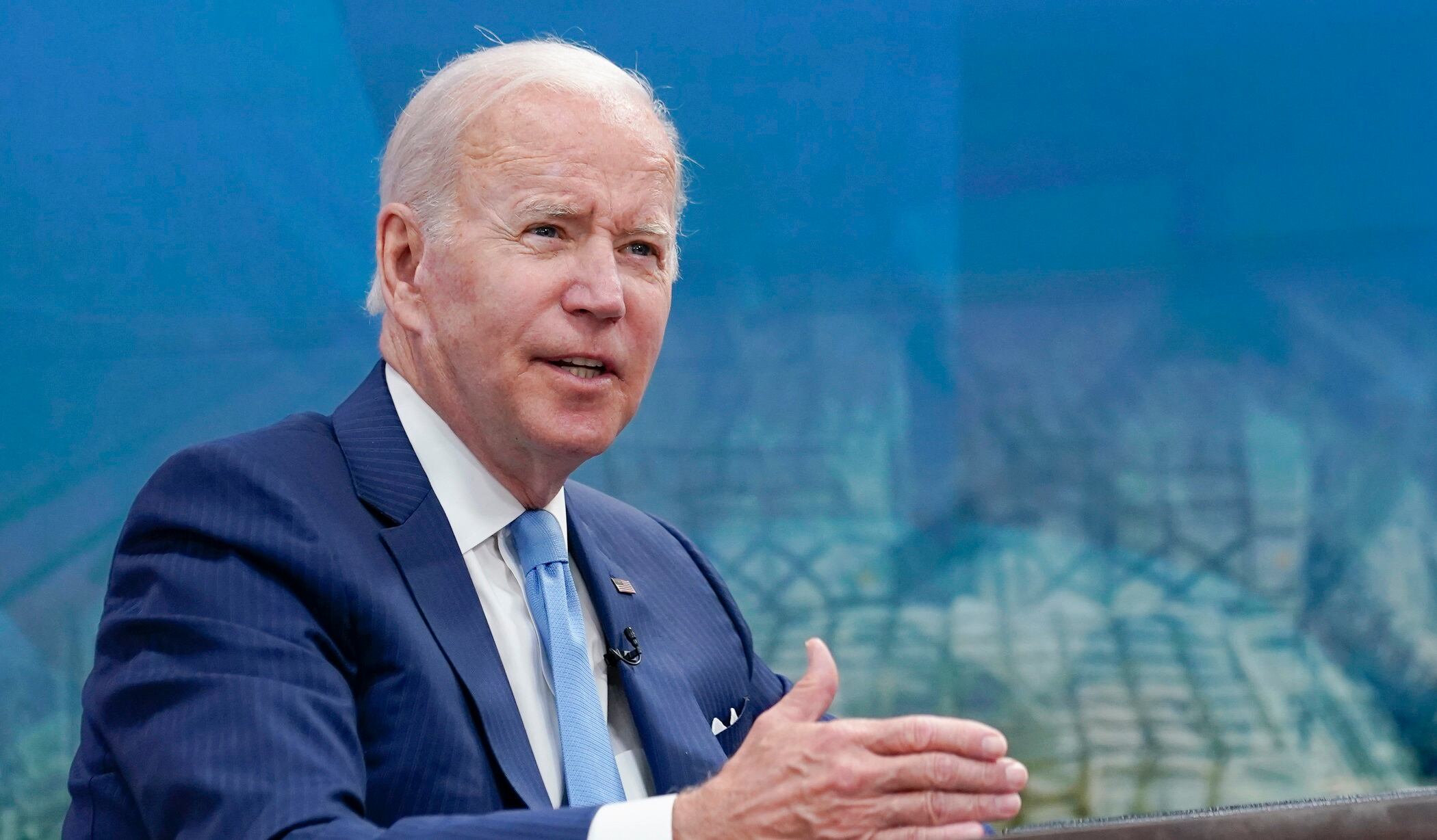
“It just shows you how much money is out there in delinquent taxes, and there are so many more cases for us to tackle," said new IRS Commissioner Daniel Werfel, just four months into the job. “There’s just a significant opportunity there.”
No comparable figures exist for how those high-dollar tax collections compared with previous years, said Jodie Reynolds, speaking for the agency. Rather, the new data reflect an initiative that started after the agency received a new funding stream through the Inflation Reduction Act passed in August by Democrats.
The new data collection “is an example of work we expect to continue to focus on with IRA funding,” she said.
Werfel, in a call with reporters on Thursday, also cited the federal tax collector's enhanced ability to identify tax delinquents from resources provided by the Inflation Reduction Act.
The agency was in line for an $80 billion infusion under the law but that money is vulnerable to potential cutbacks.
House Republicans built a $1.4 billion reduction to the IRS into the debt ceiling and budget cuts package passed by Congress this summer. The White House said the debt deal also has a separate agreement to take $20 billion from the IRS over the next two years and divert that money to other non-defense programs.
Now, the agency is trying to show the value of the Inflation Reduction Act funding for taxpayers as appropriations season closes in, and to show the impact of its efforts to do more to audit high-income taxpayers. Last summer Treasury Secretary Janet Yellen gave the IRS leadership instructions not to increase audit rates on people making less than $400,000 a year annually, and to focus on high-income taxpayers.
A team of academic economists and IRS researchers in 2021 found that the top 1% of U.S. income earners fail to report more than 20% of their earnings to the IRS.
The IRS said its workers answered 3 million more phone calls than in the last filing season, cut wait times to 3 minutes from 28 and cleared the backlog of unprocessed 2022 tax returns that had no errors. It is opening new taxpayer assistance centers and holding events to help people who live far from the agency's in-person offices.
“The mixed results here of some taxpayers, still frustrated, and some taxpayers seeing dramatic improvements tells us we have more work to do,” Werfel said.
The IRS’s enforcement staff has shrunk by about one-third since 2010 and has been operating with outdated technology that the agency said it is gradually automating.
In April, the agency released a report outlining how it would spend the money allotted through the Inflation Reduction Act, such as bringing more paper-based systems online and answering taxpayers’ phone calls promptly.
Other plans are more ambitious, including exploring ways to create a government-operated electronic free-file tax return system, which is currently being piloted.
The idea of providing additional money for the agency has been politically controversial since 2013, when the IRS under the Obama administration was found to scrutinize political groups that applied for tax-exempt status.
A Treasury Department inspector general report found that both conservative and liberal groups were chosen for scrutiny.