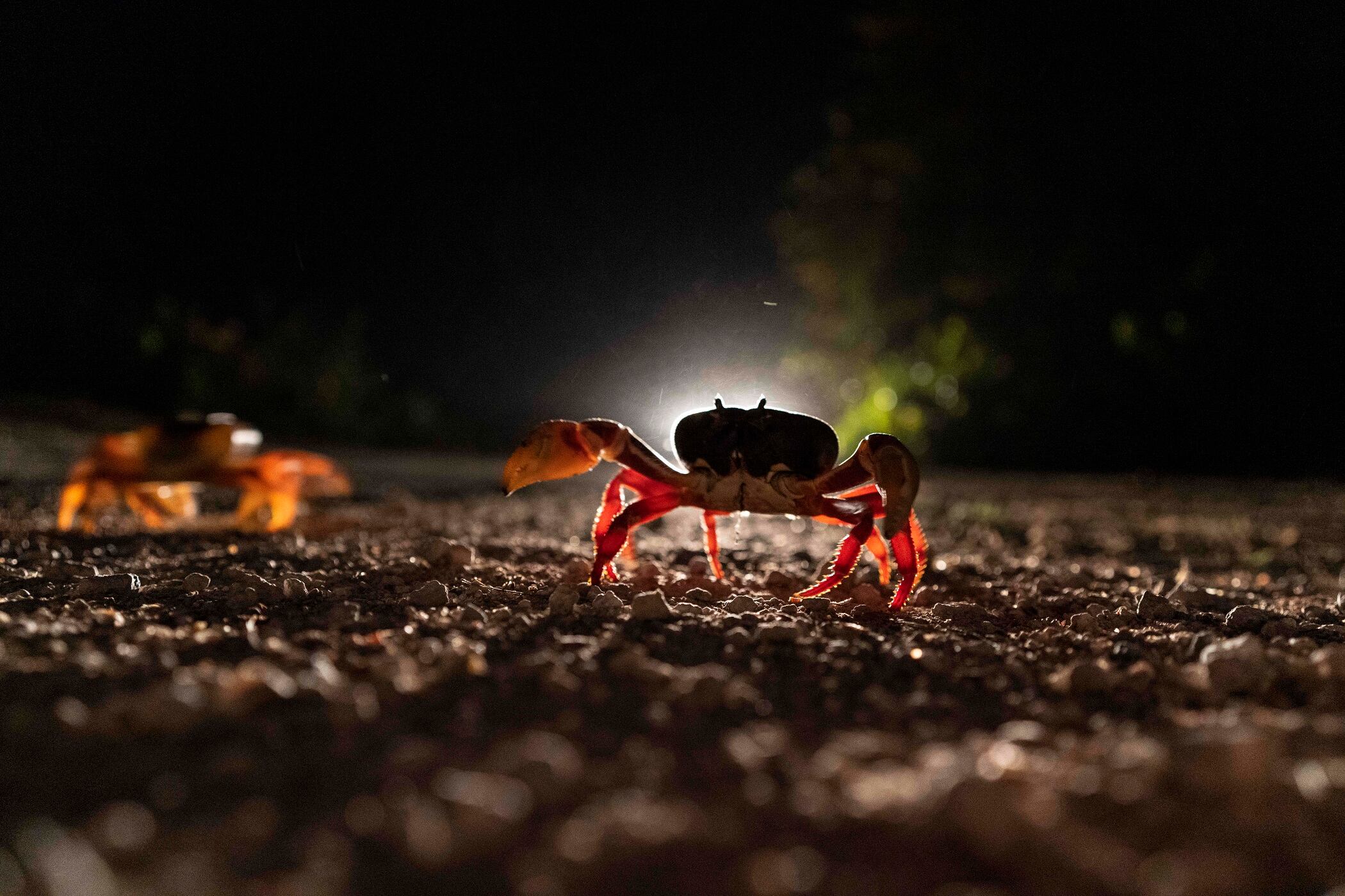
Every year in Cuba, millions of crabs emerge from the forest at the beginning of the spring rains and head for the waters of the Bay of Pigs, crossing streets and highways on a perilous journey to mate and reproduce.
Now underway, the migration causes concern to drivers who try to swerve in an often futile attempt not to kill the crustaceans. The crabs are a nuisance to residents but the sight of their road-crossing is a wonder for tourists and other first-time onlookers.
“They got here before us,” said Amaury Urra, a 50-year-old hiking guide who spent his entire life in this part of the Ciénega de Zapata, the largest wetland in the Caribbean, particularly picturesque for the backdrop of turquoise sea waters and the coastal cliffs. ″We’re used to this.″
“Where I live, which is in the center of the town of Girón, the crabs don’t get there as much,″ though there are plenty on the outskirts, he said.
Located about 180 kilometers (110 miles) southeast of Havana, the area was the scene of a 1961 failed invasion by Cuban exiles who signed up for a covertly CIA-funded operation to overthrow Fidel Castro.
This year, the crabs started their journey early. At the end of March, the municipal authorities issued a warning to drivers to avoid traveling in the morning and evening hours - the favorite crossing times for the crabs. Environmentalists usually demand the closure of the main road, especially at key migration times.
The passage of the red crustaceans — the species is called gecarcinus ruricola — could last until July. The largest amount of traffic occurs between April and May. Residents have to be careful: When the crabs feel threatened, they can puncture car tires with their pincers.
Official figures estimate that some 3.5 million crabs die each season on the road, many crushed by passing vehicles. They take a minute and a half to cross.
This type of crab lives and migrates in the Bahamas, Nicaragua, Jamaica and Dominica. But only here, and perhaps in another sector of the coast towards the neighboring province of Cienfuegos, does its path collide so dramatically with human traffic.
Sara Fischer, Media reporter for Axios, discusses how data effects foreign investments in U.S. Technology. Ripple Partners With MoneyGram to Lower Remittance Cost. Turner CEO John Martin gives his take on future of media and TV. Walmart announce it is closing 63 Sam's Club stores across the country. Former White House Chief Strategist Steve Bannon is set to appear next week before the House Intelligence Committee.
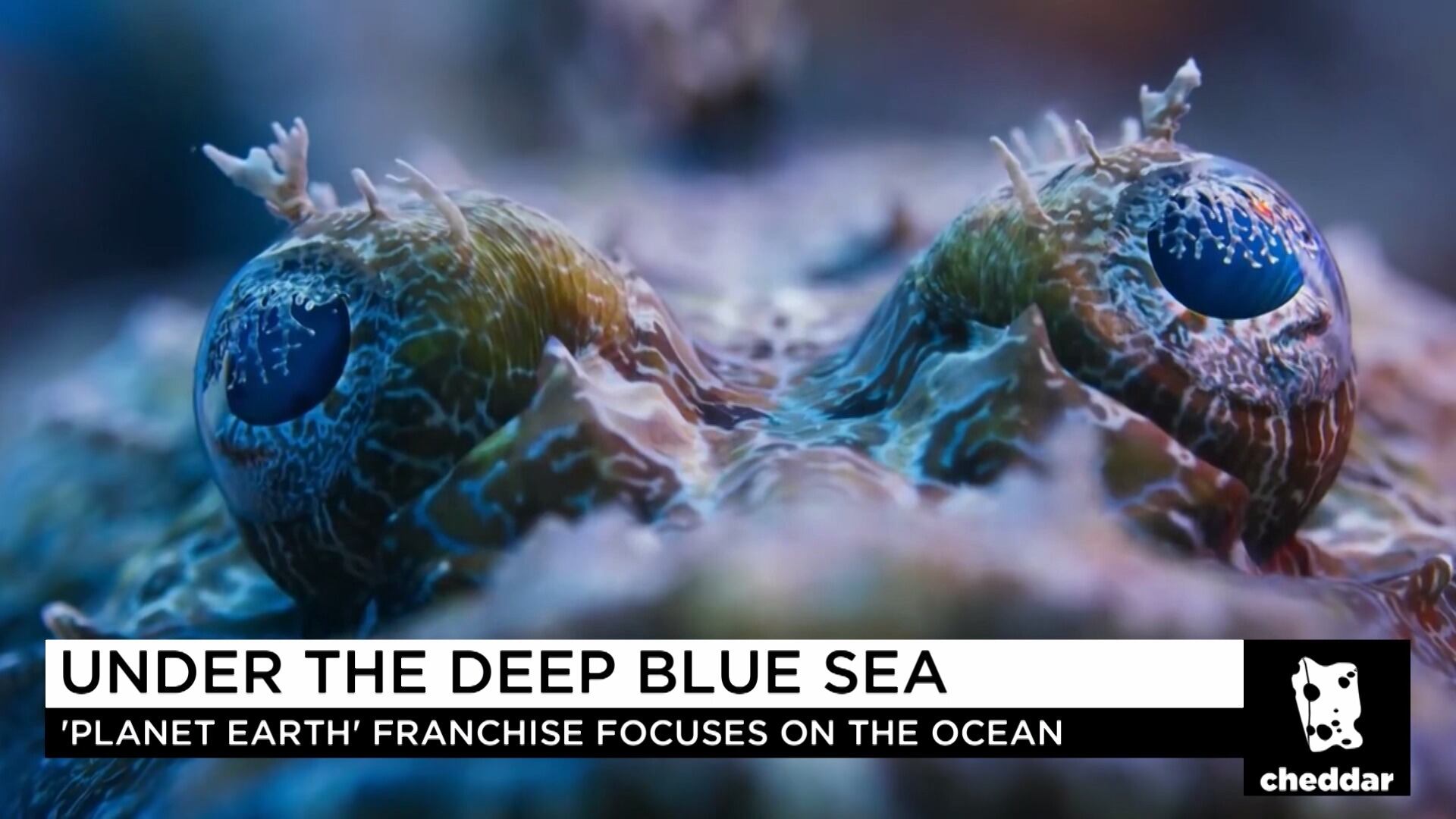
"Blue Planet" is the Emmy-Award winning series that looks at life under the deep blue sea. It's back for a new season 17 years after the original aired in 2001. The producers sit down with Alyssa Julya Smith in Los Angeles to talk about the four-year production of the latest installment.
In 1935 L'Oreal developed the first commercial sunscreen product. Now, the beauty company is out with the first battery-free wearable that help will with UV protection. UV Sense could usher in a new wave of preventative sun skincare.
Space Mysteries: the search for Zuma. How DJ Khaled will change Weight Watchers, we're cruising with Volvo Cars at CES. With YourTango, Scientific American, and more.
Conspiracy theories are flying around after reports that a secret government satellite went missing during the most recent SpaceX launch. The Zuma satellite is rumored to be lost in space, but not everyone is convinced that's true.
As officials struggle to fight the opioid epidemic that is plaguing the country, some big cities are considering creating "safe injection" sites. No city has submitted a formal plan, but the idea is already stirring up controversy.
Associate editor at Space.com Sarah Lewin sheds some light on SpaceX's mysterious Sunday night launch and breaks down the fascinating new photos we just got of Jupiter.
The next time you walk into a Sprint store you could be greeted by their newest employee, the humanoid robot "Pepper." Pepper uses machine learning and artificial intelligence to greet customers and work with them throughout their Sprint store experience. Pepper is already in some stores across America.
Divi Coins wants to make their cryptocurrency as convenient and accessible as possible. The Divi Project is a new crypto company that closed their initial coin sale in November. The new crypto is looking to replace exchanges like Paypal or Venmo.
This Changes Things: Advice for the executives and leaders of tomorrow, sponsored by American Express OPEN. On Between Bells: the latest from the Consumer Electronics Show, net neutrality's last stand, and more. With Petco, Curiosity, Daily Kos, Popular Science, and more.