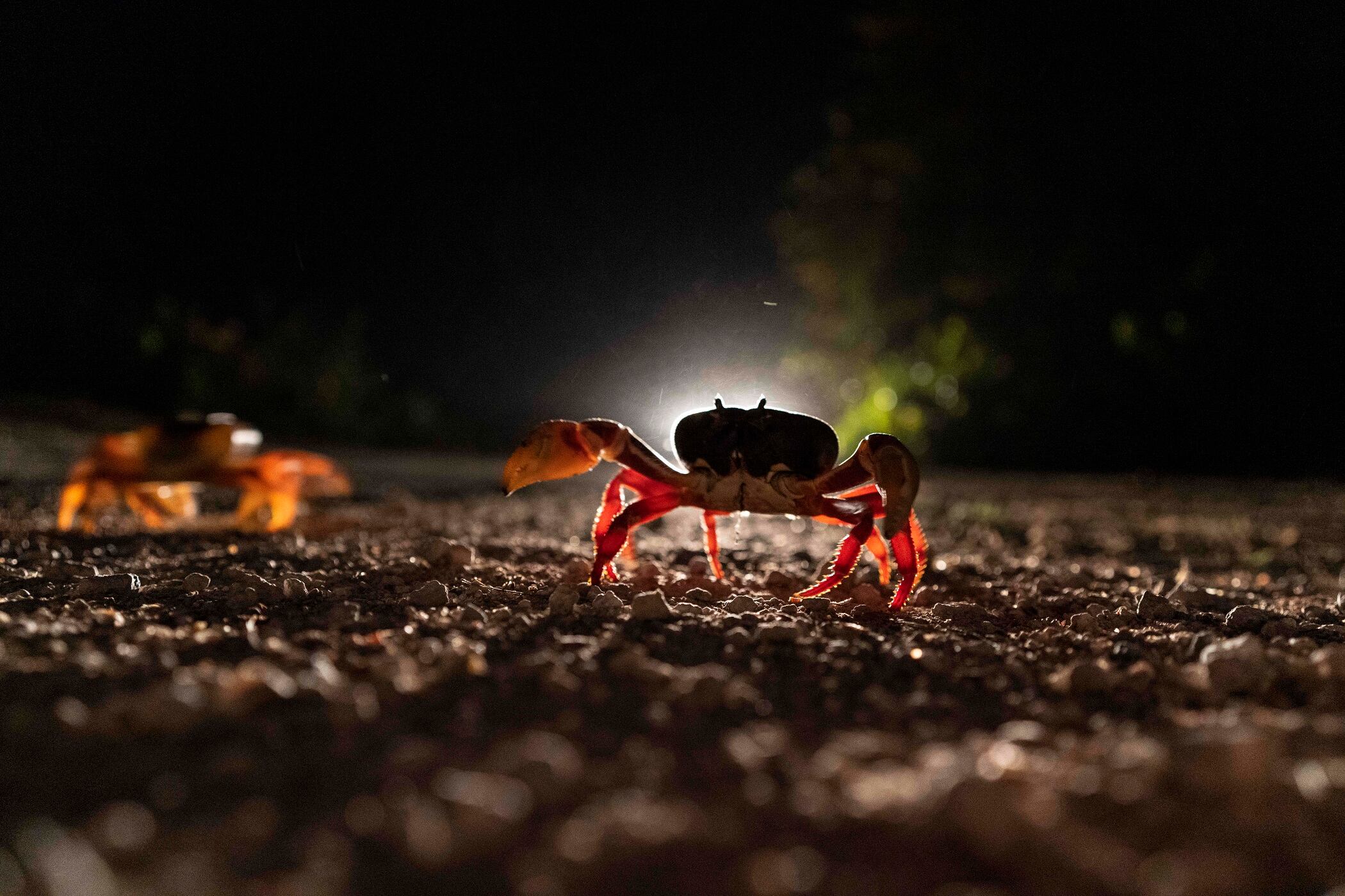
Every year in Cuba, millions of crabs emerge from the forest at the beginning of the spring rains and head for the waters of the Bay of Pigs, crossing streets and highways on a perilous journey to mate and reproduce.
Now underway, the migration causes concern to drivers who try to swerve in an often futile attempt not to kill the crustaceans. The crabs are a nuisance to residents but the sight of their road-crossing is a wonder for tourists and other first-time onlookers.
“They got here before us,” said Amaury Urra, a 50-year-old hiking guide who spent his entire life in this part of the Ciénega de Zapata, the largest wetland in the Caribbean, particularly picturesque for the backdrop of turquoise sea waters and the coastal cliffs. ″We’re used to this.″
“Where I live, which is in the center of the town of Girón, the crabs don’t get there as much,″ though there are plenty on the outskirts, he said.
Located about 180 kilometers (110 miles) southeast of Havana, the area was the scene of a 1961 failed invasion by Cuban exiles who signed up for a covertly CIA-funded operation to overthrow Fidel Castro.
This year, the crabs started their journey early. At the end of March, the municipal authorities issued a warning to drivers to avoid traveling in the morning and evening hours - the favorite crossing times for the crabs. Environmentalists usually demand the closure of the main road, especially at key migration times.
The passage of the red crustaceans — the species is called gecarcinus ruricola — could last until July. The largest amount of traffic occurs between April and May. Residents have to be careful: When the crabs feel threatened, they can puncture car tires with their pincers.
Official figures estimate that some 3.5 million crabs die each season on the road, many crushed by passing vehicles. They take a minute and a half to cross.
This type of crab lives and migrates in the Bahamas, Nicaragua, Jamaica and Dominica. But only here, and perhaps in another sector of the coast towards the neighboring province of Cienfuegos, does its path collide so dramatically with human traffic.
Laura Geggel, Senior Writer at Live Science, discusses the recently found void in Egypt's Great Pyramid, and how tiny robots are being used to understand this discovery.
Dana Wollman, Executive Editor at Engadget, discusses Apple's announcement this week that it would invest $350 billion into the U.S. economy over the next five years. Plus, Amazon released its short list of candidates for the highly anticipated HQ2.
Kimbal Musk is on a mission to bring clean and good food to kids and families across the country. That is why he joins Cheddar to make some big announcement about his non-profit.
Climate change is widely accepted as science, but the cause of the phenomenon has led to many headed debates. Adventurer and University of Minnesota Professor Aaron Doering is traveling the world to document the ways climate change is quickly changing our planet.
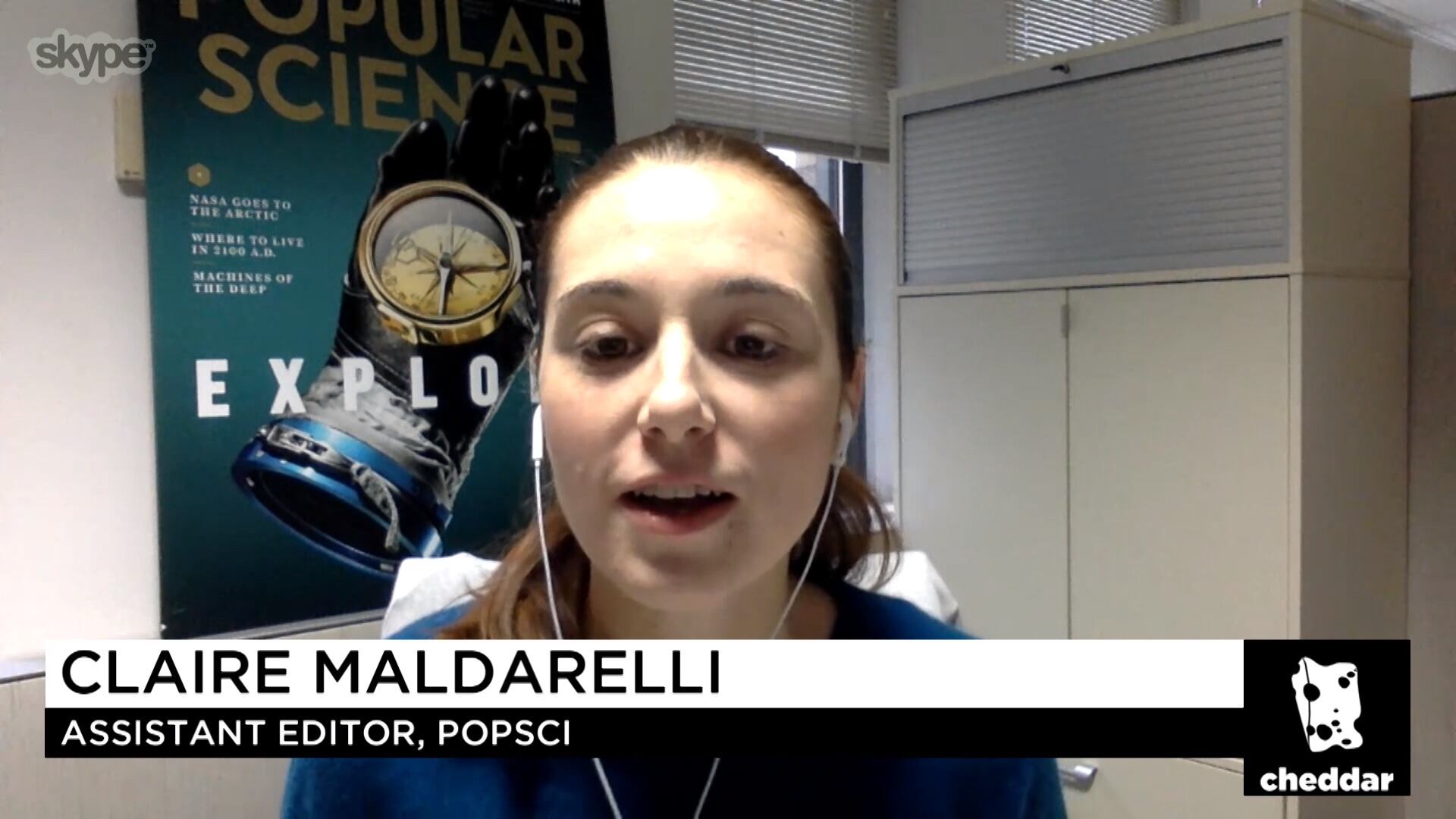
Claire Maldarelli, Assistant Editor at PopSci, discusses the publication's labeling of January as "Fat Month," where they help readers understand fat's impact on the human body as people embark on New Year's resolutions to get fit.
A look at the business of marijuana on Cheddar Cannabiz. Vermont awaits the Governor's signature on a bill making recreational marijuana legal. A former Brooklyn D.A. prosecutor has a new crime series. Facebook announce changes are coming to messenger. Bitcoin and other cryptocurrencies plunge as some countries call for more regulation. The White House releases the results of President Trump's health exam.
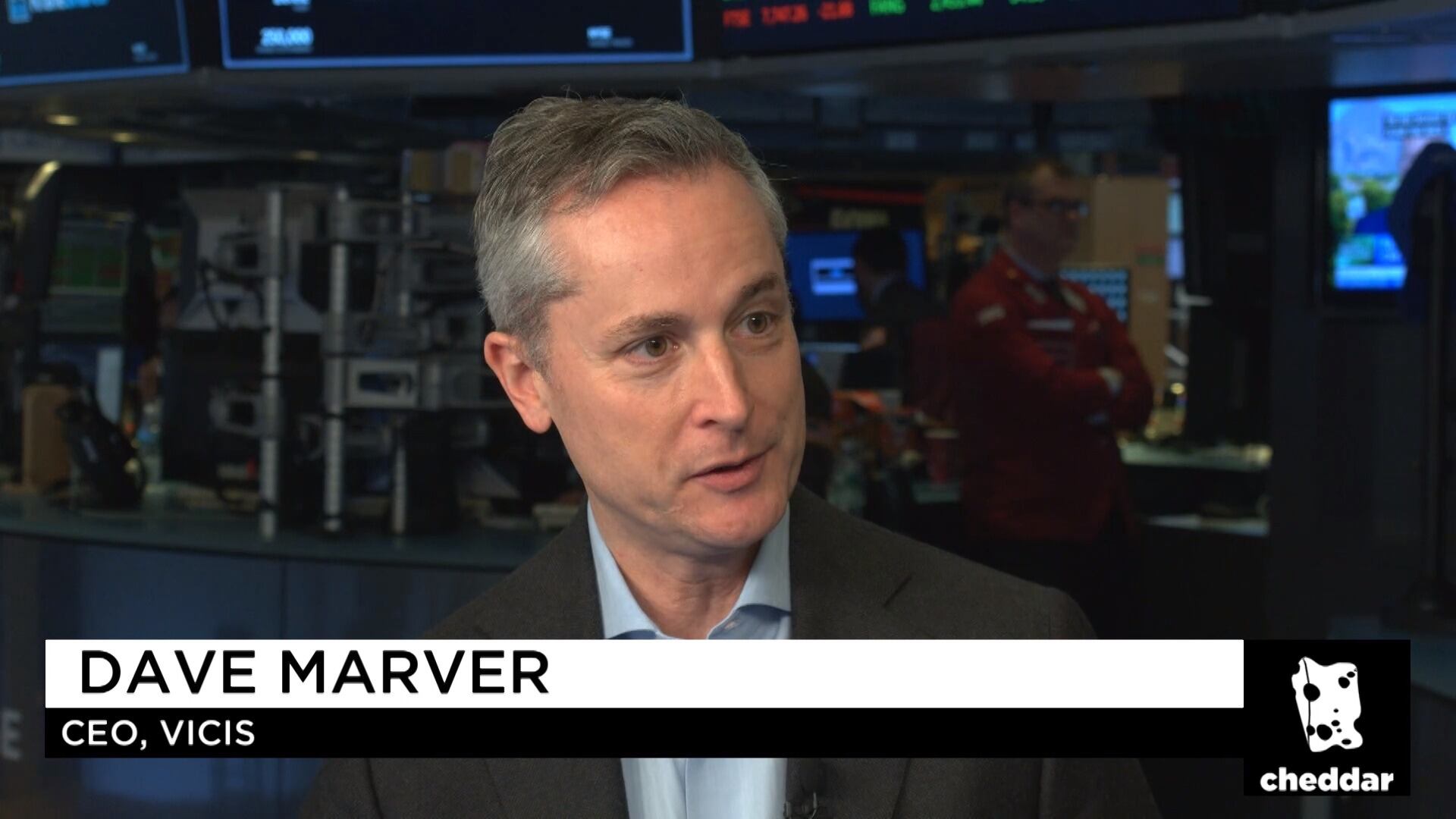
VICIS CEO Dave Marver discusses the Zero1 helmet, rated by the NFL as the safest ever made. Marver explains what makes the helmet different and what's next for the company.
Sandra Makarem and Emily Khasidy were friends for 15 years before they went into business together. The two are co-founders of The Collective Child, a membership-based subscription box for kid's clothing.
Facebook is changing up its News Feed, a new twist in the "All the Money in the World" wage gap controversy, and Lindsay Lohan might design a manmade island in Dubai. Plus, wrapping up the biggest headlines from CES with Wired, celebrity fashion designer Isaac Mizrahi, and the star of Amazon's "Philip K. Dick's Electric Dreams."
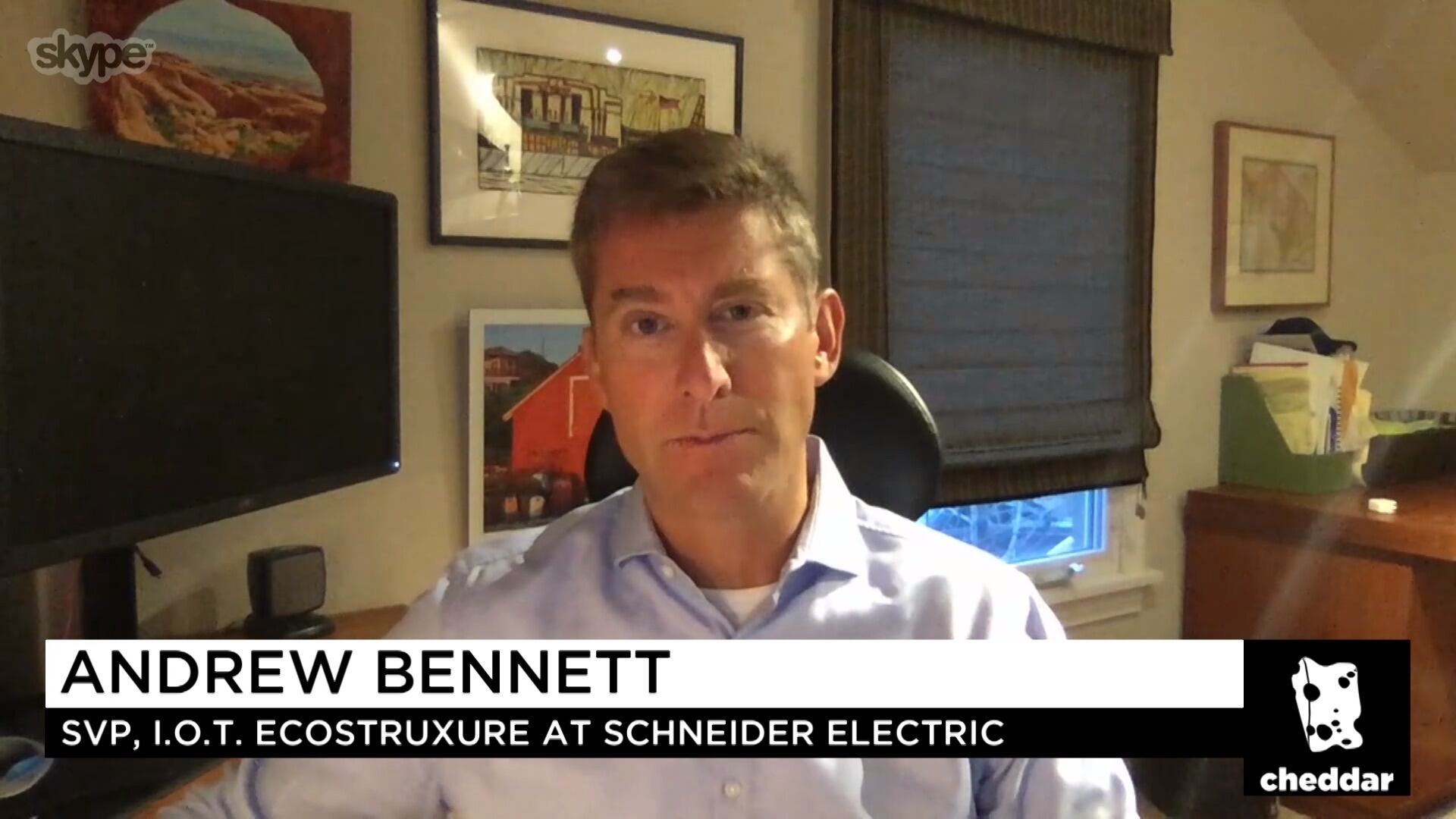
Andrew Bennett, SVP of I.O.T. Ecostruxure at Schneider Electric, joins us to speak about the company's mission to help customers optimize their energy use, regardless of whether the source is coal, wind or solar.