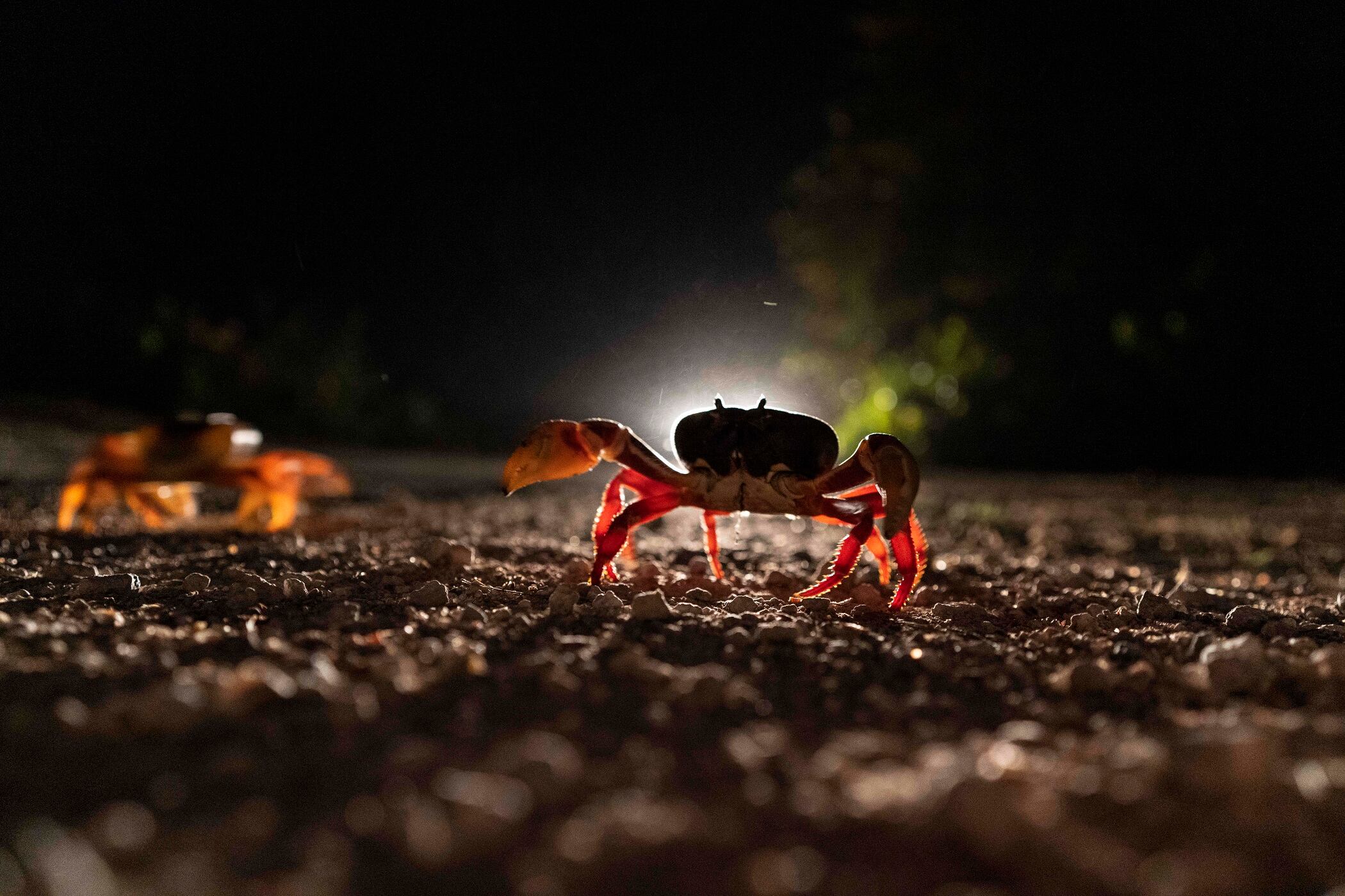
Every year in Cuba, millions of crabs emerge from the forest at the beginning of the spring rains and head for the waters of the Bay of Pigs, crossing streets and highways on a perilous journey to mate and reproduce.
Now underway, the migration causes concern to drivers who try to swerve in an often futile attempt not to kill the crustaceans. The crabs are a nuisance to residents but the sight of their road-crossing is a wonder for tourists and other first-time onlookers.
“They got here before us,” said Amaury Urra, a 50-year-old hiking guide who spent his entire life in this part of the Ciénega de Zapata, the largest wetland in the Caribbean, particularly picturesque for the backdrop of turquoise sea waters and the coastal cliffs. ″We’re used to this.″
“Where I live, which is in the center of the town of Girón, the crabs don’t get there as much,″ though there are plenty on the outskirts, he said.
Located about 180 kilometers (110 miles) southeast of Havana, the area was the scene of a 1961 failed invasion by Cuban exiles who signed up for a covertly CIA-funded operation to overthrow Fidel Castro.
This year, the crabs started their journey early. At the end of March, the municipal authorities issued a warning to drivers to avoid traveling in the morning and evening hours - the favorite crossing times for the crabs. Environmentalists usually demand the closure of the main road, especially at key migration times.
The passage of the red crustaceans — the species is called gecarcinus ruricola — could last until July. The largest amount of traffic occurs between April and May. Residents have to be careful: When the crabs feel threatened, they can puncture car tires with their pincers.
Official figures estimate that some 3.5 million crabs die each season on the road, many crushed by passing vehicles. They take a minute and a half to cross.
This type of crab lives and migrates in the Bahamas, Nicaragua, Jamaica and Dominica. But only here, and perhaps in another sector of the coast towards the neighboring province of Cienfuegos, does its path collide so dramatically with human traffic.
Amazon surpassed Microsoft in market cap. McDonald's is making its Happy Meals healthier. Washington D.C. reacts to the Florida high school massacre. Plus, we hear from an entrepreneur who started the first studio of its kind in the fitness industry.
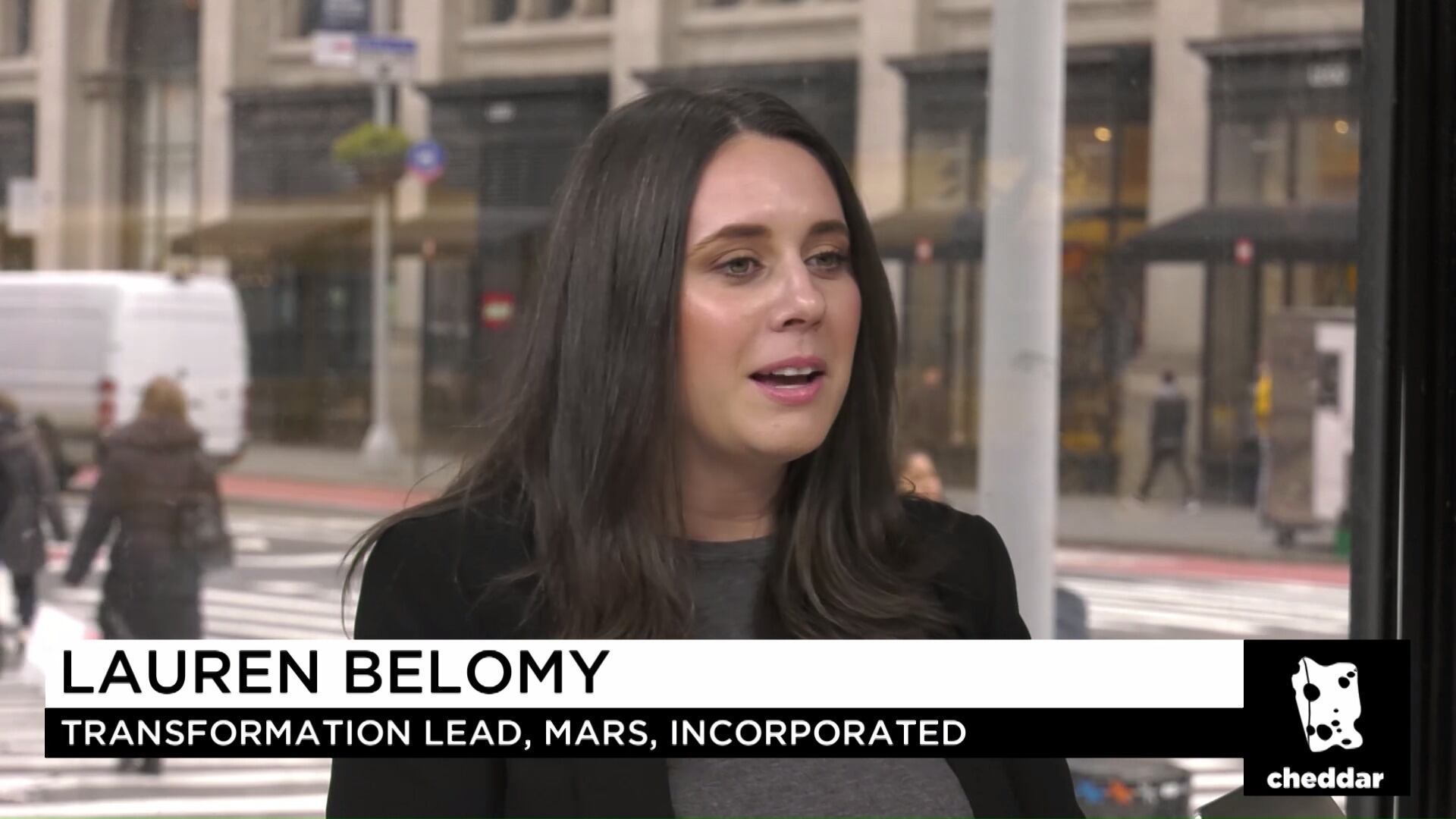
As of the last census women made up just over 25% of the STEM workforce. Mars, Incorporated is one company that is working to change that.
Lisa Lutoff-Perlo, CEO of Celebrity Cruises, discusses the company's partnership with the Malala Fund. The new "Celebrity Edge" ship will debut later this year, and Malala Yousafzai has been named the ship's Godmother.
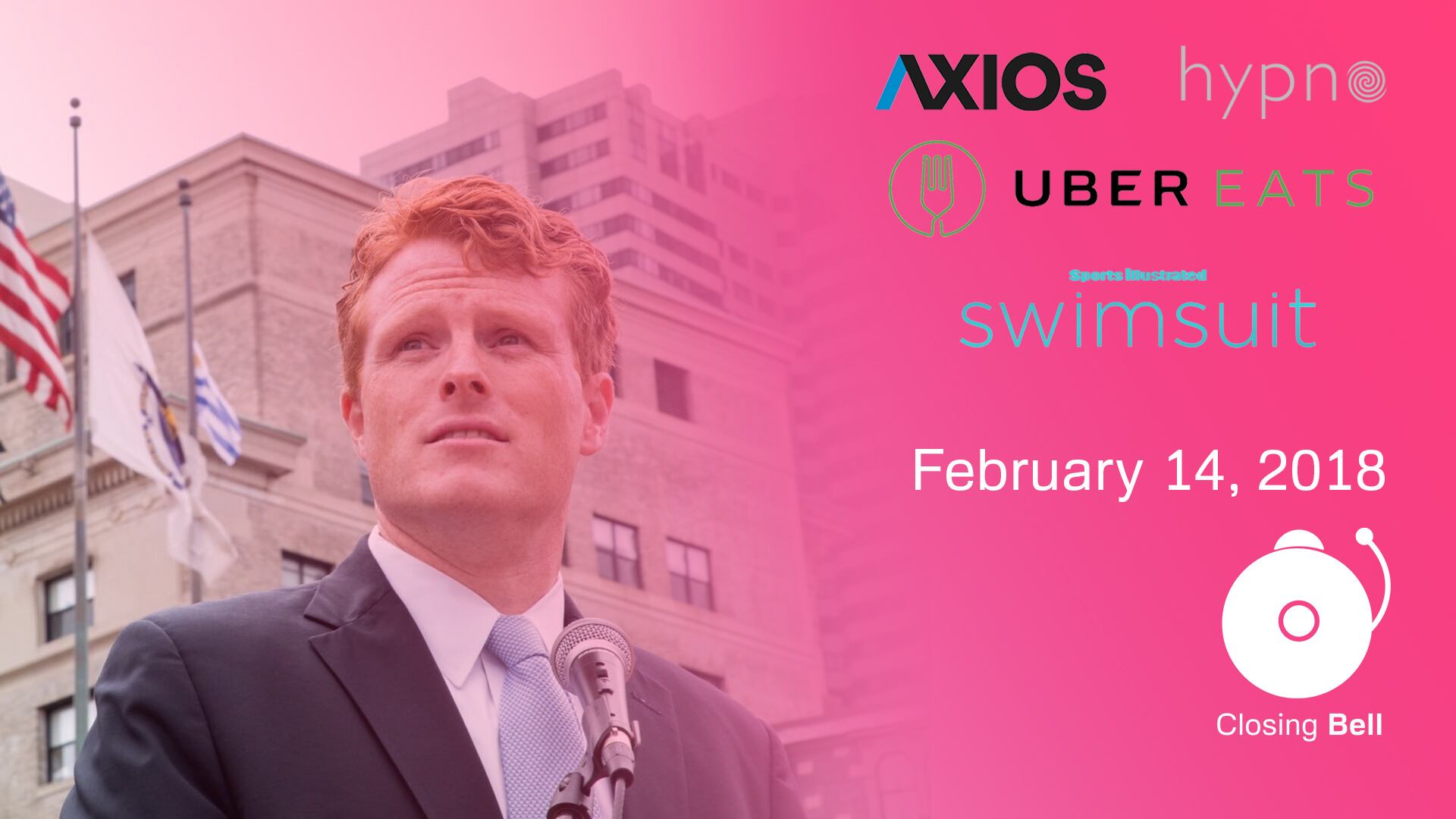
Police in Florida respond to a deadly high school shooting in Parkland. Congressman Joe Kennedy talks about bringing the Democratic message to millennial voters, and President Trump's Infrastructure plan.
Chipotle announces a new CEO. Dominos and Tinder and teaming up for Valentine's Day. The Director of National Intelligence sounds the alarm on Russia and the midterms elections. Sarah Kauss is the CEO of water bottle company S'well. Her small idea has turned into one of the most successful female-run businesses. Legal technology platform CannaRegs is on a mission to make sense of the legal landscape of marijuana for stakeholders in this growing space. Vermont Governor Phil Scott is asking legislators in his state to speed up equal pay legislation.
Rob Verger, assistant tech editor at Popular Science, discusses SpaceX's successful launch of the Falcon Heavy rocket that propelled Elon Musk's red Tesla Roadster into orbit.
One of the biggest global consumers goods companies, Unilever, is threatening to stop advertising on digital platforms like Facebook and Google if the companies don't clean up their acts. Snap's Vice President of sales has left the company. A new report finds Facebook is losing a younger audience. Dow closed up 400 points after the most volatile week in two years.
Seven Dreamers has created a robot that folds your clothes for you. The Laundroid can help eliminate the annoying process of folding from your life, but it comes at a steep price.
Dr. Mike Dow discusses his new book "Heal Your Drained Brain." Dow is a psychotherapist, bestselling author, and brain health expert.
Lee Billings, space and physics editor for Scientific American, discusses the financials behind the Falcon Heavy. SpaceX successfully launched the rocket from Kennedy Space Center earlier this week.