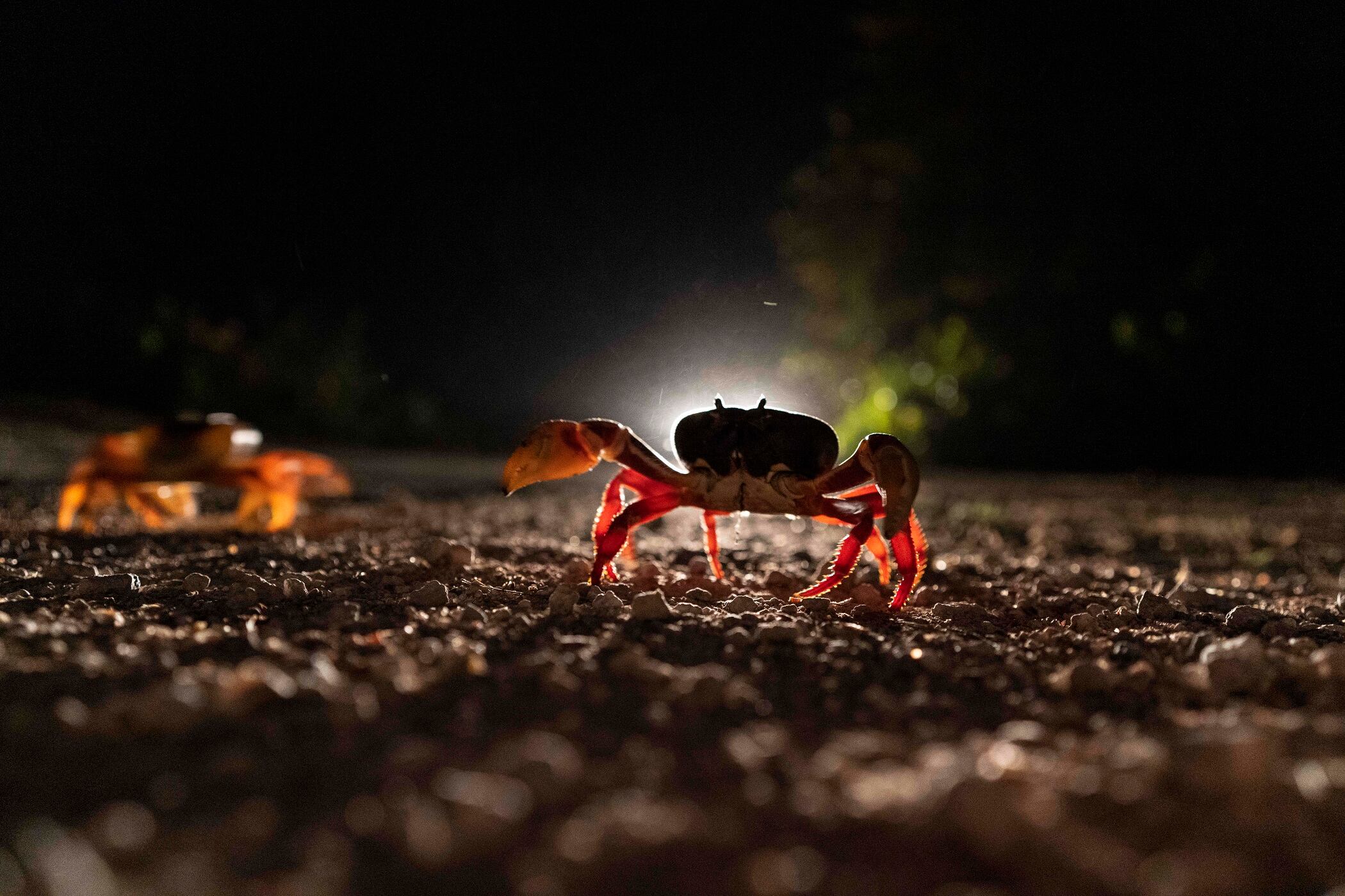
Every year in Cuba, millions of crabs emerge from the forest at the beginning of the spring rains and head for the waters of the Bay of Pigs, crossing streets and highways on a perilous journey to mate and reproduce.
Now underway, the migration causes concern to drivers who try to swerve in an often futile attempt not to kill the crustaceans. The crabs are a nuisance to residents but the sight of their road-crossing is a wonder for tourists and other first-time onlookers.
“They got here before us,” said Amaury Urra, a 50-year-old hiking guide who spent his entire life in this part of the Ciénega de Zapata, the largest wetland in the Caribbean, particularly picturesque for the backdrop of turquoise sea waters and the coastal cliffs. ″We’re used to this.″
“Where I live, which is in the center of the town of Girón, the crabs don’t get there as much,″ though there are plenty on the outskirts, he said.
Located about 180 kilometers (110 miles) southeast of Havana, the area was the scene of a 1961 failed invasion by Cuban exiles who signed up for a covertly CIA-funded operation to overthrow Fidel Castro.
This year, the crabs started their journey early. At the end of March, the municipal authorities issued a warning to drivers to avoid traveling in the morning and evening hours - the favorite crossing times for the crabs. Environmentalists usually demand the closure of the main road, especially at key migration times.
The passage of the red crustaceans — the species is called gecarcinus ruricola — could last until July. The largest amount of traffic occurs between April and May. Residents have to be careful: When the crabs feel threatened, they can puncture car tires with their pincers.
Official figures estimate that some 3.5 million crabs die each season on the road, many crushed by passing vehicles. They take a minute and a half to cross.
This type of crab lives and migrates in the Bahamas, Nicaragua, Jamaica and Dominica. But only here, and perhaps in another sector of the coast towards the neighboring province of Cienfuegos, does its path collide so dramatically with human traffic.
Thrive+ binds to the same brain receptors as alcohol to combat the negative effects of drinking, says CEO Brooks Powell, who started developing the pills during his sophomore year at Princeton.
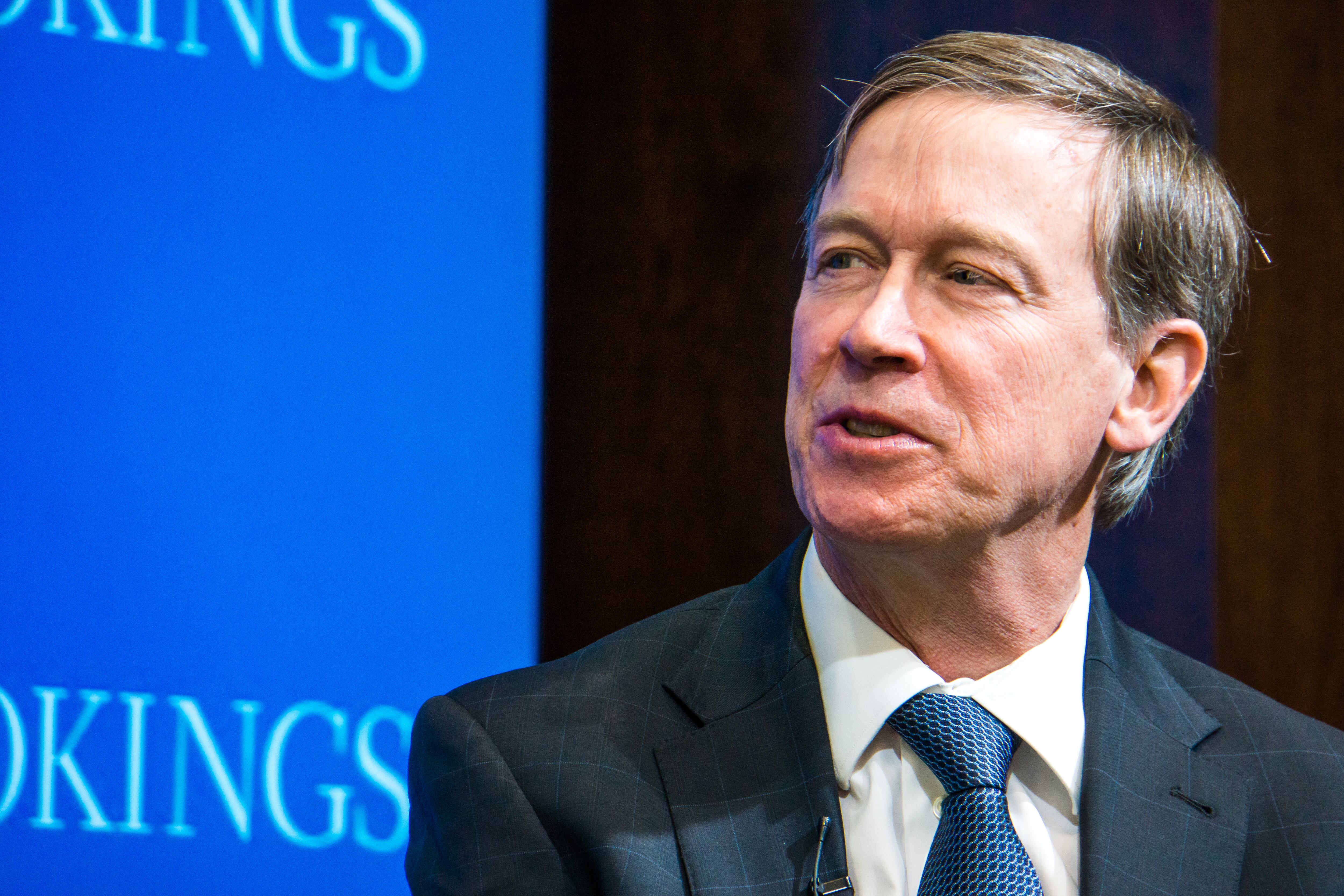
The Republican reiterated his cautious approach to legalization, despite momentum for more liberalization in a state with some of the most tolerant cannabis laws in the country.
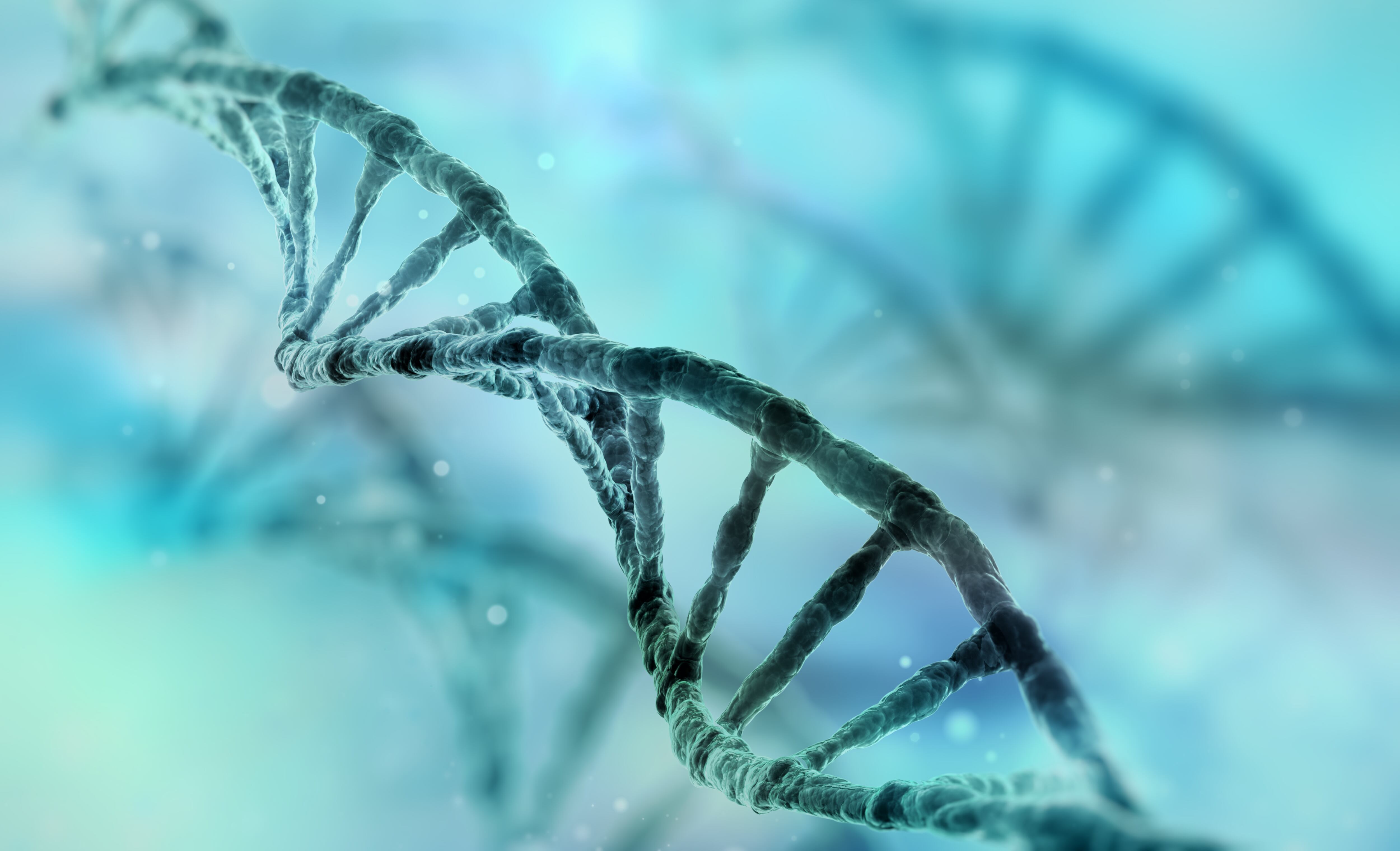
A data breach on MyHeritage impacted more than 90 million users. David Nicholson, Co-Founder and Managing Director of Living DNA breaks down what precautions companies take in order to protect your information.
DNA testing service MyHeritage reported a data breach that gave hackers access to email addresses and passwords of over 92 million users. While genetic information wasn't exposed, Rob Verger, Assistant Tech Editor at Popular Science, says the incident serves as a reminder that "almost anything is hackable."
The dental start-up, which sells custom teeth aligners online, opened its first brick-and-mortar store to reach more consumers, says co-founder and CEO Nick Greenfield.
The company, which makes a FitBit-style fertility sensor, announced it will use the fresh capital to fill gaps in the market. "Women's health and women's health research has been underfunded for the last decade," says co-founder Lea von Bidder.
More than 9 million tons of unrecycled plastic waste ends up in the ocean every year, according to Jenna Jambeck, an associate professor at the University of Georgia and a National Georgraphic explorer. In its June issue, the magazine is trying to shine a light on the serious problem with a "Planet or Plastic?" initiative.
Stocks kick off the week with a rally after Treasury Secretary Steven Mnuchin said the prospect of a trade war was "on hold" following an agreement to suspend tariff threats. Tesla CEO Elon Musk unveils details of the souped-up Model 3. President Trump is going after the FBI. Fortnite is launching on Android phones this summer.
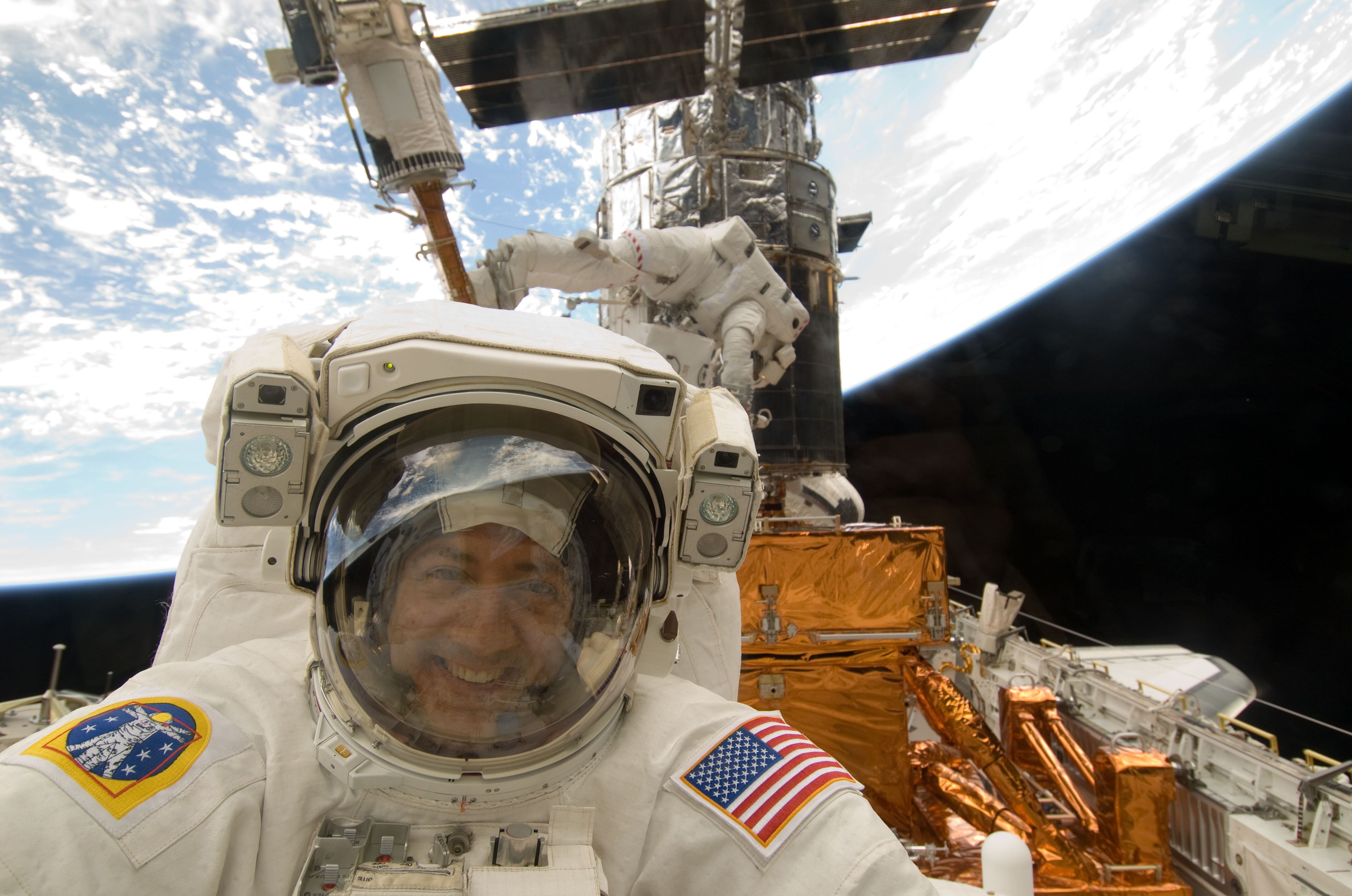
Mike Massimino, the former astronaut who became the first man to tweet from space during one of his two space flights, says companies like SpaceX, Virgin Galactic, and Blue Origin are "the best hope we have for a thriving space program."
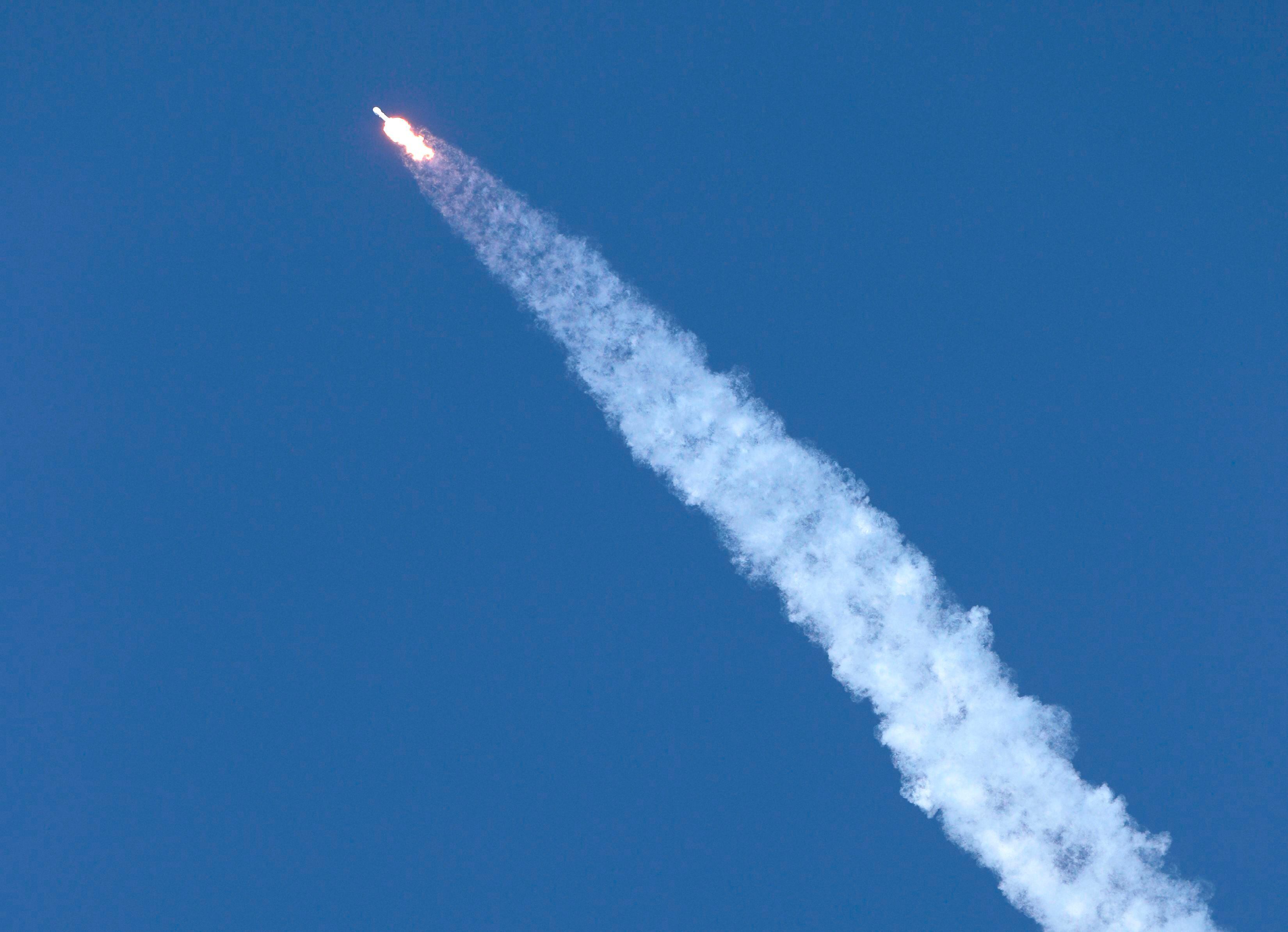
The Falcon 9 'Block 5', which theoretically can be reused 100 times without much maintenance, took off Friday afternoon from the Kennedy Space Center in Florida. The rocket carried a communications satellite into orbit for Bangladesh and then successfully landed back on a platform in the Atlantic.