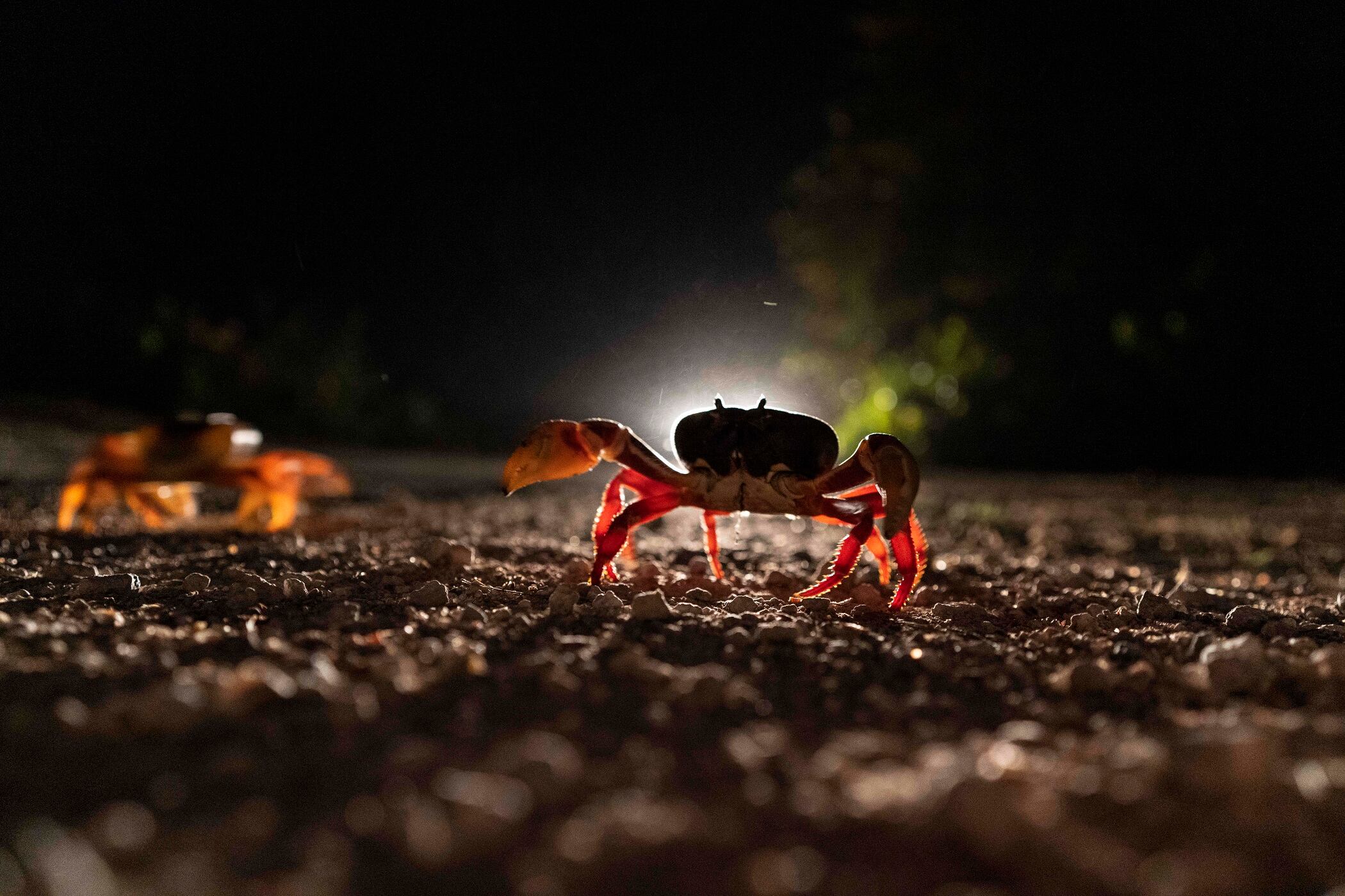
Every year in Cuba, millions of crabs emerge from the forest at the beginning of the spring rains and head for the waters of the Bay of Pigs, crossing streets and highways on a perilous journey to mate and reproduce.
Now underway, the migration causes concern to drivers who try to swerve in an often futile attempt not to kill the crustaceans. The crabs are a nuisance to residents but the sight of their road-crossing is a wonder for tourists and other first-time onlookers.
“They got here before us,” said Amaury Urra, a 50-year-old hiking guide who spent his entire life in this part of the Ciénega de Zapata, the largest wetland in the Caribbean, particularly picturesque for the backdrop of turquoise sea waters and the coastal cliffs. ″We’re used to this.″
“Where I live, which is in the center of the town of Girón, the crabs don’t get there as much,″ though there are plenty on the outskirts, he said.
Located about 180 kilometers (110 miles) southeast of Havana, the area was the scene of a 1961 failed invasion by Cuban exiles who signed up for a covertly CIA-funded operation to overthrow Fidel Castro.
This year, the crabs started their journey early. At the end of March, the municipal authorities issued a warning to drivers to avoid traveling in the morning and evening hours - the favorite crossing times for the crabs. Environmentalists usually demand the closure of the main road, especially at key migration times.
The passage of the red crustaceans — the species is called gecarcinus ruricola — could last until July. The largest amount of traffic occurs between April and May. Residents have to be careful: When the crabs feel threatened, they can puncture car tires with their pincers.
Official figures estimate that some 3.5 million crabs die each season on the road, many crushed by passing vehicles. They take a minute and a half to cross.
This type of crab lives and migrates in the Bahamas, Nicaragua, Jamaica and Dominica. But only here, and perhaps in another sector of the coast towards the neighboring province of Cienfuegos, does its path collide so dramatically with human traffic.
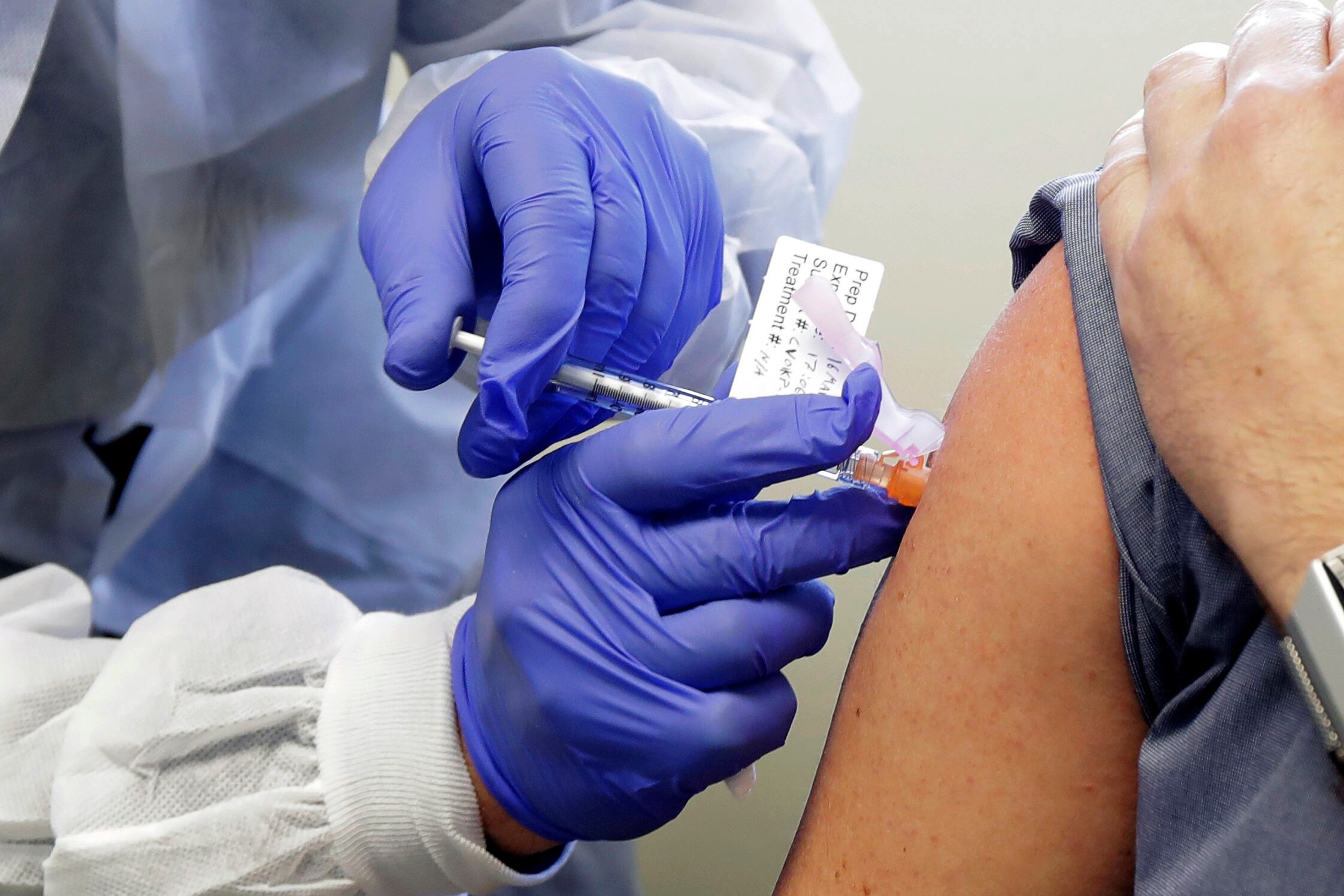
Early-stage testing showed the first COVID-19 vaccine tested in the U.S. revved up people’s immune systems the way scientists had hoped.
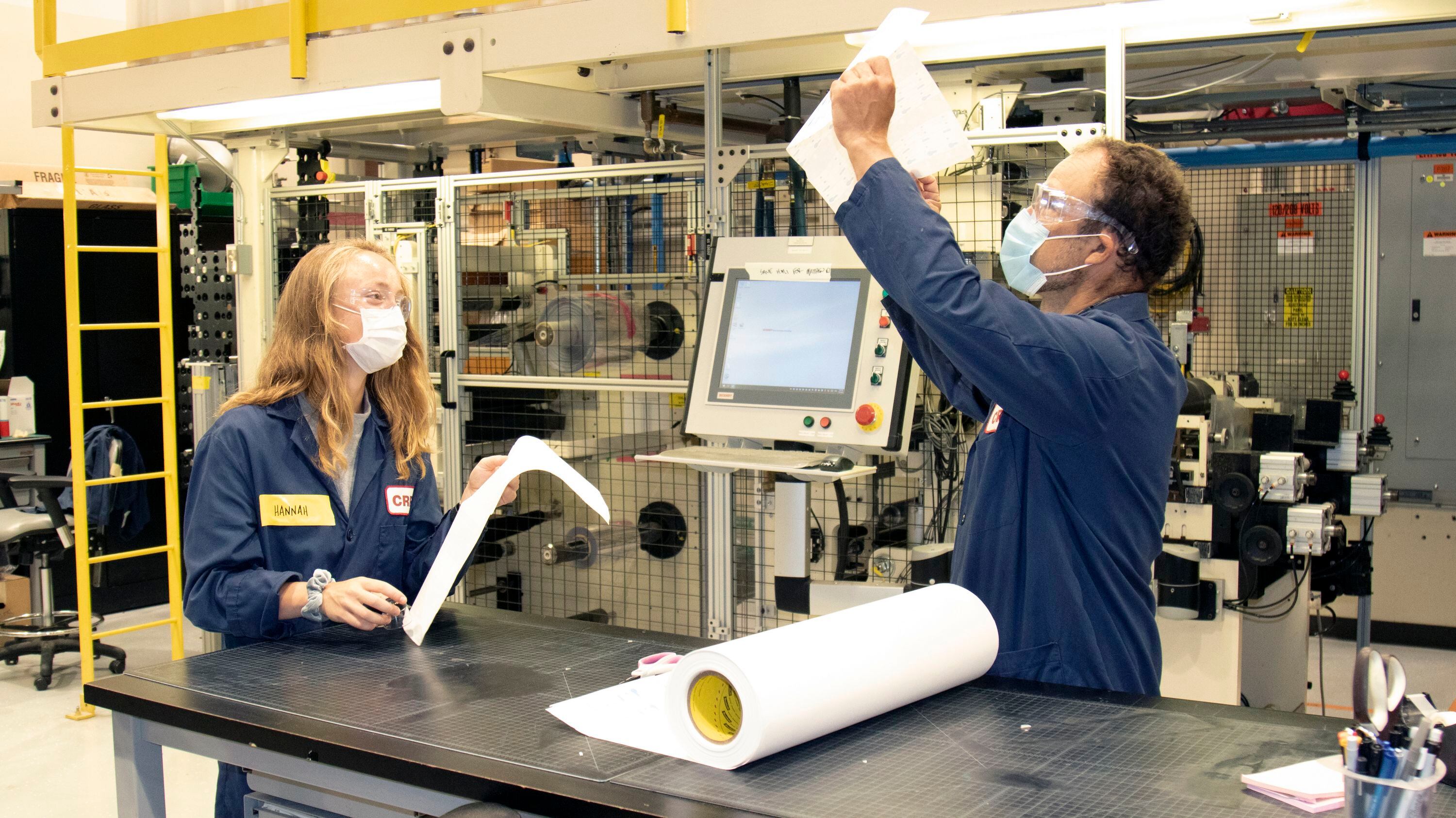
In partnership with MIT, 3M is in the early stages of developing a rapid COVID-19 test. Dr. John Banovetz, chief technology officer at 3M, said the est would yield results in 15 minutes.
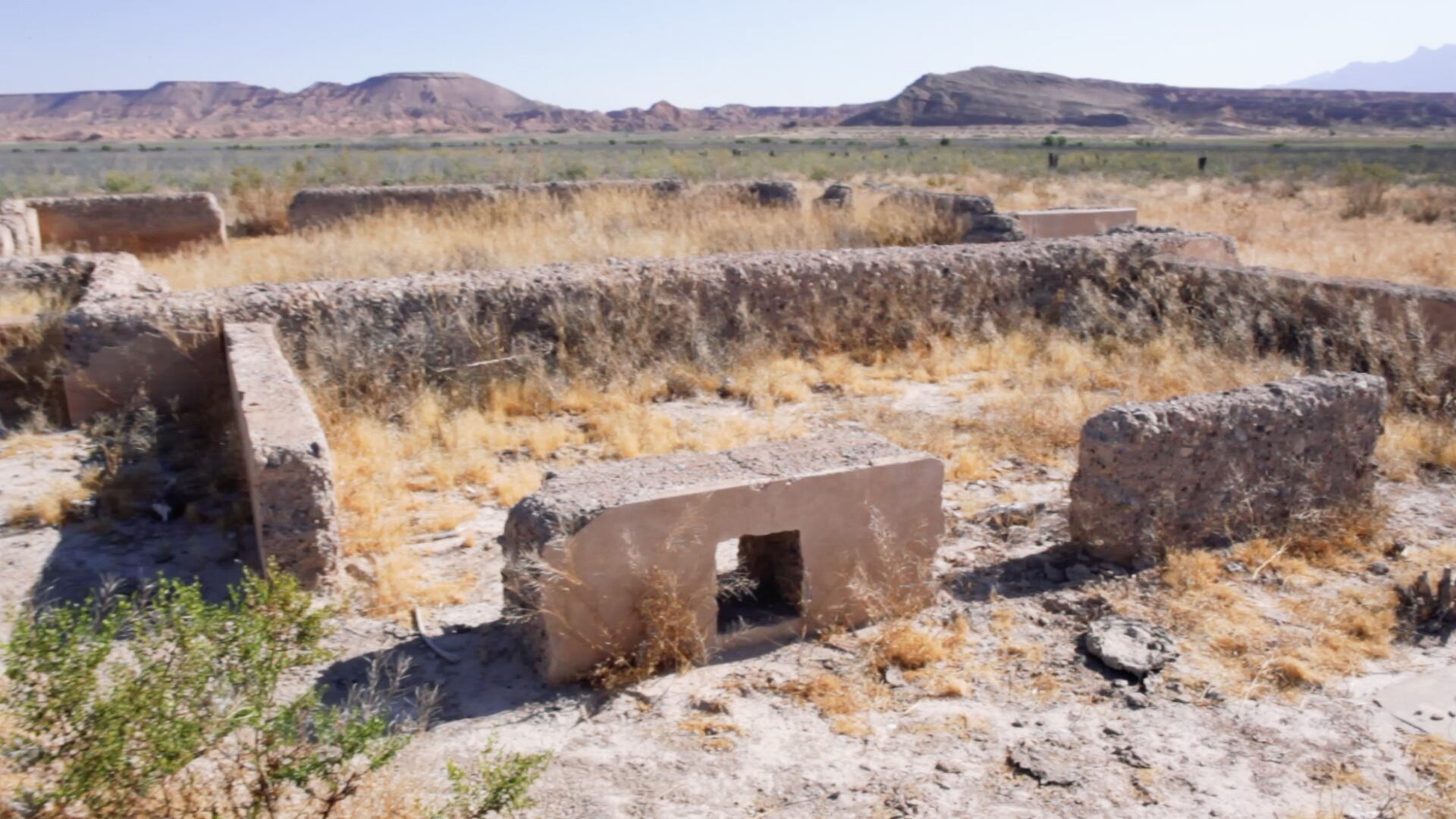
Millions of people thrive in the American West’s deserts today, but not every is thriving. You’ve probably heard of droughts and wildfires in California, of groundwater drying up in Arizona, and of entire communities, like those on the Navajo Nation, that have been left without running water. The region is finally coming to terms with decades of infrastructure projects, coupled with using more water than nature can provide, as the threat of climate change moves in. Cheddar explains why the American West is running out of water.
Joe Biden released a plan Tuesday aimed at combating climate change and spurring economic growth in part by overhauling America’s energy industry.
Burger King has rebalanced the diet of some of the cows by adding lemon grass in a bid to limit bovine contributions to climate change.
Hope is set to reach Mars in February 2021, the year the UAE celebrates 50 years since its formation. Two other Mars missions are planned in coming days by the U.S. and China.
California Gov. Gavin Newsom has extended the closure of bars and indoor dining statewide and has ordered gyms, churches and hair salons closed in most places as coronavirus cases keep rising.
The United States is grappling with the worst coronavirus outbreak in the world, as Florida shattered the national record for a state’s largest single-day increase in new confirmed cases with a reported 15,299.
As the NBA gears up to resume gameplay in Orlando, Dr. Priya Sampathkumar, consultant of infectious diseases at the Mayo Clinic, said the league could be a model for other sports and businesses to return to operations as we fight against coronavirus.
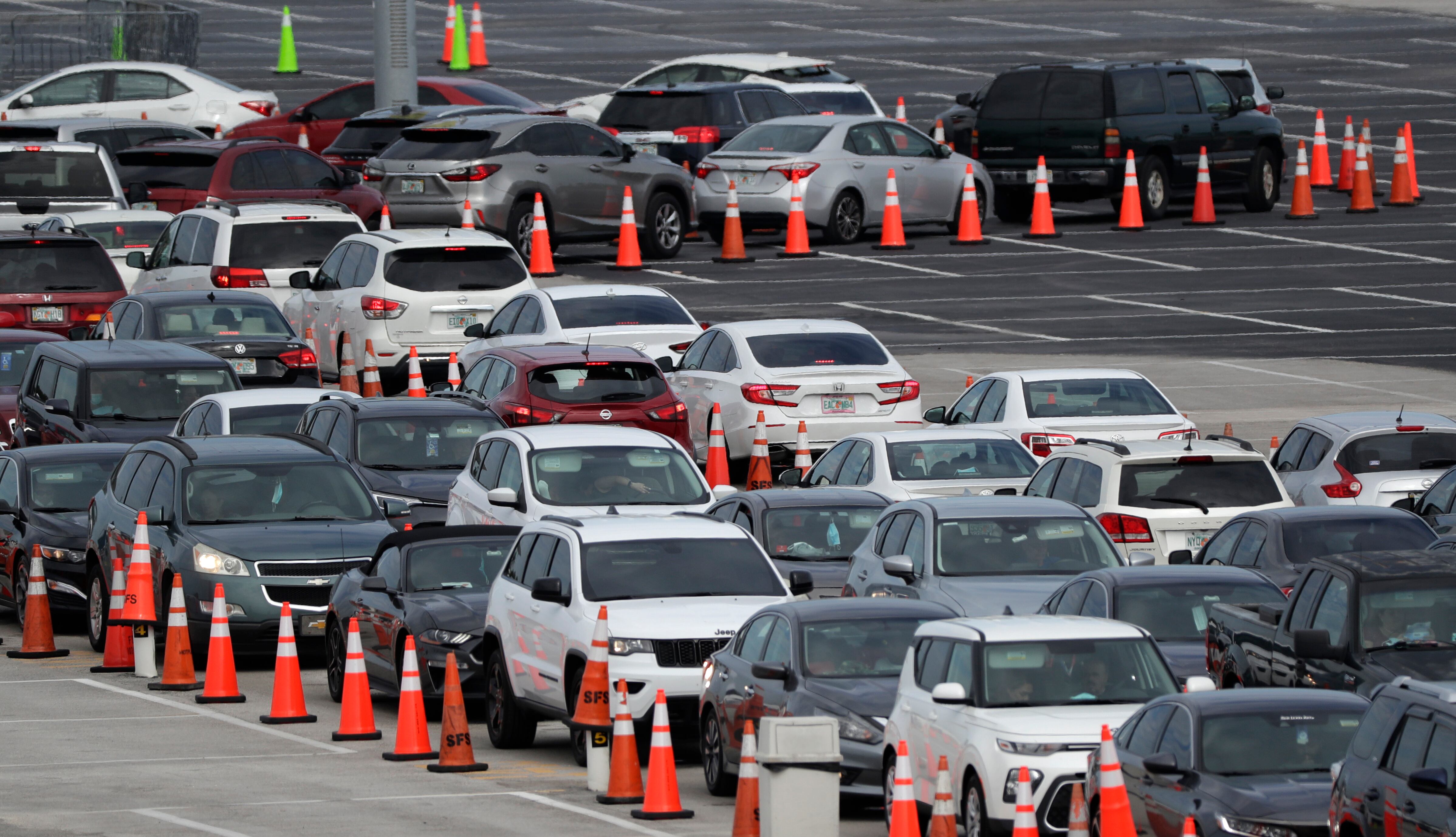
Four months, three million confirmed infections and over 130,000 deaths into the U.S. coronavirus outbreak, Americans are facing long lines at testing sites and going a week or more without receiving a diagnosis.