While reports of COVID-19 outbreaks have shut down factories or disrupted supply chains for the traditional meat industry, plant-based meat company Impossible Foods has found itself expanding its reach -- this time through a new partnership with Starbucks.
The coffee chain announced this week it will be featuring the Impossible Breakfast Sandwich on its summer menu.
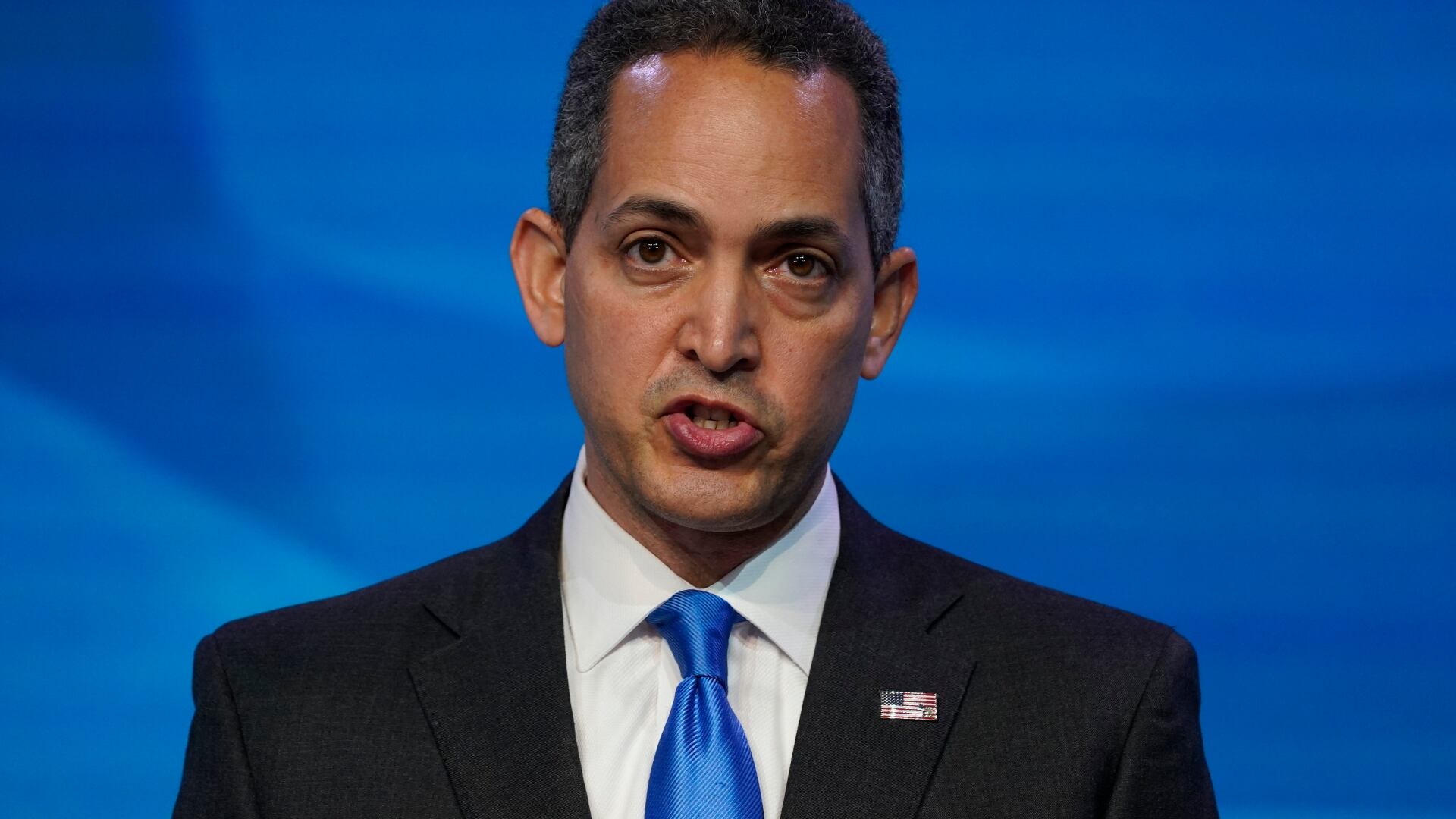
"Something like one-third of all the 18- to 29-year-olds in the country hit a Starbucks at least once a quarter," David Lee, Impossible Foods' chief financial officer, told Cheddar. "And so for us to be available in this way, to have nearly 20,000 locations serve our Impossible Sausage products, is a wonderful milestone for us."
Lee explained that Impossible's co-manufacturing partnerships, such as the one it shares with food supplier OSI Group, provides enough scalability to supply the market for its meat alternatives.
"It means that we can meet the large demand we expect from Starbucks, Burger King, many other partners, but also a really rapid rollout in grocery stores, which we began to speed up sometime around March or so this year," he said.
The CFO was also confident the company was addressing challenges from the coronavirus pandemic by selling Impossible Burgers that can be delivered straight to customers' homes. He reported that grocery sales of its products had grown 30 times over since March when most stay-at-home orders began, in addition to the orders made directly to Impossible.
"The theme has been scaling to meet unprecedented demand. As a result we feel relatively well-prepared to handle how this current pandemic has changed the way meat-eaters like to get their meat," he said. "We're seeing folks order it directly from us to be shipped to their home, which is why we created our direct-to-consumer business."
Still, Impossible Foods has had to weather the pandemic like many other businesses, including the meatpacking industry. According to Lee, however, the stark differences in the businesses give plant-based meat an advantage.
"Unlike many of those unfortunate meat plants, we bypass a lot of the problems they face," he noted. "We don't grow animals, slaughter them, transport them, process them, so we don't have the same challenging conditions the meat industry faces."
Lee also agreed with Impossible Foods founder and CEO Pat Brown, who predicted on Tuesday that the meat industry will be facing its own extinction in just 15 years.
"I believe in the meat-eater," Lee said. "We meat-eaters are pretty sophisticated. You give us a better product that hits the spot, that's better for our health, that's better for the world -- we vote with our stomachs."
"I think the consumer will determine the future and will determine it pretty quickly."
In March, Impossible raised $500 million in Series F funding but despite the aggressive scaling and partnerships Lee described, he said there are no current plans to join fellow plant-based meat company, Beyond, as a public company.
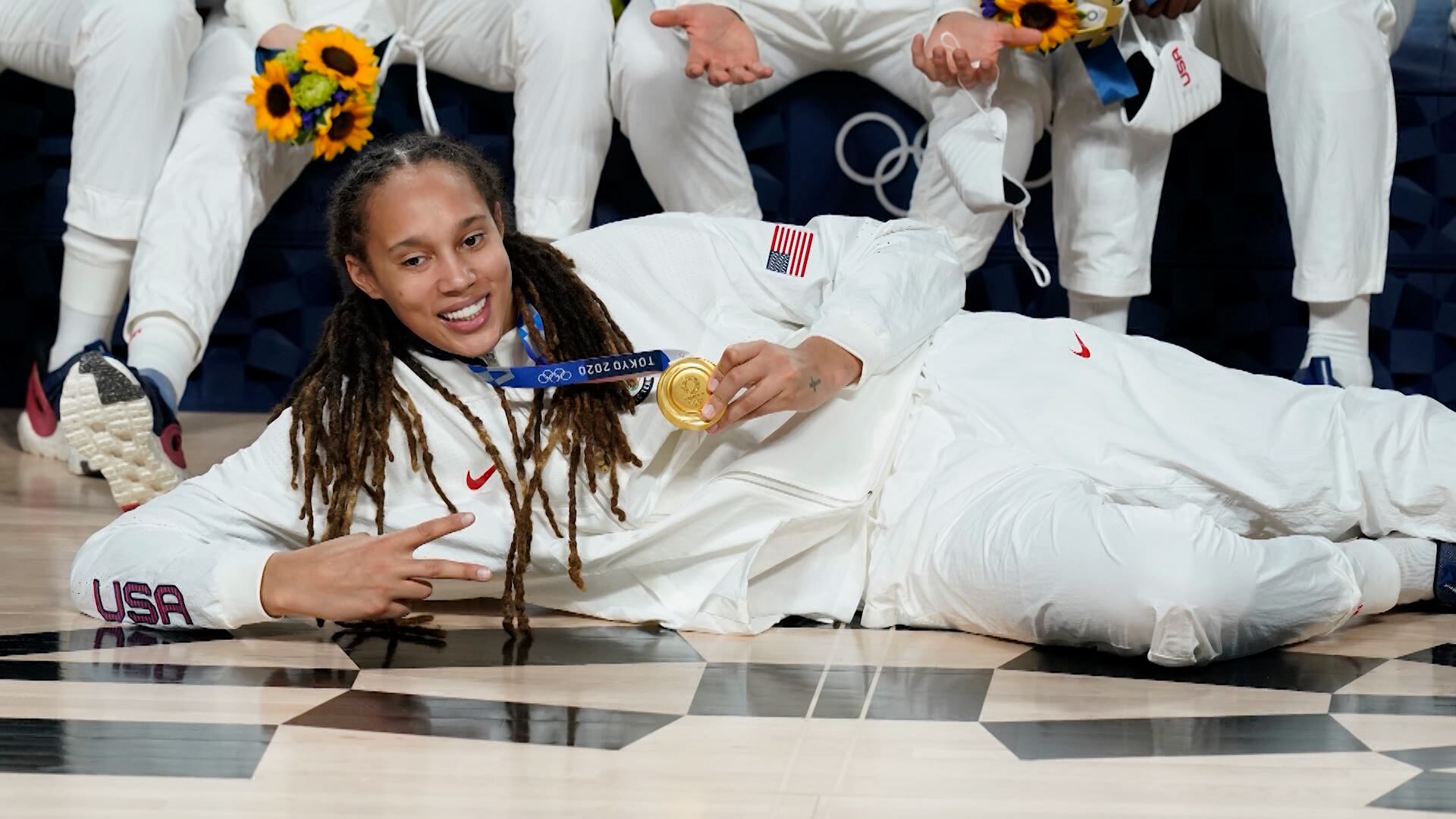
It's been an eventful past few weeks for the WNBA. One of the league's top players, Brittney Griner, remains in Russian custody after being detained at an airport last month. The league is also dealing with a scandal after fining a team for providing charter flights to their players. Emily Caron, sports business reporter for Sportico, joined Cheddar News' Closing Bell to discuss.
Most employed women believe they deserve a pay increase, and they believe the Great Resignation can help give them leverage and room to bargain with management. Stephanie Heath, Founder of SoulWork, says they're right, and should use today's unique labor market as just one of their many talking points when discussing compensation with management. Heath joins Closing Bell to discuss best practices for negotiating a bigger paycheck, how to use the tight labor market to your advantage during a job hunt, and more.
Jarrod Loadholt, Partner at Ice Miller, joins Cheddar News' Closing Bell, where he calls President Biden's executive order on digital assets a 'home run' and explains the ways it benefits the greater cryptocurrency market.
Auction-based advertising infrastructure startup Topsort
raised $8 million in a seed funding round. Topsort says companies like Google and Amazon have been making huge profits from auction-based advertising for decades, but that the technology is complicated, exclusive, and hard to build. The company is trying to be a solution, by offering an auction-based advertising API to smaller retailers and marketplaces. Regina Ye, CEO and co-founder of Topsort, joins Cheddar News' Closing Bell to discuss.
Lance Ippolito, Head Trader at Future of Wealth, joins Cheddar News' Closing Bell, where he says the President's executive order on crypto is a step in the right direction even though investor sentiment cooled off on Thursday.
After a week of headlines that ranged from a potential criminal investigation by the Justice Department to a 20 for 1 stock split, Michael Pachter, the managing director of equity research at Wedbush Securities, joined Cheddar News to shake out what wild week means for the tech giant and what he thinks is behind possible government antipathy towards the company. "If you look at Amazon, Capitol Hill hates them," he said. "And maybe it's just because Bezos looks like Dr. Evil, but I think part of it is that a lot of constituents of these legislators just don't whine at Congress, 'leave my company alone,' the way they do with Disney or Microsoft."
The ongoing semiconductor chip shortage has been impacting everything from the purchase of cars to smartphones. Deputy Commerce Secretary Don Graves spoke with Cheddar about the Biden administration's efforts to combat the issue and if the current crisis in Ukraine will have any impact on the global supply chain problems for semiconductors. "We're working very closely with all of our partners and allies around the globe, just as we have on the export controls and sanctions that we've applied to Russia to deal with that needless aggression," he said. "We're also working with them on the challenges of raw materials for a range of industries, including the semiconductor industry. We believe that we are going to be able to meet the demand for the for the near term."
From Wall Street to Silicon Valley, these are the top stories that moved markets and had investors, business leaders, and entrepreneurs talking this week on Cheddar.
Deputy Commerce Secretary Don Graves spoke to Cheddar's Alex Vuocolo about the ongoing semiconductor shortages and the push from the Biden administration to cover the supply chain problem as well as look ahead to future-proofing it.