While reports of COVID-19 outbreaks have shut down factories or disrupted supply chains for the traditional meat industry, plant-based meat company Impossible Foods has found itself expanding its reach -- this time through a new partnership with Starbucks.
The coffee chain announced this week it will be featuring the Impossible Breakfast Sandwich on its summer menu.
"Something like one-third of all the 18- to 29-year-olds in the country hit a Starbucks at least once a quarter," David Lee, Impossible Foods' chief financial officer, told Cheddar. "And so for us to be available in this way, to have nearly 20,000 locations serve our Impossible Sausage products, is a wonderful milestone for us."
Lee explained that Impossible's co-manufacturing partnerships, such as the one it shares with food supplier OSI Group, provides enough scalability to supply the market for its meat alternatives.
"It means that we can meet the large demand we expect from Starbucks, Burger King, many other partners, but also a really rapid rollout in grocery stores, which we began to speed up sometime around March or so this year," he said.
The CFO was also confident the company was addressing challenges from the coronavirus pandemic by selling Impossible Burgers that can be delivered straight to customers' homes. He reported that grocery sales of its products had grown 30 times over since March when most stay-at-home orders began, in addition to the orders made directly to Impossible.
"The theme has been scaling to meet unprecedented demand. As a result we feel relatively well-prepared to handle how this current pandemic has changed the way meat-eaters like to get their meat," he said. "We're seeing folks order it directly from us to be shipped to their home, which is why we created our direct-to-consumer business."
Still, Impossible Foods has had to weather the pandemic like many other businesses, including the meatpacking industry. According to Lee, however, the stark differences in the businesses give plant-based meat an advantage.
"Unlike many of those unfortunate meat plants, we bypass a lot of the problems they face," he noted. "We don't grow animals, slaughter them, transport them, process them, so we don't have the same challenging conditions the meat industry faces."
Lee also agreed with Impossible Foods founder and CEO Pat Brown, who predicted on Tuesday that the meat industry will be facing its own extinction in just 15 years.
"I believe in the meat-eater," Lee said. "We meat-eaters are pretty sophisticated. You give us a better product that hits the spot, that's better for our health, that's better for the world -- we vote with our stomachs."
"I think the consumer will determine the future and will determine it pretty quickly."
In March, Impossible raised $500 million in Series F funding but despite the aggressive scaling and partnerships Lee described, he said there are no current plans to join fellow plant-based meat company, Beyond, as a public company.
Two years after the pandemic began, vaccines are widespread, but COVID-19 treatments aren't as plentiful. RedHill Biopharma is working to change that with its easy-to-take coronavirus treatments — which come in pill form and treat cases ranging from mild to severe. Guy Goldberg, Chief Business Officer at RedHill Biopharma, joins Closing Bell to discuss the company's two COVID-19 treatments in trial, pricing once the drugs are widely available, the company's latest earnings results, and more.
Christopher Wolfe, CIO at First Republic Private Wealth Management, joins Cheddar News' Closing Bell, where he says he is surprised that the first quarter was the first down period in a long time, but adds that the second quarter could be difficult with a lot of volatility expected.
Jeffrey Small, President of Arbor Financial, joins Chedar News' Closing Bell, where he breaks down why stocks closed near session lows on Wednesday and tells viewers what to expect ahead of next earnings season.
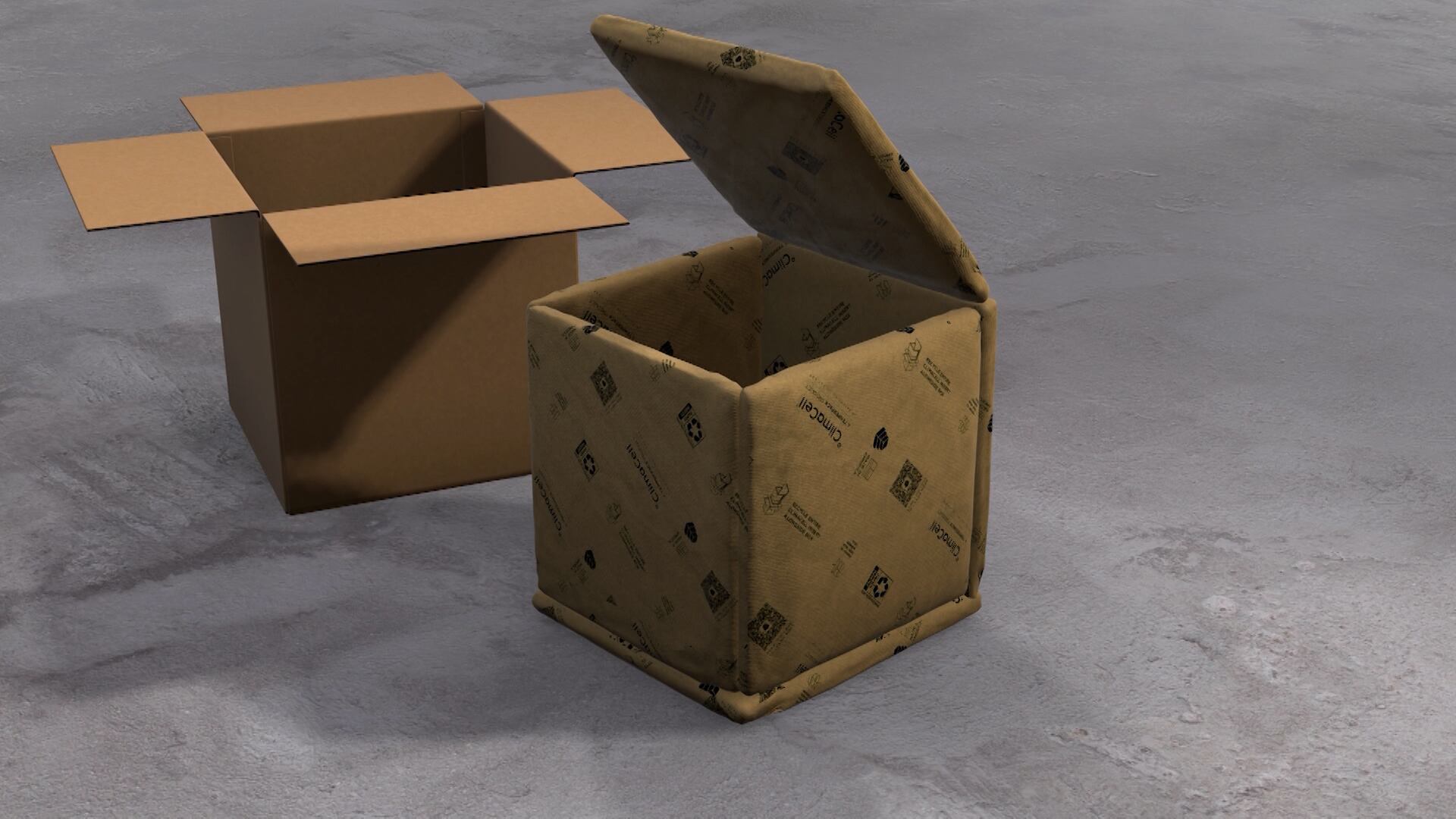
Almost every industry now uses online shopping and ordering, but some products require a different packing material, and many times, shipping products can be wasteful. TemperPack aims to solve both issues with its ClimaCell liners, which you might recognize if you have ever ordered a meal subscription kit. Brian Powers, co-founder and Chief Growth Officer at TemperPack, joins Closing Bell to discuss TemperPack's ClimaCell liners, the company's sustainability mission, its corporate customer base, and more.
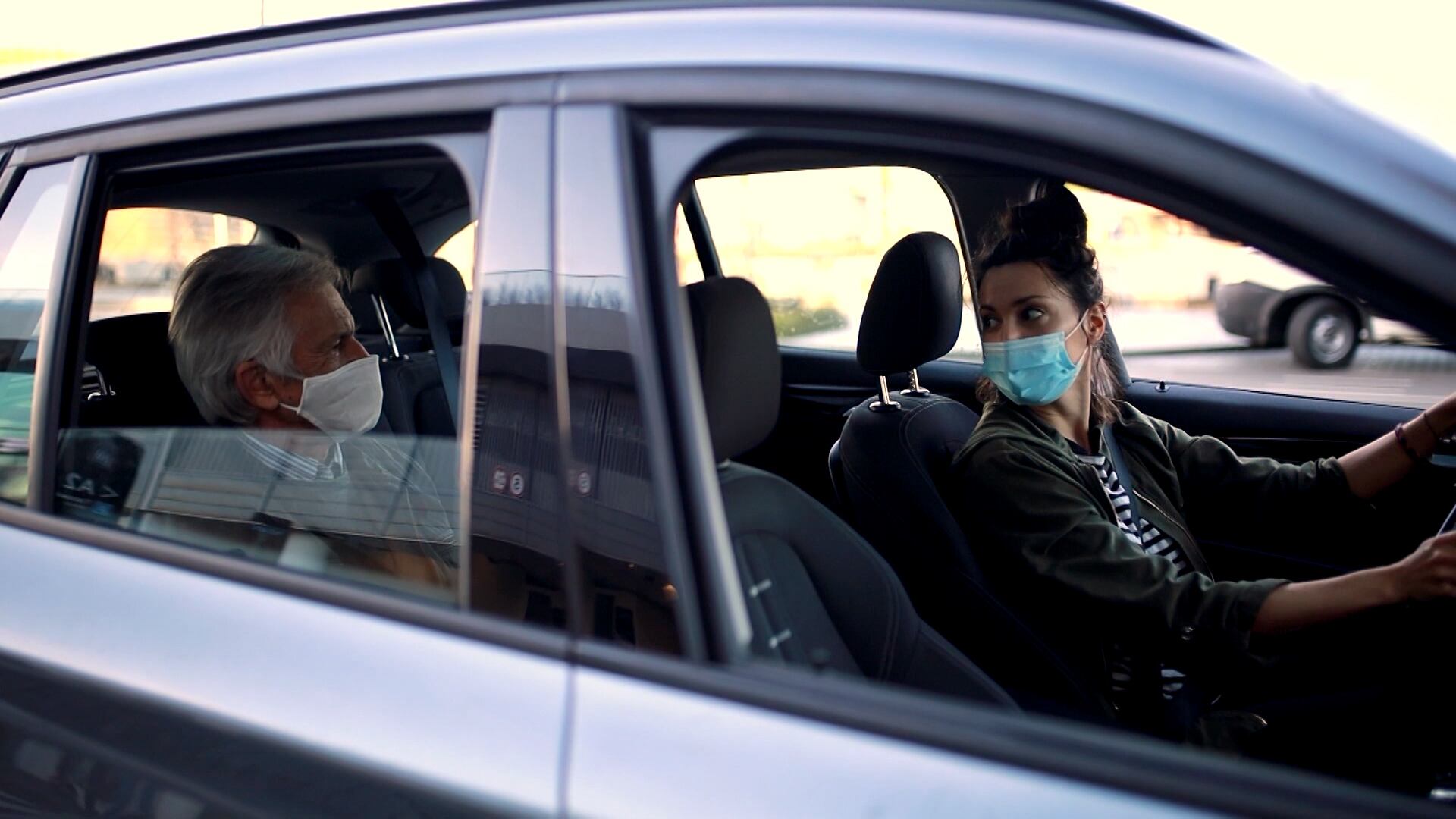
Uber and Lyft drivers are cruising in Washington State, the first U.S. state to set an earnings standard for drivers for the ride-hailing companies. Governor Jay Inslee signed the new minimum pay standard into law Thursday, which also gives drivers access to perks like paid sick time and family medical leave. John Logan, Director of Labor and Employment Studies at San Francisco State University, joins Cheddar News' Closing Bell to discuss.
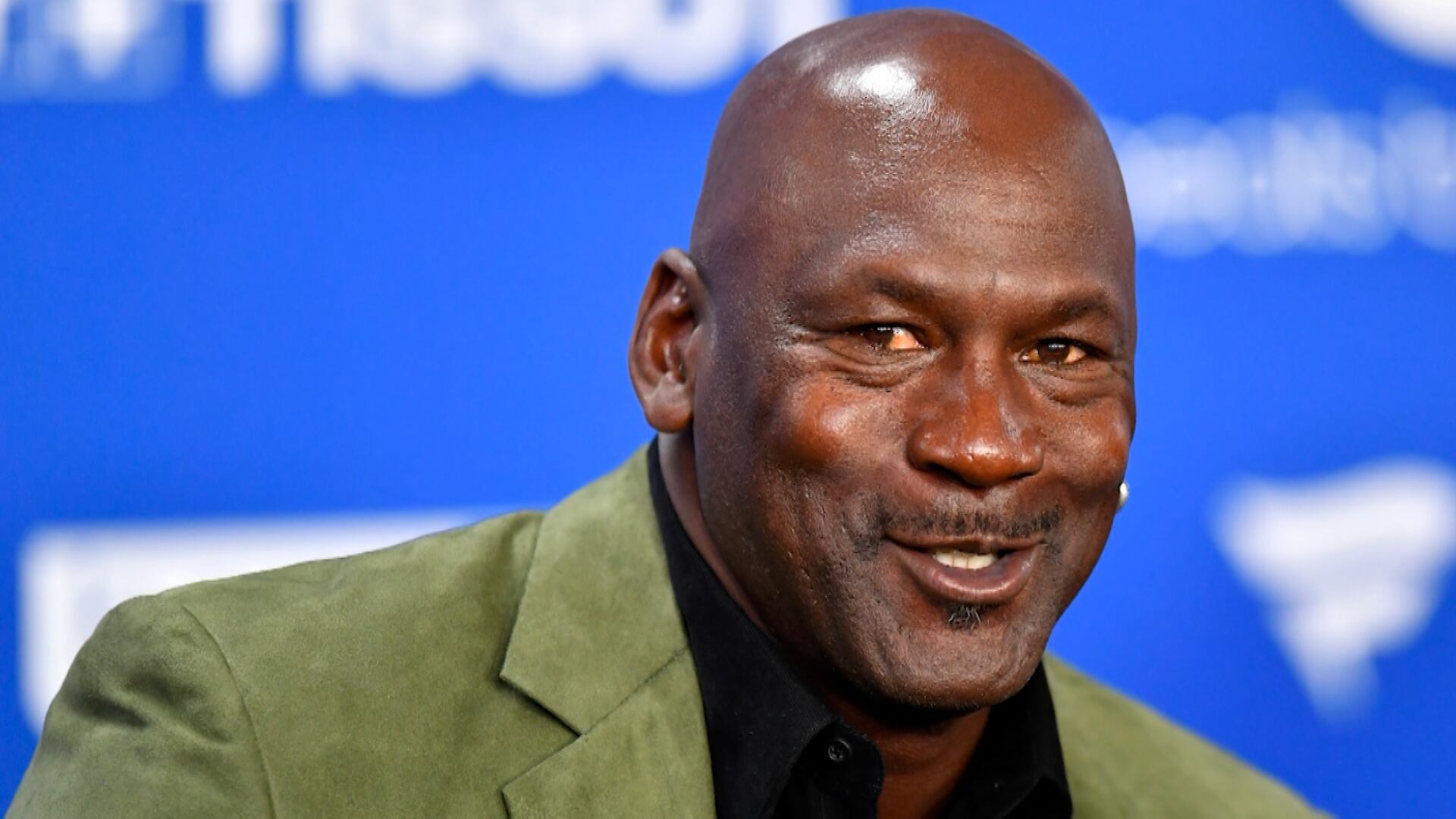
Carsten Koerl, CEO of Sportradar, joins Cheddar News' Closing Bell, where he explains how his company is bolstering the platforms of sports betting and streaming networks, and discusses basketball legend and Sportradar investor Michael Jordan's role in helping the company grow.
A new NFT network claims it is disrupting the art market, and is doing so by following in the footsteps of art legends Andy Warhol and Jean-Michel Basquiat. Tripsters says it is creating a new and revolutionary concept in the NFT space, by allowing users to combine two NFTs in order to create a new third NFT. Tripsters says the feature will be compatible with multiple NFT collections in the future, but the first Tripsters' airdrop will be compatible with the Bored Ape Yacht Club collection. Jayson Winer, co-founder of Tripsters, and Oskar Kowalski, a senior advisor for the startup, join Cheddar News' Closing Bell to discuss.
Dimitri Dadiomov, CEO and Co-Founder of Modern Treasury, joins Cheddar News' Closing Bell, where he elaborates on how his firm plans to deploy its latest dose of funding and how Modern Treasury is working with banking giants like JPMorgan and Citi to help businesses move money more confidently.
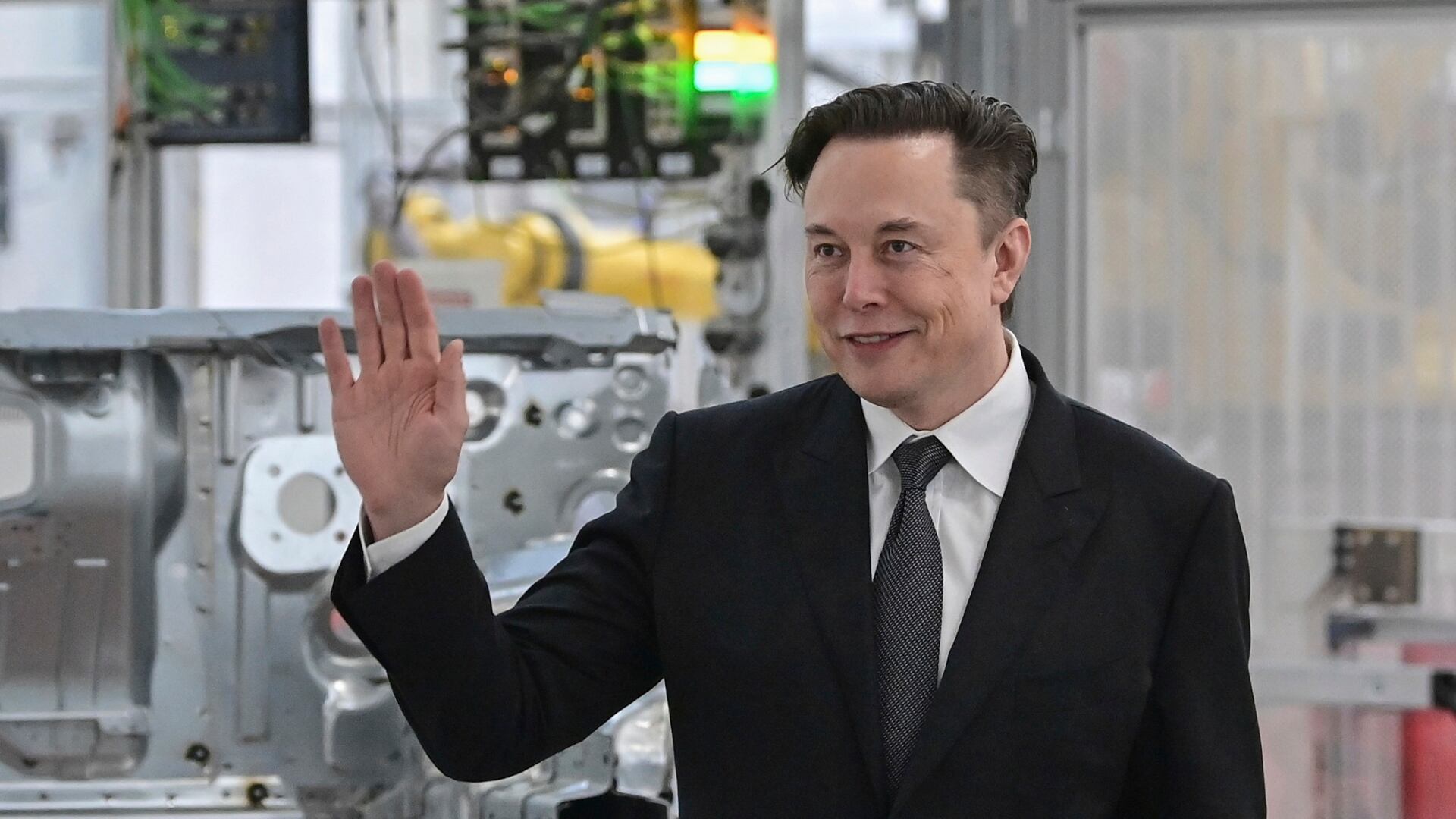
Just a week after talks of him starting his own social media platform, Tesla CEO Elon Musk purchased a 9.2 percent stake in Twitter. The stock by resulted in a price surge for both Twitter and Tesla stocks, but questions are swirling about how much of an active stake this will be for the controversial figure who's had a fraught relationship with the platform over the years. Dan Ives, the managing director of equity research at Wedbush, joined Cheddar News to discuss. "I think this is a start of what's gonna really be a soap opera with Musk, either getting on the board or forcing significant strategic changes at Twitter," he noted.