While reports of COVID-19 outbreaks have shut down factories or disrupted supply chains for the traditional meat industry, plant-based meat company Impossible Foods has found itself expanding its reach -- this time through a new partnership with Starbucks.
The coffee chain announced this week it will be featuring the Impossible Breakfast Sandwich on its summer menu.
"Something like one-third of all the 18- to 29-year-olds in the country hit a Starbucks at least once a quarter," David Lee, Impossible Foods' chief financial officer, told Cheddar. "And so for us to be available in this way, to have nearly 20,000 locations serve our Impossible Sausage products, is a wonderful milestone for us."
Lee explained that Impossible's co-manufacturing partnerships, such as the one it shares with food supplier OSI Group, provides enough scalability to supply the market for its meat alternatives.
"It means that we can meet the large demand we expect from Starbucks, Burger King, many other partners, but also a really rapid rollout in grocery stores, which we began to speed up sometime around March or so this year," he said.
The CFO was also confident the company was addressing challenges from the coronavirus pandemic by selling Impossible Burgers that can be delivered straight to customers' homes. He reported that grocery sales of its products had grown 30 times over since March when most stay-at-home orders began, in addition to the orders made directly to Impossible.
"The theme has been scaling to meet unprecedented demand. As a result we feel relatively well-prepared to handle how this current pandemic has changed the way meat-eaters like to get their meat," he said. "We're seeing folks order it directly from us to be shipped to their home, which is why we created our direct-to-consumer business."
Still, Impossible Foods has had to weather the pandemic like many other businesses, including the meatpacking industry. According to Lee, however, the stark differences in the businesses give plant-based meat an advantage.
"Unlike many of those unfortunate meat plants, we bypass a lot of the problems they face," he noted. "We don't grow animals, slaughter them, transport them, process them, so we don't have the same challenging conditions the meat industry faces."
Lee also agreed with Impossible Foods founder and CEO Pat Brown, who predicted on Tuesday that the meat industry will be facing its own extinction in just 15 years.
"I believe in the meat-eater," Lee said. "We meat-eaters are pretty sophisticated. You give us a better product that hits the spot, that's better for our health, that's better for the world -- we vote with our stomachs."
"I think the consumer will determine the future and will determine it pretty quickly."
In March, Impossible raised $500 million in Series F funding but despite the aggressive scaling and partnerships Lee described, he said there are no current plans to join fellow plant-based meat company, Beyond, as a public company.
In the wake of Robinhood announcing it will be letting go of 9 percent of its staff, Caleb Silver, Investopedia editor-in-chief, joined Cheddar News to talk about the growing pains that the trading platform is going through, how it is affecting its user experience, and where it goes from here. “I think you're gonna see a little bit more automation, but that's how Robinhood was built," he said. "I think what you'll see is less marketing." Silver also noted that the steep drop in the stock price leaves it potentially open to being acquired. "I'm not saying that I know anything about this, but they're looking awful cheap. And when you think about what's going on with Twitter and some of these other platforms, you can see a buyer coming for Robinhood any minute now."
Stocks closed slightly higher Wednesday as the Nasdaq closed flat after a failed attempt to close higher. Investors are keeping an eye on earnings, which so far have been shaky for big tech giants and companies that typically drive the market. Garrett Phillips, Managing Partner at 3Summit Investment Management, joins Closing Bell to discuss today's close, our current volatile environment, where to invest in the current environment, and more.
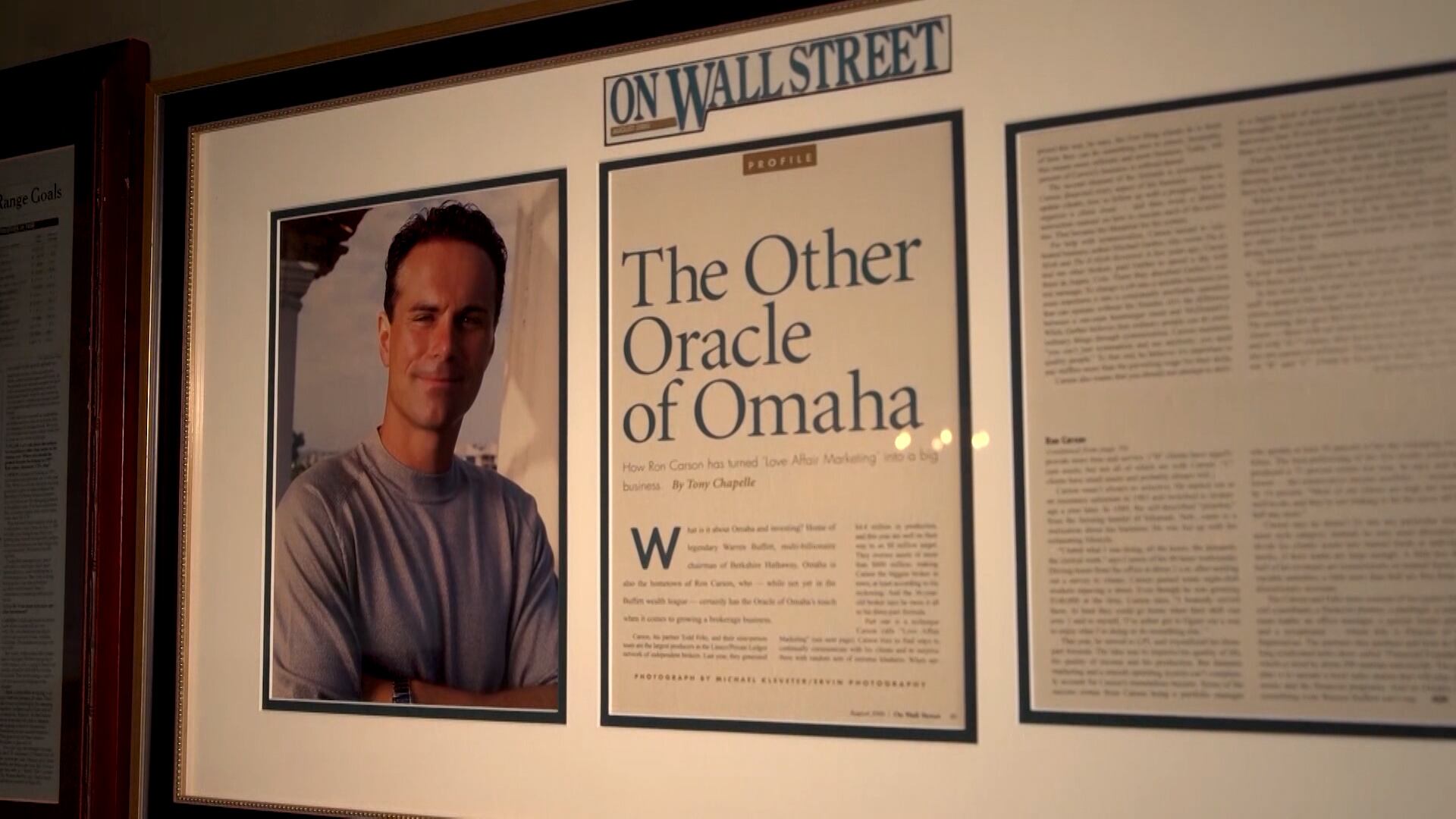
Ron Carson, CEO and Founder of Carson Wealth, sits down with Cheddar's Hena Doba to share how he achieved 'work-life harmony' by investing time and money into businesses he's passionate about.
Jan Lee, co-founder of Neighbors United Below Canal, joins Cheddar News to discuss how the new mega jail in NYC's Chinatown will negatively impact the community.
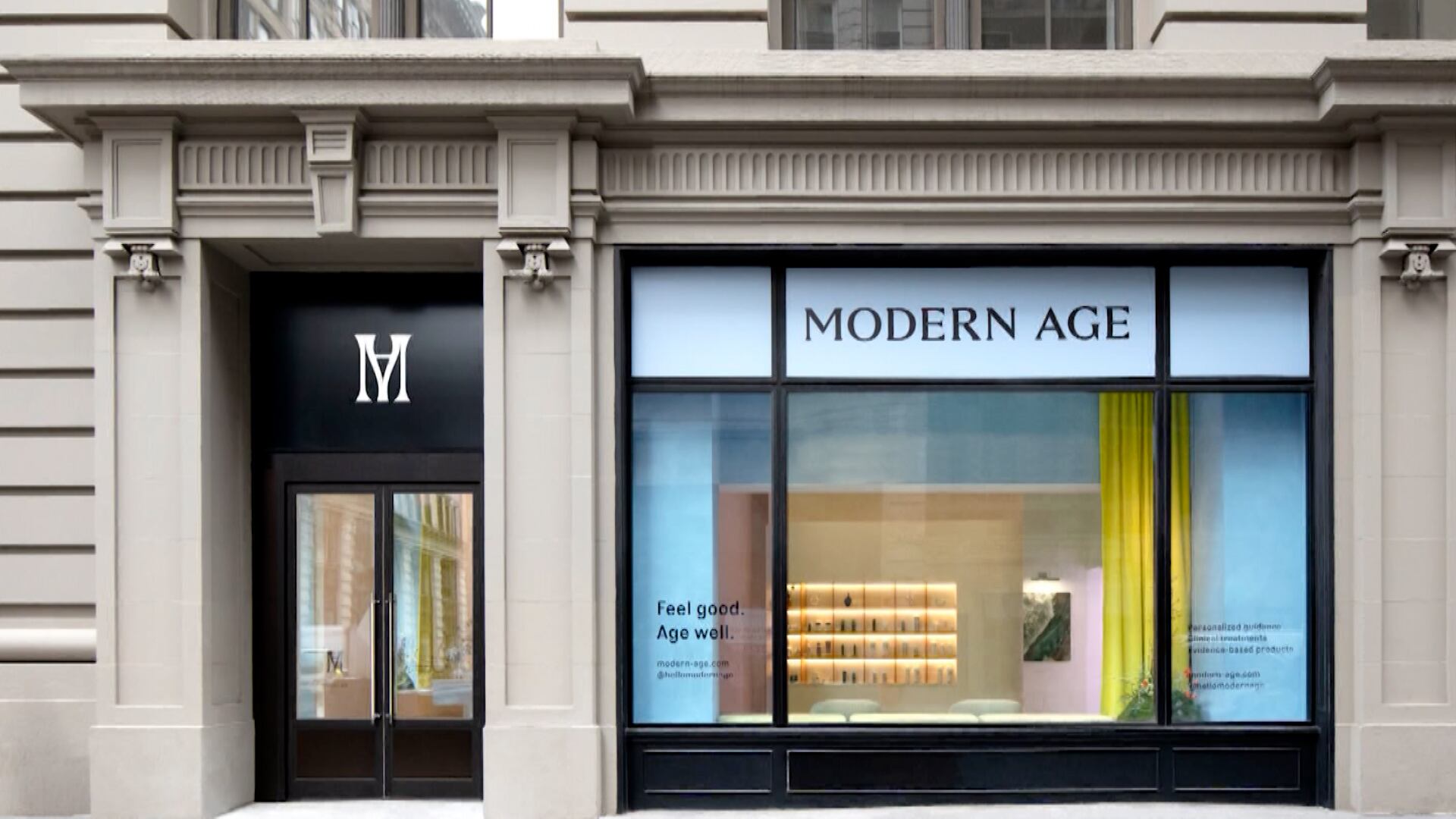
Melissa Eamer, founder and CEO of aging wellness brand Modern Age, joins Cheddar News to discuss the recent launch of its digital experience and flagship in New York City.
Danny Trejo is teaming up with Tostitos the once again for Cinco de Mayo. The actor and restaurateur is starring in the tortilla chip brand's commercial with Sofia Reyes to inspire others on how to celebrate the holiday. The "Machete" star joined Cheddar News to talk about the campaign. "I only do things I like, and I like Tostitos," he said. "You know, I love their Scoops. They don't break in the guacamole."
With National Infertility Awareness Week underway, the fertility and family-building benefits provider for employers, Kindbody, is looking to make a full suite of treatments and care accessible — including for LGBTQ+ patients. Founder and chairwoman Gina Bartasi joined Cheddar's Opening Bell to talk about the importance of infertility awareness, what role employers play in offering benefits, and how to remove the stigma around the fertility conversation. "We have to talk about the patient holistically, not just fertility services, but what can we do from a mental health standpoint to support patients," she said. "Most patients talk about fertility being more stressful than divorce, infertility being more prevalent than cancer or diabetes. So it is our mission, remains our mission, to elevate awareness around infertility, not just [during] National Infertility Awareness Week."
With a constrained supply of housing in the most desirable markets, home prices have risen nearly 20 percent year-over-year in February. David O’Reilly, CEO of Howard Hughes Corporation, joined Cheddar News to talk about where people are migrating to, and away from, leading to red hot real estate. "We see clearly the most demand is going into those states that I would define as warmer and less expensive, those secondary cities like Houston, Phoenix, and Las Vegas, where individuals are trading in higher traffic and lower quality of life for more affordability," he said. O'Reilly pointed to urban centers in the Northeast and West Coast as seeing the most losses in residents.
Social media giants including Twitter, Meta, Alphabet, and Pinterest all report earnings this week, and there's plenty to keep an eye on. One big earnings report to watch will be Twitter's, after the company today accepted Tesla CEO Elon Musk's $44 billion bid to take the company private. Investors will also be keeping an eye on ad revenue, user numbers, and more when it comes to Meta's social media networks like Facebook and Instagram. Ted Mortonson, technology strategist at Baird, joins Closing Bell to discuss Musk's Twitter takeover, how Apple's iOS privacy change could continue to impact ad revenue, and more.
Brian Moody, Executive Editor at Autotrader, joined Closing Bell's Ken Buffa to look ahead at what to expect from legacy automakers GM and Ford, as the auto industry attempts to navigate a combination of issues, including supply chain constraints and rising interest rates.