While reports of COVID-19 outbreaks have shut down factories or disrupted supply chains for the traditional meat industry, plant-based meat company Impossible Foods has found itself expanding its reach -- this time through a new partnership with Starbucks.

The coffee chain announced this week it will be featuring the Impossible Breakfast Sandwich on its summer menu.

"Something like one-third of all the 18- to 29-year-olds in the country hit a Starbucks at least once a quarter," David Lee, Impossible Foods' chief financial officer, told Cheddar. "And so for us to be available in this way, to have nearly 20,000 locations serve our Impossible Sausage products, is a wonderful milestone for us."

Lee explained that Impossible's co-manufacturing partnerships, such as the one it shares with food supplier OSI Group, provides enough scalability to supply the market for its meat alternatives.

"It means that we can meet the large demand we expect from Starbucks, Burger King, many other partners, but also a really rapid rollout in grocery stores, which we began to speed up sometime around March or so this year," he said.

The CFO was also confident the company was addressing challenges from the coronavirus pandemic by selling Impossible Burgers that can be delivered straight to customers' homes. He reported that grocery sales of its products had grown 30 times over since March when most stay-at-home orders began, in addition to the orders made directly to Impossible.

"The theme has been scaling to meet unprecedented demand. As a result we feel relatively well-prepared to handle how this current pandemic has changed the way meat-eaters like to get their meat," he said. "We're seeing folks order it directly from us to be shipped to their home, which is why we created our direct-to-consumer business."

Still, Impossible Foods has had to weather the pandemic like many other businesses, including the meatpacking industry. According to Lee, however, the stark differences in the businesses give plant-based meat an advantage.

"Unlike many of those unfortunate meat plants, we bypass a lot of the problems they face," he noted. "We don't grow animals, slaughter them, transport them, process them, so we don't have the same challenging conditions the meat industry faces."

Lee also agreed with Impossible Foods founder and CEO Pat Brown, who predicted on Tuesday that the meat industry will be facing its own extinction in just 15 years.

"I believe in the meat-eater," Lee said. "We meat-eaters are pretty sophisticated. You give us a better product that hits the spot, that's better for our health, that's better for the world -- we vote with our stomachs."

"I think the consumer will determine the future and will determine it pretty quickly."

In March, Impossible raised $500 million in Series F funding but despite the aggressive scaling and partnerships Lee described, he said there are no current plans to join fellow plant-based meat company, Beyond, as a public company.
Share:
More In Business
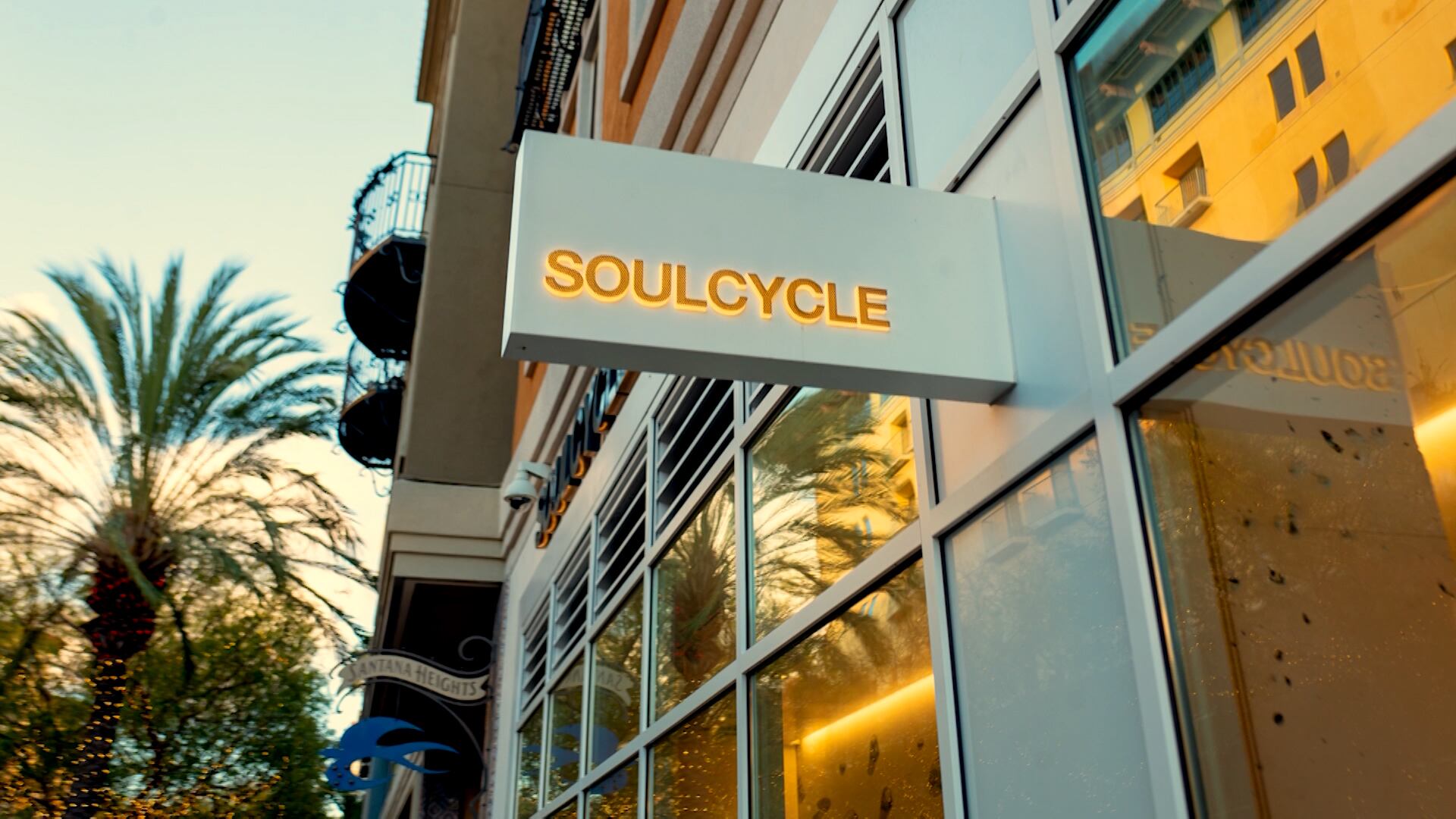
SoulCycle CEO Says Riders Are 'Coming Back in Full Force'
Evelyn Webster, CEO of SoulCycle, talked to Cheddar's Michelle Castillo about how the company, known for its beloved spin classes, has evolved during the pandemic. It now offers stationary bikes for at-home workouts, similar to Peloton, but as restrictions lift, the chain is seeing riders come back in "full force." Webster says that has been a boon as people realized that they want flexibility in their workout options. "I think we'll continue to see consumers, riders, want a blended fitness and well-being experience at their own convenience, and that's why this multi-channel strategy is such an important pillar of SoulCycle's growth strategy."
Growth in the Gig Economy Market; Getting Started in Real Estate Investing
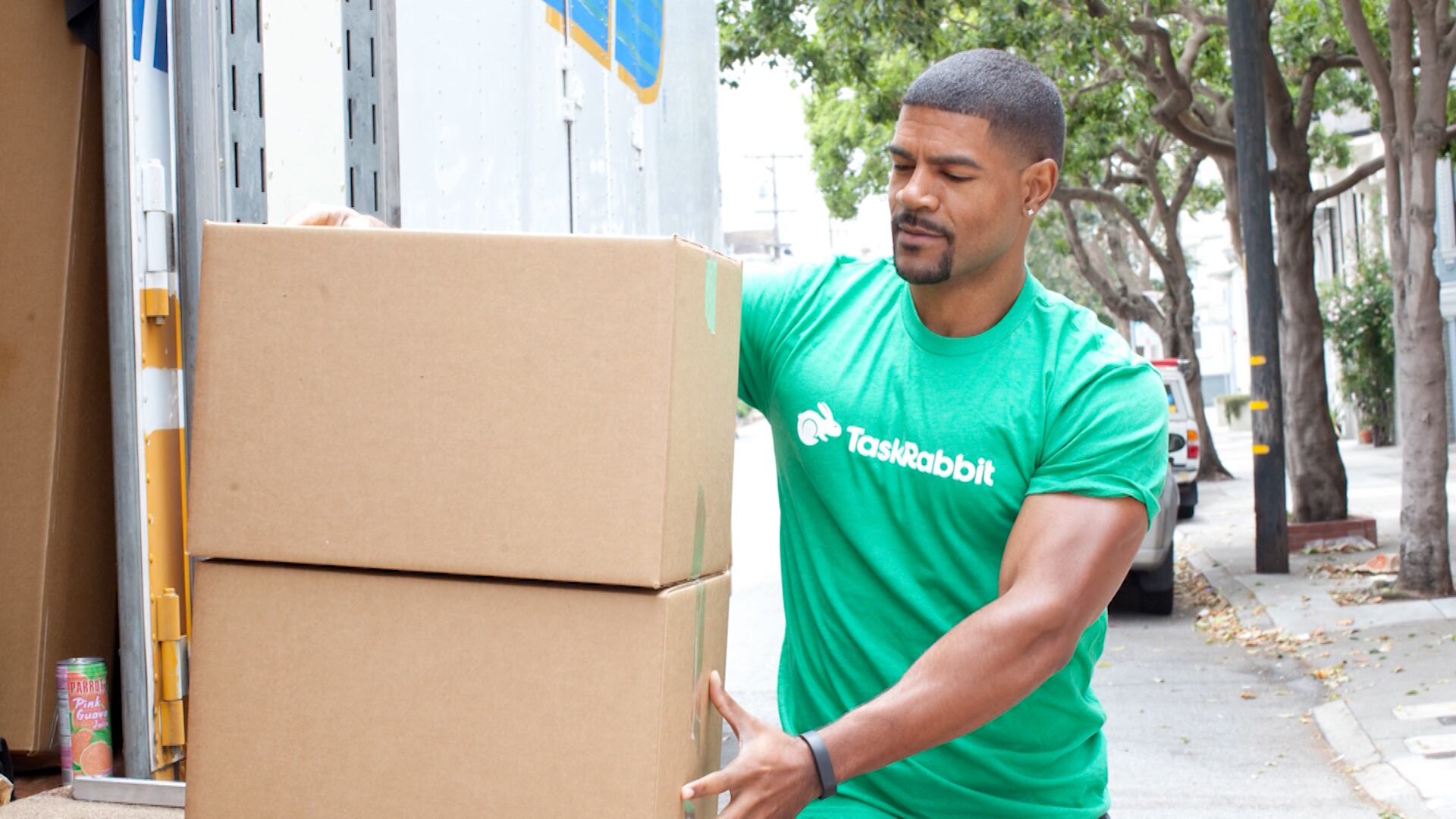
On this episode of 'Your Future Home', Ania Smith, TaskRabbit CEO, discusses TaskRabbit's recent revenue growth, how the company is increasing their taskers' earning potential, and its potential for greater global expansion.; Aaron Wagner, a former football player turned self-made real estate investor & Founder and Managing Partner of Wags Capital, breaks down the best first steps the average investor can take into the realm of real estate, and how wholesaling can be a smart investment.; Cheddar breaks down all the tips, tricks, and things to look out for when buying your first home.
How the Average Investor Can Get Started in Real Estate
Aaron Wagner, a former football player turned self-made real estate investor & Founder and Managing Partner of Wags Capital, joins 'Your Future Home' to help break down the best first steps the average investor can take into the realm of real estate, and how wholesaling can be a smart investment.
How TaskRabbit Is Growing in the Gig Economy Space
Ania Smith, TaskRabbit CEO, joins 'Your Future Home' to discuss TaskRabbit's recent revenue growth, how the company is increasing their taskers' earning potential, and its potential for greater global expansion.
Pearson, Producer Simon Fuller Team Up to Launch Academy of Pop for Performing Arts
Pearson CEO Andy Bird joined Cheddar's "Opening Bell" to talk about a new partnership with famed recording artist manager Simon Fuller to launch a new performing arts school, the Academy of Pop, focused on cultivating the next round of rising stars. While the school will focus predominantly on the arts, Fuller said Bird wanted to partner with the learning company Pearson to add structure to the curriculum. "I think in many areas, the performing arts have suffered within education, and so part of our goal is to sort of put the 'A' into STEM and turn it into STEAM," he said. The first studio is slated to open in Hollywood.
Big Oil Testifies Before Congress On Climate Change
Kathy Mulvey, the Accountability Campaign Director for the Union of Concerned Scientists, joined Cheddar News to break down Thursday's congressional hearing on climate change with big oil executives and lobbyists.
Load More