While reports of COVID-19 outbreaks have shut down factories or disrupted supply chains for the traditional meat industry, plant-based meat company Impossible Foods has found itself expanding its reach -- this time through a new partnership with Starbucks.
The coffee chain announced this week it will be featuring the Impossible Breakfast Sandwich on its summer menu.
"Something like one-third of all the 18- to 29-year-olds in the country hit a Starbucks at least once a quarter," David Lee, Impossible Foods' chief financial officer, told Cheddar. "And so for us to be available in this way, to have nearly 20,000 locations serve our Impossible Sausage products, is a wonderful milestone for us."
Lee explained that Impossible's co-manufacturing partnerships, such as the one it shares with food supplier OSI Group, provides enough scalability to supply the market for its meat alternatives.
"It means that we can meet the large demand we expect from Starbucks, Burger King, many other partners, but also a really rapid rollout in grocery stores, which we began to speed up sometime around March or so this year," he said.
The CFO was also confident the company was addressing challenges from the coronavirus pandemic by selling Impossible Burgers that can be delivered straight to customers' homes. He reported that grocery sales of its products had grown 30 times over since March when most stay-at-home orders began, in addition to the orders made directly to Impossible.
"The theme has been scaling to meet unprecedented demand. As a result we feel relatively well-prepared to handle how this current pandemic has changed the way meat-eaters like to get their meat," he said. "We're seeing folks order it directly from us to be shipped to their home, which is why we created our direct-to-consumer business."
Still, Impossible Foods has had to weather the pandemic like many other businesses, including the meatpacking industry. According to Lee, however, the stark differences in the businesses give plant-based meat an advantage.
"Unlike many of those unfortunate meat plants, we bypass a lot of the problems they face," he noted. "We don't grow animals, slaughter them, transport them, process them, so we don't have the same challenging conditions the meat industry faces."
Lee also agreed with Impossible Foods founder and CEO Pat Brown, who predicted on Tuesday that the meat industry will be facing its own extinction in just 15 years.
"I believe in the meat-eater," Lee said. "We meat-eaters are pretty sophisticated. You give us a better product that hits the spot, that's better for our health, that's better for the world -- we vote with our stomachs."
"I think the consumer will determine the future and will determine it pretty quickly."
In March, Impossible raised $500 million in Series F funding but despite the aggressive scaling and partnerships Lee described, he said there are no current plans to join fellow plant-based meat company, Beyond, as a public company.
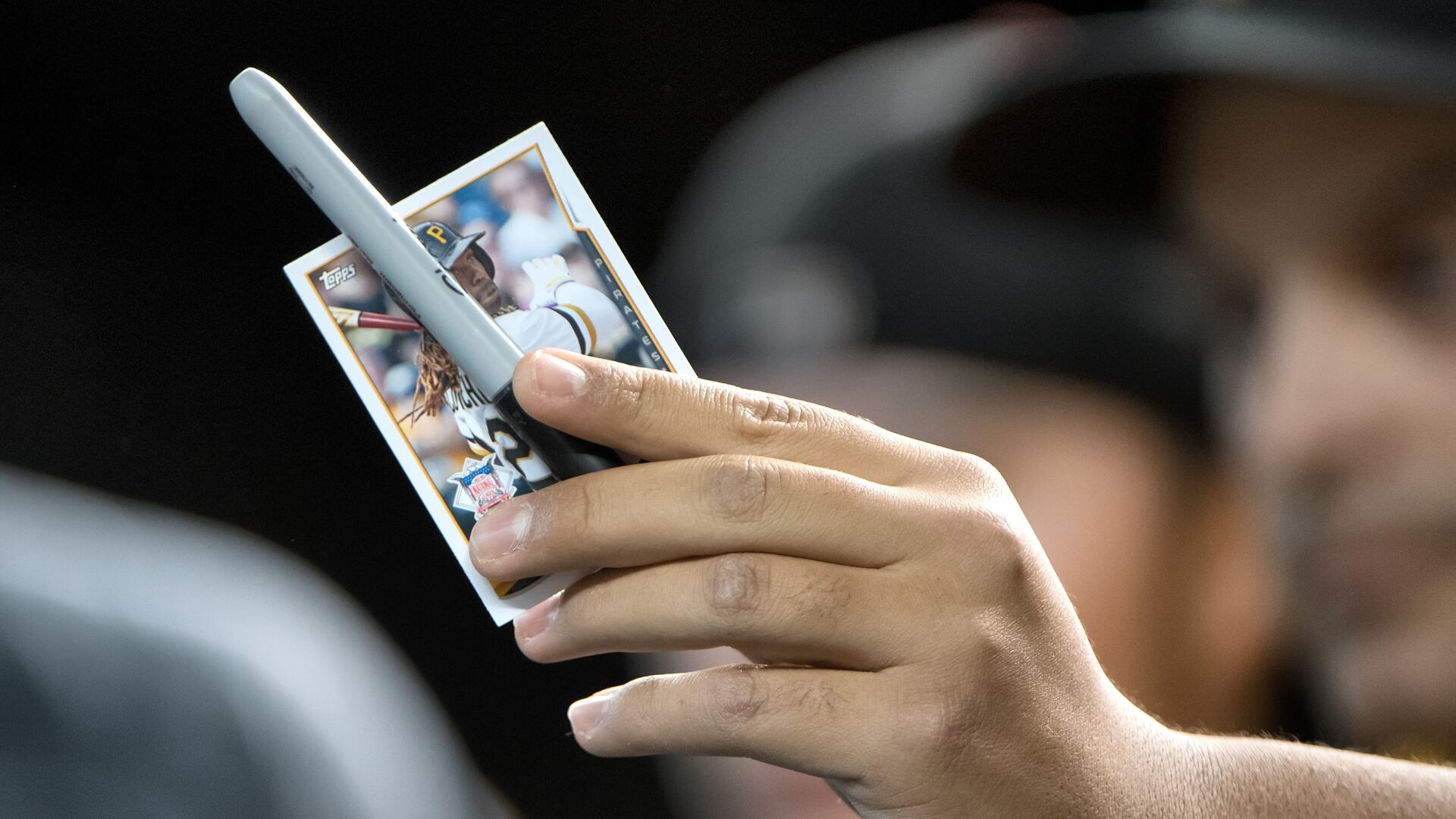
Evan Vandenberg, the founder and CEO of Dibbs, a sports card trading platform, joined Cheddar to break down how his company allows sports fans to buy and sell fractions of sports cards. The physical trading cards are typically held in a vault while fans are provided with a digital representation of that card that they can go on to sell or even buy more fractions of the item. Vanderberg also talked about the company's $13 million Series A funding round and investments from major sports figures like the NBA's Chris Paul and NFL's DeAndre Hopkins.
Johan Grahn, Head of ETFs at Allianz Investment Management, joins Cheddar News' Closing Bell to discuss today's market close which saw all major indexes reaching record highs on the back of a strong October jobs report, low-interest rates, and more.
Earlier this week, crypto investors who got in on a 'Squid Game'-inspired coin were shocked when the asset turned out to be part of a scam. The people involved made off with close to $3 million after the Netflix-inspired coin's valuation went from $0.01 to $3,000 and back down to $0 within several days. CoinDesk Anchor Christine Lee joins Cheddar News' Closing Bell to discuss the pump-and-dump scheme, how investors can be on the lookout for similar scams, and what crypto platform Binance is doing to investigate the incident.
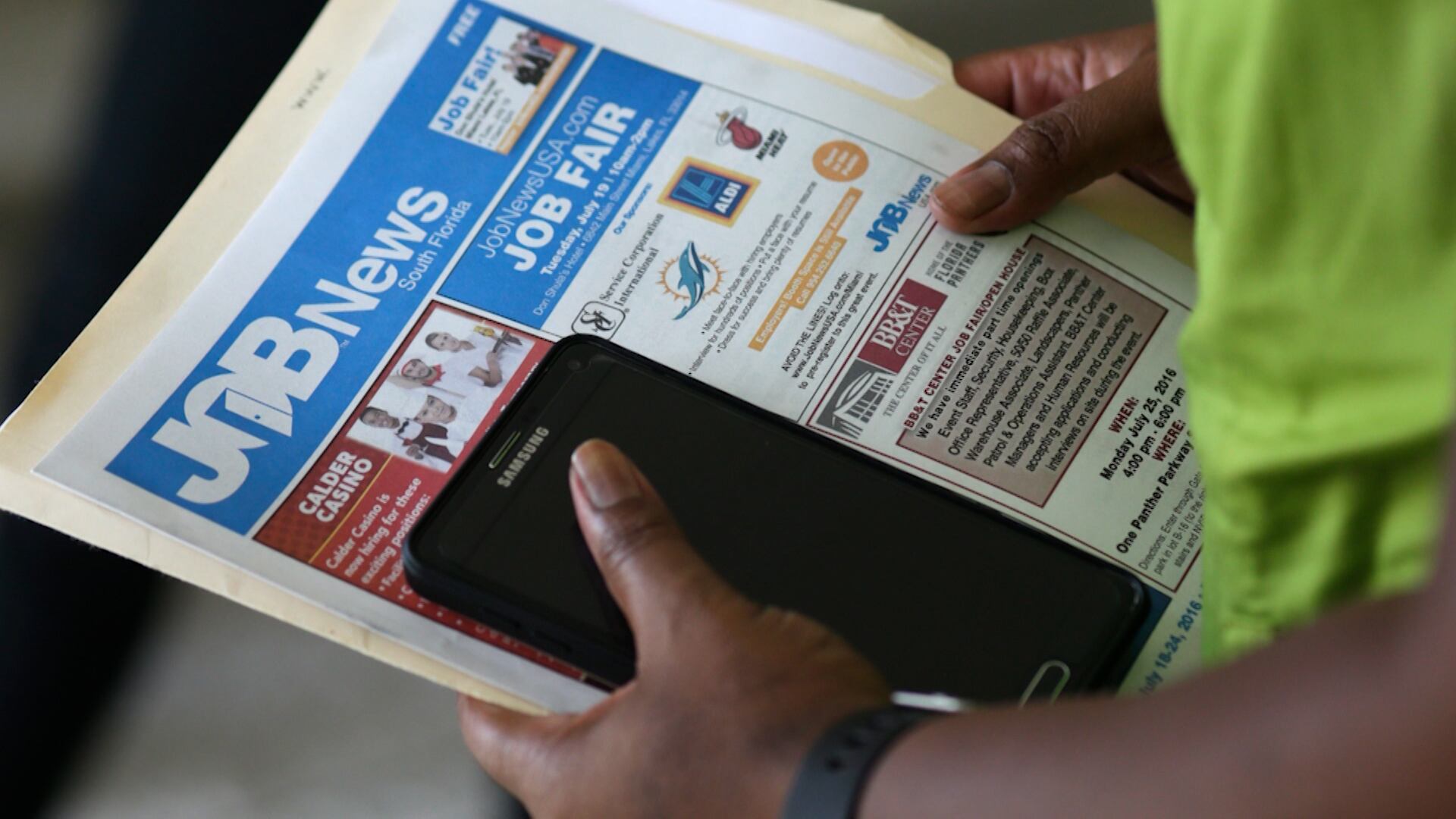
Nela Richardson, Chief Economist at ADP, joins Cheddar News' Closing Bell, where he discusses the sector growth in the October Jobs report, and how labor shortages and wage growth will impact the economy going forward.
More American tech companies continue to pull their businesses out of China as the Communist Party cracks down on firms — both foreign and domestic. Yahoo and Fortnite have become the latest companies to withdraw from the country, and the withdrawals come just days after Microsoft announced it would take LinkedIn offline. Shehzad Qazi, managing director at China Beige Book International, joined Cheddar to provide some insight into how the crackdowns in China would also impact the tech companies at home in the United States.
Yelp reported Q3 earnings on Thursday, matching its best quarterly performance in company history, according to CFO David Schwarzbach who joined Cheddar's "Between Bells" to break down the report and business forecast. He also talked about the impact that the pandemic has had on marketing campaigns on the platform and noted that while service pros are doing well, campaigns for restaurants, retail, and other sectors continue to face challenges.
Beatriz Acevedo, CEO of Suma Wealth, discusses the challenges in building financial habits among Hispanic youths and talks about how the company will be prioritizing funds from its recent $2 million raise.
Sian Morson, founder and editor of The Blkchain, talks about the challenges digital artists of color face getting opportunities to advance their careers and ways NFTs are redistributing wealth.
Planet Fitness CEO Chris Rondeau joined Cheddar's "Opening Bell" to talk about the gym chain's Q3 earnings beat. He said while home workouts have sufficed for people amid the pandemic, they are not a substitute for in-person workouts in facilities such as their own. "Now that people can get out and go about their day as their normal life, I think we're now reaping the benefits of people getting out to being normal again," he said.