While reports of COVID-19 outbreaks have shut down factories or disrupted supply chains for the traditional meat industry, plant-based meat company Impossible Foods has found itself expanding its reach -- this time through a new partnership with Starbucks.
The coffee chain announced this week it will be featuring the Impossible Breakfast Sandwich on its summer menu.
"Something like one-third of all the 18- to 29-year-olds in the country hit a Starbucks at least once a quarter," David Lee, Impossible Foods' chief financial officer, told Cheddar. "And so for us to be available in this way, to have nearly 20,000 locations serve our Impossible Sausage products, is a wonderful milestone for us."
Lee explained that Impossible's co-manufacturing partnerships, such as the one it shares with food supplier OSI Group, provides enough scalability to supply the market for its meat alternatives.
"It means that we can meet the large demand we expect from Starbucks, Burger King, many other partners, but also a really rapid rollout in grocery stores, which we began to speed up sometime around March or so this year," he said.
The CFO was also confident the company was addressing challenges from the coronavirus pandemic by selling Impossible Burgers that can be delivered straight to customers' homes. He reported that grocery sales of its products had grown 30 times over since March when most stay-at-home orders began, in addition to the orders made directly to Impossible.
"The theme has been scaling to meet unprecedented demand. As a result we feel relatively well-prepared to handle how this current pandemic has changed the way meat-eaters like to get their meat," he said. "We're seeing folks order it directly from us to be shipped to their home, which is why we created our direct-to-consumer business."
Still, Impossible Foods has had to weather the pandemic like many other businesses, including the meatpacking industry. According to Lee, however, the stark differences in the businesses give plant-based meat an advantage.
"Unlike many of those unfortunate meat plants, we bypass a lot of the problems they face," he noted. "We don't grow animals, slaughter them, transport them, process them, so we don't have the same challenging conditions the meat industry faces."
Lee also agreed with Impossible Foods founder and CEO Pat Brown, who predicted on Tuesday that the meat industry will be facing its own extinction in just 15 years.
"I believe in the meat-eater," Lee said. "We meat-eaters are pretty sophisticated. You give us a better product that hits the spot, that's better for our health, that's better for the world -- we vote with our stomachs."
"I think the consumer will determine the future and will determine it pretty quickly."
In March, Impossible raised $500 million in Series F funding but despite the aggressive scaling and partnerships Lee described, he said there are no current plans to join fellow plant-based meat company, Beyond, as a public company.
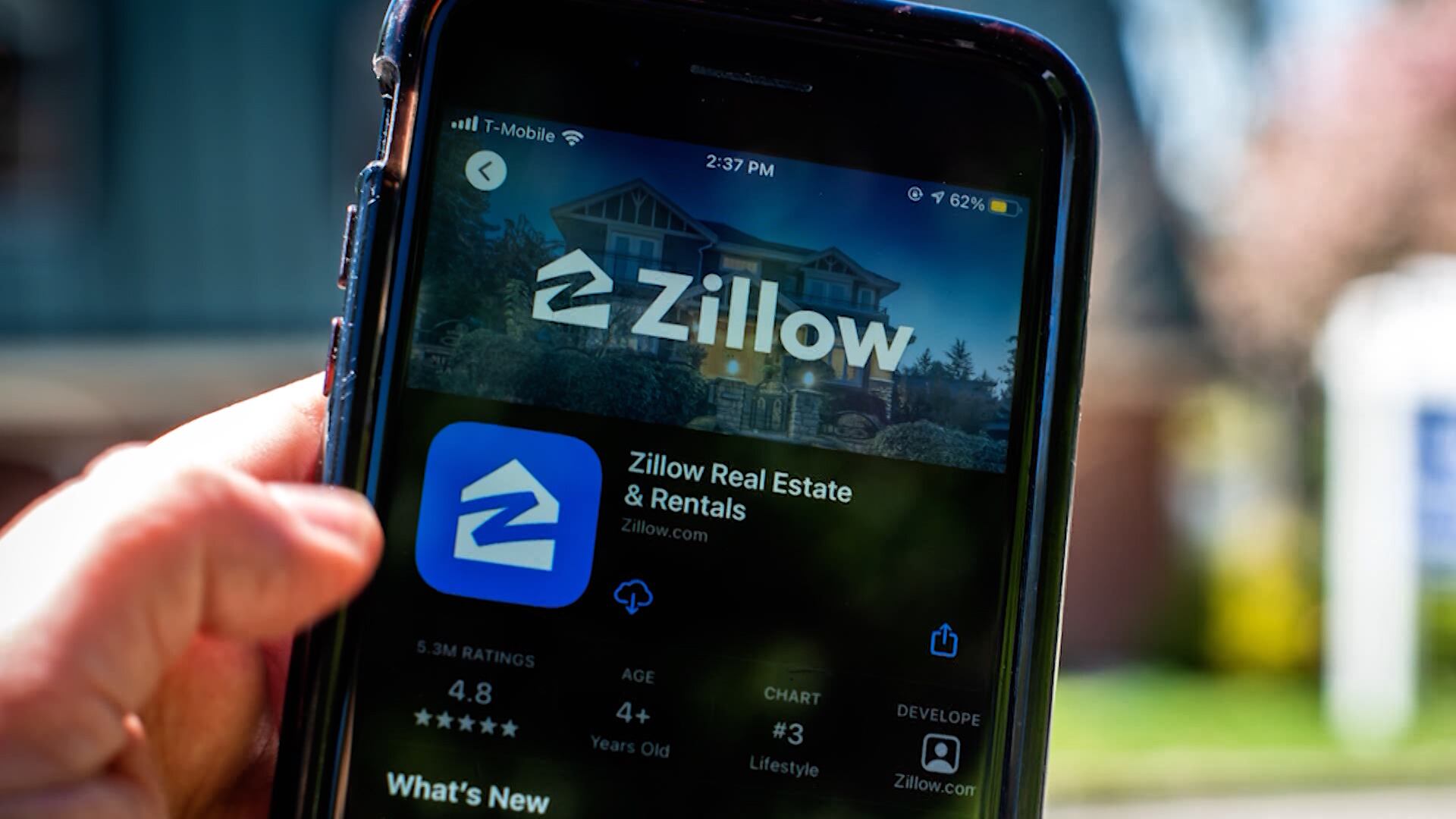
Josh Stech, Co-Founder & CEO of Sundae, discusses why Zillow would have difficulty being profitable in the home-flipping business and discusses how demand is changing within the housing market.
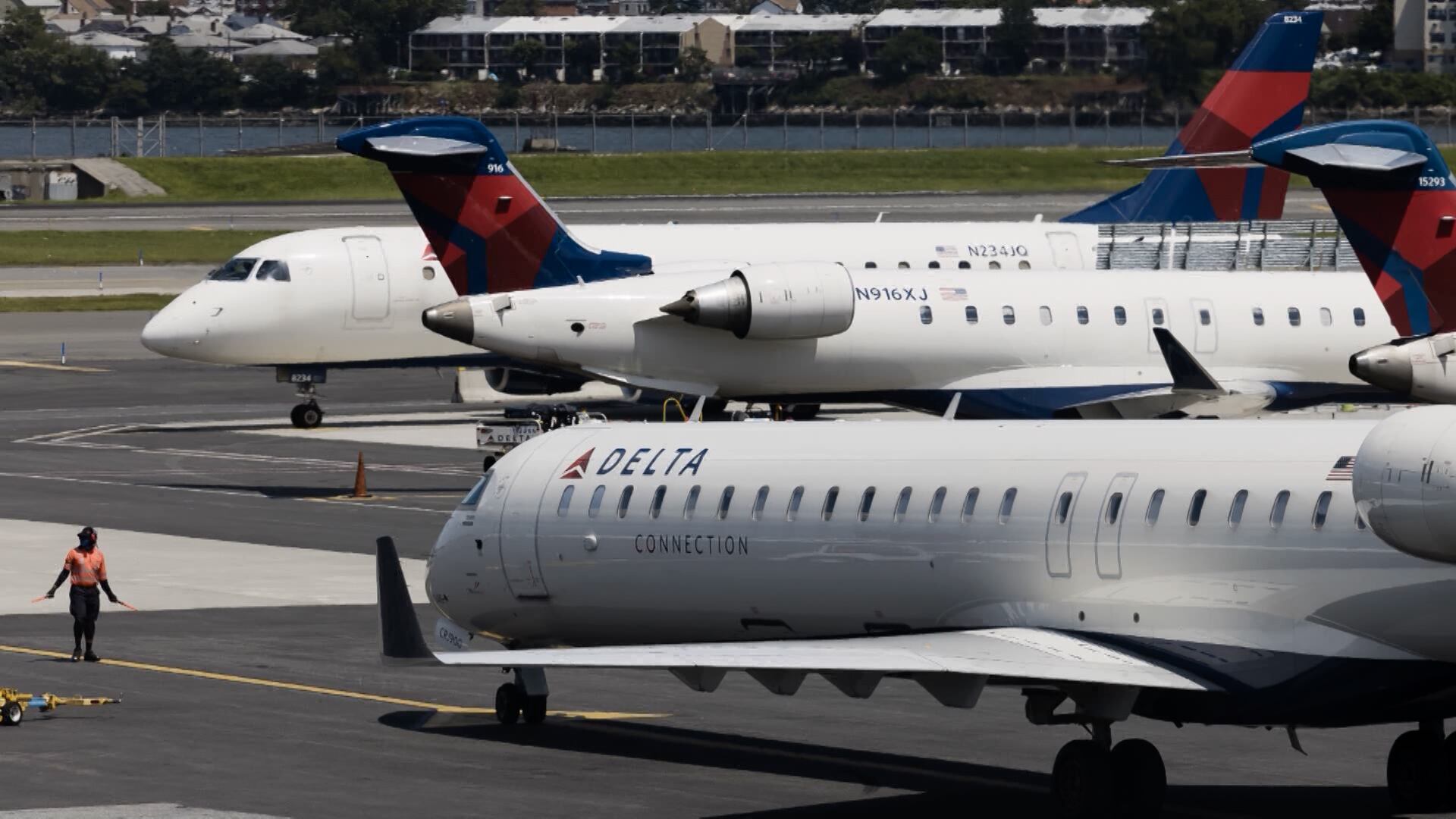
The U.S. has reopened its borders for fully vaccinated international visitors, ending a ban on foreign travelers that started more than a year ago. It's a welcome change for families separated by the pandemic and a sign of hope for the battered travel industry. Steve Shur, president of the The Travel Technology Association, discusses the new rules and how they could propel the travel industry into a post-pandemic boom.
Marvel's 'Eternals' blasted into theaters Friday, bringing in $71 million in its opening weekend, becoming the fourth-best debut of the year. It comes at a crucial time for the box office as theaters attempt to bring back customers after over a year of pandemic-induced lulls. Shawn Robbins, Chief Analyst with BoxofficePro.com joined Cheddar's Opening Bell to discuss the state of the U.S. box office and a return to theaters.
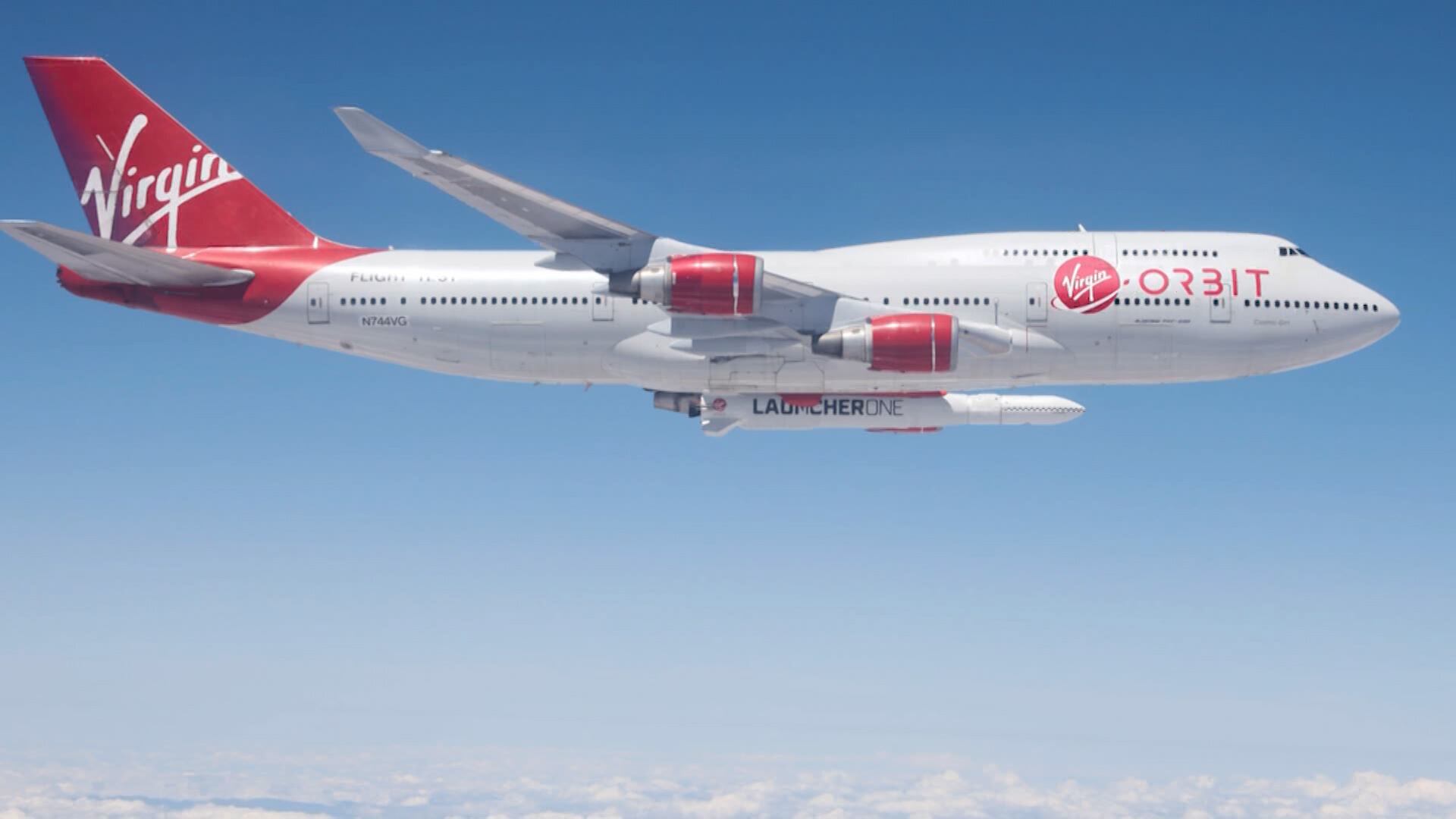
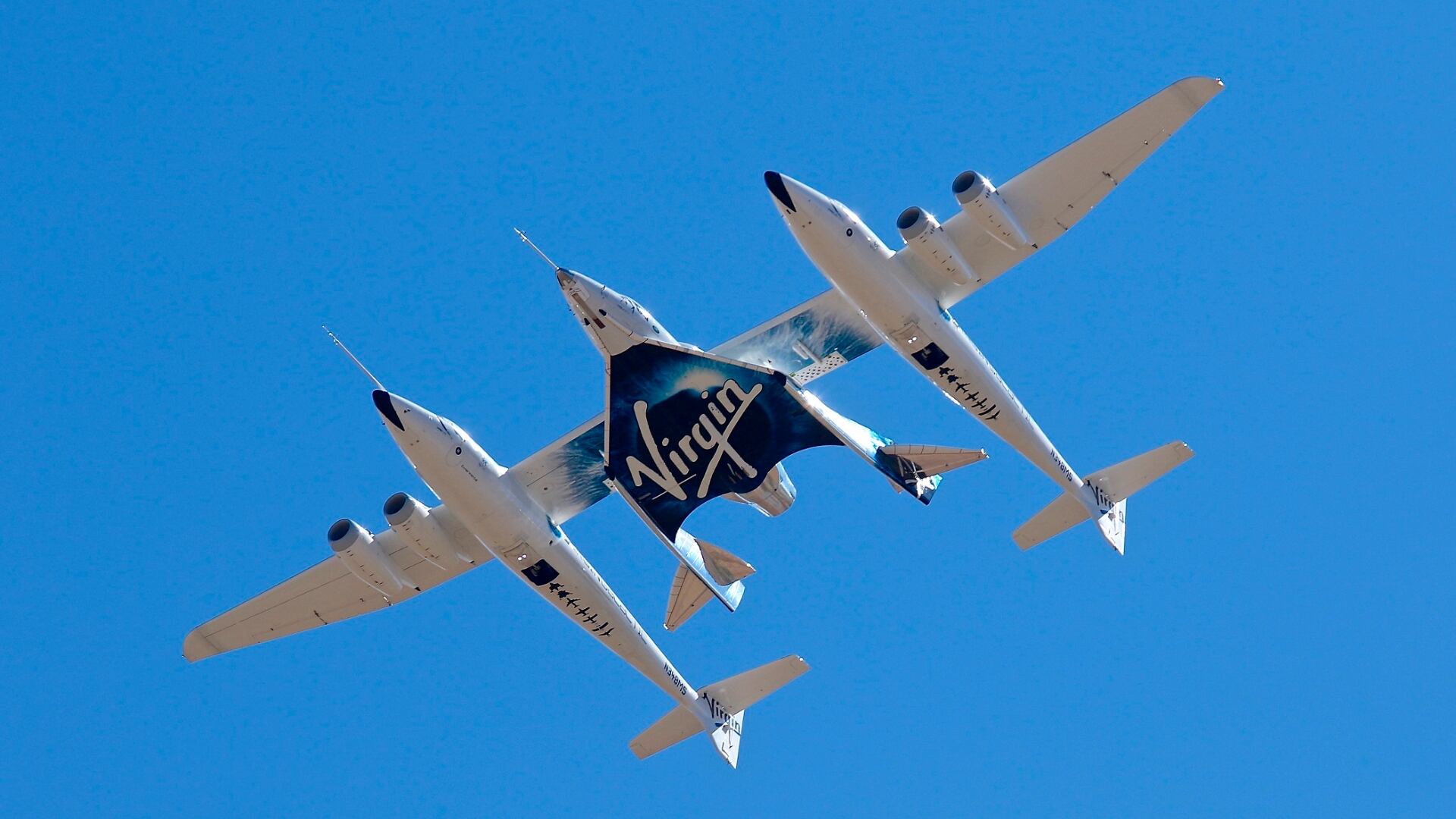
Virgin Orbit is introducing air-launch services to the Eastern Hemisphere for the first time in history. Sir Richard Branson's space launch company has signed an agreement with ANA Holdings, the owners of Japan's largest airline, to procure 20 flights of its LauncherOne rocket from an airport in Japan, a big boost for the aerospace industry in Asia. Dan Hart, CEO of Virgin Orbit, joined Cheddar to discuss the new partnership, the future of air launch, and how small satellites can help monitor climate change impacts.
Almost 2 years into the pandemic, supply chain woes continue to wreak havoc on our everyday lives.
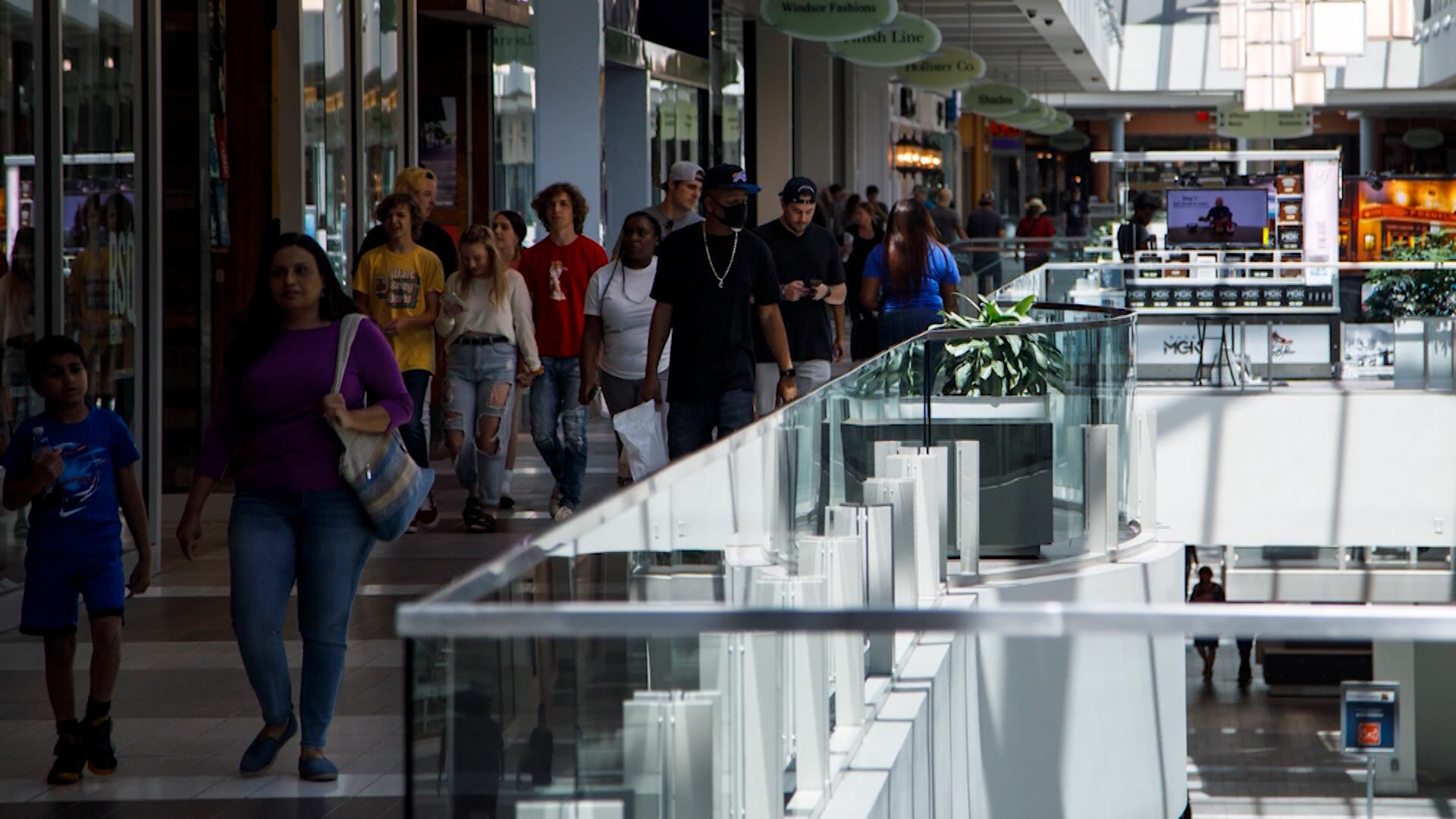
From groceries to chip shortages, both consumers and retailers are feeling the strain with prices only climbing as a result. Data intelligence company Morning Consult is out with its U.S. Economic Outlook for November revealing just how much of a threat these hold-ups could pose to the greater economic recovery. John Leer, Chief Economist at Morning Consult joined Cheddar's Opening Bell.
After many years and at least two presidents hoping to overhaul America's infrastructure, congress finally came to an agreement. The House passed the bipartisan infrastructure bill late Friday, receiving thirteen republican votes but failing to earn votes from the six progressive squad members. Joseph Zeballos-Roig, Economics Reporter at Insider joined Cheddar's Opening Bell to discuss the economic impact of the bill.
Virgin Galactic is reporting an increase in demand for commercial space flights after seeing a boost in ticket sales, raising the price for a seat on a shuttle to $450,000. The company said they now have 700 customers.
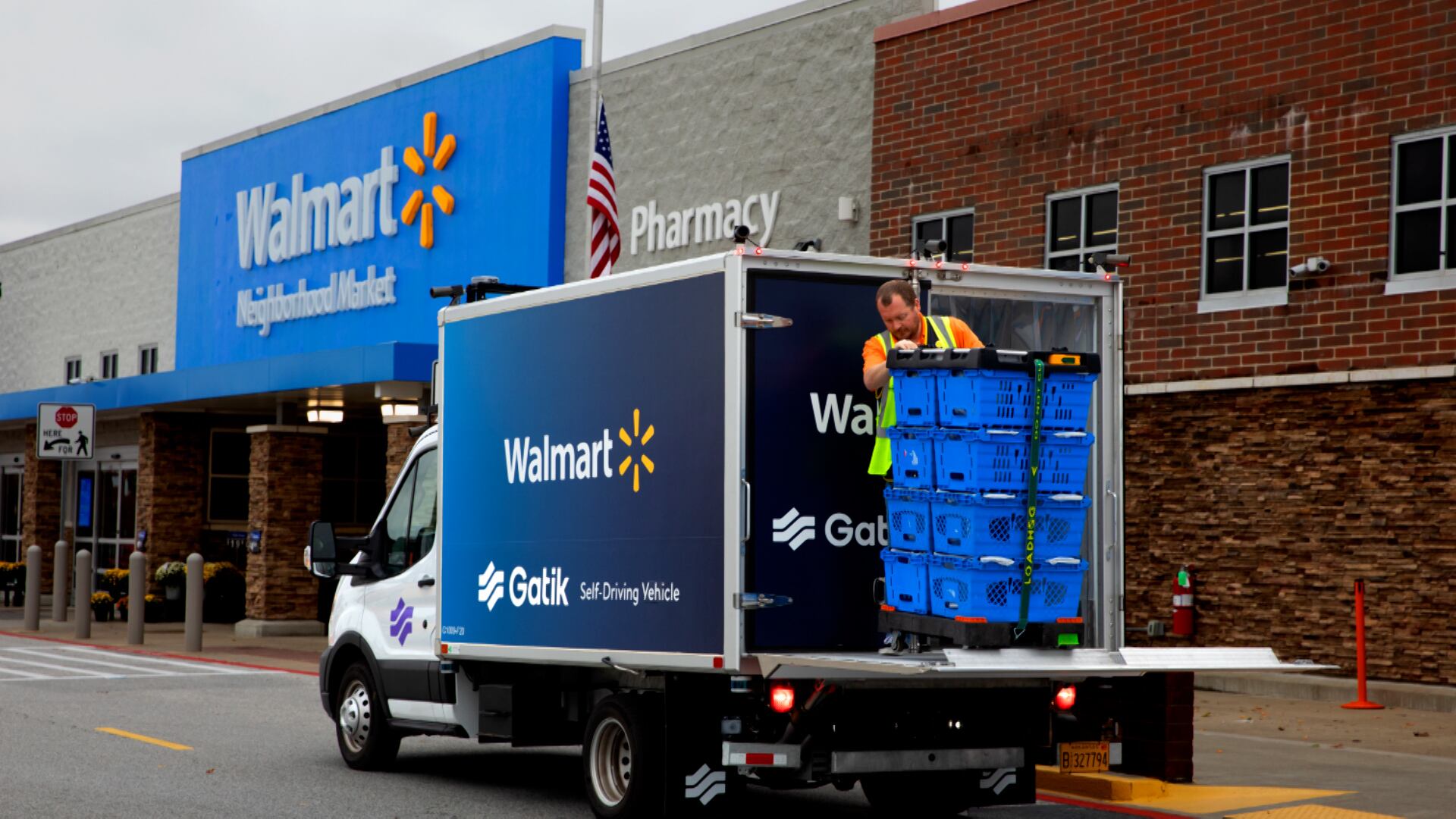
Walmart has joined forces with robotruck start-up Gatik to deploy driverless grocery delivery. We spoke to the CEO and co-founder of Gatik to discuss how the technology works and how autonomous vehicles will help ease supply chain issues.
At least 7 million customers have been impacted by a data breach on the investing app Robinhood. The specific information that was leaked varied by each customer, but Robinhood stated that hackers did not access social security numbers or banking information.
Paulina Likos, Investing Reporter at US News & World report, joined Wake Up With Cheddar to break down how the U.S. reopening its borders to foreign travelers might provide a big boost to the hard-hit travel and tourism industry.