While reports of COVID-19 outbreaks have shut down factories or disrupted supply chains for the traditional meat industry, plant-based meat company Impossible Foods has found itself expanding its reach -- this time through a new partnership with Starbucks.
The coffee chain announced this week it will be featuring the Impossible Breakfast Sandwich on its summer menu.
"Something like one-third of all the 18- to 29-year-olds in the country hit a Starbucks at least once a quarter," David Lee, Impossible Foods' chief financial officer, told Cheddar. "And so for us to be available in this way, to have nearly 20,000 locations serve our Impossible Sausage products, is a wonderful milestone for us."
Lee explained that Impossible's co-manufacturing partnerships, such as the one it shares with food supplier OSI Group, provides enough scalability to supply the market for its meat alternatives.
"It means that we can meet the large demand we expect from Starbucks, Burger King, many other partners, but also a really rapid rollout in grocery stores, which we began to speed up sometime around March or so this year," he said.
The CFO was also confident the company was addressing challenges from the coronavirus pandemic by selling Impossible Burgers that can be delivered straight to customers' homes. He reported that grocery sales of its products had grown 30 times over since March when most stay-at-home orders began, in addition to the orders made directly to Impossible.
"The theme has been scaling to meet unprecedented demand. As a result we feel relatively well-prepared to handle how this current pandemic has changed the way meat-eaters like to get their meat," he said. "We're seeing folks order it directly from us to be shipped to their home, which is why we created our direct-to-consumer business."
Still, Impossible Foods has had to weather the pandemic like many other businesses, including the meatpacking industry. According to Lee, however, the stark differences in the businesses give plant-based meat an advantage.
"Unlike many of those unfortunate meat plants, we bypass a lot of the problems they face," he noted. "We don't grow animals, slaughter them, transport them, process them, so we don't have the same challenging conditions the meat industry faces."
Lee also agreed with Impossible Foods founder and CEO Pat Brown, who predicted on Tuesday that the meat industry will be facing its own extinction in just 15 years.
"I believe in the meat-eater," Lee said. "We meat-eaters are pretty sophisticated. You give us a better product that hits the spot, that's better for our health, that's better for the world -- we vote with our stomachs."
"I think the consumer will determine the future and will determine it pretty quickly."
In March, Impossible raised $500 million in Series F funding but despite the aggressive scaling and partnerships Lee described, he said there are no current plans to join fellow plant-based meat company, Beyond, as a public company.
Chipmaker NVIDIA easily beat its third quarter fiscal 2022 earnings expectations, reporting earnings per share of $1.17 on revenue of $7.1 billion, thanks to success in its gaming and data center divisions. The company is also poised for potential success as tech giants like Facebook and Microsoft push forward with metaverse projects and technology. Daniel Newman, Founding Partner and Principal Analyst at Futurum Research, joins Cheddar News' Closing Bell to discuss NVIDIA's earnings results, chipmaker competition, and more.
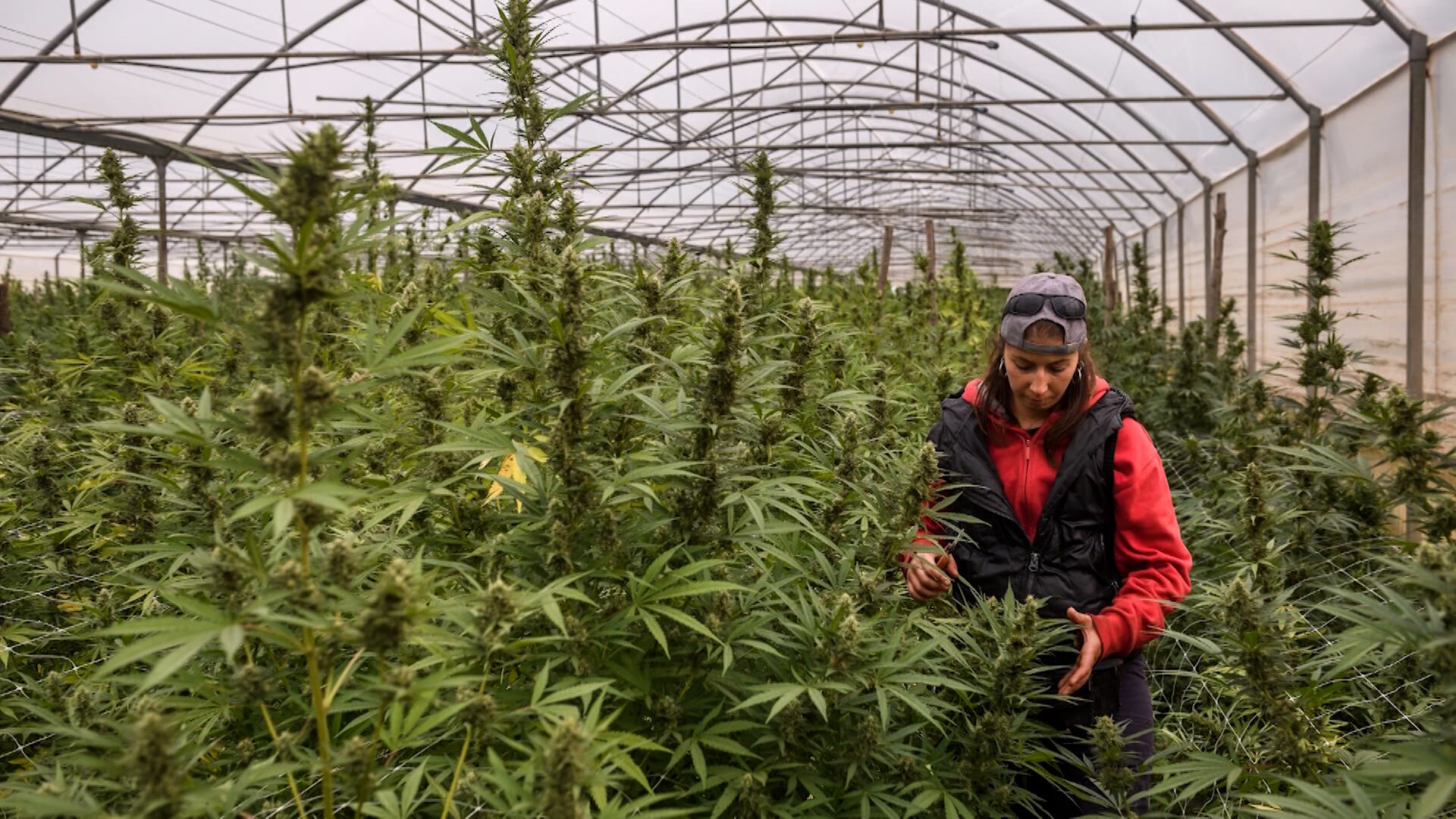
Germany could be on track to legalize and regulate adult-use cannabis, which could represent a massive market opportunity for cannabis companies. Prohibition Partners' researcher Conor O'Brien joins Cheddar News' Closing Bell to discuss the potential legalization of recreational marijuana in Germany, Luxembourg's recent legalization, and what those moves mean for the broader cannabis industry.
ETF and mutual fund manager VanEck has launched its XBTF - the third Bitcoin-linked futures ETF to enter the market. This comes after VanEck's application for a spot product Bitcoin ETF was denied by the SEC, and also as the broader crypto markets slump this week. Kyle DaCruz, Director of Digital Asset Product for VanEck, joins Cheddar News' Closing Bell to discuss the XBTF's debut, investor demand, and more.
Major U.S. retailers, including Walmart, Home Depot, Lowe's, and Target have all reported better than expected earnings heading into the holiday season. This comes as retail sales climbed in October, despite the biggest inflation surge in more than 30 years. David Steinberg, co-founder, chairman and CEO of Zeta Global, explains why inflation doesn't seem to be scaring consumers away.
Bitcoin is getting a makeover. It's the first upgrade in four years for the cryptocurrency. The Taproot update offers greater transaction privacy and efficiency and will unlock the potential for smart contracts. Jeff Roberts, executive editor of Decrypt, joins Cheddar News to breakdown what this upgrade means for investors.
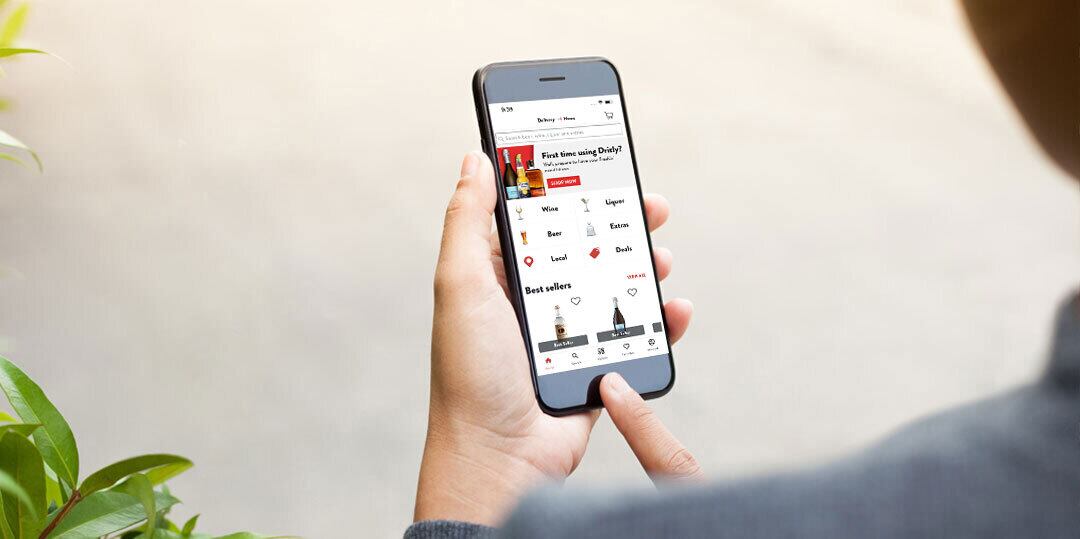
The nation's largest alcohol e-commerce and delivery platform is getting even bigger. Drizly is now collaborating with 7-Eleven to deliver alcohol in under 60 minutes from 7-eleven's 1,200 stores. The companies plan to expand the collaboration in the coming months. Cathy Lewenberg, COO at Drizly, joins Cheddar News to talk about the new collaboration.
Netlify, a platform that builds, deploys and hosts websites and apps, raised $105 million dollars in a Series D round, now valuing the company at $2 billion. Along with the funding, Netlify is also announcing the acquisition of the company OneGraph. Netlify says OneGraph's technology will drive a new wave of innovation on its platform, by making it easier to compose apps with the best developer tools available. Netlify co-founder and CEO Matt Biilmann joined Cheddar News' Closing Bell to discuss.
Chip Paucek, CEO and co-founder of 2U, an educational tech company, joined Cheddar's "Closing Bell" to talk about the company's $800 million acquisition of online course provider edX featuring curriculum from Harvard and MIT. He noted that added services will provide 2U users with high quality, free options. "Us coming together with edX should allow us to really continue to drive affordability for people to unlock their own potential in a variety of different kinds of programs," he said.