While reports of COVID-19 outbreaks have shut down factories or disrupted supply chains for the traditional meat industry, plant-based meat company Impossible Foods has found itself expanding its reach -- this time through a new partnership with Starbucks.
The coffee chain announced this week it will be featuring the Impossible Breakfast Sandwich on its summer menu.
"Something like one-third of all the 18- to 29-year-olds in the country hit a Starbucks at least once a quarter," David Lee, Impossible Foods' chief financial officer, told Cheddar. "And so for us to be available in this way, to have nearly 20,000 locations serve our Impossible Sausage products, is a wonderful milestone for us."
Lee explained that Impossible's co-manufacturing partnerships, such as the one it shares with food supplier OSI Group, provides enough scalability to supply the market for its meat alternatives.
"It means that we can meet the large demand we expect from Starbucks, Burger King, many other partners, but also a really rapid rollout in grocery stores, which we began to speed up sometime around March or so this year," he said.
The CFO was also confident the company was addressing challenges from the coronavirus pandemic by selling Impossible Burgers that can be delivered straight to customers' homes. He reported that grocery sales of its products had grown 30 times over since March when most stay-at-home orders began, in addition to the orders made directly to Impossible.
"The theme has been scaling to meet unprecedented demand. As a result we feel relatively well-prepared to handle how this current pandemic has changed the way meat-eaters like to get their meat," he said. "We're seeing folks order it directly from us to be shipped to their home, which is why we created our direct-to-consumer business."
Still, Impossible Foods has had to weather the pandemic like many other businesses, including the meatpacking industry. According to Lee, however, the stark differences in the businesses give plant-based meat an advantage.
"Unlike many of those unfortunate meat plants, we bypass a lot of the problems they face," he noted. "We don't grow animals, slaughter them, transport them, process them, so we don't have the same challenging conditions the meat industry faces."
Lee also agreed with Impossible Foods founder and CEO Pat Brown, who predicted on Tuesday that the meat industry will be facing its own extinction in just 15 years.
"I believe in the meat-eater," Lee said. "We meat-eaters are pretty sophisticated. You give us a better product that hits the spot, that's better for our health, that's better for the world -- we vote with our stomachs."
"I think the consumer will determine the future and will determine it pretty quickly."
In March, Impossible raised $500 million in Series F funding but despite the aggressive scaling and partnerships Lee described, he said there are no current plans to join fellow plant-based meat company, Beyond, as a public company.
President Joe Biden announced that the U.S. will tap into its strategic oil reserve in coordination with other nations and release 50 million barrels in an effort to lower energy prices.
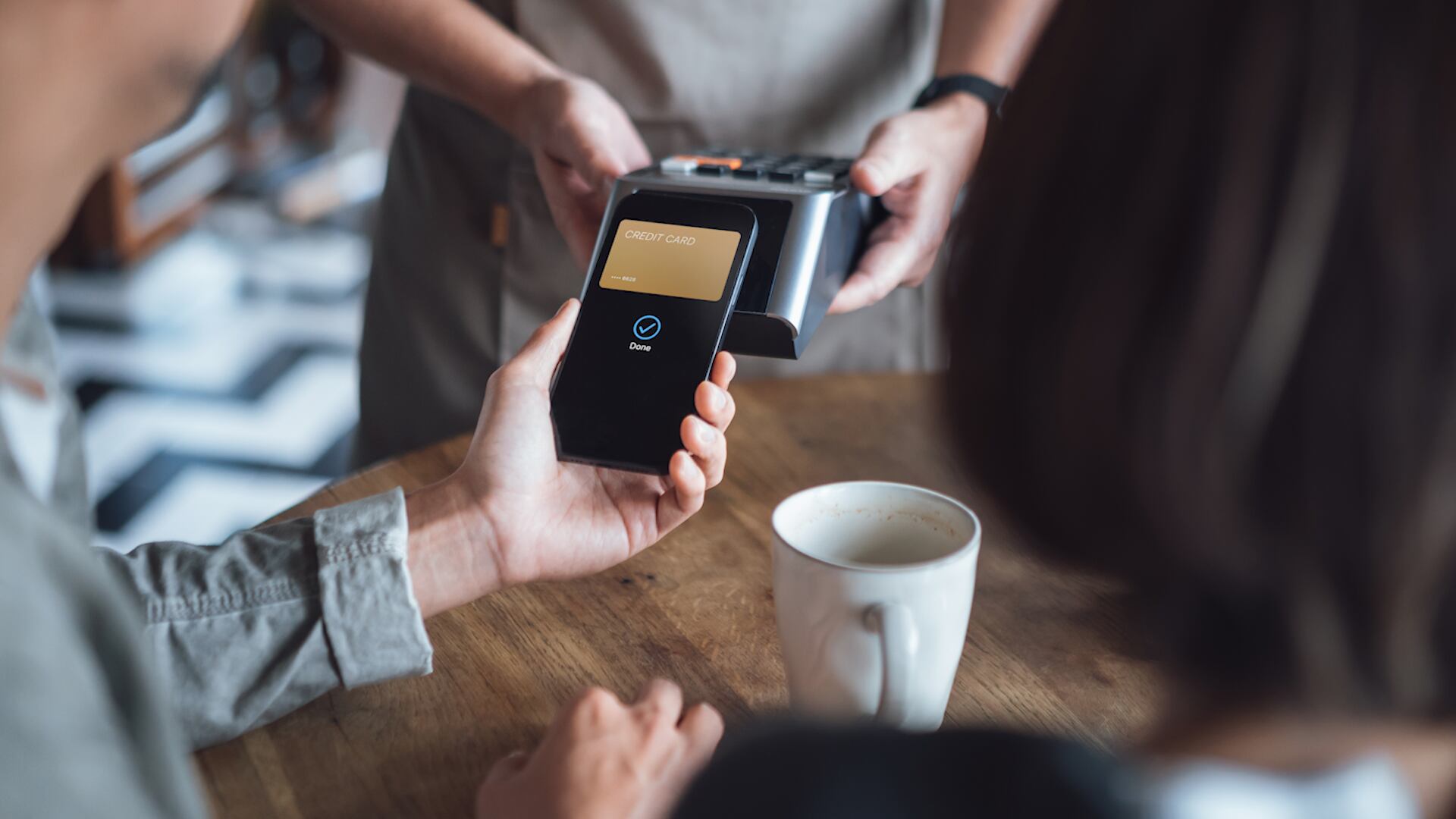
On this episode of Cheddar Reveals, Yair Nechmad, Nayax CEO, discusses the future of cashless payments, and how cashless payments give retailers a competitive edge and allow merchants to scale business; Jason Thomas, Global CEO of Tappit, breaks down how the pandemic accelerated the transition to cash-free live events, and why that trend is here to stay; Cheddar gets a look at Curiosity Steam's 'Blockchain Revolution.'
Not long ago, banning cash at a large public event would have been seen as a crazy idea that would deter sales. But our cash-free future is getting closer with the use of contactless payments being implemented in sports venues, music festivals, concerts, and more. Jason Thomas, Global CEO of Tappit, joins Cheddar Reveals to break down how the pandemic accelerated the transition to cash-free live events, and why that trend is here to stay.
Yair Nechmad, Nayax CEO, joins Cheddar Reveals to discuss the future of cashless payments, and how cashless payments give retailers a competitive edge and allow merchants to scale business.
Bentley aims to become end-to-end carbon neutral by 2030. The luxury car brand has outlined steps to achieve this goal, including switching its entire model range to plug-in hybrid or battery electric vehicles by 2026 and become fully electric by 2030. Christophe Georges, president & CEO of Bentley Americas, joined Cheddar to discuss this new pledge and what consumers can expect from future models.
PepsiCo has announced a new goal to advance food security for 50 million people by 2030. To help achieve this goal, the company is partnering with local communities around the world to expand access to nutritious foods, increase productivity and incomes of small-scale farmers. Jon Banner, president of the PepsiCo Foundation, joined Cheddar to discuss this new pledge and his argument for why the world has to rethink the way it produces and distributes food.
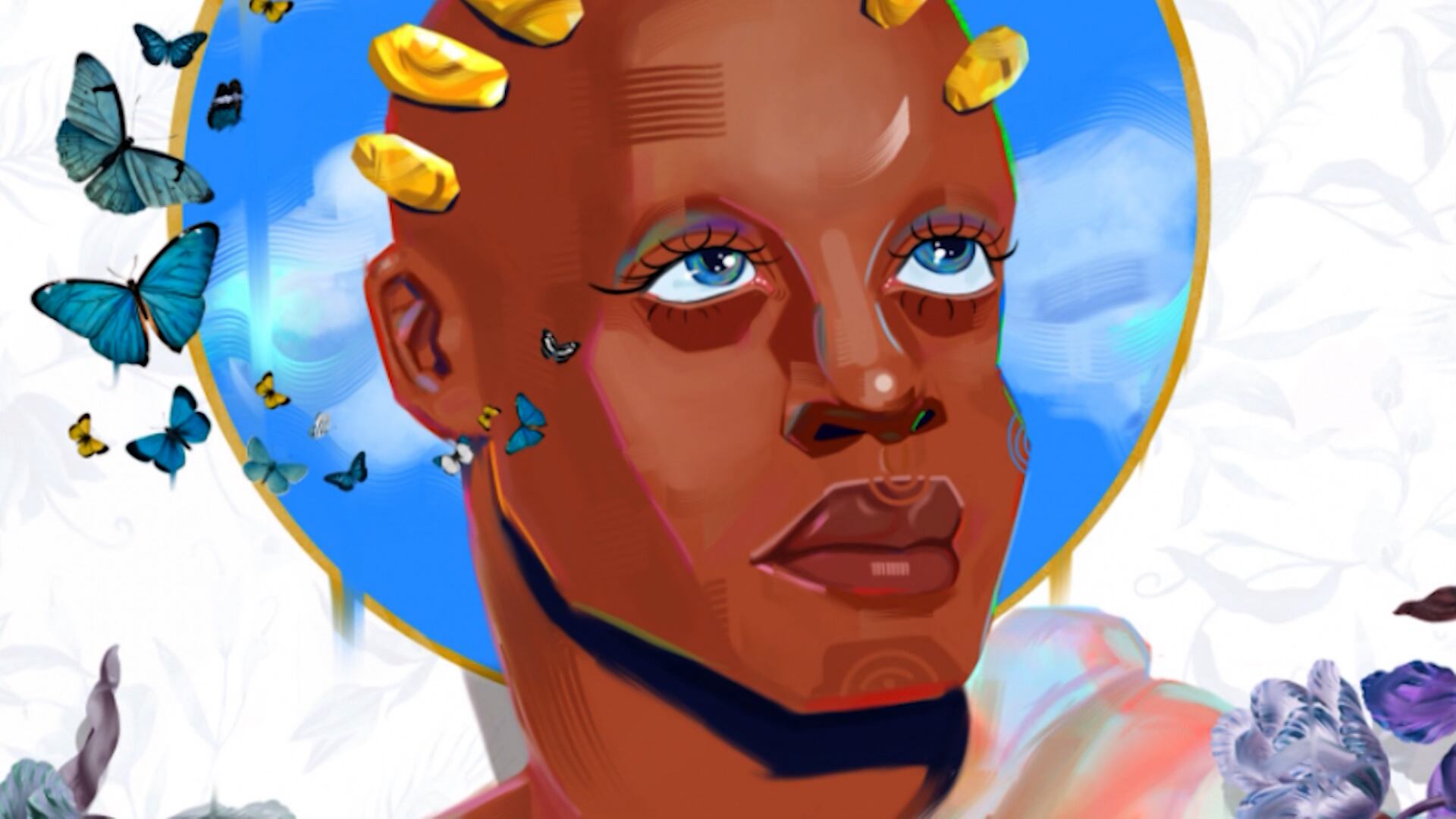
ORIGYN Foundation, an NFT authentication start-up based in Switzerland, has secured $20 million in funding from investors like Paris Hilton, Bill Ackman, and Polychain Capital, among others. The non-profit, now valued at $300 million, uses AI technology to verify non-fungible tokens across art, collectibles, digital media and luxury goods. Daniel Haudenschild, CEO of ORIGYN Entreprise, discusses how the money will help put power back into the hands of artists, creators, and collectors.
With millions of Americans set to host Thanksgiving this year, shoppers can expect to pay more at grocery stores, with the price of a thanksgiving meal up 14% from last year. According to the USDA, the average price of an 8- to 16-pound frozen turkey is up 21% from a year ago. Jay Jandrain, CEO, Butterball, joined Cheddar’s Opening Bell to discuss how his company is being affected by supply chain challenges and rising prices.