While reports of COVID-19 outbreaks have shut down factories or disrupted supply chains for the traditional meat industry, plant-based meat company Impossible Foods has found itself expanding its reach -- this time through a new partnership with Starbucks.
The coffee chain announced this week it will be featuring the Impossible Breakfast Sandwich on its summer menu.
"Something like one-third of all the 18- to 29-year-olds in the country hit a Starbucks at least once a quarter," David Lee, Impossible Foods' chief financial officer, told Cheddar. "And so for us to be available in this way, to have nearly 20,000 locations serve our Impossible Sausage products, is a wonderful milestone for us."
Lee explained that Impossible's co-manufacturing partnerships, such as the one it shares with food supplier OSI Group, provides enough scalability to supply the market for its meat alternatives.
"It means that we can meet the large demand we expect from Starbucks, Burger King, many other partners, but also a really rapid rollout in grocery stores, which we began to speed up sometime around March or so this year," he said.
The CFO was also confident the company was addressing challenges from the coronavirus pandemic by selling Impossible Burgers that can be delivered straight to customers' homes. He reported that grocery sales of its products had grown 30 times over since March when most stay-at-home orders began, in addition to the orders made directly to Impossible.
"The theme has been scaling to meet unprecedented demand. As a result we feel relatively well-prepared to handle how this current pandemic has changed the way meat-eaters like to get their meat," he said. "We're seeing folks order it directly from us to be shipped to their home, which is why we created our direct-to-consumer business."
Still, Impossible Foods has had to weather the pandemic like many other businesses, including the meatpacking industry. According to Lee, however, the stark differences in the businesses give plant-based meat an advantage.
"Unlike many of those unfortunate meat plants, we bypass a lot of the problems they face," he noted. "We don't grow animals, slaughter them, transport them, process them, so we don't have the same challenging conditions the meat industry faces."
Lee also agreed with Impossible Foods founder and CEO Pat Brown, who predicted on Tuesday that the meat industry will be facing its own extinction in just 15 years.
"I believe in the meat-eater," Lee said. "We meat-eaters are pretty sophisticated. You give us a better product that hits the spot, that's better for our health, that's better for the world -- we vote with our stomachs."
"I think the consumer will determine the future and will determine it pretty quickly."
In March, Impossible raised $500 million in Series F funding but despite the aggressive scaling and partnerships Lee described, he said there are no current plans to join fellow plant-based meat company, Beyond, as a public company.
Chris Willman, Features Editor for Variety, discusses changes within the music industry and how venues can provide a safer environment for concert-goers.
As the U.S. continues to face supply chain shortages, President Joe Biden is reassuring U.S. consumers that the supply chain is in "very strong shape" ahead of the all-important holiday season. As supply bottlenecks start to show signs of improvement, the industry may be faced with yet another challenge: the Omicron variant. Rob Caucci, Co-Founder & Co-CEO of Fillogic joined Cheddar's Opening Bell to discuss.
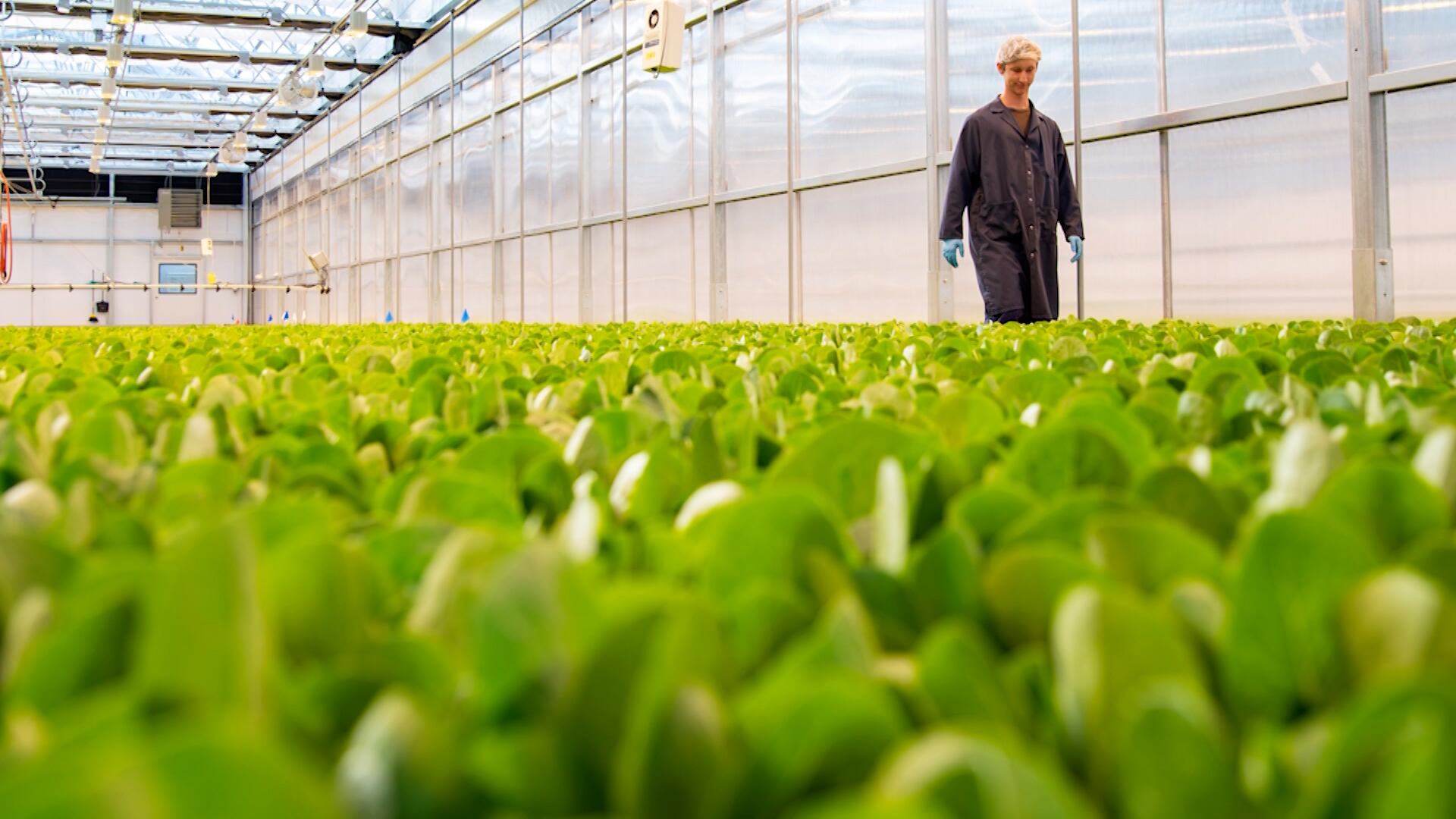
Local Bounti rang the opening bell December 3 in honor of its recent trading debut on the NYSE after closing a $1.1 billion SPAC deal. The company operates an indoor growing facility in Montana and aims to transform the production and delivery of local, fresh and sustainably-grown leafy greens. Craig Hurlbert, co-founder and co-CEO of Local Bounti, joined Cheddar to discuss the company's goals as a newly publicly-traded company.
Markets rebounded Monday morning after Friday's deep sell-off that saw the Dow suffer its worse day since 2020. It comes as investors continue to react to the impact of the omicron variant on the broader reopening. Eddie Ghabour, Co-Owner at the Key Advisors Group joined Cheddar's Opening Bell to discuss.
Markets bounced back this morning with travel leading the gains after plunging on Monday as the first case of Omicron was detected in the U.S. Jimmy Lee, CEO, Wealth Consulting Group joined Cheddar's Opening Bell to discuss.
Stephan Winkelmann, president of Bugatti Automobiles and CEO of Lamborghini, stopped by Cheddar to talk about Lamborghini's 2021 success after the luxury automaker set a company sales record on more than 6,9000 vehicles delivered. With climate change top of mind for the auto industry, Winkelmann also talked about Lamborghini's commitment to hybridizing its entire fleet. Still, when it comes to supercars, the legacy brand isn't quite ready to give up gasoline power, and according to the CEO, three new combustion engine vehicles will be available in 2022.
The market saw investors react to comments by the World Health Organization's chief scientist, who suggested existing vaccines are likely to offer protection against the new variant. According to Thomas Hayes, chairman of Great Hill Capital, the next two weeks will be crucial as the markets watch for not only the effects of the Omicron variant, but also the Fed's decision on a taper.
Jason Moser, Senior Analyst at The Motley Fool, joined Wake Up With Cheddar to discuss the latest with Salesforce, as the company suffered its worst day on the market since the beginning of the pandemic.
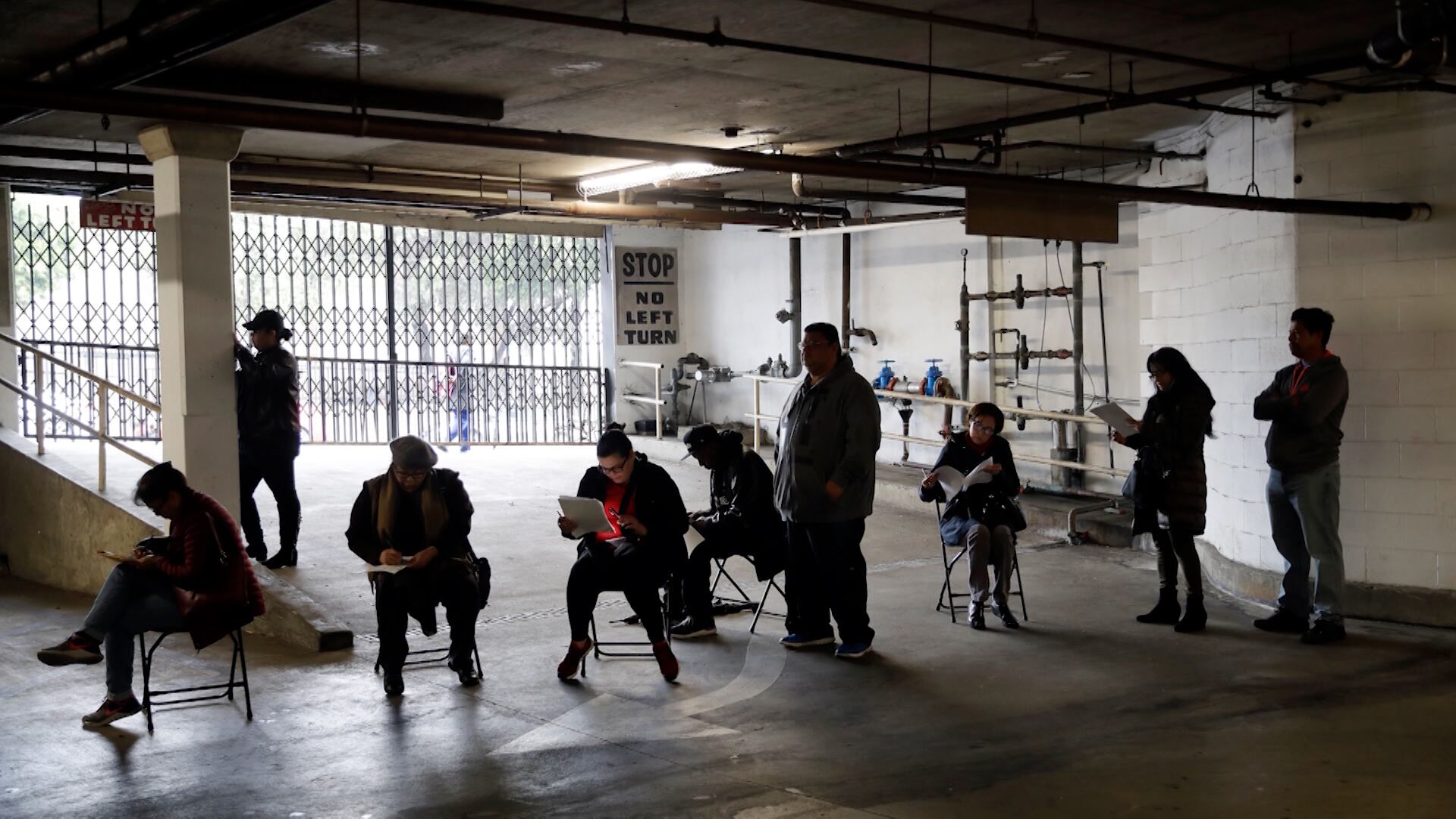
The U.S. jobs report fell way short of economist projections after adding just 210,000 in November compared to the expected 550,000. William M. Rodgers III, the VP and director of the Institute for Economic Equity at the Federal Reserve Bank of St. Louis, joined Cheddar to break down the jobs report and explained that while added payrolls didn't meet expectations, the economy is still progressing as the unemployment rate also fell 4.2 percent. "One month doesn't make a trend," Rodgers added. He did note that from an equity standpoint inflation is a cause for concern for middle and low-income families, as holiday season price hikes are expected to hit them hard.