While reports of COVID-19 outbreaks have shut down factories or disrupted supply chains for the traditional meat industry, plant-based meat company Impossible Foods has found itself expanding its reach -- this time through a new partnership with Starbucks.
The coffee chain announced this week it will be featuring the Impossible Breakfast Sandwich on its summer menu.
"Something like one-third of all the 18- to 29-year-olds in the country hit a Starbucks at least once a quarter," David Lee, Impossible Foods' chief financial officer, told Cheddar. "And so for us to be available in this way, to have nearly 20,000 locations serve our Impossible Sausage products, is a wonderful milestone for us."
Lee explained that Impossible's co-manufacturing partnerships, such as the one it shares with food supplier OSI Group, provides enough scalability to supply the market for its meat alternatives.
"It means that we can meet the large demand we expect from Starbucks, Burger King, many other partners, but also a really rapid rollout in grocery stores, which we began to speed up sometime around March or so this year," he said.
The CFO was also confident the company was addressing challenges from the coronavirus pandemic by selling Impossible Burgers that can be delivered straight to customers' homes. He reported that grocery sales of its products had grown 30 times over since March when most stay-at-home orders began, in addition to the orders made directly to Impossible.
"The theme has been scaling to meet unprecedented demand. As a result we feel relatively well-prepared to handle how this current pandemic has changed the way meat-eaters like to get their meat," he said. "We're seeing folks order it directly from us to be shipped to their home, which is why we created our direct-to-consumer business."
Still, Impossible Foods has had to weather the pandemic like many other businesses, including the meatpacking industry. According to Lee, however, the stark differences in the businesses give plant-based meat an advantage.
"Unlike many of those unfortunate meat plants, we bypass a lot of the problems they face," he noted. "We don't grow animals, slaughter them, transport them, process them, so we don't have the same challenging conditions the meat industry faces."
Lee also agreed with Impossible Foods founder and CEO Pat Brown, who predicted on Tuesday that the meat industry will be facing its own extinction in just 15 years.
"I believe in the meat-eater," Lee said. "We meat-eaters are pretty sophisticated. You give us a better product that hits the spot, that's better for our health, that's better for the world -- we vote with our stomachs."
"I think the consumer will determine the future and will determine it pretty quickly."
In March, Impossible raised $500 million in Series F funding but despite the aggressive scaling and partnerships Lee described, he said there are no current plans to join fellow plant-based meat company, Beyond, as a public company.
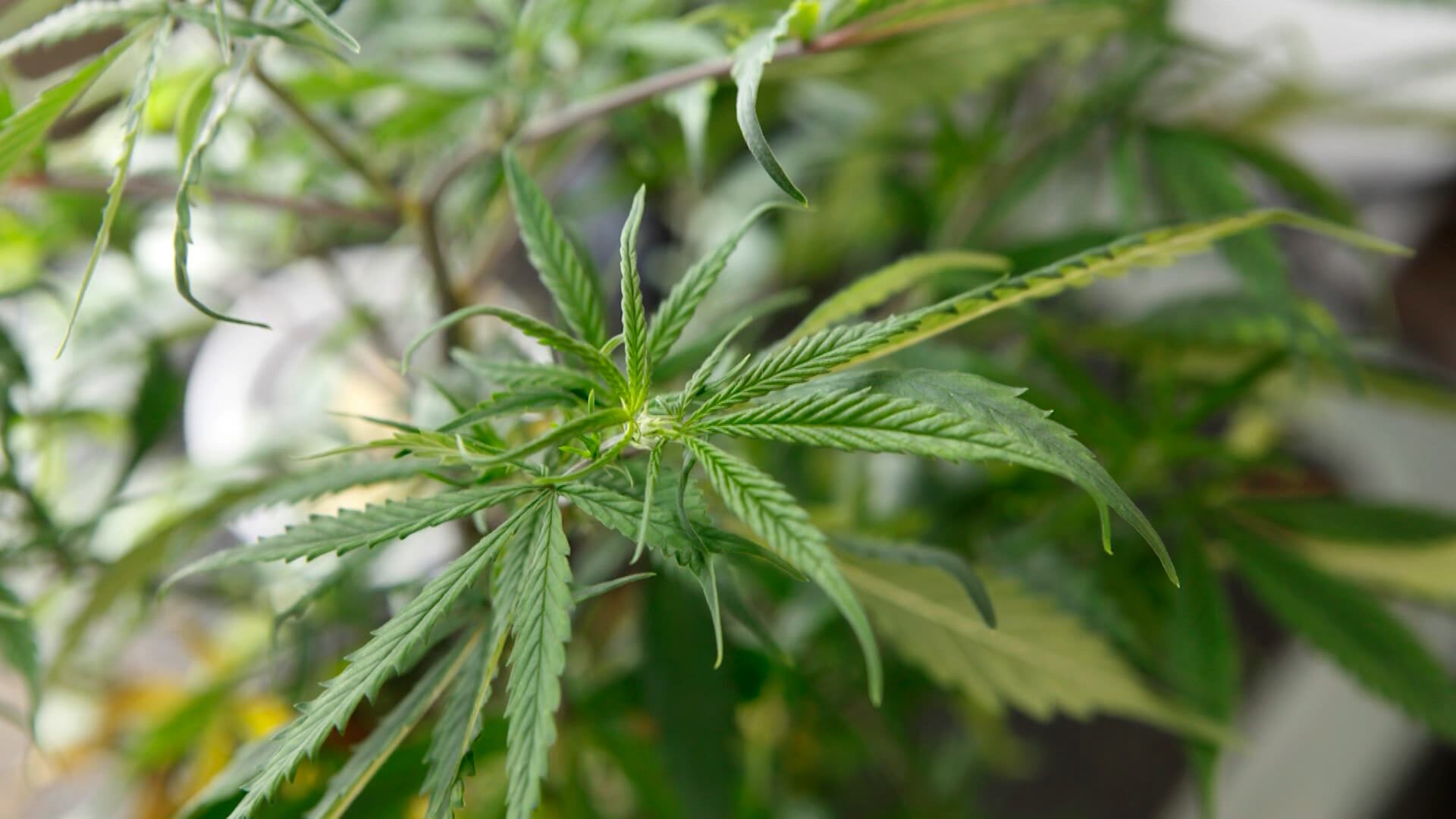
Cheddar's Chloe Aiello joined "Closing Bell" to break down the progress of the SAFE Banking Act in Congress as cannabis businesses operators struggle to find financial institutions that will service them. Banks face steep federal penalties, including the risk of losing a bank charter, if found to be servicing marijuana businesses even if their state has legalized operations. Aiello reported that while there was some bipartisan support for the measure in the Senate, the bill faces some opposition from conservatives with "longstanding concerns" about cannabis and progressives who prefer a more comprehensive approach to reform.
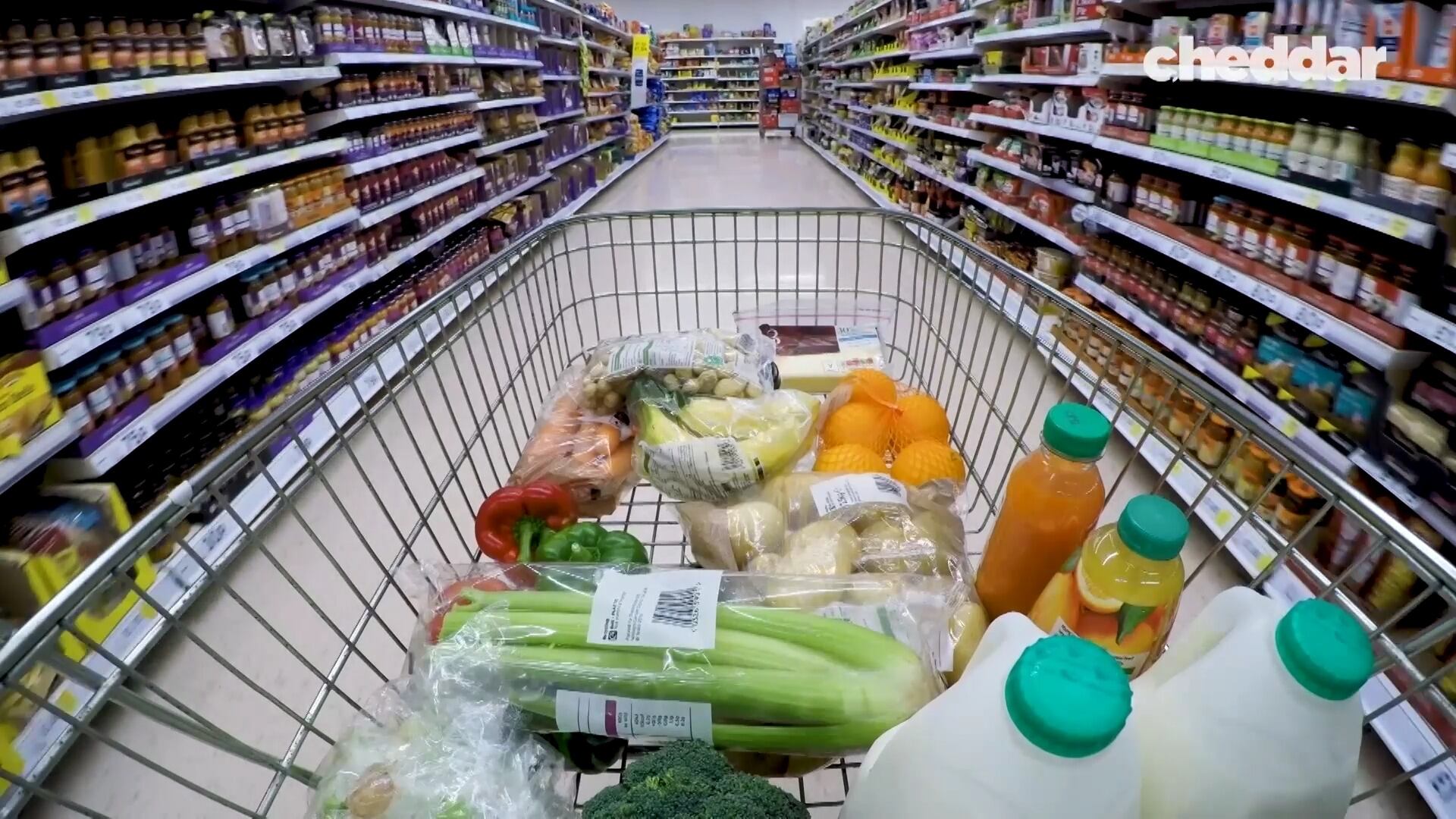
Not everything is as it seems in the supermarket. From name brands under different labels, to confusing store layouts, supermarkets employ a variety of tactics to keep you spending. Including selling products with surprising ingredients. This episode of Who Knew? unveils the secrets of our supermarkets.
The world is amidst a skyscraper boom. In 2018, 146 buildings over 650 feet were constructed. That’s more than the total amount of skyscrapers constructed between 1979 and 1999. And all this construction is transforming our cities.
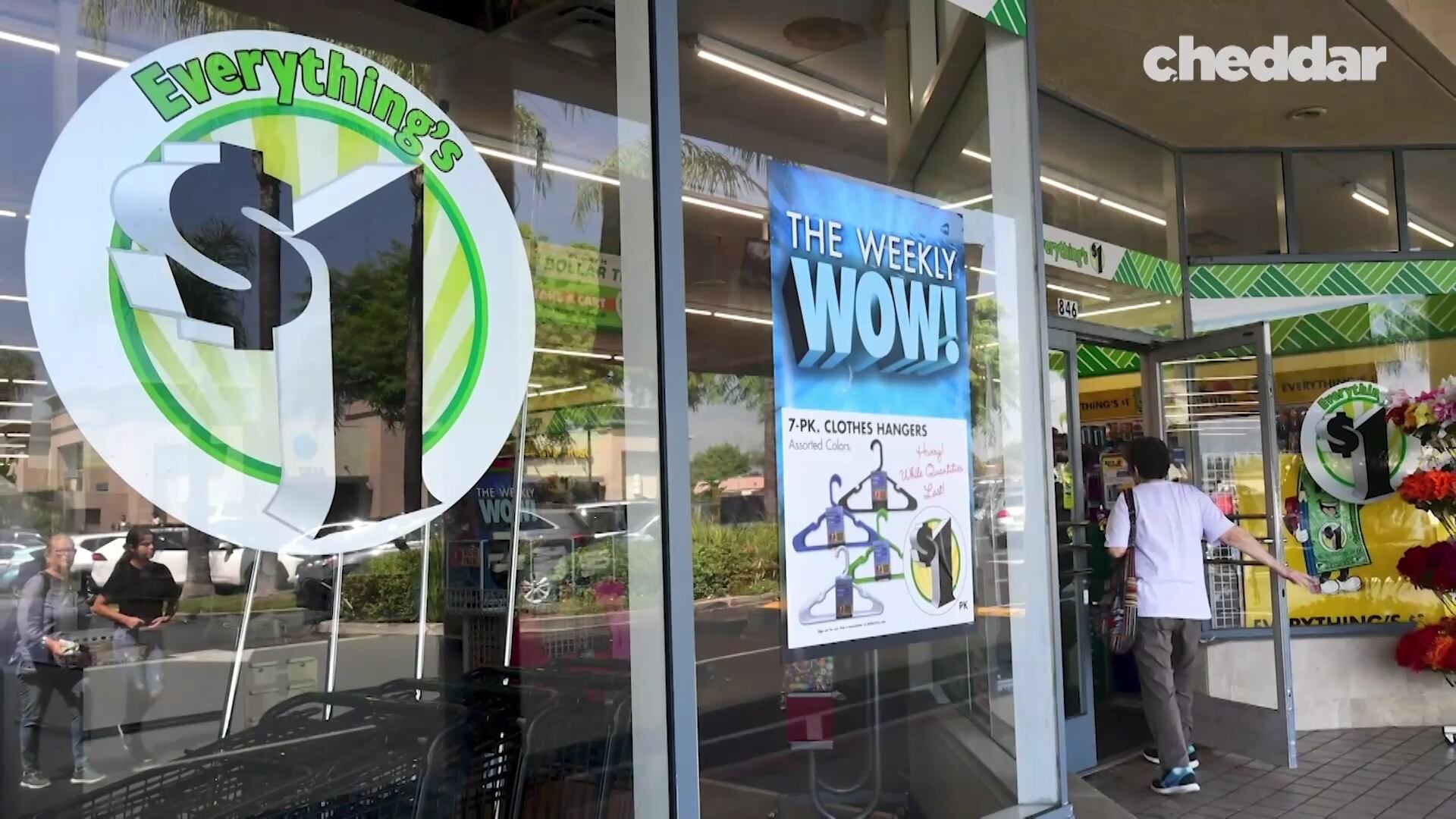
Amazon and online shopping have forever changed how we shop. While I love that I can order almost anything I need with the click of the mouse, this transition from in- person retail is shuttering MUCH of the brick and mortar landscape. But in what’s been deemed the “retail apocalypse” some brick and mortar stores are actually thriving.
From talking animals, to celebrity endorsements, to commercials that pull at your heart strings, agencies are always looking for new ways to connect with you. So it’s no surprise that trends come and go. But what might surprise you is how quickly trends change. In fact, most changes can be pinpointed to a single moment.
Over the decades American pastimes have come and gone. From the soda fountain, to carhop diners, to roller rinks. These former staples of American life have slowly faded into the void. And today, it looks like the time has come for a few other beloved businesses.
The streaming wars could be peaking as platforms vie for a shrinking pool of new subscribers and services like Disney+ recalibrate their outlooks as the rate of new memberships slows. Jana Arbanas, the U.S. telecom, media, and technology sector leader at Deloitte, joined Cheddar to discuss the 2022 outlook for streaming platforms, expecting more than 150 million people to cancel subscriptions adding to the global churn trend. "People are signing up for a service for a very specific piece of original, compelling content, watching that, perhaps, season of content, dropping that service, and then re-upping the service again when the next season comes out," Arbanas noted.
Chris Woodfolk, Corporate Citizenship Partner, LendingTree, joins Cheddar News to discuss how charitable giving is making a comeback from the pandemic and tips to donate on a budget.
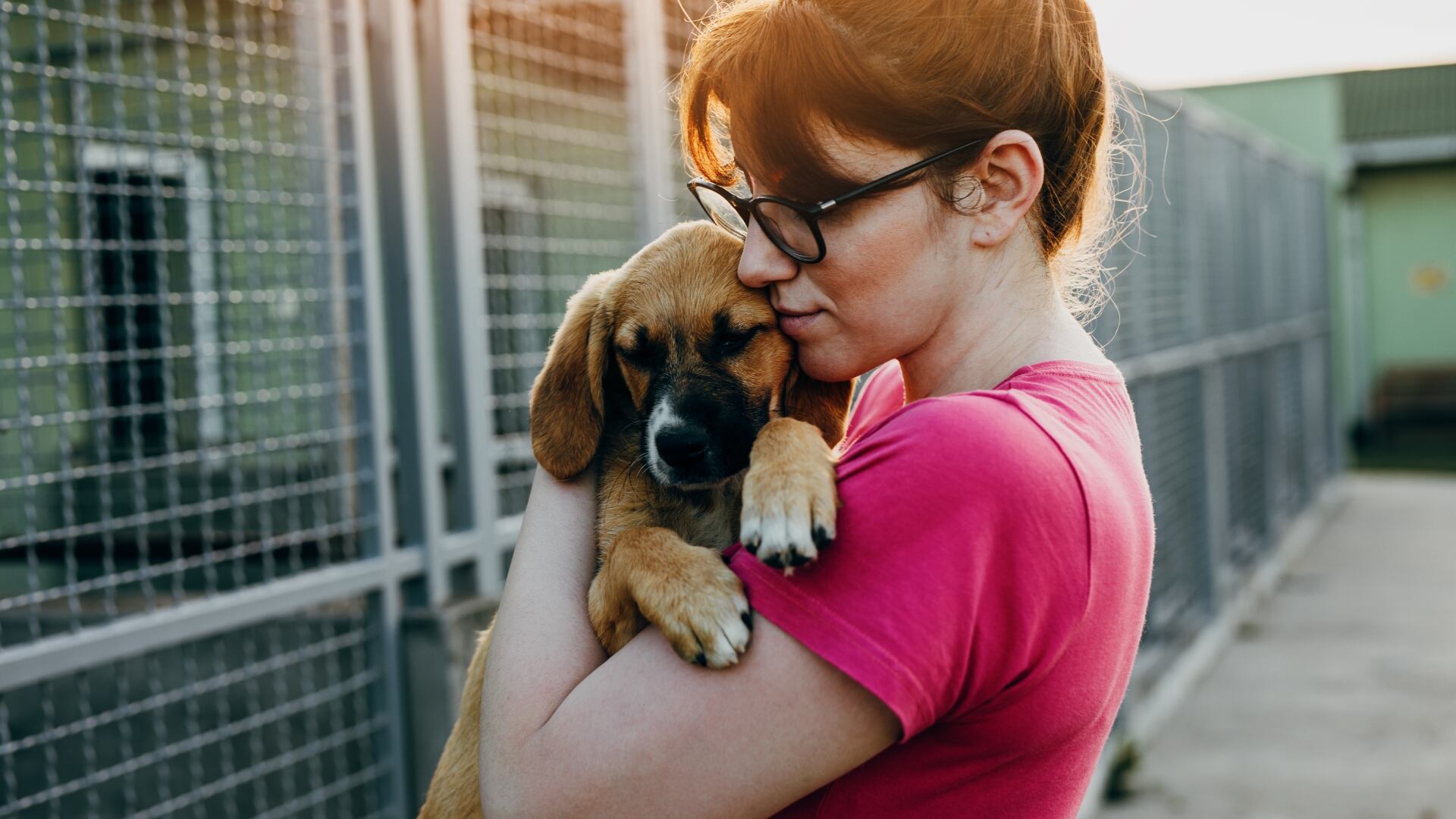
TikTok isn't just for remixing the best trending sounds. The social media platform is having a positive impact on animal shelters and helping pets find forever homes, according to Katie Grissum, the communications and design coordinator for the non-profit animal shelter charity KC Pet Project. Grissum joined Cheddar to break down just how TikTok is being used to raise money and draw more eyes to animals in need of adoption.
Head of Instagram Adam Mosseri is slated to testify this week in front of the Senate Commerce Subcommittee after a Wall Street Journal report that found the Meta-owned social media platform is negatively impacting the mental wellness of teen girls.