By Claire Savage
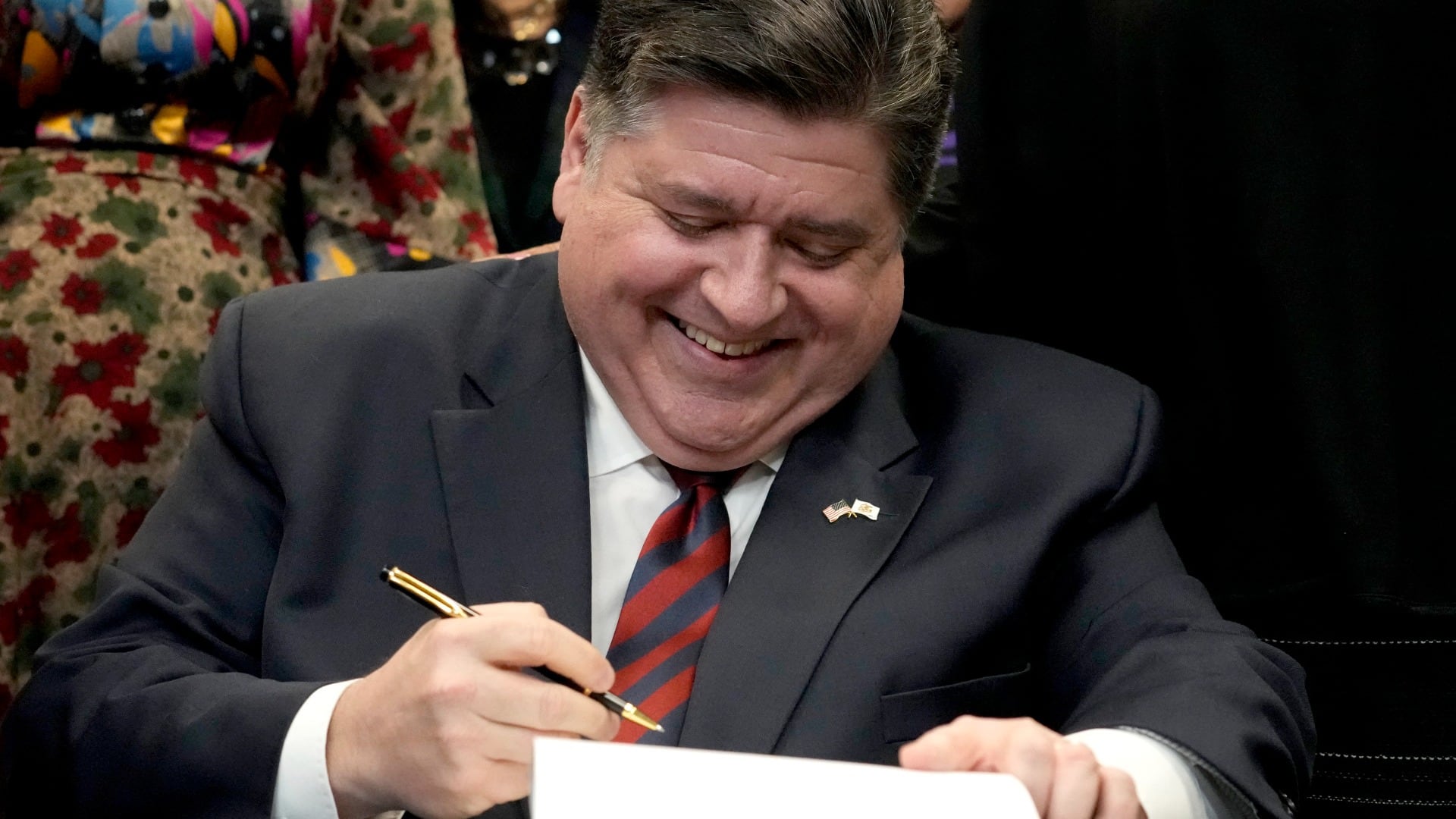
Illinois will become one of three states to require employers to offer paid time off for any reason after Gov. J.B. Pritzker signed a law on Monday that will take effect next year.
Starting Jan. 1, Illinois employers must offer workers paid time off based on hours worked, with no need to explain the reason for their absence as long as they provide notice in accordance with reasonable employer standards.
Just Maine and Nevada mandate earned paid time time off and allot employees the freedom to decide how to use it, but Illinois’ law is further reaching, unencumbered by limits based on business size. Similarly structured regulations that require employers to offer paid sick leave exist in 14 states and Washington, D.C., but workers can only use that for health-related reasons.
Illinois employees will accrue one hour of paid leave for every 40 hours worked up to 40 hours total, although the employer may offer more. Employees can start using the time once they have worked for 90 days. Seasonal workers will be exempt, as will federal employees or college students who work non-full-time, temporary jobs for their university.
Pritzker signed the bill Monday in downtown Chicago, saying: “Too many people can't afford to miss even a day's pay ... together we continue to build a state that truly serves as a beacon for families, and businesses, and good paying jobs.”
Proponents say paid leave is key to making sure workers, especially low-income workers who are more vulnerable, are able to take time off when needed without fear of reprisal from an employer.
But critics say the law will overburden small businesses already struggling to survive the post-pandemic era amid the high inflation that has gripped the nation for nearly two years.
National Federation of Independent Business Illinois state director Chris Davis said that business owners are best positioned to work with their employees one-on-one to meet their needs.
The new law is “a one-size-fits-all solution to a more intricate problem,” he said.
Bill sponsor Rep. Jehan Gordon-Booth, a Peoria Democrat, said the bill is the product of years of negotiations with businesses and labor groups.
“Everyone deserves the ability to take time off,” she said in a statement. “Whether it’s to deal with the illness of a family member, or take a step back for your mental health, enshrining paid leave rights is a step forward for our state."
“This is about bringing dignity to all workers," she said at the signing.
Ordinances in Cook County and Chicago that already require employers to offer paid sick leave have been in place since July 2017, and workers in those locations will continue to be covered by existing laws rather than the new state law.
Any new local laws enacted after the state law takes effect must provide benefits that are greater or equal to the state law.
Molly Weston Williamson, paid leave expert at the Center for American Progress, said the law "creates a strong foundation for employers to build from while generating a healthier, more productive workforce.”
But Williamson added that while Illinois’ law is a step in the right direction, U.S. paid leave laws remain “wildly out of line with all of our economic peers internationally.”
“In the United States, federal law does not guarantee anyone the right to even a single paid day off work. Not when you’re sick, not when you have a baby, not when your mom has a stroke. Not a single paid day," she said.
Joan Van, a server at an international hotel chain and single mother of three, currently has no paid time off.
But the Belleville parent leader with Community Organizing and Family Issues said that knowing that she will have five days next year brings a smile to her face.
“It’s going to help out a lot of people, a lot of mothers, a lot of single mothers at that,” she said.
____
Savage is a corps member for the Associated Press/Report for America Statehouse News Initiative. Report for America is a nonprofit national service program that places journalists in local newsrooms to report on undercovered issues.