By Farnoush Amiri and Lindsay Whitehurst
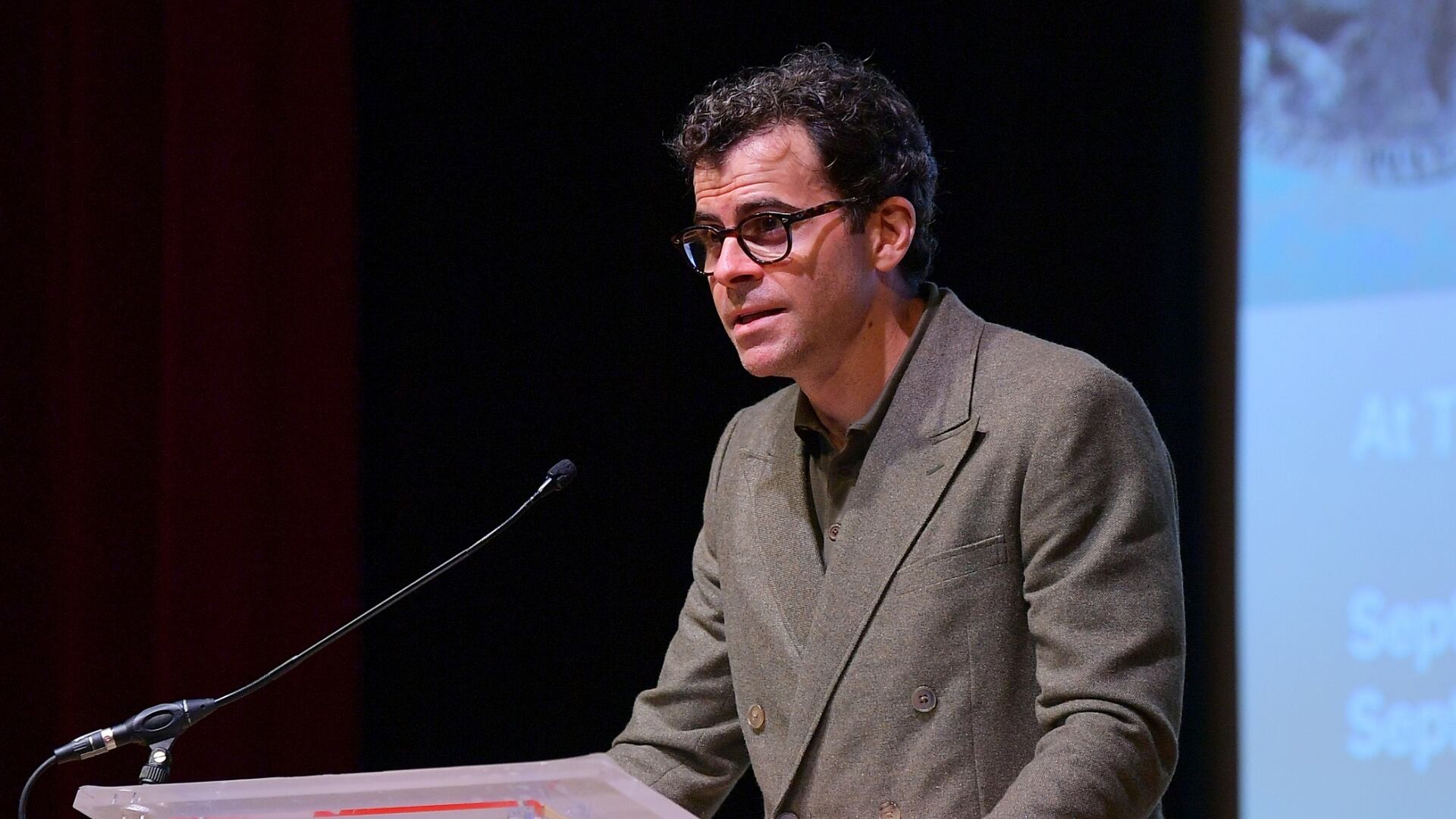
The prosecutor overseeing the Hunter Biden investigation testified Tuesday that he had the ultimate authority in the yearslong case as he made an unprecedented appearance before Congress to rebut Republicans' explosive claims that the probe has been plagued with interference.
David Weiss' interview with the House Judiciary Committee marked the first time a special counsel has ever testified to lawmakers in the middle of a probe. He agreed to the unusual appearance under heavy pressure from House Republicans, who are looking to ramp up their impeachment inquiry into President Joe Biden and his family.
In his opening statement, Weiss told lawmakers he would not answer questions that could jeopardize the investigation and would only talk about the scope of his authority. “I am, and have been, the decision-maker on this case,” he told lawmakers. “I do not, however, make these decisions in a vacuum.”
He acknowledged being required to follow Justice Department guidelines and processes as well as federal law as he carries out his investigation. But those requirements “did not interfere with my decision-making authority,” he said.
No one at the Justice Department, including U.S. attorneys or the tax division, blocked or prevented him from pursuing charges or taking other necessary steps in the investigation, Weiss said.
Lawmakers leaving the interview with Weiss described it as “tedious” and “a waste of time” as the federal prosecutor was bound by Justice Department rules that limit his ability to talk about an ongoing investigation.
“Mr. Weiss was here in incarnate, but not particularly in spirit,” Rep. Matt Gaetz, R-Fla., said during a lunch break. He added that any questions Republicans had about the investigation, Weiss would “demur and say that it was just part of his deliberative process.”
Democrats accused Republicans of trying to interfere with the Hunter Biden investigation by bringing Weiss in to testify.
“This is unprecedented. You never interrupt a prosecution with congressional hearings. This is the first time it’s ever happened,” Rep. Glenn Ivey, D-Md., said after leaving the interview. “And the fact that he can answer your questions is an obvious byproduct of that because he doesn’t want to do anything or say anything that will disrupt a criminal prosecution.”
The rare move by the Justice Department to allow Weiss' testimony before the conclusion of an investigation indicates just how seriously the department is taking accusations of interference.
The interview came after months of back-and-forth negotiations between Republicans on the Judiciary Committee and the Justice Department after lawmakers subpoenaed several investigators and attorneys involved in the Hunter Biden case.
In July, Weiss, looking to correct the record of what he and the department see as a misrepresentation of the investigation, agreed to come to Capitol Hill but only if he was able to testify in a public hearing where he could directly respond to claims of wrongdoing by Republicans.
The Justice Department remained willing to have Weiss testify publicly even after the implosion of a plea agreement with Hunter Biden that could have effectively closed the case, but said he couldn't make more than one appearance in the near term. The two parties ultimately agreed on a closed-door interview with both Democratic and Republican members and their respective staff.
The interview on Tuesday focused on testimony from an Internal Revenue Service agent who claimed that under Weiss, the investigation into the president’s son was “slow-walked” and mishandled. Weiss, who was originally appointed by then-President Donald Trump, has denied one of the more explosive allegations by saying in writing that he had the final say over the case.
And he did so again behind closed doors on Tuesday when he denied bowing to political pressure in the five-year-long investigation, saying the decisions have been based on “the facts and the law.”
“Political considerations played no part in our decision-making,” he said.
Weiss added that he did not feel the need to request special counsel status until August and when he did it was quickly granted by Attorney General Merrick Garland. Like other special counsels, he will prepare a report at the end of his investigation that’s expected to be publicly released.
Two other U.S. attorneys from Washington and California testified in recent weeks that they didn’t block Weiss from filing charges in their districts, though they declined to partner with him on it.
But the IRS whistleblower, who testified publicly over the summer, insists his testimony reflects a pattern of interference and preferential treatment in the Hunter Biden case and not just disagreement with their superiors about what investigative steps to take.
Questions about Hunter Biden’s business dealings overall have been central to a GOP-led impeachment inquiry into the president. That’s been led in part by Judiciary Committee Chairman Jim Jordan, who had a prominent role in the questioning Tuesday.