It's that time of year where people start thinking about vacations and the possibility of buying that second home somewhere tropical. Bill Furlong, Vice President of Americas at HomeAway, joins Your Future Home to give a few tips on how to settle on the perfect second home.
Furlong says that people look for different amenities in a second home and some of them are little more fun than what they would prefer in the main house. Perhaps they want a pool or a hot tub. Some even splurge for an in-home theater or putting green. He says the average person spends around $330,000 on a second home and may rent it out during certain weeks of the year.
Plus, before purchasing a second home you need to consider the costs. Furlong says you'll need to budget for new furniture, upkeep, repairs, taxes and seasonal implications such as weatherproofing and lawn care.
Adam Bry, co-founder and CEO of drone manufacturer Skydio, joined Cheddar News to discuss the company's latest funding round and the Russia-US drone collision.
Credit Suisse saw its shares stabilize after the Swiss National Bank approved a loan of nearly $54 million for the company. A top investor notified Credit Suisse on Wednesday that it wouldn't be able to provide further assistance to the lender.
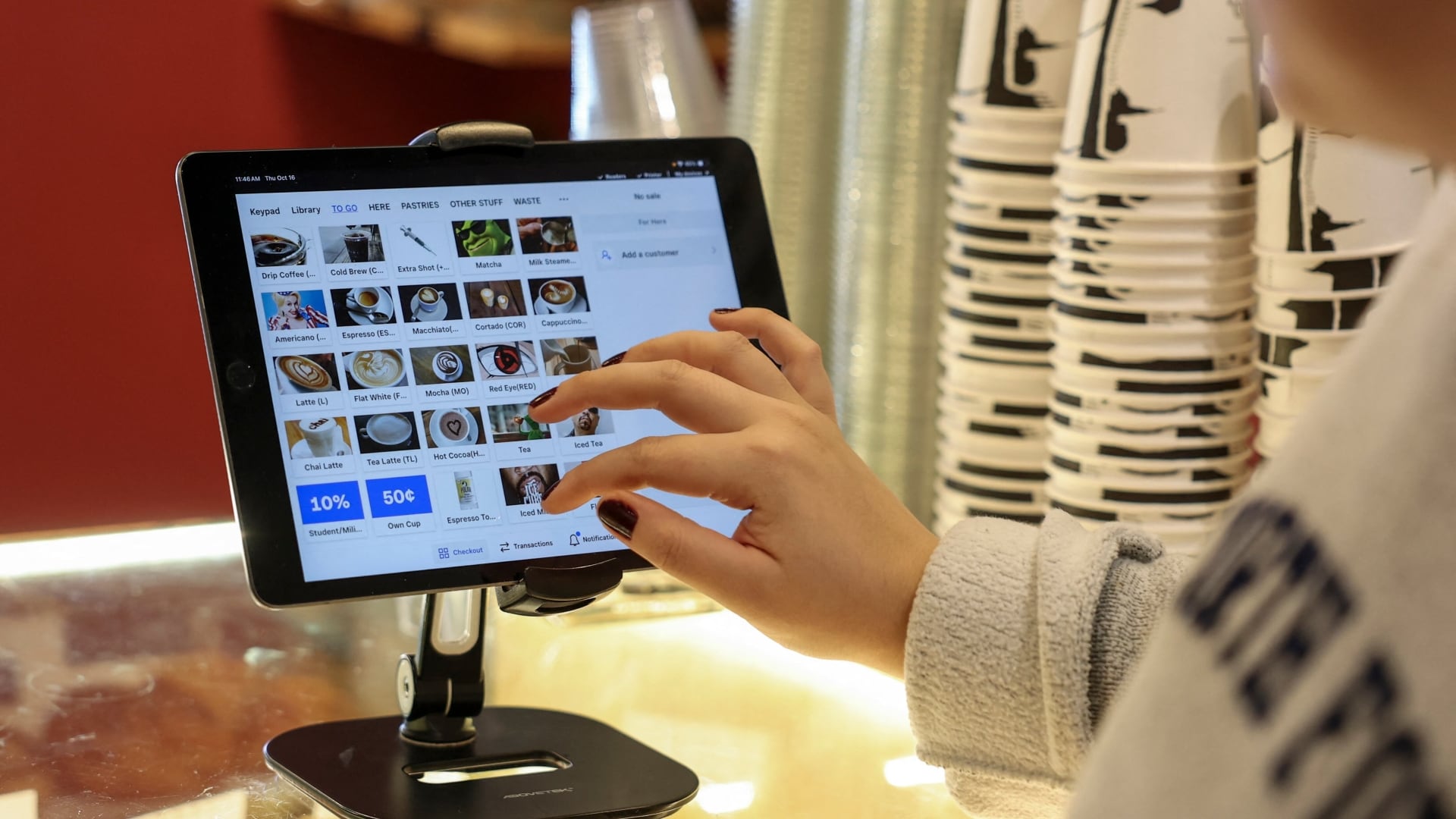
Cheddar News breaks down what surge pricing is and how it works as a variety of businesses are taking notes from models long used by airlines and ridesharing companies to boost profits.
Fewer Americans applied for jobless claims last week as the labor market continues to thrive despite the Federal Reserve's efforts to cool the economy and tamp down inflation.
Stocks rallied after a group of big banks offered a lifeline to the bank Wall Street had zeroed in on in its hunt for the next victim in the industry’s struggles.
The Federal Reserve on Wednesday evening said its long-awaited digital payment system, the FedNow Service, will start operating in July. The service is designed to provide a national platform for financial institutions to settle payments in real-time and at lower cost. That could include large banks, payment processors, and the U.S. Treasury.