In the wake of the 2016 election, social media has been singled out for blame for the ways in which some platforms were so easily manipulated into tools against democracy.
For 23-year-old Richard Wolf, it’s a completely different story; social media is the driving force behind his campaign to become the Democratic nominee in Texas House District 63.
“At least for my district...online communities have really put together a lot of really strong volunteers...and have really mobilized the Democrats in my area,” Wolf told Cheddar.
Wolf has been wielding memes to discuss liberal policy proposals on social media, which he says is the most cost-efficient and unfiltered way to campaign. So far, he has only spent about $200 on online advertising.
“Basically, I just make whatever I want, do whatever I like, and I put that online,” Wolf said. “So far, I’ve been getting pretty positive responses.”
Early voting numbers for the Texas primary on Tuesday show that Democratic turnout has surpassed GOP voting, giving the party momentum and hope to flip the Lone Star State. The Democrats face an uphill battle there as the Republicans now hold 95 of the 150 seats in the state House. But Wolf sees positive signs.
“People are not happy with the Trump administration...and we can see the Republican party kind of losing energy.” said Wolf.
Only time will tell whether the rising Democrat tide will lift Wolf’s boat at the ballot box.
For the full interview, [click here](https://cheddar.com/videos/how-this-texas-house-candidate-is-using-memes-to-move-the-state-leftward).
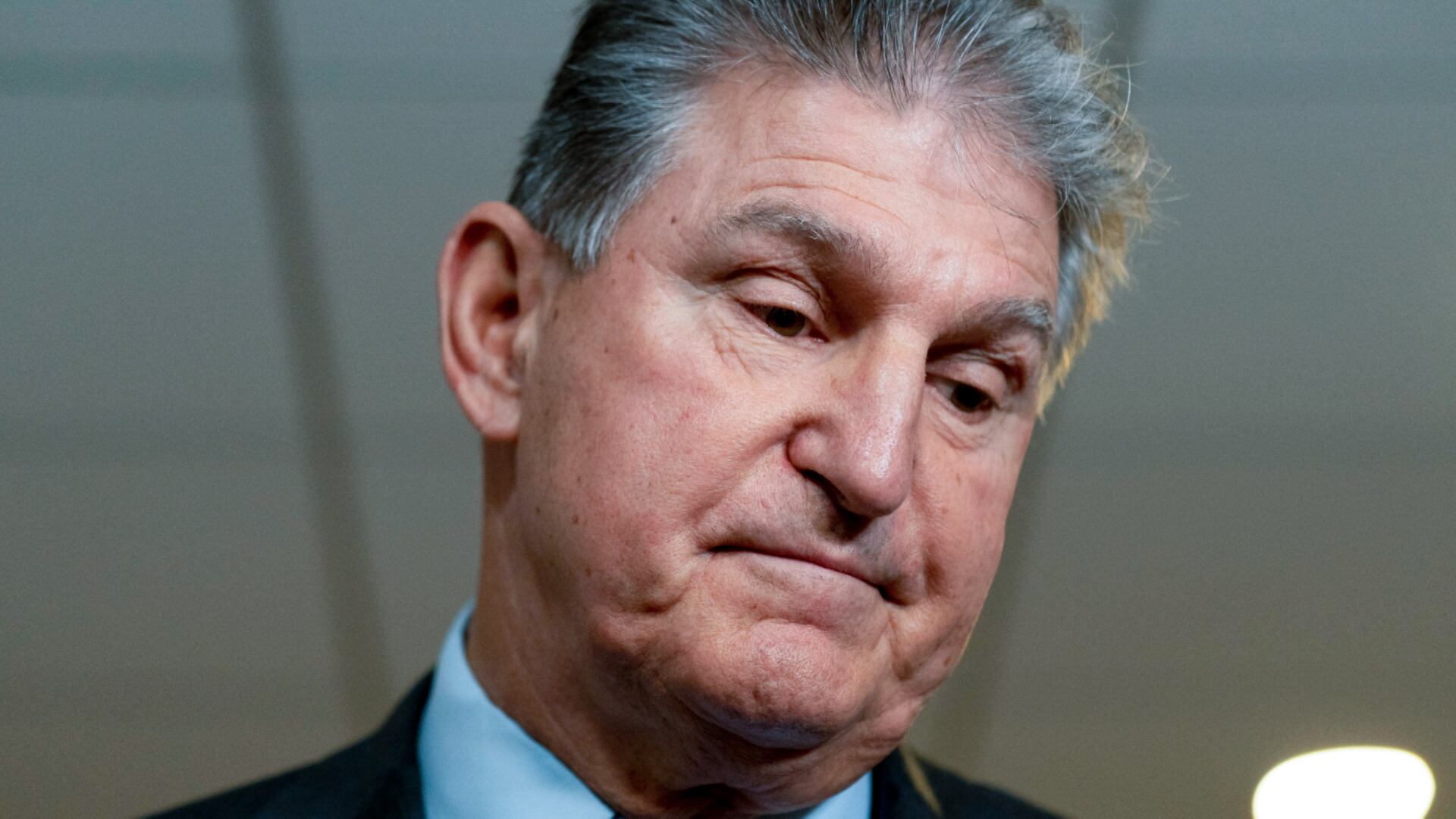
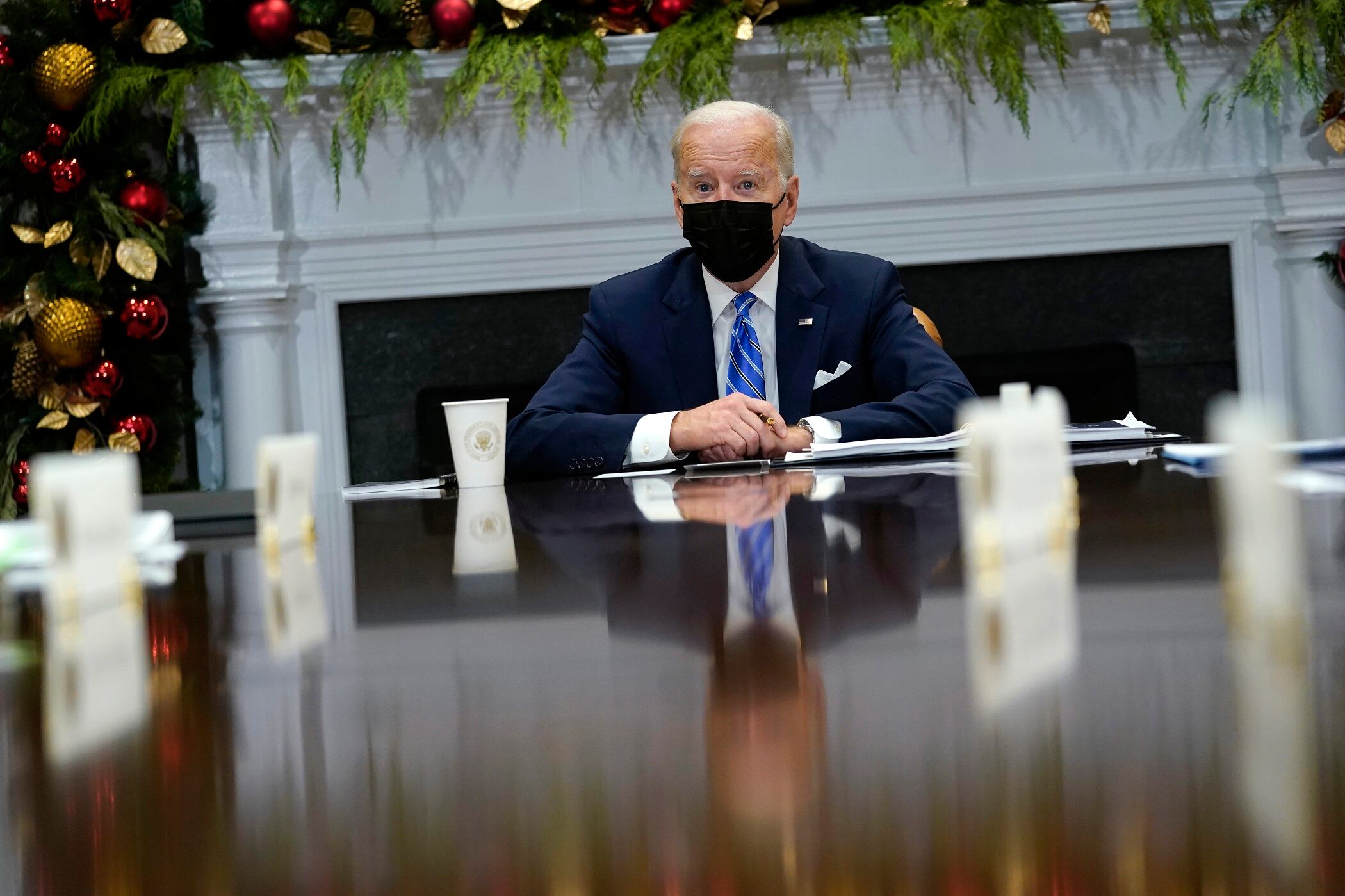
The Hill's White House Correspondent Alex Gangitano joined Wake Up With Cheddar to break down the deterioration of Senator Manchin and President Biden's relationship, as the White House calls out the West Virginia lawmaker for "breaching his commitments to the President."
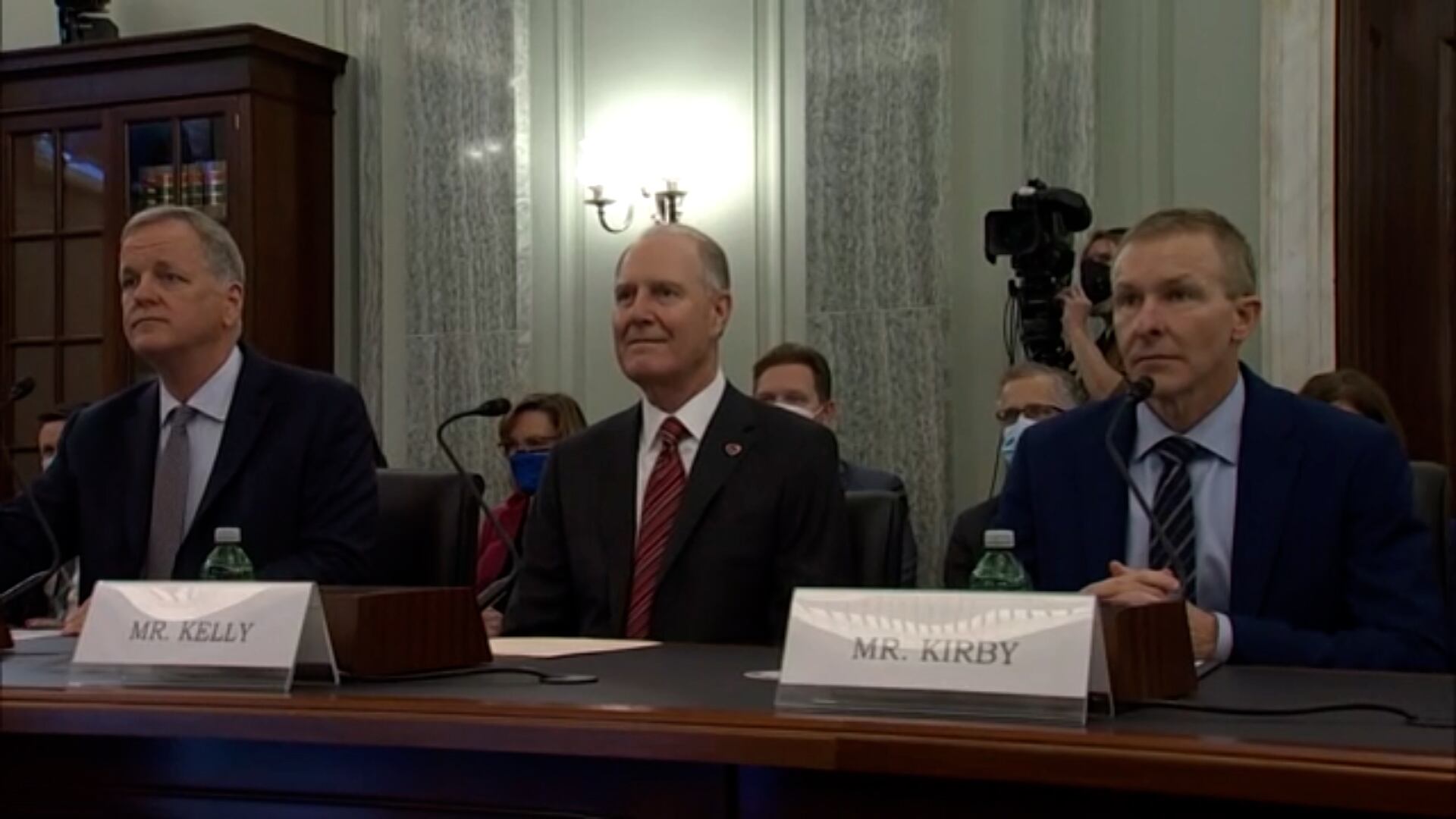
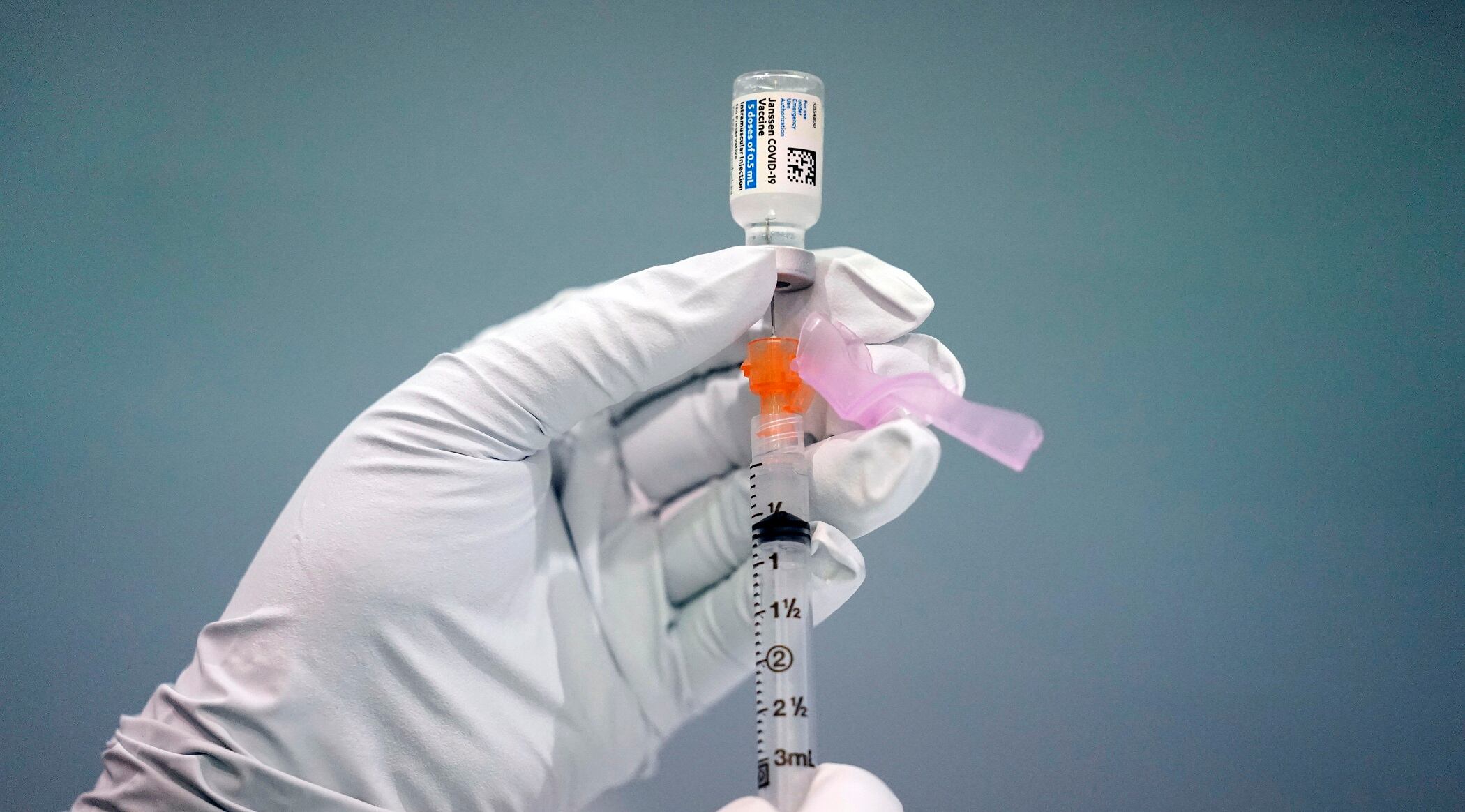
Airline executives faced tough questions from a Senate panel on Wednesday after receiving a $54 billion dollar Covid-19 government lifeline. Congress approved the fund in three rounds covering much of US airlines’ payroll costs for 18 months. During the hearing lawmakers asked CEO’s how they used the federal bailout funds, about staffing issues, flight cancellations, and delays. U.S. airlines reported a record $35 billion dollar loss last year when travel came to an abrupt halt because of the pandemic. Michael Boyd, CEO at the Boyd Group International explains why customers may not be returning to the skies quite so soon.
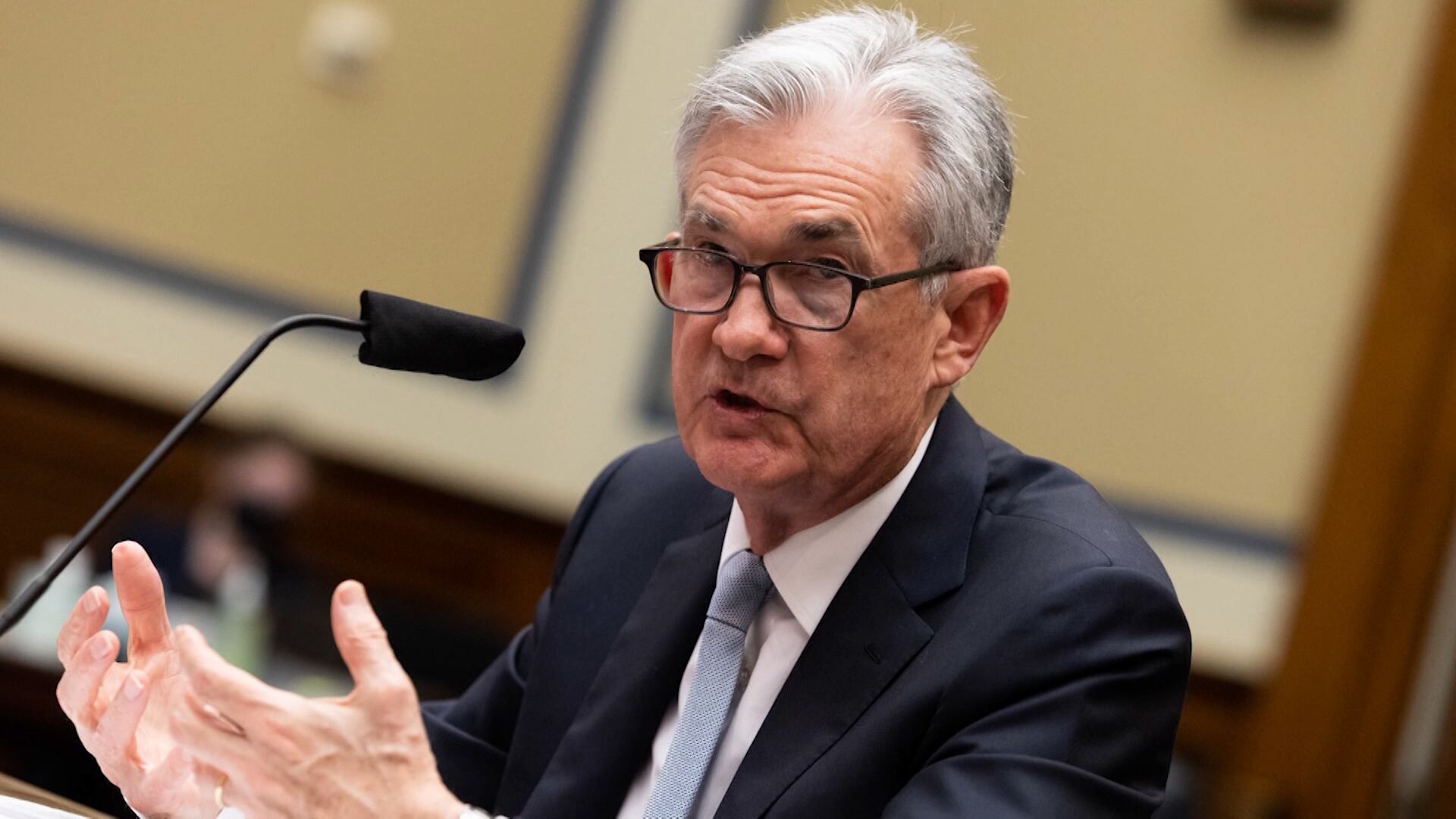
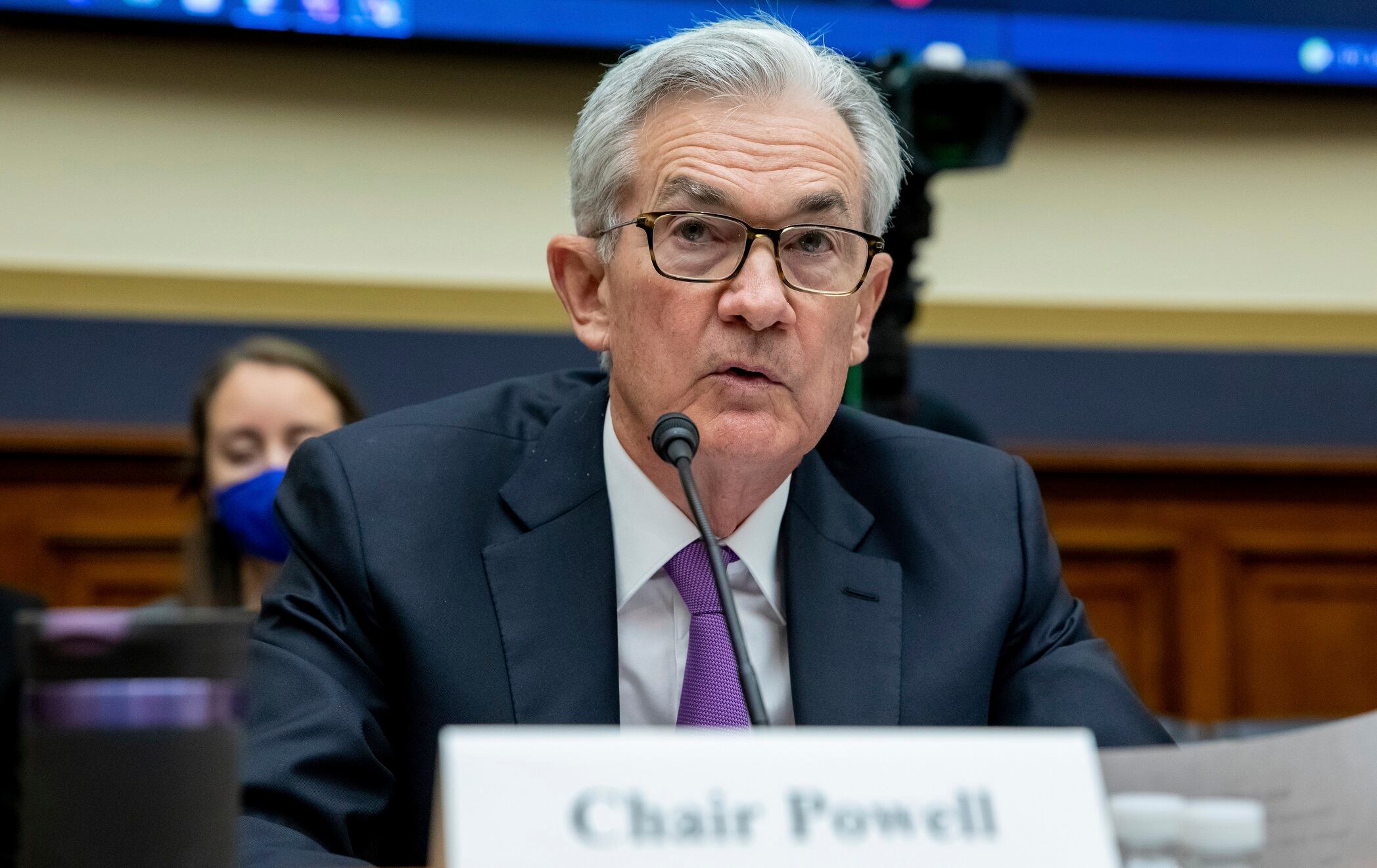
Senior Global Market Strategist at Wells Fargo Investment Institute Scott Wren joined Wake Up With Cheddar to recap the central bank's policy change, and how it may impact the economy moving forward.
Carlo's joined by a quarantining Baker to discuss the headlines from the weekend as Omicron spreads like wildfire, Manchin kills Biden's signature bill and Spider-Man throws a lifeline to the box office.
President Joe Biden is pledging to do “whatever it takes, as long as it takes” to help Kentucky and other states recover and rebuild after a series of deadly tornadoes that he says left a trail of unimaginable devastation.
The Federal Reserve has nixed the controversial word "transitory" to describe inflation in its latest policy statement. The change in language comes as the Fed plans to speed up its tapering of monthly asset purchases.