In the wake of the 2016 election, social media has been singled out for blame for the ways in which some platforms were so easily manipulated into tools against democracy.
For 23-year-old Richard Wolf, it’s a completely different story; social media is the driving force behind his campaign to become the Democratic nominee in Texas House District 63.
“At least for my district...online communities have really put together a lot of really strong volunteers...and have really mobilized the Democrats in my area,” Wolf told Cheddar.
Wolf has been wielding memes to discuss liberal policy proposals on social media, which he says is the most cost-efficient and unfiltered way to campaign. So far, he has only spent about $200 on online advertising.
“Basically, I just make whatever I want, do whatever I like, and I put that online,” Wolf said. “So far, I’ve been getting pretty positive responses.”
Early voting numbers for the Texas primary on Tuesday show that Democratic turnout has surpassed GOP voting, giving the party momentum and hope to flip the Lone Star State. The Democrats face an uphill battle there as the Republicans now hold 95 of the 150 seats in the state House. But Wolf sees positive signs.
“People are not happy with the Trump administration...and we can see the Republican party kind of losing energy.” said Wolf.
Only time will tell whether the rising Democrat tide will lift Wolf’s boat at the ballot box.
For the full interview, [click here](https://cheddar.com/videos/how-this-texas-house-candidate-is-using-memes-to-move-the-state-leftward).
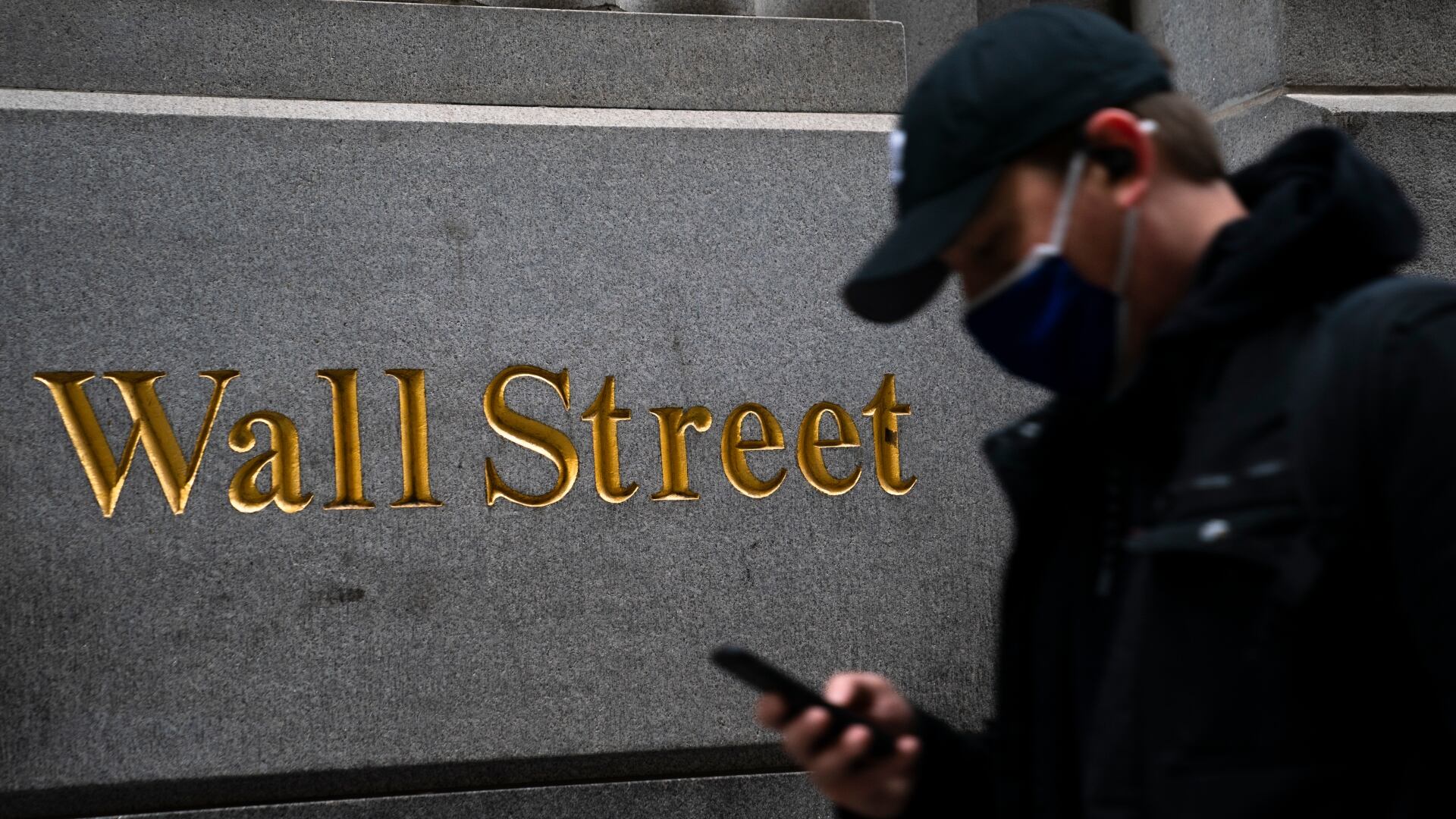
Markets opened slightly higher to kick off the final trading week of the year as investors continue to watch the Omicron variant in the U.S. Sean O'Hara, President, Pacer ETFs joined Cheddar's Opening Bell to discuss what drove early market activity.
Carlo and Baker kick off the weirdest week of the year with all the news you missed over the holiday weekend, including calls for the CDC to shorten its isolation window as Omicron sweeps through the country.
Former professional tennis player Patrick McEnroe joined Cheddar to discuss the troubling issues surrounding player Peng Shuai who appeared potentially to have been silenced following her social media post accusing former Vice-Premier Zhang Gaoli of sexual assault. Shuai's subsequent disappearance, reappearance, and apparent retraction of the accusation in an interview only added to worries. "When this happened, all of us in the tennis community were very concerned. And, by the way, another thing Peng said in this interview was that she doesn't speak very good English," McEnroe noted. "Well I can assure you, she speaks darn good English, 'cause I spoke to her on many occasions over the last 15 years."
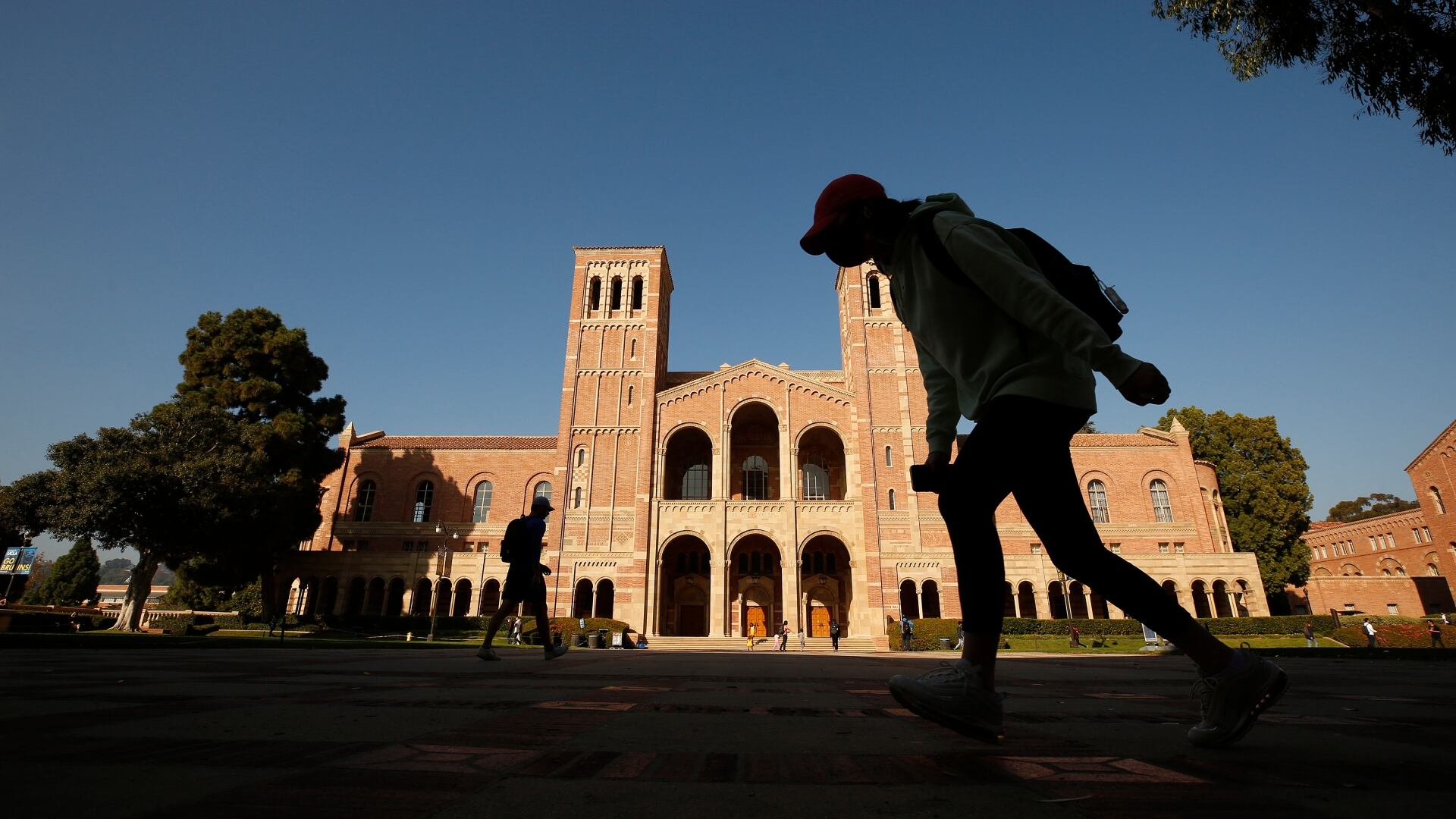
Universities like UCLA, Yale, and Duke have announced they're implementing remote learning amid the COVID omicron variant surge, despite President Biden recommending that K-12 schools should continue in-person education. Jared C. Bass, senior director for Higher Education at American Progress, joined Cheddar to break down what institutions of higher education might be considering differently. "I think some universities are allowing periods of a bit of a respite to allow students to get testing and make sure when they do return back to campus that they're healthy," he noted.
The S&P closed at a record at the major markets ended Thursday's session higher for a third straight day. Adam Coons, Portfolio Manager at Winthrop Capital Management, joins Cheddar News' Closing Bell, where he discusses what has investors feeling jolly before Christmas, and gifts investors with winning buying opportunities entering 2022.
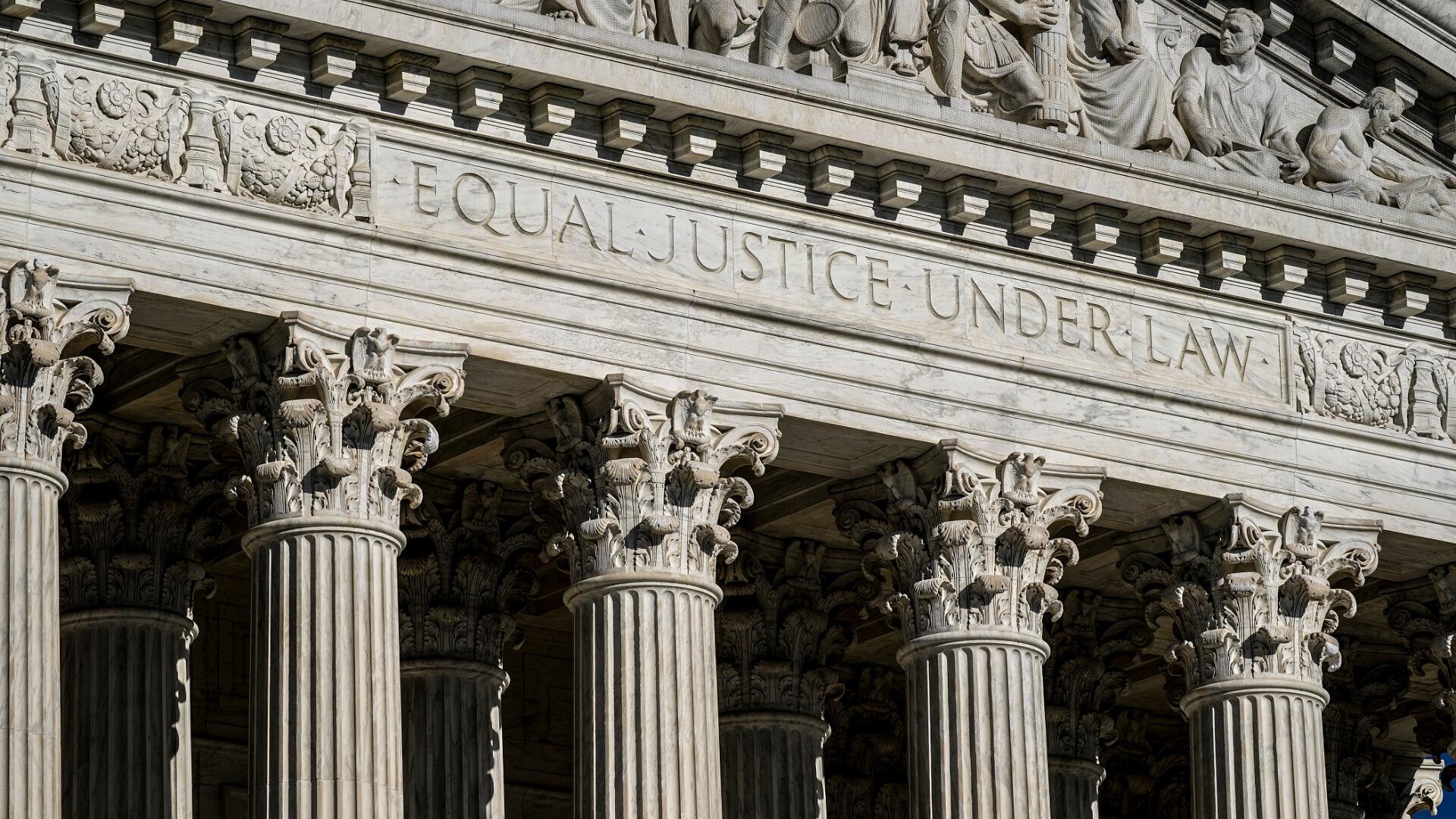
The Supreme Court will hear arguments on President Joe Biden's vaccine mandates for large companies and health care workers on January 7, 2022. The mandates will remain in place until then.
Carlo and Baker cover the heartening news on the Covid front ahead of the holiday, plus President Biden punting student loan repayments again, a new space telescope and Love, Hate, Ate: Christmas Eve Eve Edition!
This year's worldwide semiconductor shortage limited the supply of everything from new cars to smartphones; and now, many in the chip industry expect the shortage to continue deep into 2022, and maybe even 2023. Semiconductor senior research analyst for Robert W. Baird & Co., Tristan Gerra, joins Cheddar News' Closing Bell to discuss.