Survios is an LA-based VR studio focusing on games and experiences that incorporate "active VR." Co-founder and CEO Nathan Burba and Director of Product Hunter Kitagawa reveal the launch of their new musical experience, "Electronauts." It allows users of all skill levels to make, perform, and DJ music in a virtually immersive world.
Burba and Kitagawa walk us through the years of research and development that went into developing the new title. They share the new technology that powers this unique experience. Called the Music Reality Engine, the tech introduces a new instrument and format for interactive music media.
Finally, we learn how Survios created the first VR game to generate $1 million in sales in one month. Burba and Kitagawa break down the company's "fluid locomotion" style of virtual movement. They say it eliminates nausea and motion sickness from the VR experience.
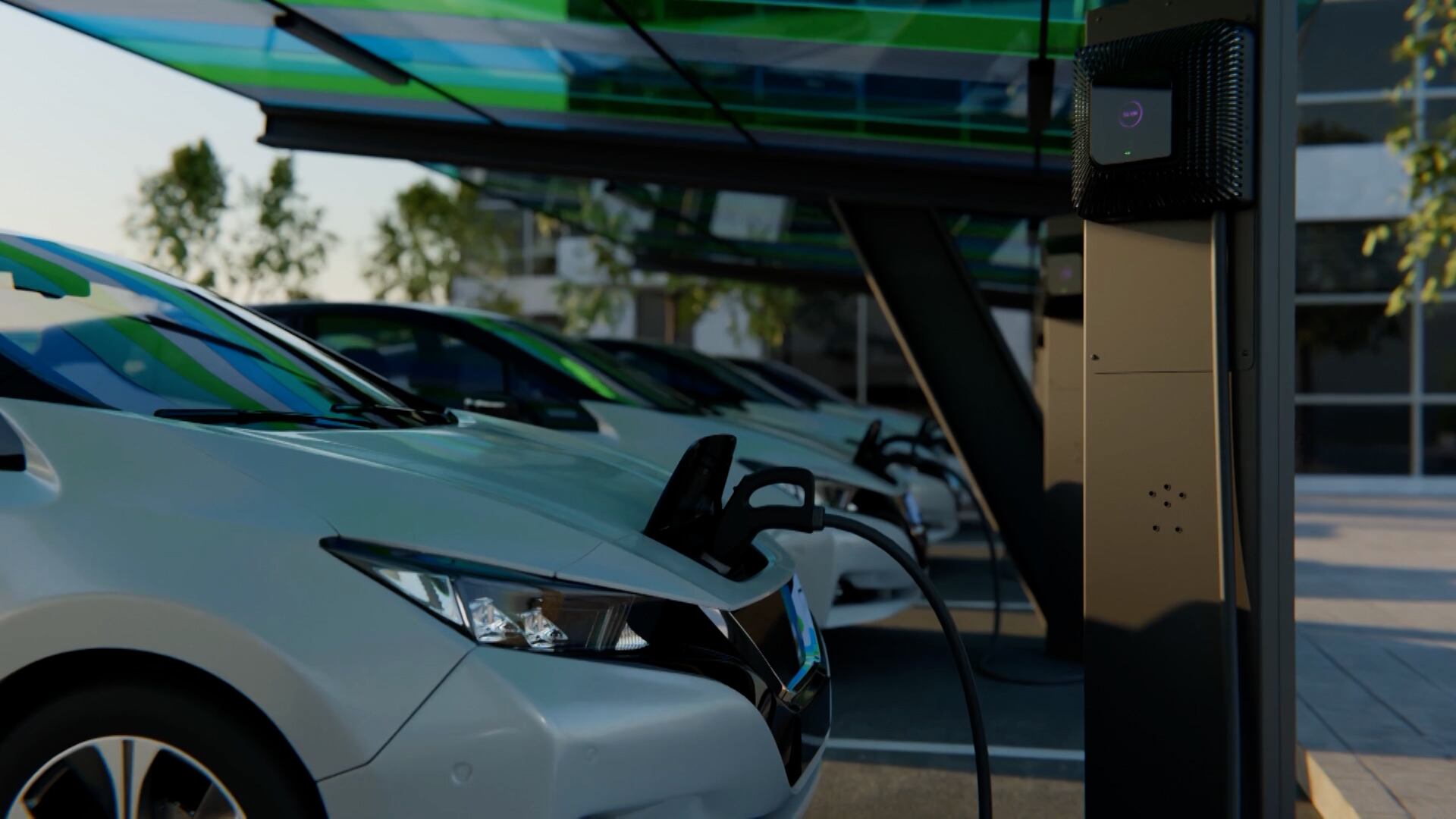
Electric vehicle charging company Wallbox goes public via a SPAC on the NYSE under the ticker symbol WBX.
Wallbox has merged with special purpose acquisition corporation Kensington Capital Acquisition. Enric Asunción, CEO of Wallbox, joins Cheddar News' Closing Bell to discuss.
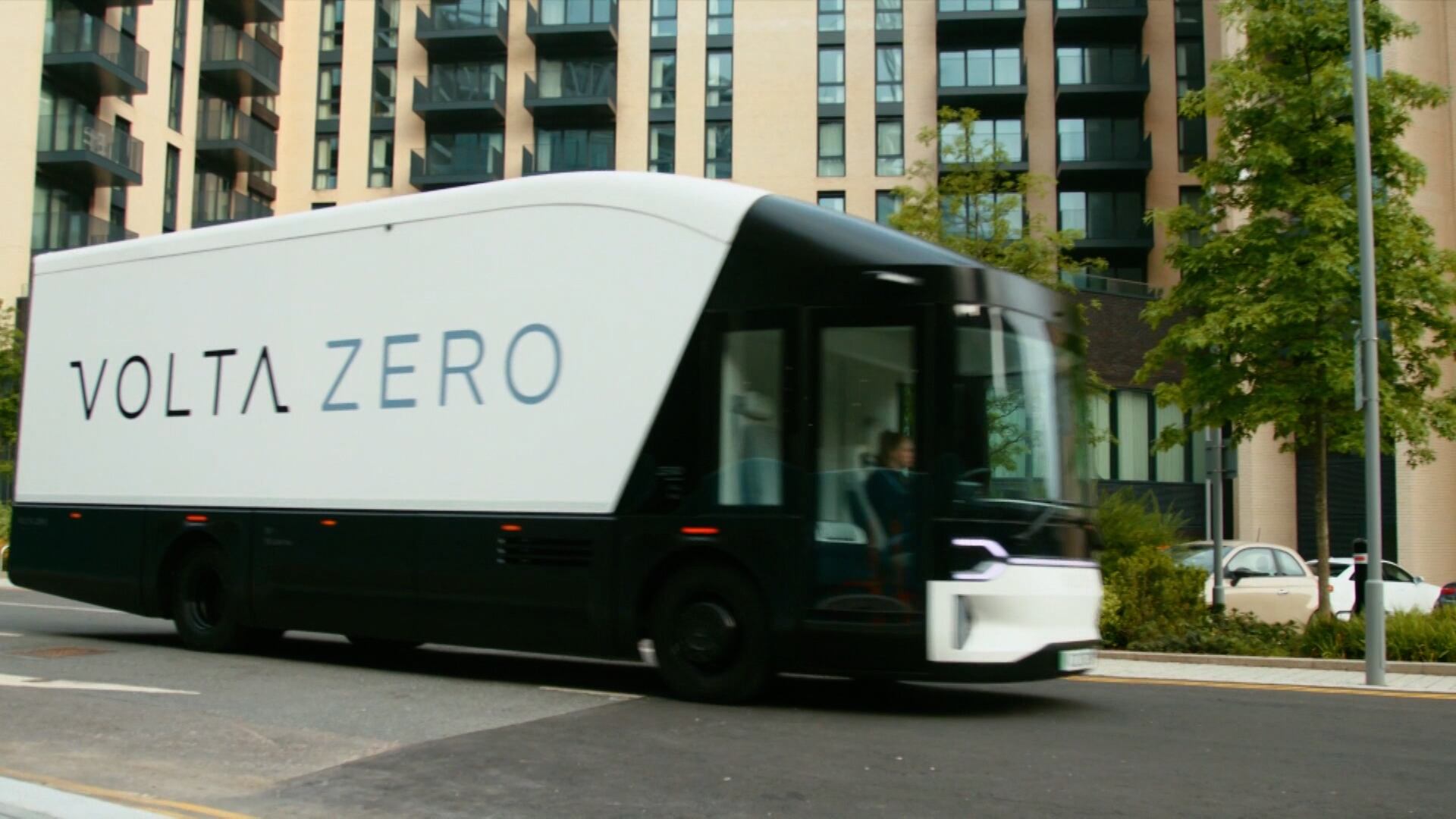
The parcel delivery industry is getting more competitive as more companies enter the space with climate change in mind. Carl-Magnus Norden, founder and executive chairman at Volta Trucks, joined Cheddar to talk about electrifying delivery vehicles as well as the startup’s $44 million funding round. Despite ongoing driver shortages, he noted that he didn't see autonomous delivery being available in city settings within the next five years.
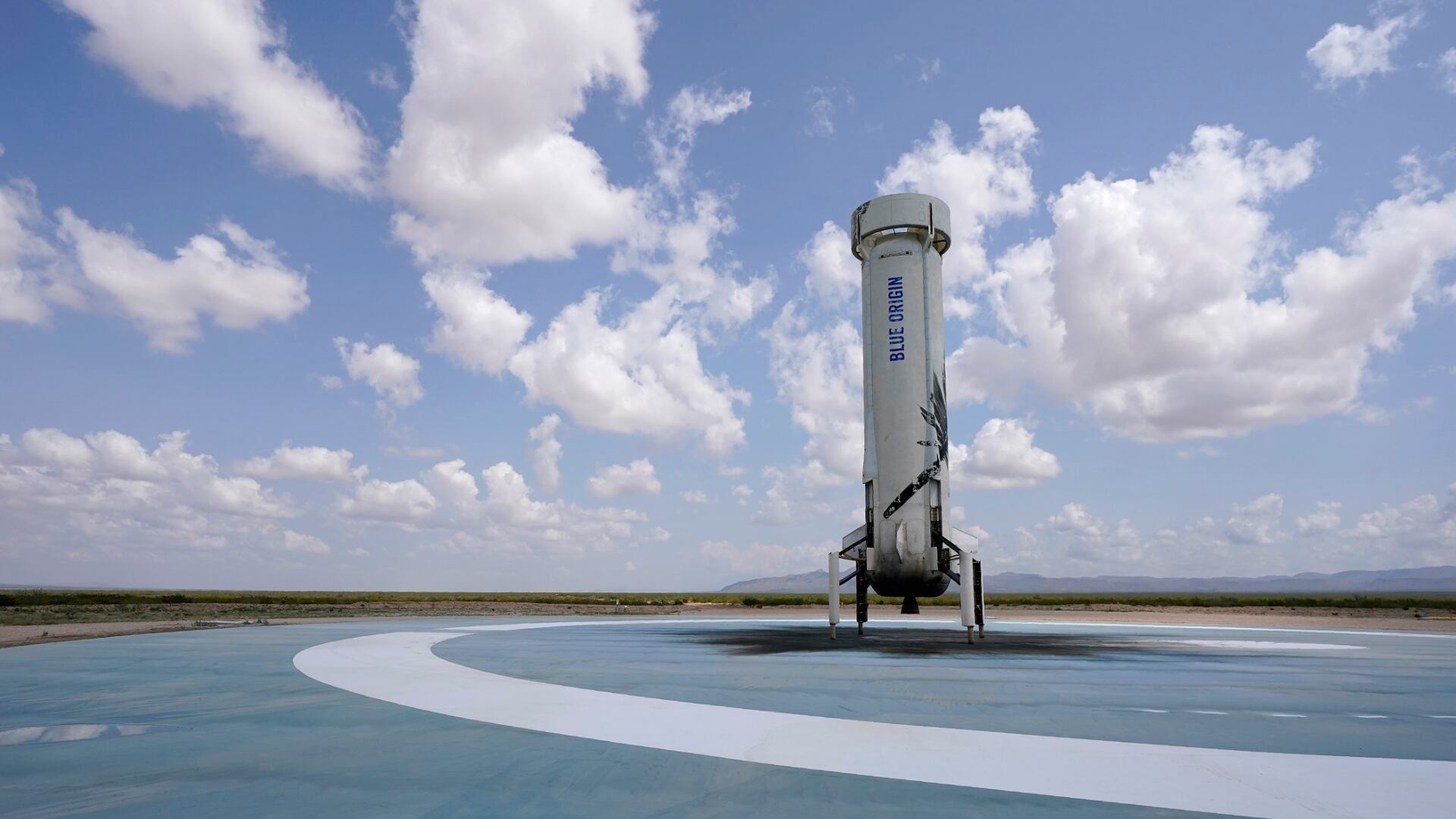
Jeff Bezos' space travel company Blue Origin is under fire after a group of 20 current and former employees signed a letter to the FAA claiming safety violations that were detailed along with accusations of sexual harassment.
Cloud contact center software company Five9's shareholders voted against the $14.7 billion all-stock acquisition deal from Zoom. A return to offices and in-person meetings have been cited for at least some of the reasons the deal ultimately fell through.
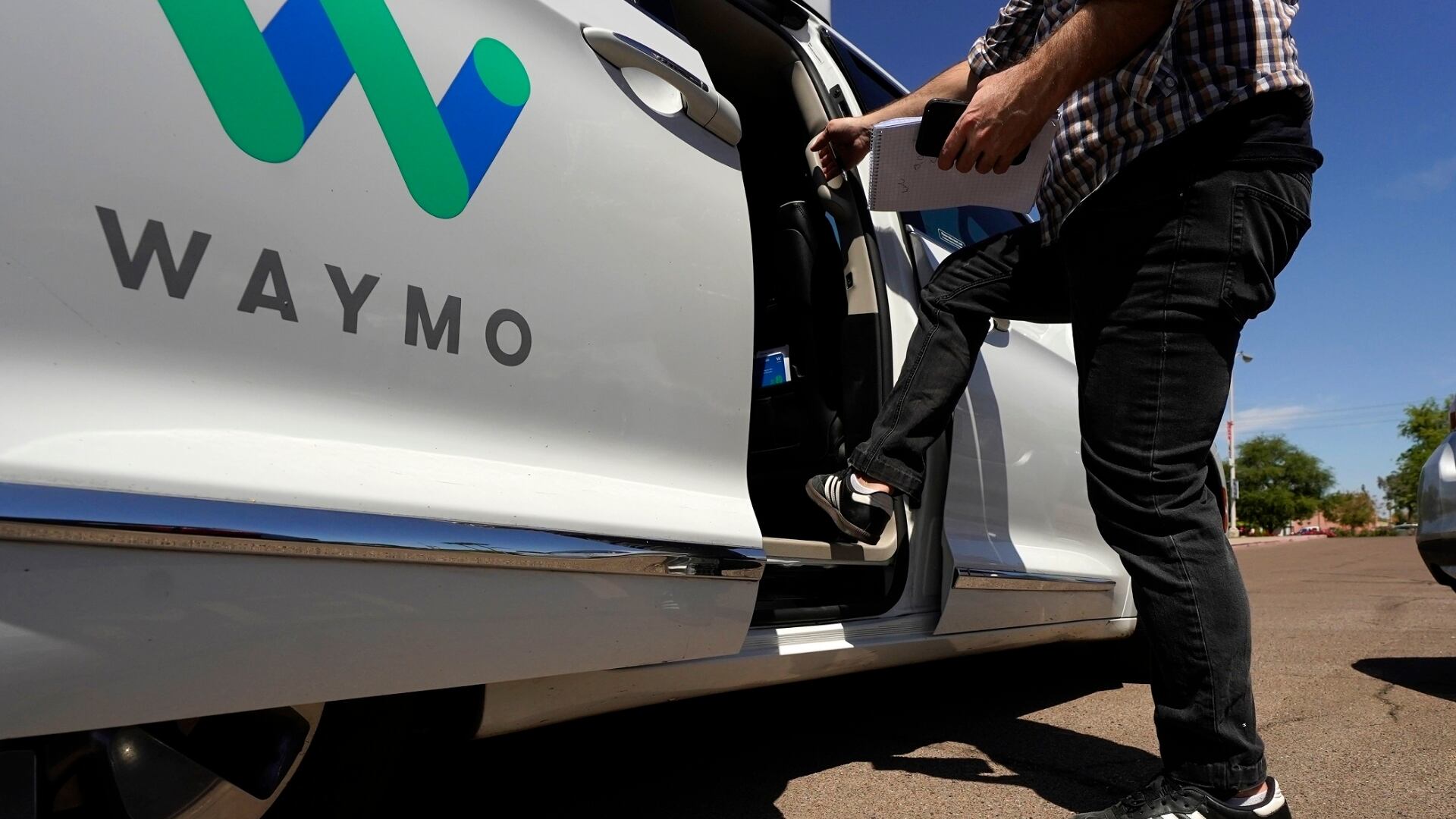
Autonomous car companies Waymo and Cruise are one step closer to offering driverless ridesharing in California after receiving approval from the state's DMV to begin charging fees for their services. Both companies still need approval from the California Public Utilities Commission before offering rides to the public.