*By Carlo Versano*
A few weeks ago, a Buzzfeed [article](https://www.buzzfeednews.com/article/annehelenpetersen/millennials-burnout-generation-debt-work) that coined the term "millennial burnout" went viral, with readers taking to social media to discuss the very particular sense of exhaustion felt by this generation, and how it's different from the universal stresses of daily life.
As Joni Rayos-Samilin, a "transformational" coach, explained to Cheddar, the source of millennial burnout can be traced to ー what else? ー the internet.
"Everyone knows what everyone's doing," Rayos-Samilin said, and social media has amplified that familiar feeling of FOMO to make people, particularly millennials, question their own self-worth.
Is my job good enough? Is my relationship good enough? Am I traveling enough?
It's exhausting.
That 24/7 feeling of being connected extends to work, where employees feel like they're never "off the clock." Even if companies tell their workers they don't need to respond to emails and Slack messages at all hours of the day, many still do out of a sense of responsibility or fear that if they don't, someone else will.
Burnout, of course, is a universal problem that has been exacerbated by the digital age. But the millennial generation is the first to fully deal with it as adults. In order to cope, Rayos-Samilin said she recommends to her clients that they create boundaries and set priorities, like scheduling time for the "real world" things that they value: conversations with friends, exercise, and even limited amounts of social media.
"Do what you need to do for self care," she said. Otherwise, it becomes too easy to give into the outside pressures of the connected world.
Rayos-Samilin said she's already seeing a backlash against constant social media use in some of her millennial clients, and [anecdotal data](https://sciencetrends.com/much-of-generation-z-might-be-leaving-facebook-and-other-social-media-platforms-behind/) shows that has spread to the next generation, known as Gen Z.
If there's a single way to fight burnout it's this: stop comparing yourself to others. That's a skill that goes back to the Buddhists, who use mindfulness meditation techniques to remind themselves to stay grounded in the present moment. Most of what you see online is a construct anyway, Rayos-Samilin said. It takes time, patience, and energy to fight the desire to wonder whether what you're doing is good enough ー especially now that everyone has a constant reminder in their pocket that someone, somewhere, is doing it better.
The government can't afford to keep paying some Covid bills, a cheerleader gets an NIL deal for March Madness rescue, and fans will get to watch Beyoncé during the Oscars. Here is all the news you Need2Know for Wednesday, March 23, 2022.
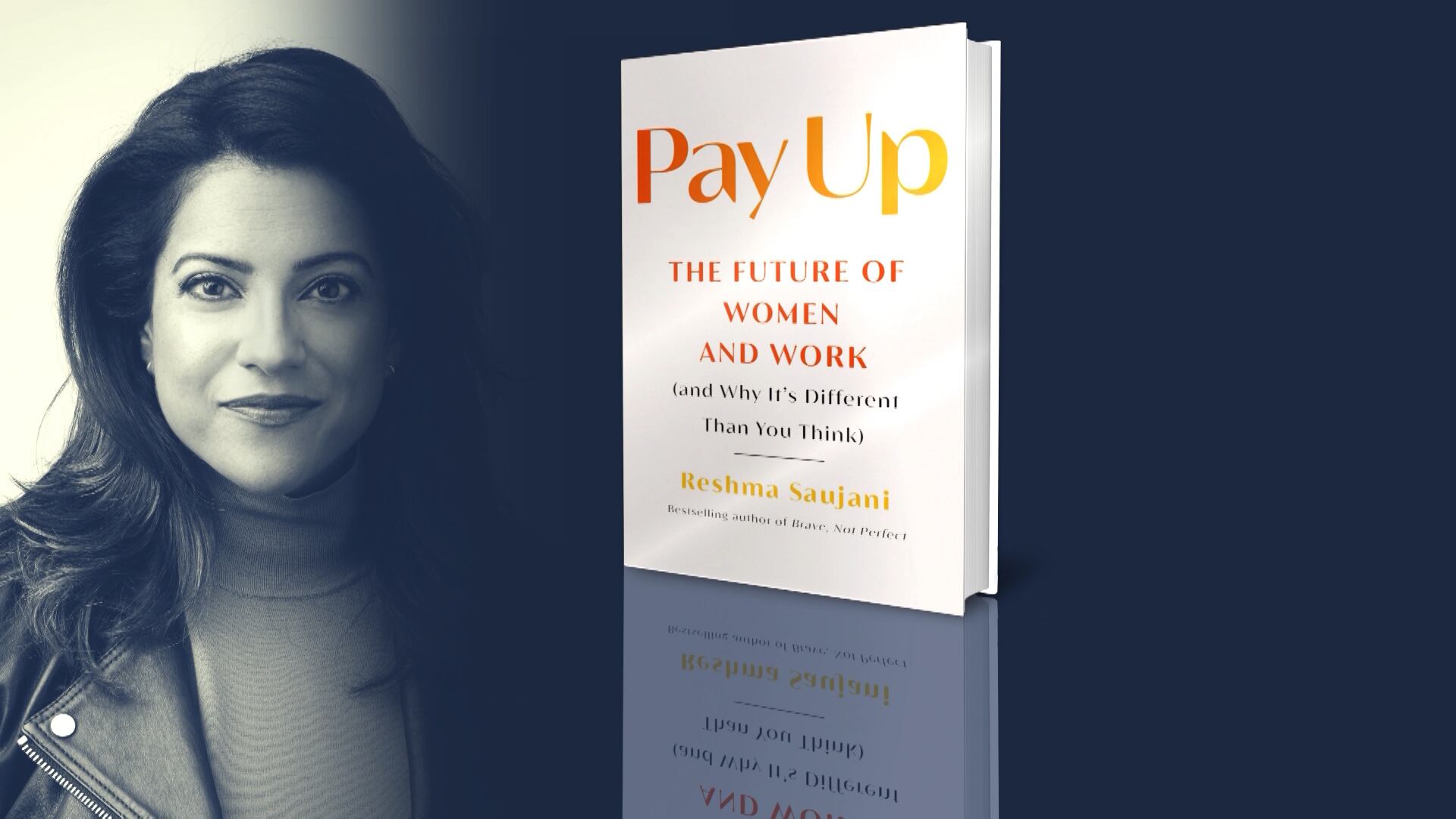
Reshma Saujani, the founder of Girls Who Code and author of "Pay Up: The Future of Women and Work (and Why It's Different Than You Think), joined Cheddar to discuss the many challenges for women in the workplace after the upheaval caused by the pandemic and the solutions she presents.
Companies are leaning towards hybrid workforces due to the pandemic as a means of bringing back workers to the office — especially women employees. Head of HR technology at Capital One, Maureen Jules-Perez, joined Cheddar News to talk about initiatives and technology that the bank is taking to set up a successful hybrid workplace. "Do we have the experiences or the spaces for everyone to feel belonging or included? Do we feel heard? And of course, when it comes to building products, we have all the different, diverse perspectives and thoughts and ideas being incorporated to have the optimal solution or delivery," she said.
Hate crimes from the start of 2022 against Asians reportedly more than doubled compared to 2021, according to the NYPD. Amid the surge of attacks, Amber Reed, the president and co-founder of the grassroots organization AAPI Montclair, joined Cheddar News to talk about how it's looking to help Asian Americans with classes and techniques to defend themselves. “We're seeing racism literally killing people who look like us, and these self defense classes are a chance for us to rewrite a narrative of victimhood into one of empowerment," she said. "We learn first how to be aware of our surroundings because we know that being distracted, appearing weak can make you a target, and then that we focus on disengagement."
Sunny Balwani faces allegations of defrauding investors and patients. He's been charged with several counts of wire fraud and conspiracy to commit wire fraud, with each carrying a penalty of up to 20 years in prison. Cheddar News sat down with Andrey Spektor, partner at Bryan Cave Leighton Paisner and former federal prosecutor, joins Cheddar News to discuss.
Reshma Saujani, the founder of the nonprofit Girls Who Code, discusses the workplace inequities further exposed by the pandemic and her latest book, "Pay Up: The Future of Women and Work (and Why It's Different Than You Think).