*By Carlo Versano*
A few weeks ago, a Buzzfeed [article](https://www.buzzfeednews.com/article/annehelenpetersen/millennials-burnout-generation-debt-work) that coined the term "millennial burnout" went viral, with readers taking to social media to discuss the very particular sense of exhaustion felt by this generation, and how it's different from the universal stresses of daily life.
As Joni Rayos-Samilin, a "transformational" coach, explained to Cheddar, the source of millennial burnout can be traced to ー what else? ー the internet.
"Everyone knows what everyone's doing," Rayos-Samilin said, and social media has amplified that familiar feeling of FOMO to make people, particularly millennials, question their own self-worth.
Is my job good enough? Is my relationship good enough? Am I traveling enough?
It's exhausting.
That 24/7 feeling of being connected extends to work, where employees feel like they're never "off the clock." Even if companies tell their workers they don't need to respond to emails and Slack messages at all hours of the day, many still do out of a sense of responsibility or fear that if they don't, someone else will.
Burnout, of course, is a universal problem that has been exacerbated by the digital age. But the millennial generation is the first to fully deal with it as adults. In order to cope, Rayos-Samilin said she recommends to her clients that they create boundaries and set priorities, like scheduling time for the "real world" things that they value: conversations with friends, exercise, and even limited amounts of social media.
"Do what you need to do for self care," she said. Otherwise, it becomes too easy to give into the outside pressures of the connected world.
Rayos-Samilin said she's already seeing a backlash against constant social media use in some of her millennial clients, and [anecdotal data](https://sciencetrends.com/much-of-generation-z-might-be-leaving-facebook-and-other-social-media-platforms-behind/) shows that has spread to the next generation, known as Gen Z.
If there's a single way to fight burnout it's this: stop comparing yourself to others. That's a skill that goes back to the Buddhists, who use mindfulness meditation techniques to remind themselves to stay grounded in the present moment. Most of what you see online is a construct anyway, Rayos-Samilin said. It takes time, patience, and energy to fight the desire to wonder whether what you're doing is good enough ー especially now that everyone has a constant reminder in their pocket that someone, somewhere, is doing it better.
With so many high-profile court cases taking over the media, from the trial over the murder of Ahmaud Arbery to the trial of Kyle Rittenhouse to the ongoing Elizabeth Holmes trial, Cheddar took a look at these cases and why there is such a big interest in them. Rachel Fiset, a white collar criminal defense lawyer and partner with Zeiback, Fiset, and Coleman, and Bryan Hance, attorney-at-law, professor, and academic program director of the pre-law and paralegal studies program at National University, joined Cheddar for a roundtable discussion on why there is so much public interest in so-called courtroom drama.
2022 is just around the corner and one of the world's most famous trendspotters says that there is a wide-ranging mix of trends coming up in the new year that could impact businesses, culture, and our society at large.
Trendspotter and cultural zeitgeist analyst Marian Salzman, joined Cheddar to discuss more.
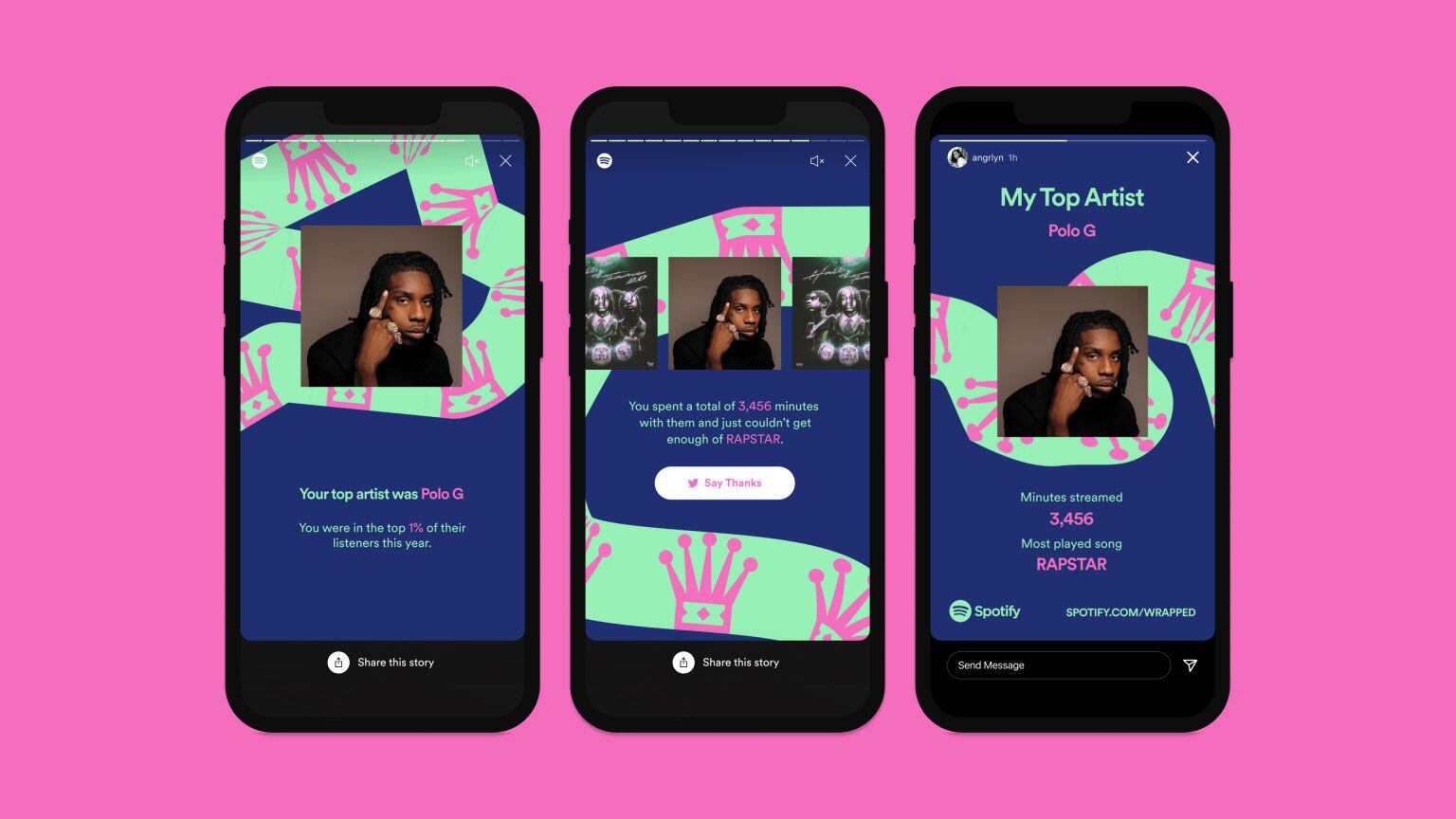
Spotify has just officially released its 2021 'Wrapped'. For the past few years, the streaming giant has been presenting customers with their listening habits from the prior year, including favorite artists, most listened to the genre, podcasts, songs you name it. However, critics say this method just shows how apps can collect our data. CEO of Prevailion Karim Hijazi, joined Cheddar to discuss more.
Recent internal documents obtained by the New York Times reveal how exactly TikTok's algorithm works. The report highlights how the app is mainly focused on retaining two metrics which are retention and time spent. In addition, the document titled, "TikTok Algo 101" details how the algorithm understands human nature from when we get bored to our sensitivity and culture ques. It means the app monitors will kind of videos you like. Professor of Computer Science at the University of California in San Diego Julian McCauley, joined Cheddar to discuss more.
According to a recent study by a group of international researchers, artificial intelligence can predict new illegal drugs before they hit the streets. This method could help save lives and fight crime. Professor of Computing Science at the University of Alberta, joined Cheddar to discuss more.
Carlo and Baker discuss the sweeping new vaccine mandate in NYC that will target all private businesses. Plus, Trump's media venture gets its CEO and more.
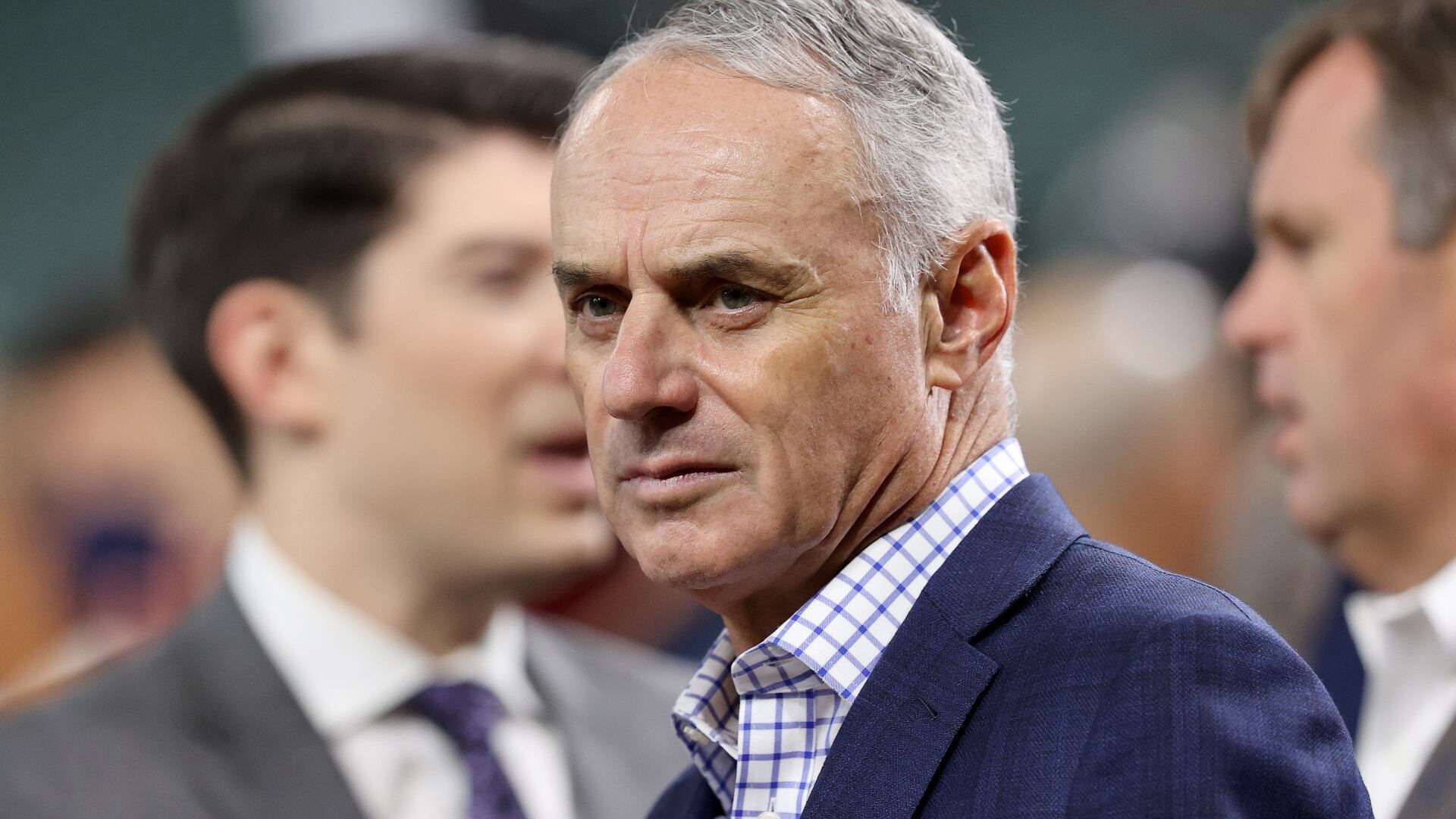
A lockout is now in place for Major League Baseball. The collective bargaining agreement between the league and players association expired at 11:59 p.m. Wednesday night.
MLB commissioner Rob Manfred said both sides were unable to negotiate a new contract by that time, so the league locked out the players on Thursday at 12:01 a.m. The lockout also means trades and free agency deals have to stop for now. Dodgers Nation lead editor Clint Pasillas joined Cheddar News' Closing Bell to discuss.
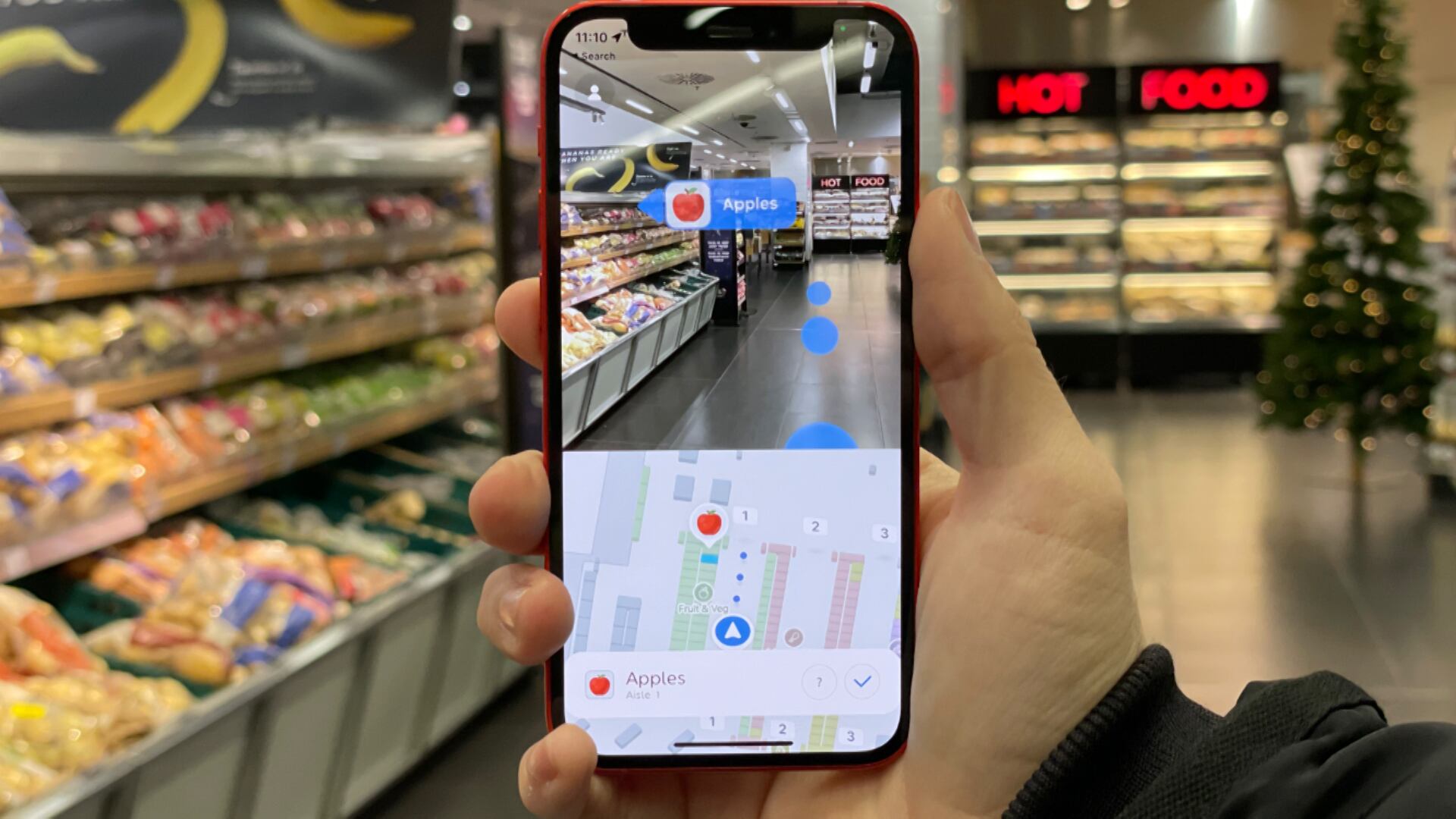
The UK-based augmented reality startup, Dent Reality, raised the equivalent of $3.4 million USD in its most recent funding round. Dent Reality has created an AR app for smartphones that helps shoppers navigate retail locations by providing a layout of a store's aisles, while showing where to find specific items. The company works mainly with grocery stores but aims to integrate its tech with all types of physical spaces. Dent Reality CEO Andrew Hart joins Cheddar News' Closing Bell to discuss.