*By Carlo Versano*
A few weeks ago, a Buzzfeed [article](https://www.buzzfeednews.com/article/annehelenpetersen/millennials-burnout-generation-debt-work) that coined the term "millennial burnout" went viral, with readers taking to social media to discuss the very particular sense of exhaustion felt by this generation, and how it's different from the universal stresses of daily life.
As Joni Rayos-Samilin, a "transformational" coach, explained to Cheddar, the source of millennial burnout can be traced to ー what else? ー the internet.
"Everyone knows what everyone's doing," Rayos-Samilin said, and social media has amplified that familiar feeling of FOMO to make people, particularly millennials, question their own self-worth.
Is my job good enough? Is my relationship good enough? Am I traveling enough?
It's exhausting.
That 24/7 feeling of being connected extends to work, where employees feel like they're never "off the clock." Even if companies tell their workers they don't need to respond to emails and Slack messages at all hours of the day, many still do out of a sense of responsibility or fear that if they don't, someone else will.
Burnout, of course, is a universal problem that has been exacerbated by the digital age. But the millennial generation is the first to fully deal with it as adults. In order to cope, Rayos-Samilin said she recommends to her clients that they create boundaries and set priorities, like scheduling time for the "real world" things that they value: conversations with friends, exercise, and even limited amounts of social media.
"Do what you need to do for self care," she said. Otherwise, it becomes too easy to give into the outside pressures of the connected world.
Rayos-Samilin said she's already seeing a backlash against constant social media use in some of her millennial clients, and [anecdotal data](https://sciencetrends.com/much-of-generation-z-might-be-leaving-facebook-and-other-social-media-platforms-behind/) shows that has spread to the next generation, known as Gen Z.
If there's a single way to fight burnout it's this: stop comparing yourself to others. That's a skill that goes back to the Buddhists, who use mindfulness meditation techniques to remind themselves to stay grounded in the present moment. Most of what you see online is a construct anyway, Rayos-Samilin said. It takes time, patience, and energy to fight the desire to wonder whether what you're doing is good enough ー especially now that everyone has a constant reminder in their pocket that someone, somewhere, is doing it better.
While people have been spending more time on their phones throughout the pandemic, a new report shows they were also spending more money as well. A review from Sensor Tower on the global app ecosystem this year found that the app economy will see record consumer spending in 2021, up nearly 20% from 2020. Sensor Tower director of sales and financial institutions Anthony Bartolacci joins Cheddar News' Closing Bell to break down the report.
The future of gambling in Florida recently suffered a major setback after a federal appeals court rejected a request from the state and the Seminole Tribe to allow online sports betting in the state. Now, the tribe has been forced to stop taking bets on its Hard Rock sportsbook app. ESPN gaming writer David Purdum joins Cheddar News' Closing Bell to discuss what this could mean for the future of sports betting in Florida.
Web3 software startup Thirdweb has raised $5 million in a funding round, coming from a group of high-profile investors, including Gary Vaynerchuk and Mark Cuban. Thirdweb says it is paving the way for the revolution surrounding the new iteration of the internet known as web3, by offering users free tools to build their own web3 projects. Thirdweb's co-founders Steven Bartlett and Furqan Rydhan join Cheddar News' Closing Bell to discuss.
Decentralized talent network Braintrust recently closed an atypical equity deal that involved investors buying $100 million in Braintrust tokens, the company's cryptocurrency. Braintrust's talent network is built on blockchain technology, which the company says allows it to be owned and built by users, instead of a centrally-controlled corporation. Braintrust users can also earn tokens for their contributions to the network and its growth. Braintrust co-founder Adam Jackson joins Cheddar News' Closing Bell to discuss.
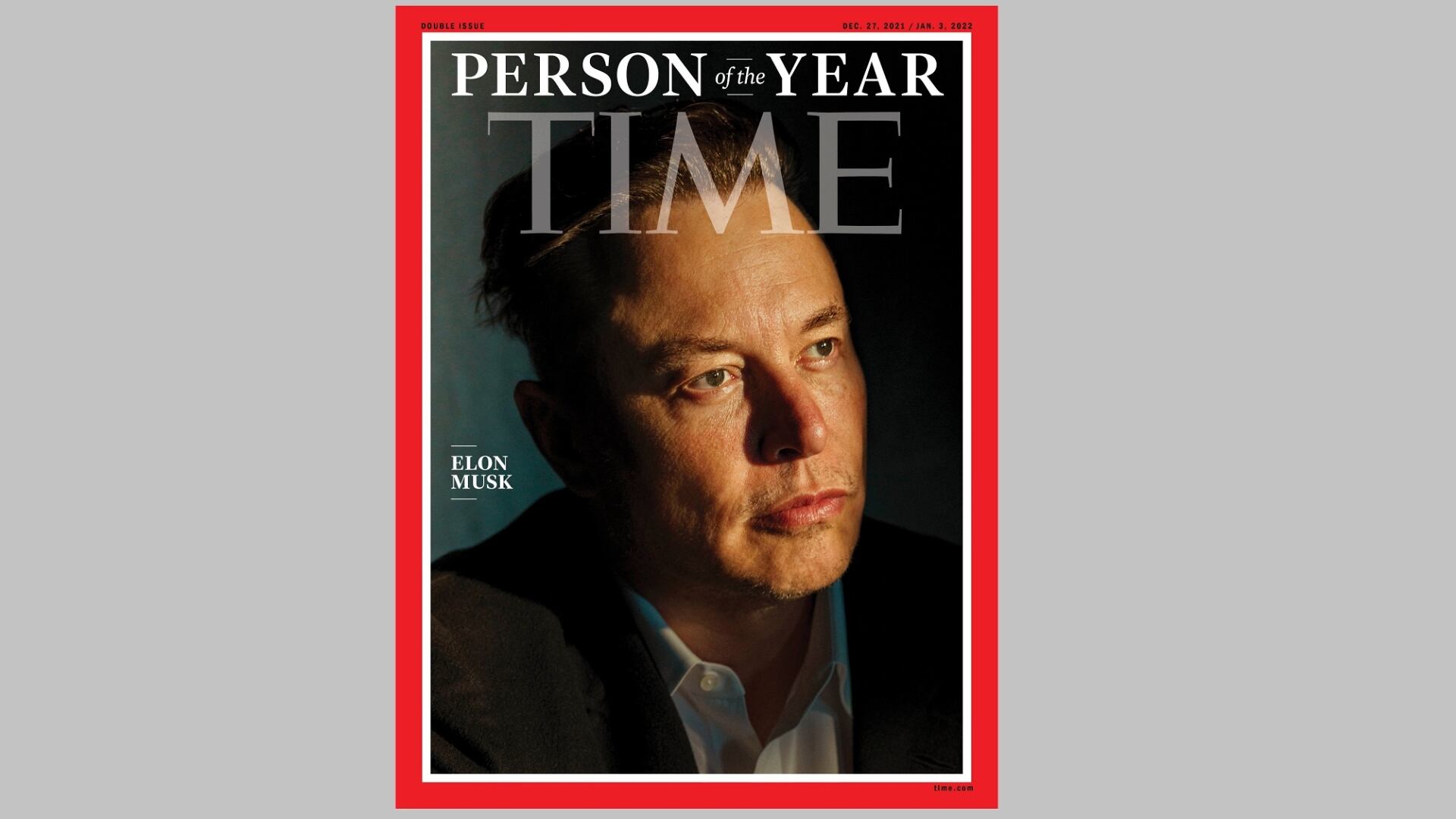
Time magazine has unveiled SpaceX and Tesla CEO Elon Musk as Person of the Year for 2021. Jeffrey Kluger, editor at large for Time, told Cheddar that Musk's impact on so many facets of forward-looking industries like crypto, solar power, electric vehicles, and especially his work on space travel were the reasons behind the selection. "On balance, Musk is performing on so many levels and in so many venues that it was hard not to consider him our Person of the Year," he said. Kluger also noted that the choice is based upon the influence the subject has had, whether good or bad and is not a judgment on its own.
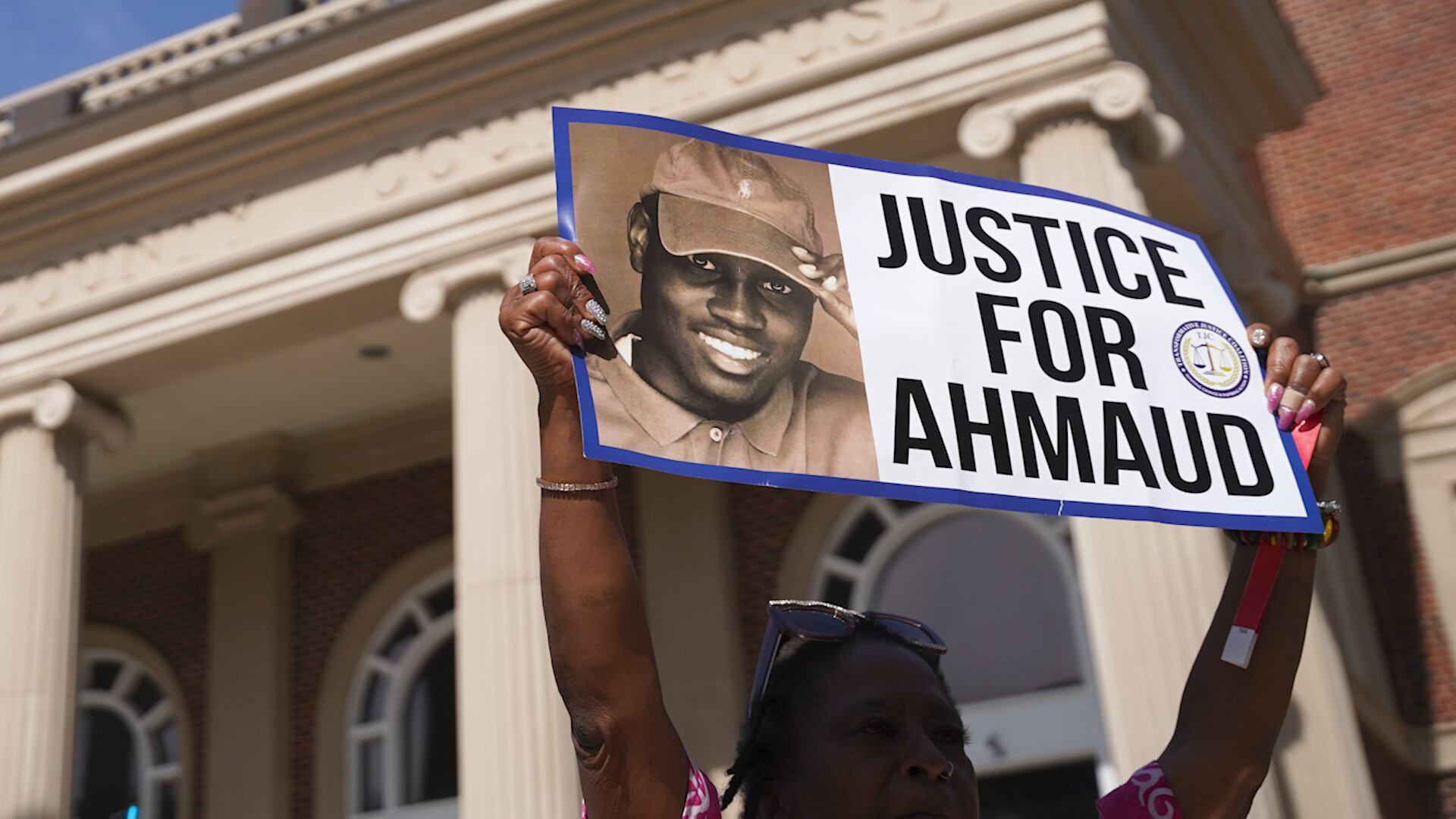
The recent verdicts of the Kyle Rittenhouse and Ahmaud Arbery murder trials have put a spotlight on the country's justice system. Experts have pointed to the explicit racial undertones in the high-profile trials, as well as the increased levels of stress that may be felt by communities of color because of the prevalence of these trials. Kailee Scales, CEO of Pencils of Promise and former first managing director of Black Lives Matter Global Network Foundation, joins Cheddar News to discuss.
Gold Medal ski racer Bode Miller and John Emery, CEO of Alpine-X, discuss the need to make snowsports more affordable and how the new facility in Virginia aims to diversify the sport to urban areas.
Carlos Munoz, Head of Asset Manager Diversity, Equity & Inclusion Engagement at Morgan Stanley Wealth Management, discusses how 'The Equity Collective' is helping to diversify the financial services industry and what the initiative means for racial equity.
Headspace Health has just launched the 'Headspace for Teens' social impact initiative, which will offer free access to the Headspace app for all teens ages 13 - 18 in America. Alice Nathoo, head of social impact at Headspace joins Cheddar News to talk about the program.