*By Carlo Versano*
A few weeks ago, a Buzzfeed [article](https://www.buzzfeednews.com/article/annehelenpetersen/millennials-burnout-generation-debt-work) that coined the term "millennial burnout" went viral, with readers taking to social media to discuss the very particular sense of exhaustion felt by this generation, and how it's different from the universal stresses of daily life.
As Joni Rayos-Samilin, a "transformational" coach, explained to Cheddar, the source of millennial burnout can be traced to ー what else? ー the internet.
"Everyone knows what everyone's doing," Rayos-Samilin said, and social media has amplified that familiar feeling of FOMO to make people, particularly millennials, question their own self-worth.
Is my job good enough? Is my relationship good enough? Am I traveling enough?
It's exhausting.
That 24/7 feeling of being connected extends to work, where employees feel like they're never "off the clock." Even if companies tell their workers they don't need to respond to emails and Slack messages at all hours of the day, many still do out of a sense of responsibility or fear that if they don't, someone else will.
Burnout, of course, is a universal problem that has been exacerbated by the digital age. But the millennial generation is the first to fully deal with it as adults. In order to cope, Rayos-Samilin said she recommends to her clients that they create boundaries and set priorities, like scheduling time for the "real world" things that they value: conversations with friends, exercise, and even limited amounts of social media.
"Do what you need to do for self care," she said. Otherwise, it becomes too easy to give into the outside pressures of the connected world.
Rayos-Samilin said she's already seeing a backlash against constant social media use in some of her millennial clients, and [anecdotal data](https://sciencetrends.com/much-of-generation-z-might-be-leaving-facebook-and-other-social-media-platforms-behind/) shows that has spread to the next generation, known as Gen Z.
If there's a single way to fight burnout it's this: stop comparing yourself to others. That's a skill that goes back to the Buddhists, who use mindfulness meditation techniques to remind themselves to stay grounded in the present moment. Most of what you see online is a construct anyway, Rayos-Samilin said. It takes time, patience, and energy to fight the desire to wonder whether what you're doing is good enough ー especially now that everyone has a constant reminder in their pocket that someone, somewhere, is doing it better.
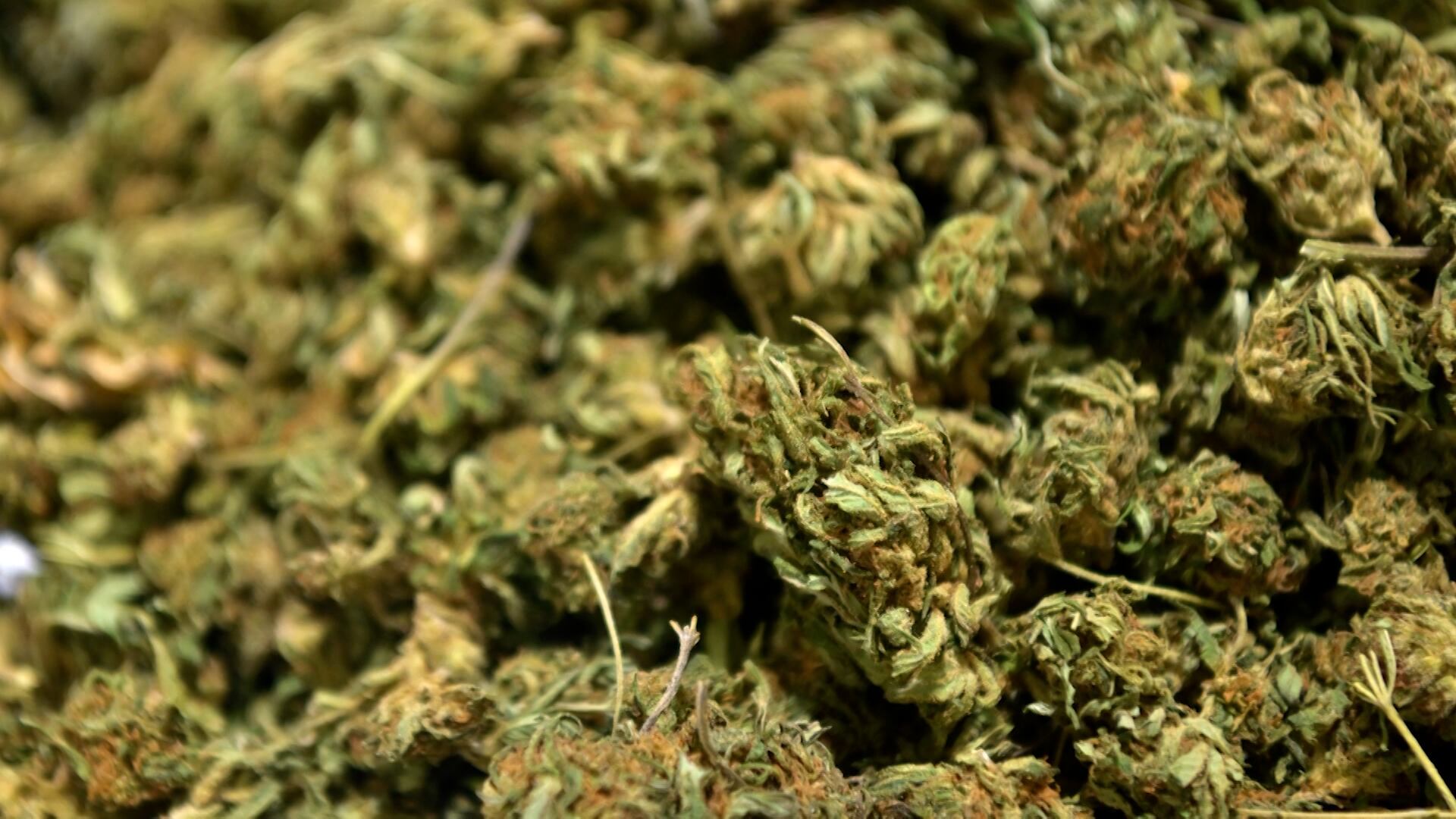
Natalie Fertig, federal cannabis policy reporter at Politico Pro, joins Cheddar News to discuss a new YouGov poll that looks at how Americans feel about marijuana and politics.
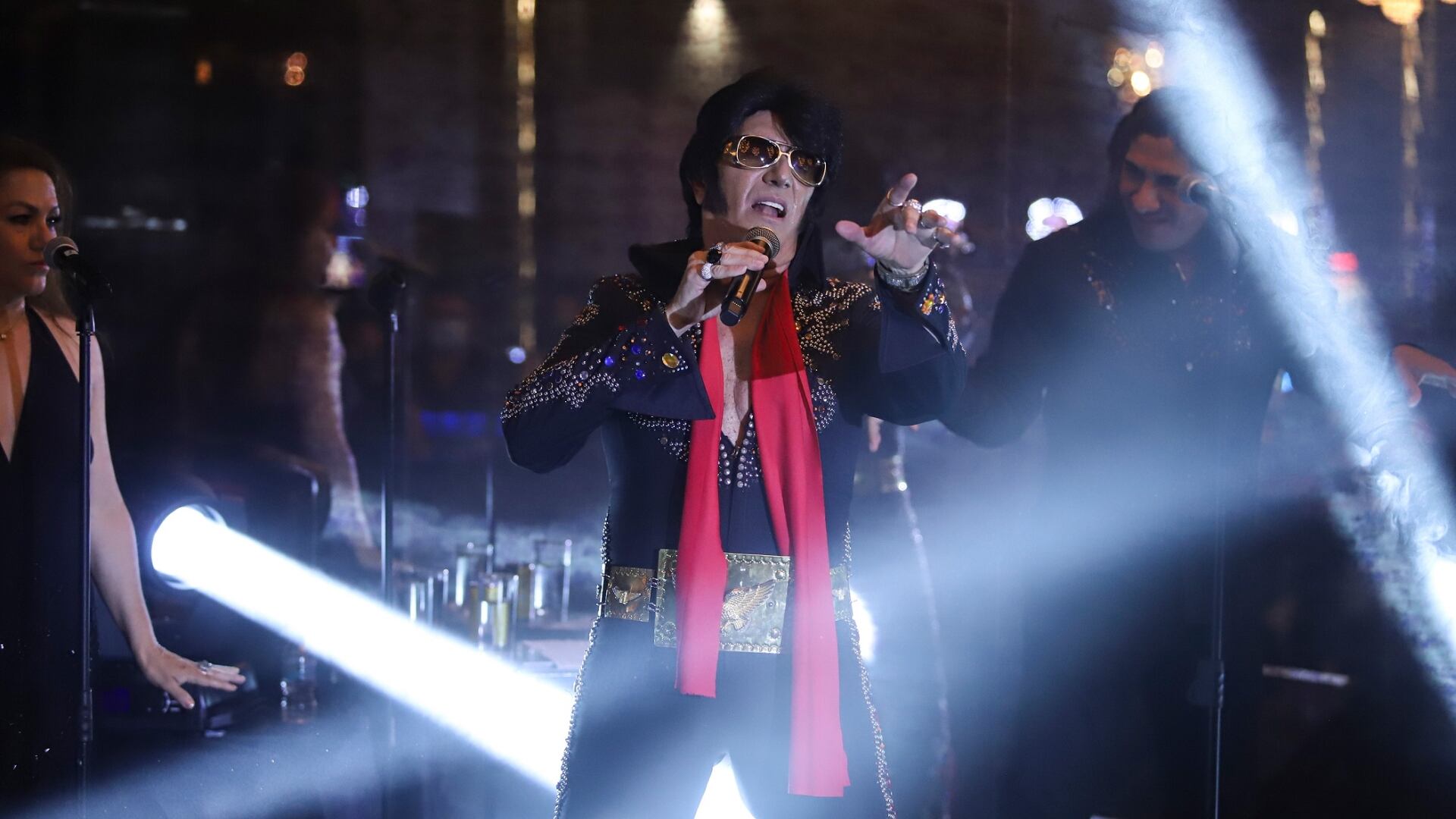
A virtual gathering in the online space, Decentraland, of Elvis Presley impersonators is looking to grab the Guinness World Record for most Elvis impersonators in one place after the record-keeping org recently approved the use of avatars as stand-ins for people.
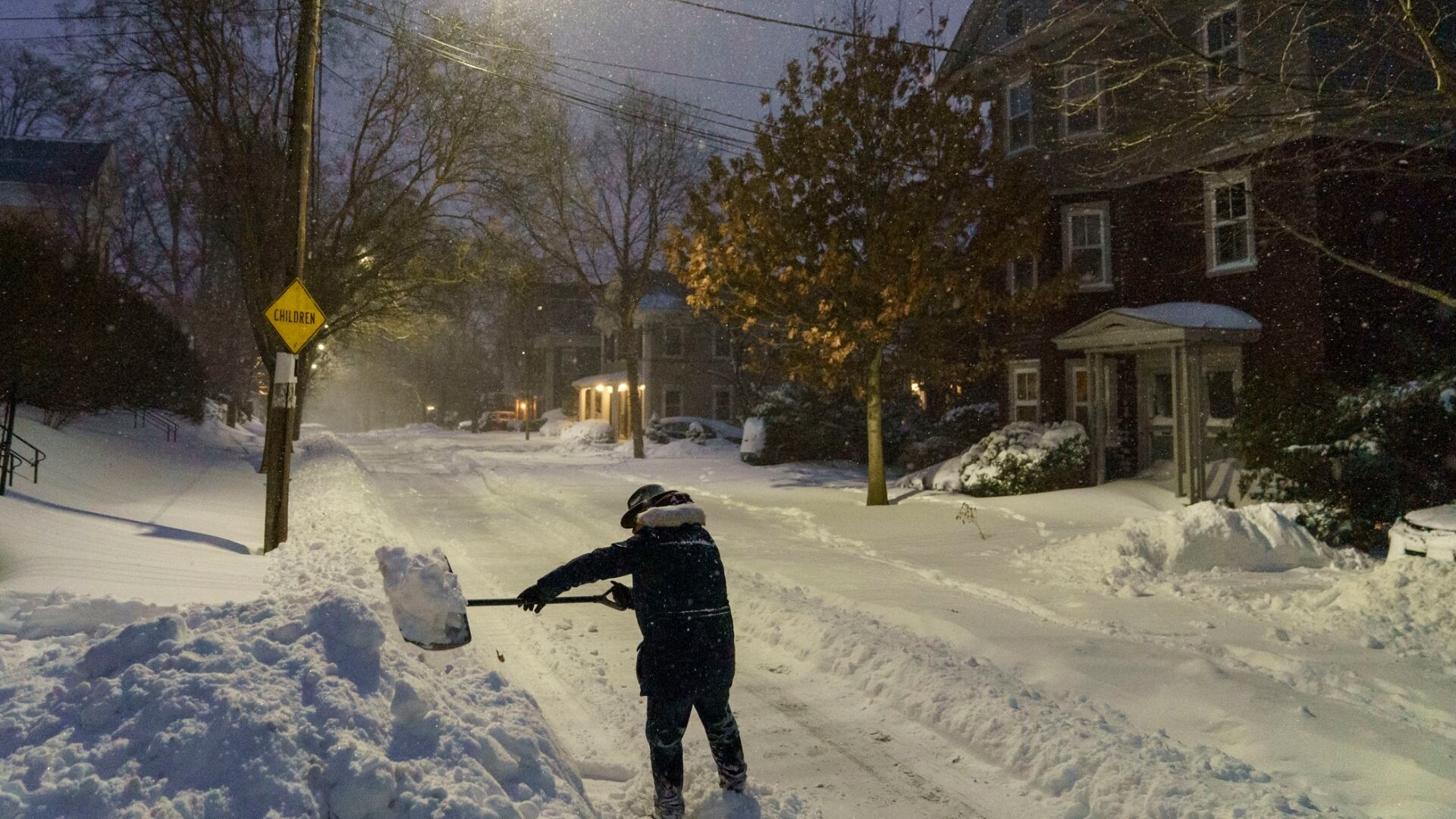
A powerful winter storm hit the Northeast over the weekend leaving 100,000 New Yorkers in the dark as well as snowfall up to 30.9 inches in parts of Massachusetts. The nor'easter hit with blizzard conditions of wind speed and poor visibility.
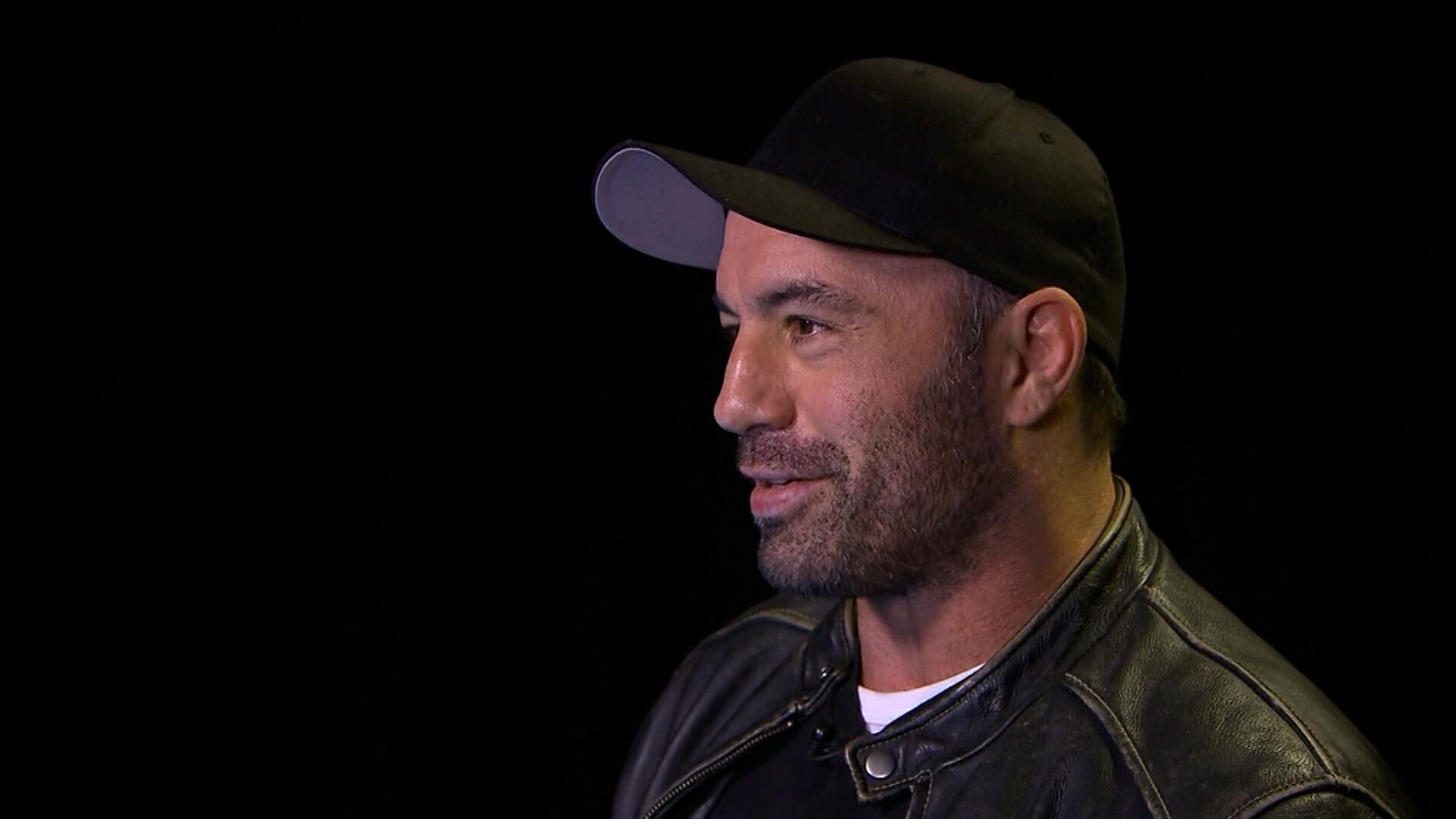
After classic rocker Neil Young demanded removal of his music from Spotify over vaccine misinformation coming from The Joe Rogan Experience podcast, the platform made the decision to take down Young's songs and continue supporting Rogan with whom they have an exclusive contract. The move touched off a firestorm of controversy, leading to responses from both the streaming service and the podcasting host. Evan Nierman, CEO of Red Banyan Crisis PR, joined Cheddar to break down the latest on the fracas. "I think when [Spotify] initially said, we're not going to be commenting on that, that was a silly move because guess what? They did end up commenting about it, and nine times out of 10, when an organization says they're not going to be issuing a comment, they ultimately do," Nierman noted.
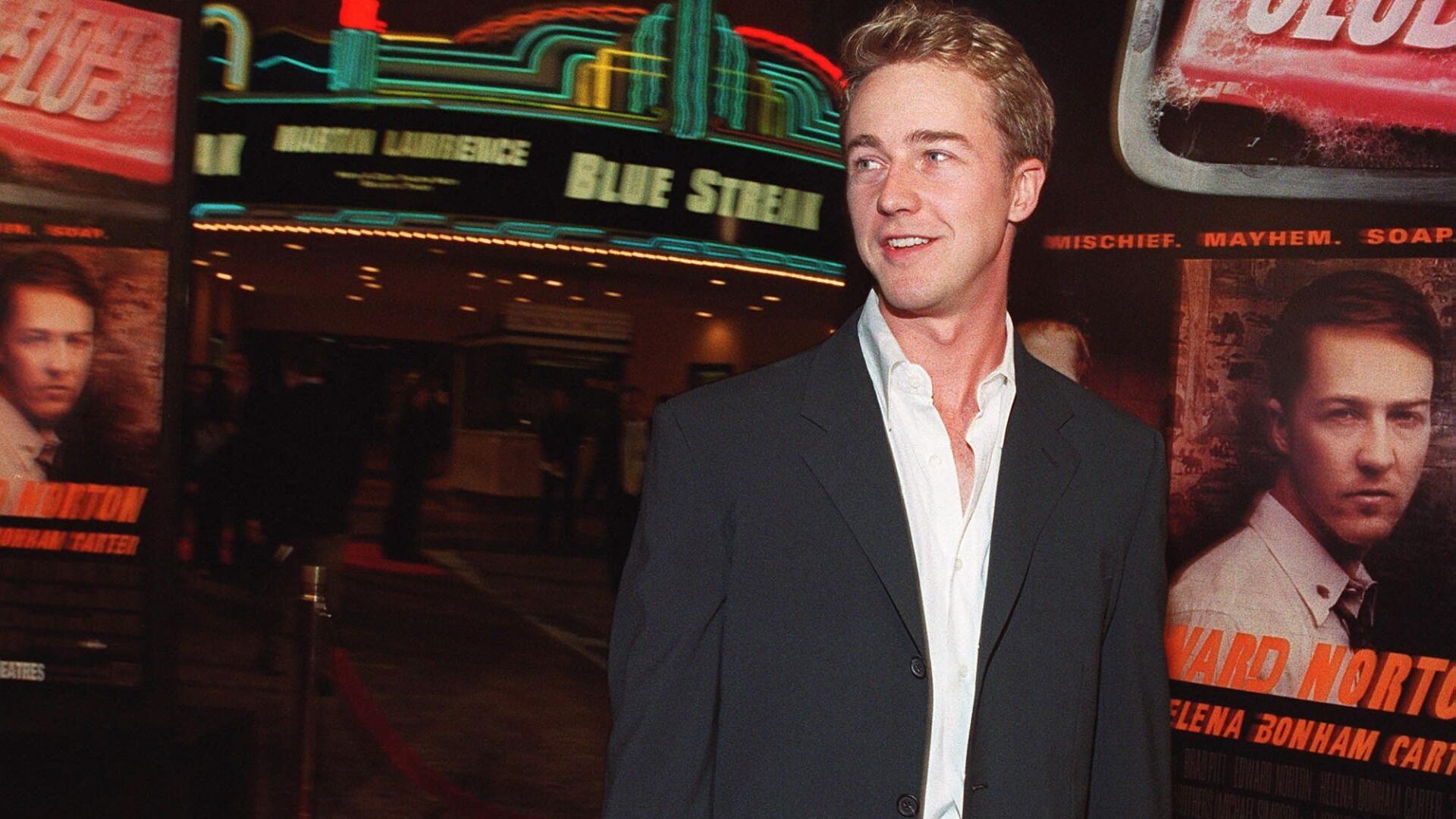
The 1999 cult classic "Fight Club" has been given a very different ending in China — and this time, the authorities win. Cheddar News speaks with Joan Solsman, senior media reporter at CNET who breaks down how China is using films for political messaging.
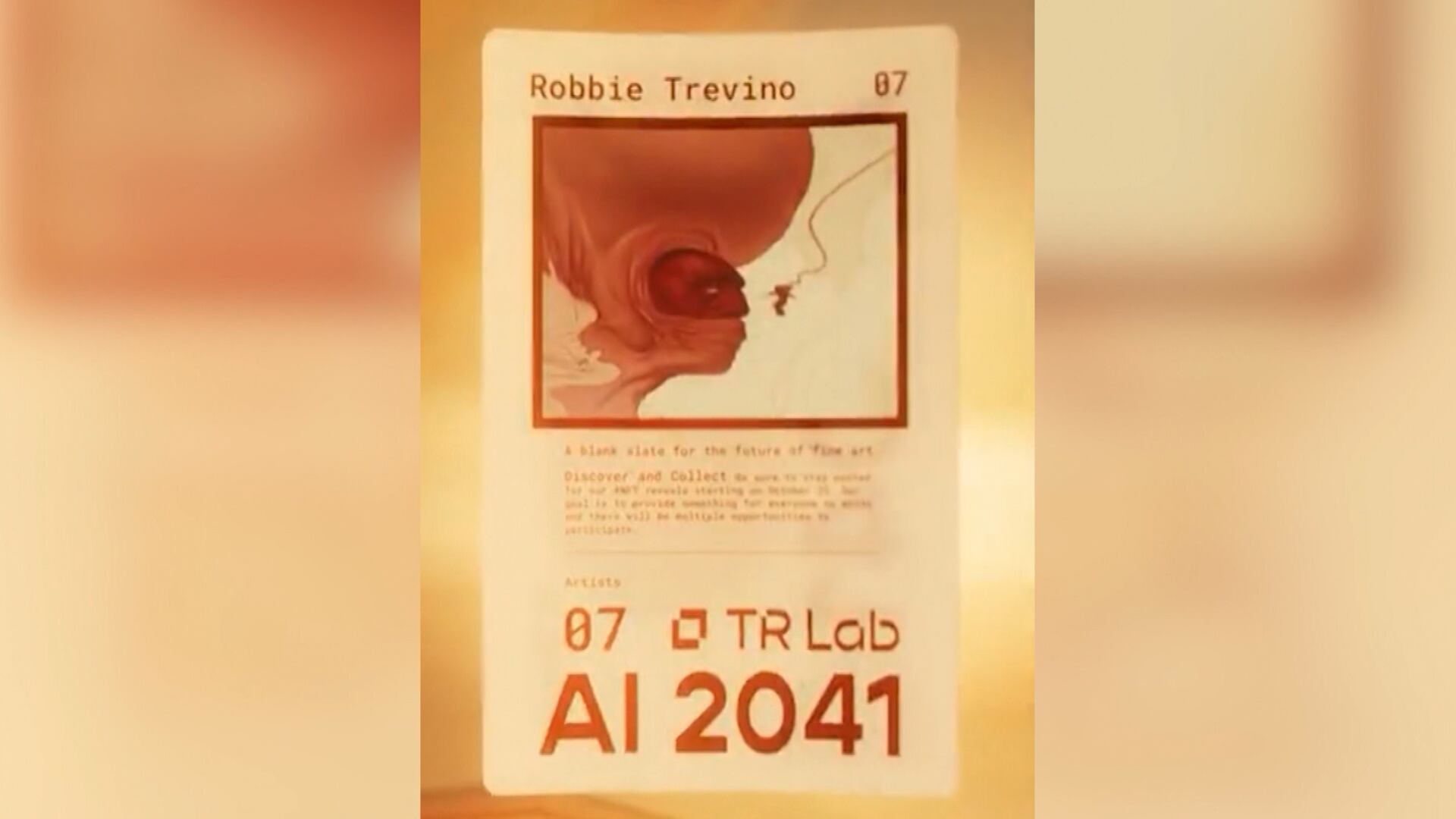
NFT art platform TRLab recently raised $4.2 million in funding. TRLab launched just last year but says its platform focused on NFT curation and distribution is growing quickly. The company hopes to bridge traditional and digital art worlds and help artists explore NFTs as an emerging medium. TRLab co-founder and chairwoman Xin Li-Cohen and co-founder and CEO Audrey Ou joined Cheddar News' Closing Bell to discuss.