*By Carlo Versano*
A few weeks ago, a Buzzfeed [article](https://www.buzzfeednews.com/article/annehelenpetersen/millennials-burnout-generation-debt-work) that coined the term "millennial burnout" went viral, with readers taking to social media to discuss the very particular sense of exhaustion felt by this generation, and how it's different from the universal stresses of daily life.
As Joni Rayos-Samilin, a "transformational" coach, explained to Cheddar, the source of millennial burnout can be traced to ー what else? ー the internet.
"Everyone knows what everyone's doing," Rayos-Samilin said, and social media has amplified that familiar feeling of FOMO to make people, particularly millennials, question their own self-worth.
Is my job good enough? Is my relationship good enough? Am I traveling enough?
It's exhausting.
That 24/7 feeling of being connected extends to work, where employees feel like they're never "off the clock." Even if companies tell their workers they don't need to respond to emails and Slack messages at all hours of the day, many still do out of a sense of responsibility or fear that if they don't, someone else will.
Burnout, of course, is a universal problem that has been exacerbated by the digital age. But the millennial generation is the first to fully deal with it as adults. In order to cope, Rayos-Samilin said she recommends to her clients that they create boundaries and set priorities, like scheduling time for the "real world" things that they value: conversations with friends, exercise, and even limited amounts of social media.
"Do what you need to do for self care," she said. Otherwise, it becomes too easy to give into the outside pressures of the connected world.
Rayos-Samilin said she's already seeing a backlash against constant social media use in some of her millennial clients, and [anecdotal data](https://sciencetrends.com/much-of-generation-z-might-be-leaving-facebook-and-other-social-media-platforms-behind/) shows that has spread to the next generation, known as Gen Z.
If there's a single way to fight burnout it's this: stop comparing yourself to others. That's a skill that goes back to the Buddhists, who use mindfulness meditation techniques to remind themselves to stay grounded in the present moment. Most of what you see online is a construct anyway, Rayos-Samilin said. It takes time, patience, and energy to fight the desire to wonder whether what you're doing is good enough ー especially now that everyone has a constant reminder in their pocket that someone, somewhere, is doing it better.
Some of Tiktok's biggest stars have a message for the platform: It is time to pay up! As the platform has skyrocketed in popularity, many content creators have been given the opportunity to garner millions of fans and even sometimes billions of views. In 2020, the company launched a creator fund in order to incentivize the platform's users. However, while the group of creators has grown larger, the pool of money has remained the same, and creators are fed up, they claim as Tiktok becomes more successful. Senior Editor at Engadget, Karissa Bell, joined Cheddar to discuss more.
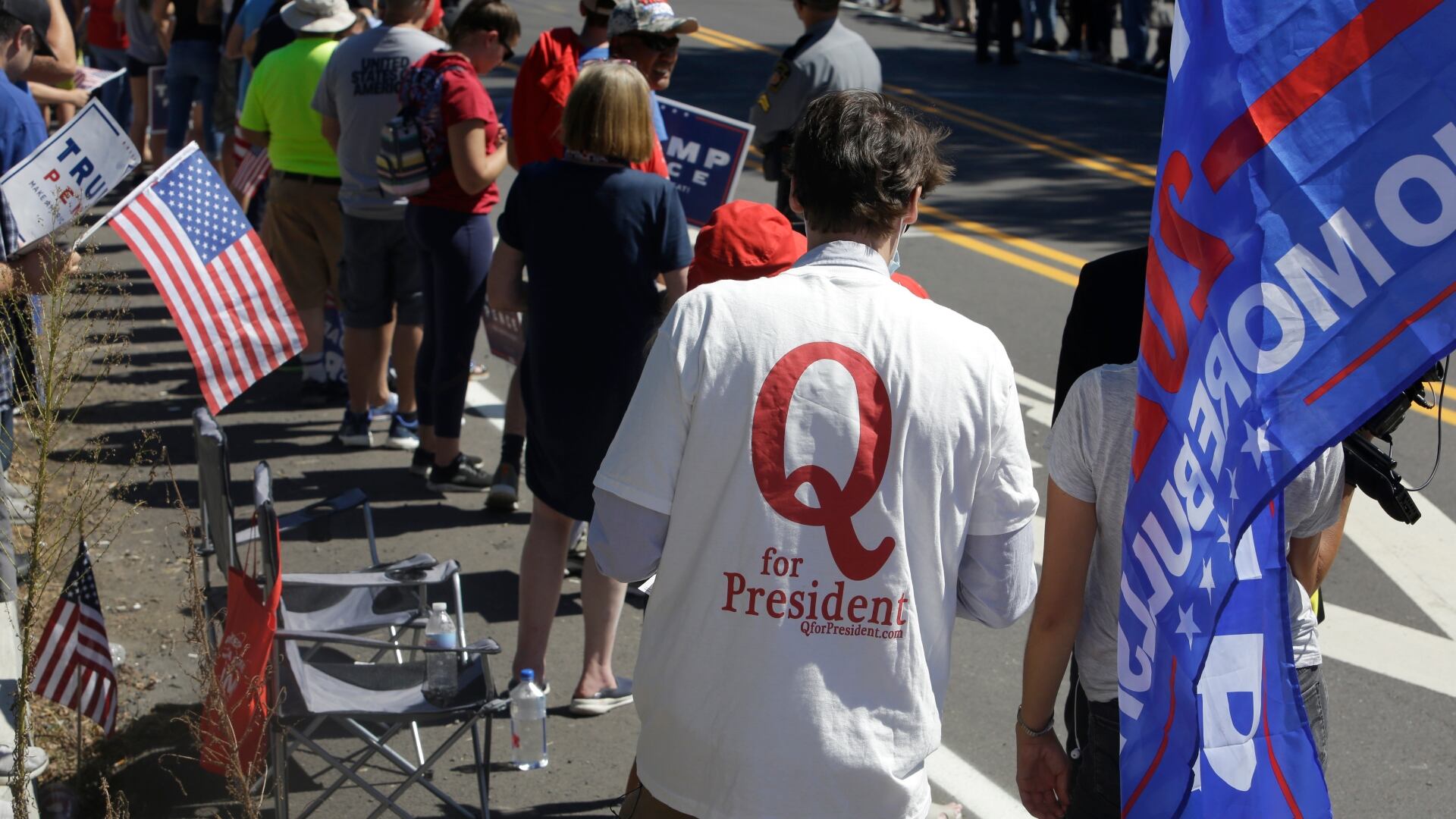
In 2021, QAnon, the community which traffics in conspiracy theories saw a rapid growth in its numbers. As a result of vaccine rollouts, a number of conspiracies surrounding them also began to circulate which then led to the rise of "Anti-Vaxxers". As a result, the QAnon and anti-vax communities have become increasingly intertwined and the results could be costing lives. Senior Researcher at Media Matters Alex Kaplan, joined Cheddar to discuss more.
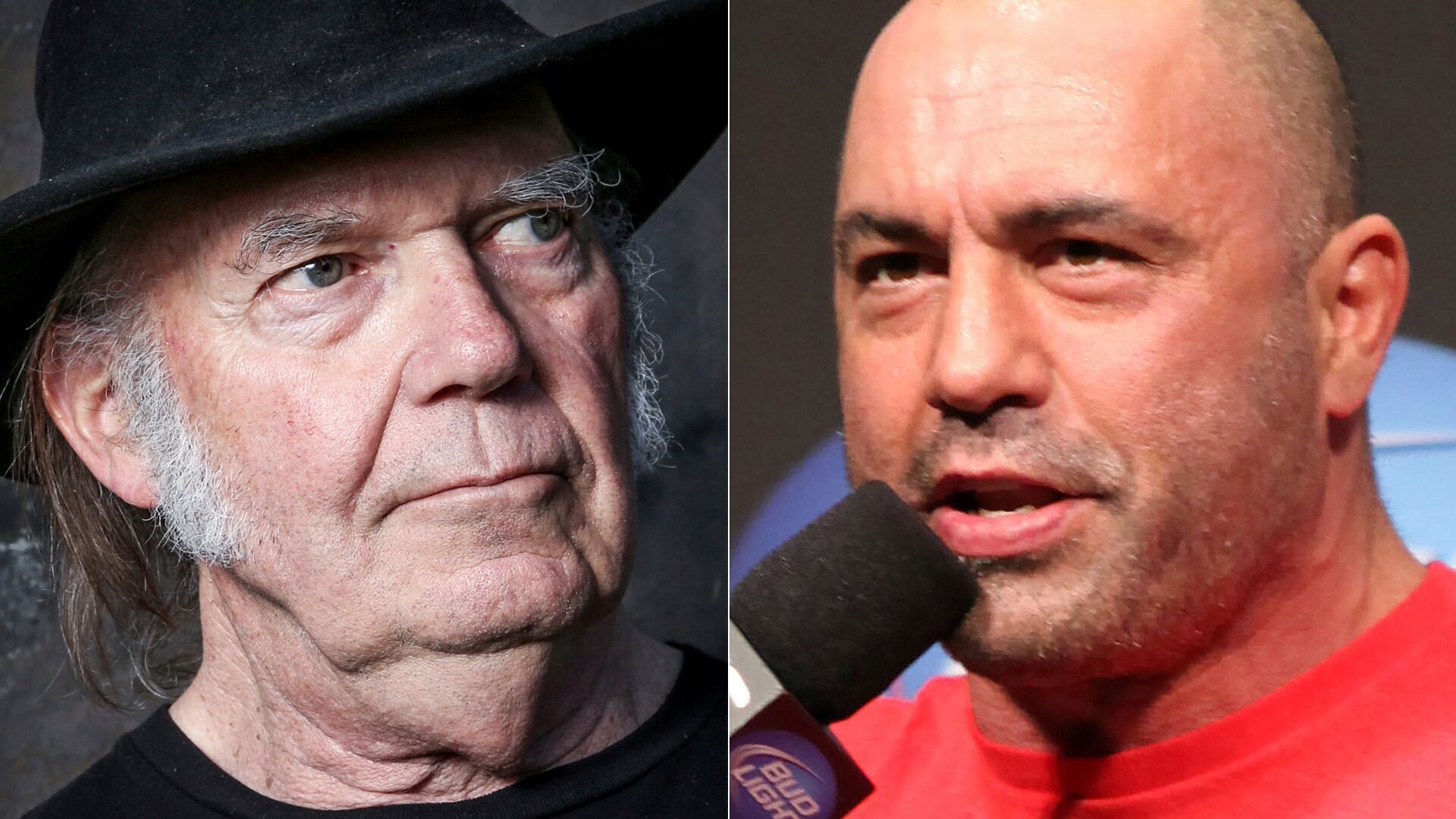
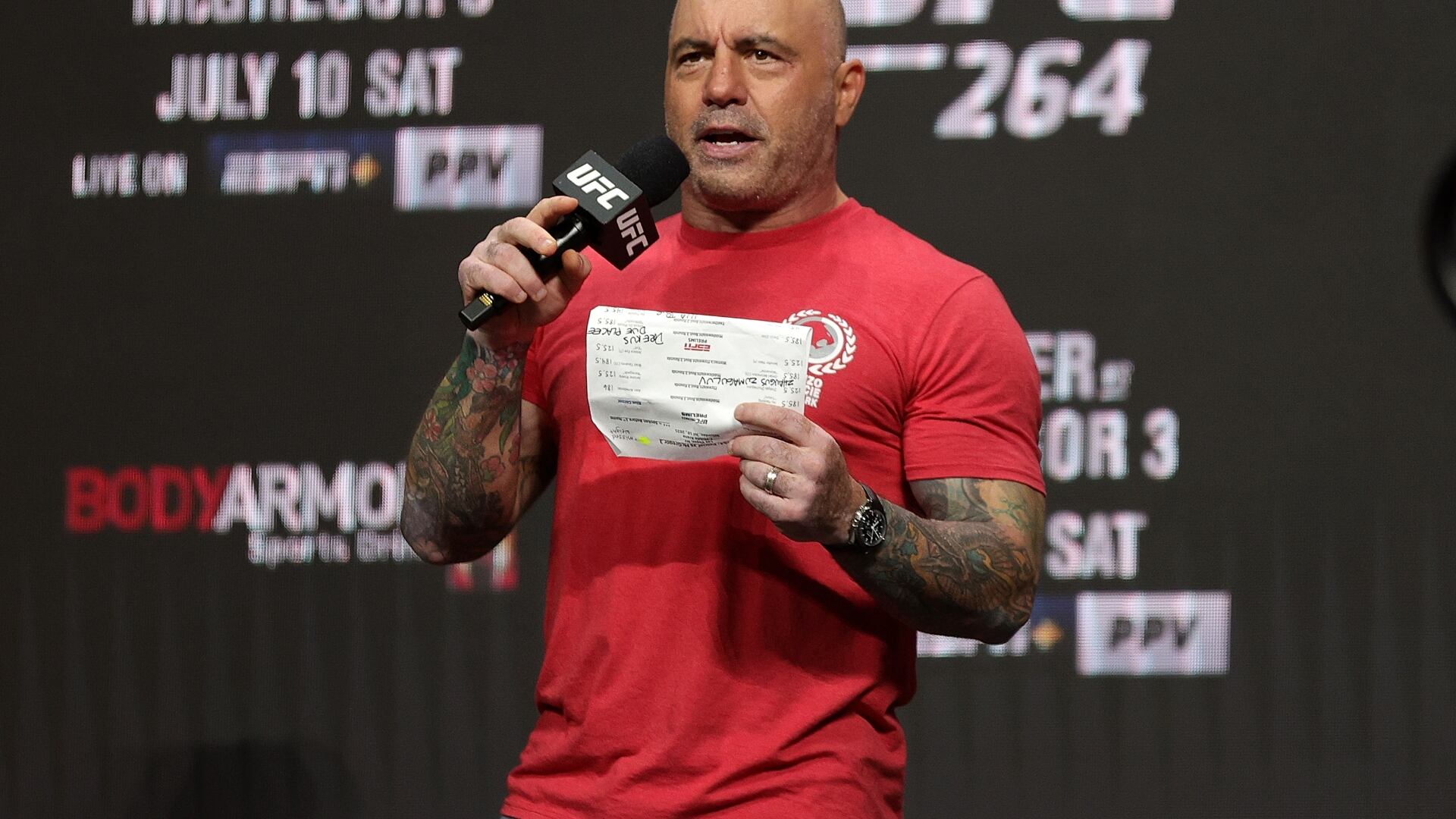
Neil Young gave the streaming service Spotify an ultimatum demanding that his music be removed if the Joe Rogan experience remained on the platform. Joe Rogan's platform has been questioned a number of times as a result of some of his takes on covid treatment strategies and at times downright misinformation. Ultimately, Spotify decided to stick with Joe Rogan's podcast. The Director for the Business and Entertainment Program at American University, John Simson, joined Cheddar to discuss more.
Nutritional supplement beverage company Athletic Greens has achieved unicorn status. The company announced a new $115 million funding round, bringing its valuation to $1.2 billion. The company's flagship product AG1 combines 75 different vitamins, minerals, and other nutrients into one daily serving. Athletic Greens says it is poised to reach the millions of consumers who are currently driving the health and wellness market's exponential growth. Athletic Greens founder and CEO Chris Ashenden joins Cheddar News' Closing Bell to discuss.
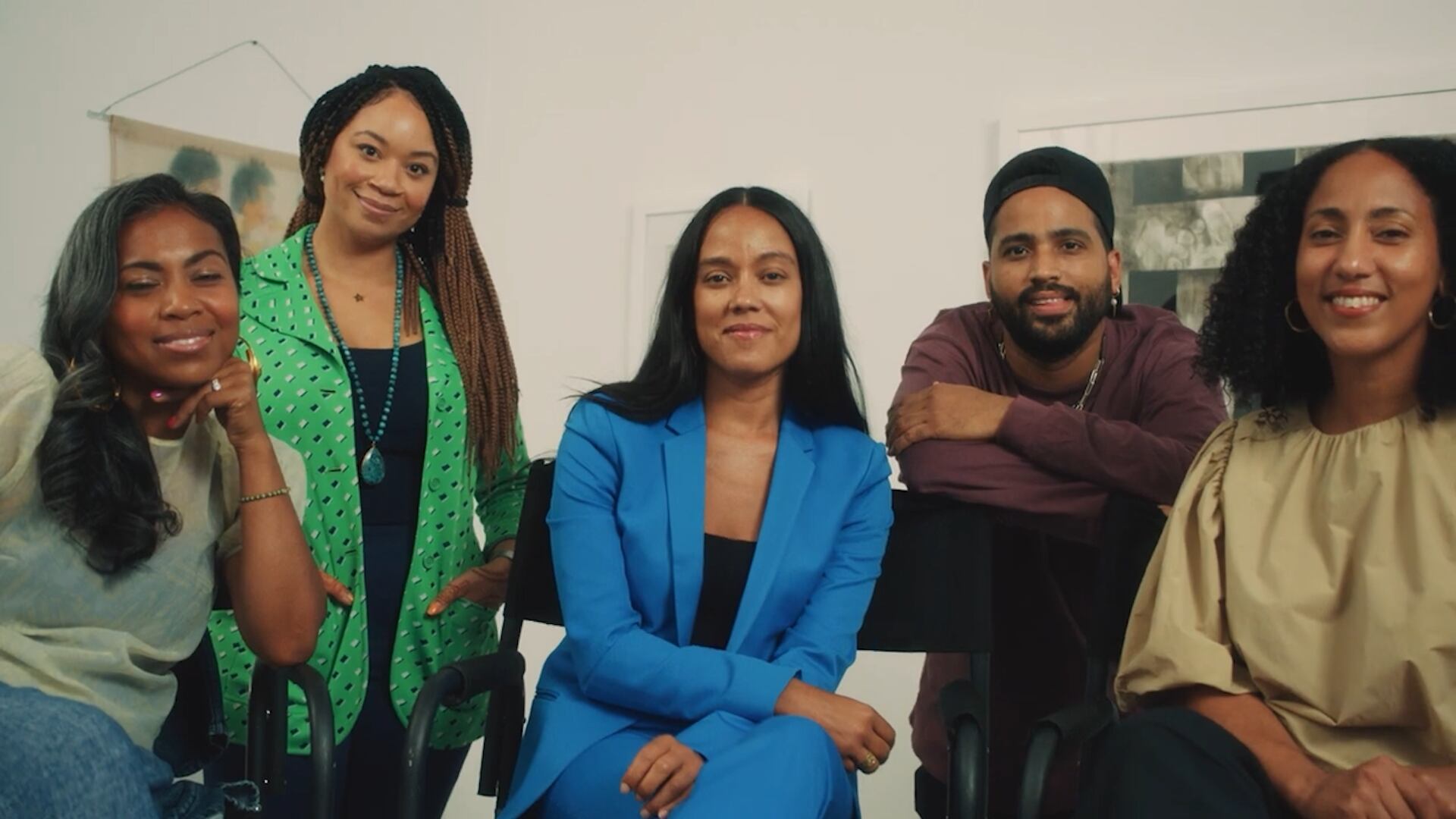
Michael Mitchell, senior director of brand at Mailchimp, joins Cheddar News to discuss the launch of Bloom Season and what every BIPOC entrepreneur needs to know to succeed.
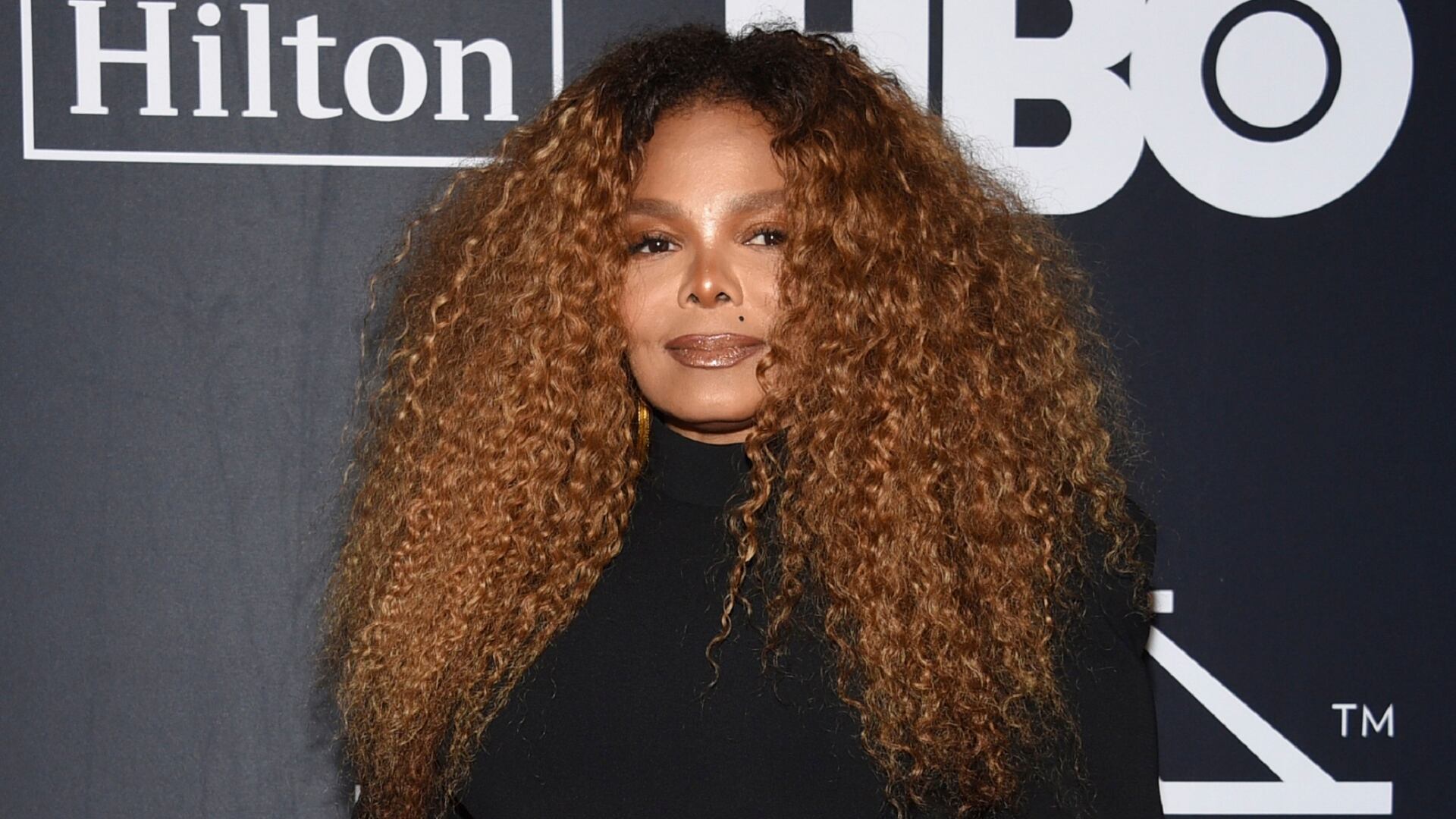
Janet Jackson shared that she had a conversation with Justin Timberlake who had asked her if he should make a statement during the scandal over her Super Bowl XXXVIII wardrobe malfunction, in her new self-titled Lifetime documentary. The musical icon said that she viewed the incident as an accident and remains "good friends" with Justin Timberlake.
The gaming industry has seen multiple large scales deals this month alone, including Microsoft's megadeal for Activision Blizzard. And, seemingly in response, rival Sony, picked up Bungie for $3.6 billion, a studio once owned by both Microsoft and Activision. The sector is reportedly on track to spend $150 billion on mergers and acquisitions just this year alone, a record-breaking total, according to investment firm Drake Star Partners. Michael Metzger, a partner at the firm specializing in technology, media, and communications, joined Cheddar to discuss the flurry of deals in the gaming space and what might be behind the hot M&A activity.
Ari Redbord, head of legal and government affairs and TRM Labs, joins Cheddar News to discuss why Facebook is ditching its crypto project and what that means for the space.