*By Carlo Versano*
A few weeks ago, a Buzzfeed [article](https://www.buzzfeednews.com/article/annehelenpetersen/millennials-burnout-generation-debt-work) that coined the term "millennial burnout" went viral, with readers taking to social media to discuss the very particular sense of exhaustion felt by this generation, and how it's different from the universal stresses of daily life.
As Joni Rayos-Samilin, a "transformational" coach, explained to Cheddar, the source of millennial burnout can be traced to ー what else? ー the internet.
"Everyone knows what everyone's doing," Rayos-Samilin said, and social media has amplified that familiar feeling of FOMO to make people, particularly millennials, question their own self-worth.
Is my job good enough? Is my relationship good enough? Am I traveling enough?
It's exhausting.
That 24/7 feeling of being connected extends to work, where employees feel like they're never "off the clock." Even if companies tell their workers they don't need to respond to emails and Slack messages at all hours of the day, many still do out of a sense of responsibility or fear that if they don't, someone else will.
Burnout, of course, is a universal problem that has been exacerbated by the digital age. But the millennial generation is the first to fully deal with it as adults. In order to cope, Rayos-Samilin said she recommends to her clients that they create boundaries and set priorities, like scheduling time for the "real world" things that they value: conversations with friends, exercise, and even limited amounts of social media.
"Do what you need to do for self care," she said. Otherwise, it becomes too easy to give into the outside pressures of the connected world.
Rayos-Samilin said she's already seeing a backlash against constant social media use in some of her millennial clients, and [anecdotal data](https://sciencetrends.com/much-of-generation-z-might-be-leaving-facebook-and-other-social-media-platforms-behind/) shows that has spread to the next generation, known as Gen Z.
If there's a single way to fight burnout it's this: stop comparing yourself to others. That's a skill that goes back to the Buddhists, who use mindfulness meditation techniques to remind themselves to stay grounded in the present moment. Most of what you see online is a construct anyway, Rayos-Samilin said. It takes time, patience, and energy to fight the desire to wonder whether what you're doing is good enough ー especially now that everyone has a constant reminder in their pocket that someone, somewhere, is doing it better.
Sheila Goffe, VP of Government Relations of the American Kennel Club, joins Cheddar Reveals to discuss the efficacy of police, military, and other working dogs, and how they're trained.
On this episode of Cheddar Reveals, Sheila Goffe, VP of Government Relations of the American Kennel Club, discusses the efficacy of police, military, and other working dogs, and how they're trained. Paul Mundell, Executive Director of the American Service Dog Access Coalition, breaks down why emotional support, therapy, and service dogs are important; Cheddar gets a look at Curiosity Stream's 'Secrets of a Dog's Nose.'
On this episode of ChedHER; Amanda Carlson Phillips, Senior Vice President of Exos' performance team, breaks down how wellness programs can fight burnout; Deena LaMarque Piquion, Chief Marketing Officer at Xerox, explains why and how women should stop saying 'sorry' so often;
Marylyn Harris, President of Harrland Healthcare Consulting, talks about how her experience in the military prepared her for a cybersecurity career, and how she's paving the way for women of color in the industry.
On this episode of Cheddar Innovates: Atom Limbs CEO breaks down how the Atom Touch prosthetic is different from other prosthetics on the market; CEO & Chief Scientific Officer of MyMD explains how the MYMD-1 is on track to be the first FDA-approved drug to treat aging and age-related diseases; A look at Curiosity Stream's 'The Future of Warfare.'
On this episode of Cheddar Reveals Clay Routledge, Professor of Business and author of "Nostalgia: A Psychological Resource", discusses the psychology of nostalgia: why we have it, and why it may be good for our mental health; Patrick Metzger, Writer and Technologist, breaks down how nostalgia has influenced pop culture, why it remains in a trend loop for every generation, and why that trend is likely never going to end; Cheddar gets a look at Curiosity Stream's 'The Year That Rocked the World.'
On this episode of ChedHER: CEO of The Lactation Network breaks down how they are expanding access to lactation support for families nationwide; CEO of Vanta explains the importance of a security team for startups; Midwest Divison Area Manager at JPMorgan Chase discusses the perks of having a business mentor.
On this episode of ChedHER we hear from the CEO of Incredible Health on how she's breaking the bias this women's history month, a bestselling author gives us tips on how to create new post-pandemic habits, and we learn just how critical a business consultant can be.
On this episode of 'Cheddar Innovates': Creator of Animal Flow discusses the benefits to this unique type of workout that's rising in popularity; CEO of Vinylly breaks down how the app takes your streaming music data and some personal questions to find your next love match; A look at Curiosity Stream's 'Secrets of the Universe.'
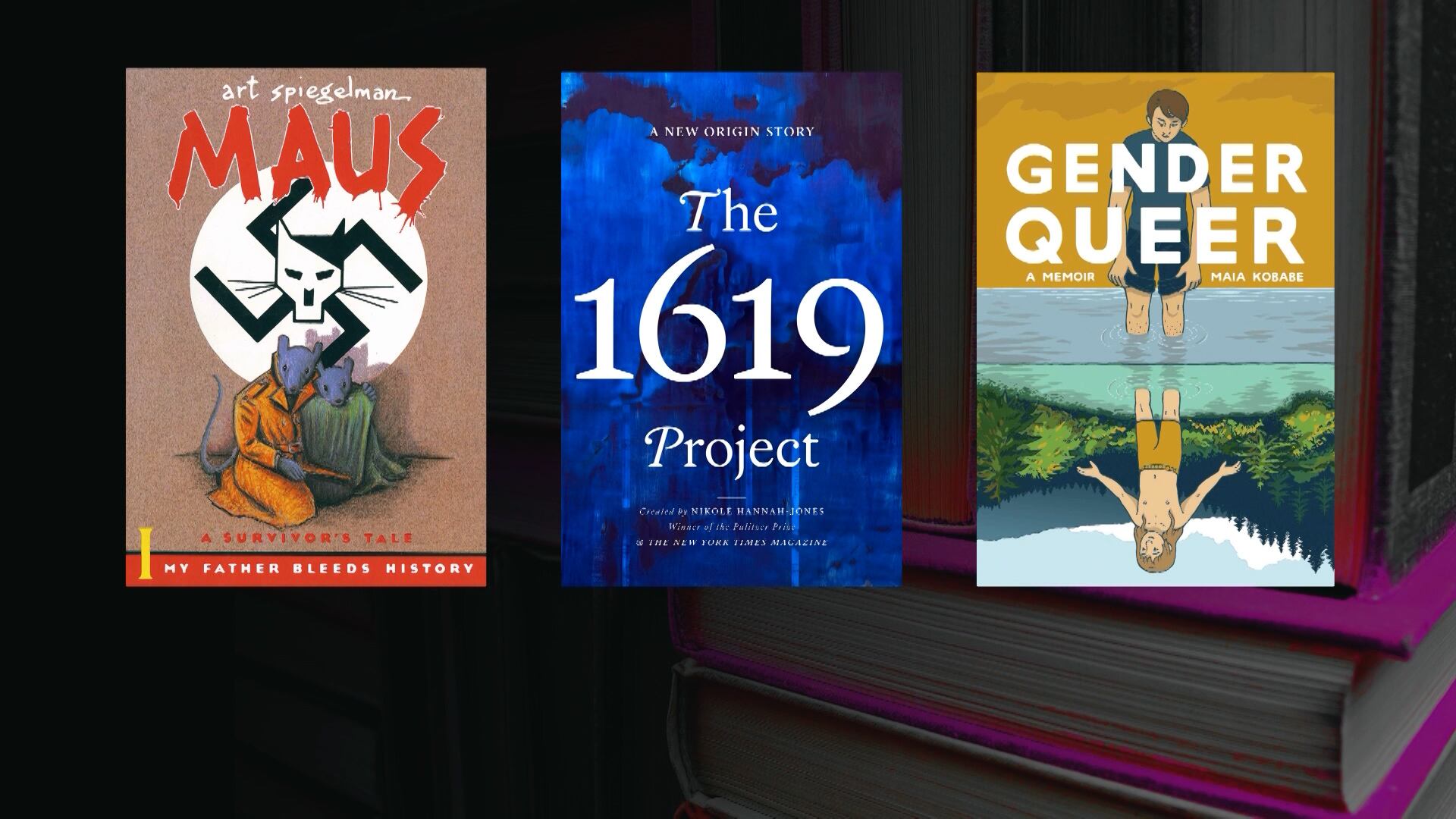
Activism is growing around the country in response to school boards banning books from shelves that focus on sexuality, gender, identity, or race. Jen Cousins, co-founder of The Florida Freedom to Read Project, joins Cheddar News to discuss.