At the helm of the top media outlets in the nation are all men. The Washington Post's Media Columnist Margaret Sullivan explains the conditions facing women in news, and ways to close the gender gap in newsroom mastheads.
"I think there are more women in powerful positions in media than there ever have been before," says Sullivan. "The problem is at the very, very top of those very powerful news organizations it's pretty rare for a woman to have broken through."
Men wrote 52 percent of bylined news articles and opinion pieces about reproductive issues in the nation’s 12 most widely circulated newspapers and news wires. Meanwhile, women penned 37 percent, according to the 2017 Women's Media Center Report. Men won 84 percent of a century’s worth of Pulitzer Prizes, while women won only 16 percent according to Women's Media Center.
On how the #MeToo movement has impacted newsrooms, Sullivan says, "to say this whole thing gone too far is really misguided." She goes on to say, "I think what's really going to rule the day is that this major reckoning we're having in our society and how extremely important it is and how it was brought about by courageous journalists and courageous women."
"Kids are exposed to a virtual cocktail of chemicals everyday," says Stonyfield Organic co-founder Gary Hirshberg. For the dairy company's 35th anniversary, is is helping 35 communities across the country turn their parks and fields organic.
Reporters at the New York Times and the New Yorker magazine shared the prize for public service journalism for their reporting on Hollywood producer Harvey Weinstein, which ultimately sparked the #MeToo movement.
The actress in the upcoming "The House of Tomorrow" says she learned a lot about the business from her parents, producer Judd Apatow and actress Leslie Mann.
The artist, who married into Israel's richest family, is hosting her first New York exhibition this month, "The Freedom to Let Go." She told Cheddar Monday that she has been painting all her life but "was afraid to be exposed, because of my family name."
The singer believes streaming actually turns people into more loyal fans who turn up to concerts. "I think it's great," he told Cheddar's Jon Steinberg.
The Grammy-nominated DJ says streaming makes music easily accessible, which is crucial for the industry today. "You give away the music, you circulate it, the music itself will sell itself," he told Cheddar's Jon Steinberg.
Tony Simmons, President and CEO of the company that produces the hot sauce, says it can be a great ice cream topping.
The 150-year-old hot sauce company sells more to the restaurant industry than through grocery stores because of the large number of chefs that use it in their cooking, says Tony Simmons, President and CEO of McIlhenny Company.
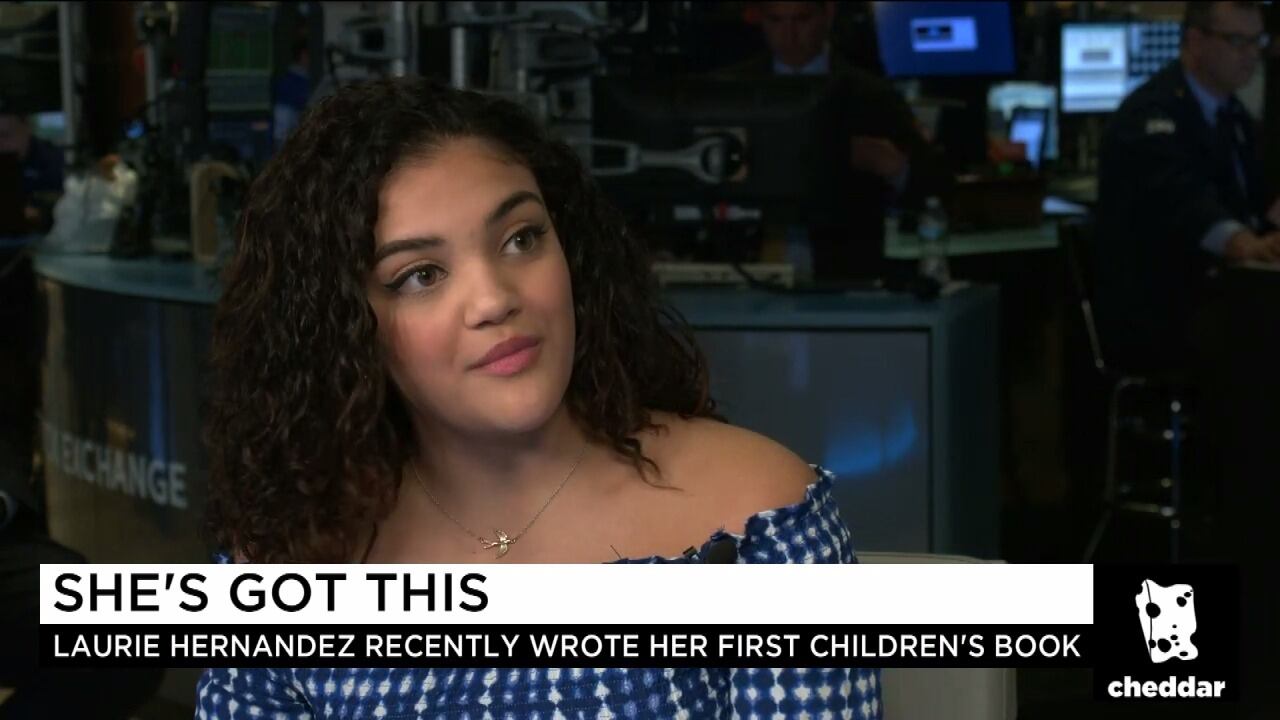
The 17-year-old Olympic gold medal-winning gymnast tells Cheddar she worries about limiting herself. The athlete is launching a new clothing line with JCPenney for tweens and teens and a children's book inspired by her Olympic journey.
Facebook CEO Mark Zuckerberg returns to Capitol Hill for a second day of questioning. Today, Zuckerberg testifies before the House Committee on Energy and Commerce. Ahead of the hearing, we spoke to Congressman Debbie Dingell (D-MI) about what she wants to hear from the Facebook CEO. Dingell is concerned about the privacy of Americans who use the social networking site and speculates about what a regulated Facebook would look like.
In other Washington news, House Speaker Paul Ryan (R-WI) announced today that he will not seek re-election this November. Ryan held a press conference to elaborate on his decision. He said he thinks he's done his part and looks forward to spending more time with his family.
Also, Joanna Coles stops by to talk about her new book, "Love Rules." She says her book can help readers find real love in the age of Tinder and Bumble. Coales, who sits on the board of directors for Snap, discusses what it's like to be a woman on the board of a Silicon Valley tech giant.