At the helm of the top media outlets in the nation are all men. The Washington Post's Media Columnist Margaret Sullivan explains the conditions facing women in news, and ways to close the gender gap in newsroom mastheads.
"I think there are more women in powerful positions in media than there ever have been before," says Sullivan. "The problem is at the very, very top of those very powerful news organizations it's pretty rare for a woman to have broken through."
Men wrote 52 percent of bylined news articles and opinion pieces about reproductive issues in the nation’s 12 most widely circulated newspapers and news wires. Meanwhile, women penned 37 percent, according to the 2017 Women's Media Center Report. Men won 84 percent of a century’s worth of Pulitzer Prizes, while women won only 16 percent according to Women's Media Center.
On how the #MeToo movement has impacted newsrooms, Sullivan says, "to say this whole thing gone too far is really misguided." She goes on to say, "I think what's really going to rule the day is that this major reckoning we're having in our society and how extremely important it is and how it was brought about by courageous journalists and courageous women."
These are the headlines you Need 2 Know for Wednesday, Dec. 26, 2018.
Since 2017, the third floor of the iconic Cleveland, Ohio, house that was the fictional home to the bespectacled hero of "A Christmas Story" has been rentable to fans of the classic movie. And this year, the neighboring "Bumpus" house is also available to the more cantankerous among us for overnight stays.
Caliva, a Silicon Valley-based marijuana company, is waging an extensive recruitment campaign to hire drivers from popular ride-hailing and delivery companies, including Uber, Lyft, and DoorDash. "What we've found is that a lot of the drivers who normally drive for Uber, Lyft, or DoorDash are really looking to have not just a full-time or part-time job with benefits, but they're looking to be part of something," said Caliva CEO Dennis O'Malley in an interview on Cheddar Monday.
In 2019, 10 minutes out of every hour of media engagement will be spent streaming video on mobile, app market data provider App Annie told Cheddar. In 2018, app downloads hit 113 billion, Levitas said, while spending on Google ($GOOGL) Play and the Apple ($AAPL) app store hit $76 billion. On average, Americans spent three hours per day on apps.
New video-sharing platform Portal wants to help online video creators cash in on their content, says company founder Jonathan Swerdlin. "Portal is the first video sharing platform that everyone can use that completely skips the ad model and introduces really easy ways for users to pay each other," Swerdlin said in an interview on Cheddar. "Everyone can be their own mini HBO."
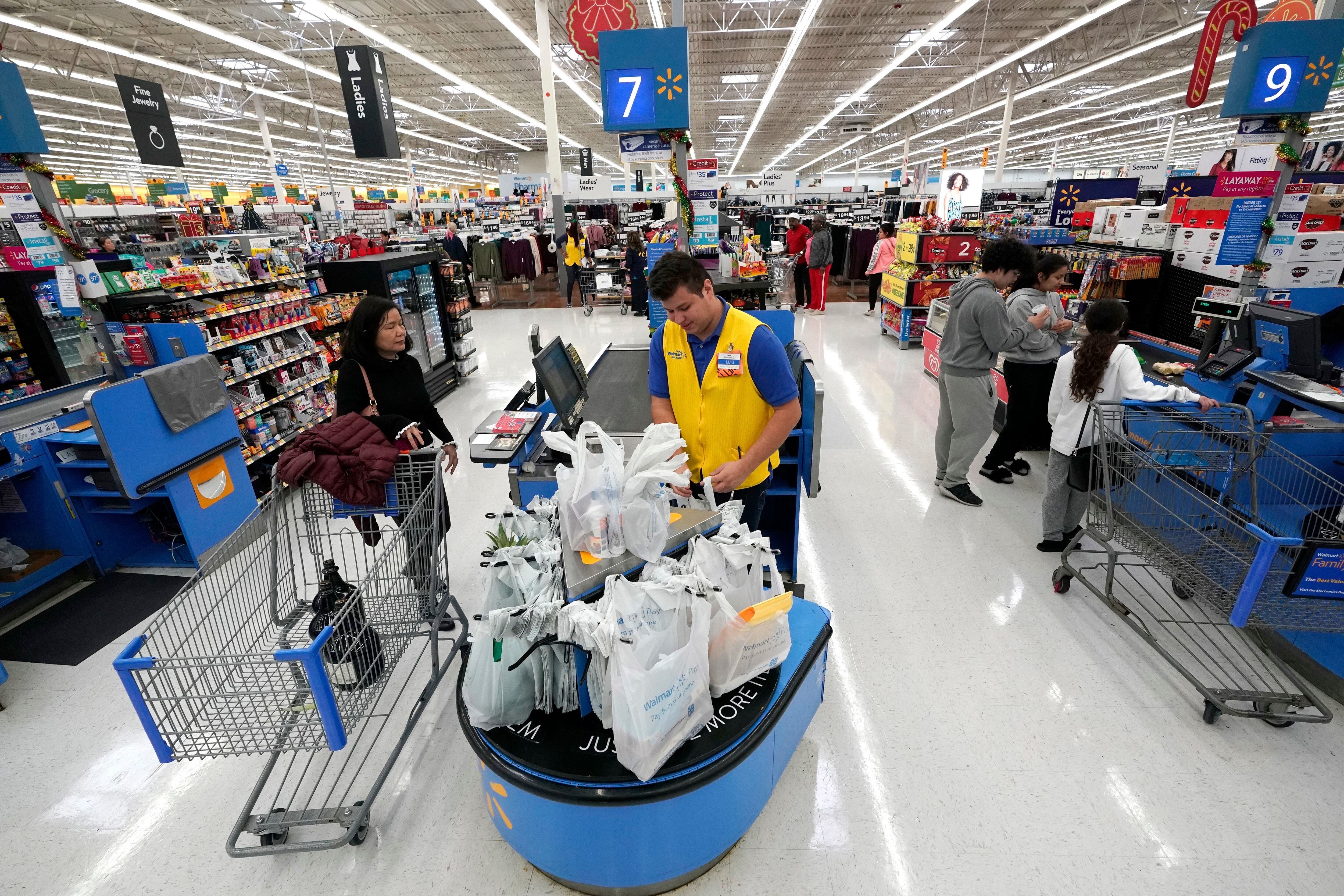
Christmas is on Tuesday, which means Panic Saturday is upon us. Dec. 22 is expected to be the second-busiest shopping day at stores this year, falling short in foot traffic only to Black Friday. Bill Simon, the former CEO of Walmart U.S., told Cheddar Friday that brick-and-mortar retailers are about to have their moment, since "the online guys are done, they can't get it there in time now."
Fair Financial is riding high on its recent $385 million round of funding. Founder and CEO Scott Painter is even willing to bet the used-car-subscription startup will go public down the line. "In most cases, I think it is really foolish to set a target that says, 'we are going to be a public company,' but in Fair's case, there is quite literally just so much money involved," Painter told Cheddar on Friday. "It will have to be a public company sooner than later."
With just a few days left in the year, Cheddar decided to take a look at the best and worst of what 2018 had to offer in entertainment.
Rather than flee to Neverland, Peter Pan might have enrolled in "adulting" school. And so too can stunted millennials ー daunted by bill-paying, cooking, cleaning, and the like ー if they take a class in adult skills at a new institution in Portland, Maine.
Sixty percent of millennials would have to beg, borrow, or steal if confronted with a mere $1,000 in emergency expenses, according to a new survey from LendingTree, which defines the generation as those between 22 and 37 in age. Brian Karimzad, vice president of research at LendingTree, told Cheddar that millennials were least prepared in part due to the combined $1.5 trillion in student loan debt they are carrying.