At the helm of the top media outlets in the nation are all men. The Washington Post's Media Columnist Margaret Sullivan explains the conditions facing women in news, and ways to close the gender gap in newsroom mastheads.
"I think there are more women in powerful positions in media than there ever have been before," says Sullivan. "The problem is at the very, very top of those very powerful news organizations it's pretty rare for a woman to have broken through."
Men wrote 52 percent of bylined news articles and opinion pieces about reproductive issues in the nation’s 12 most widely circulated newspapers and news wires. Meanwhile, women penned 37 percent, according to the 2017 Women's Media Center Report. Men won 84 percent of a century’s worth of Pulitzer Prizes, while women won only 16 percent according to Women's Media Center.
On how the #MeToo movement has impacted newsrooms, Sullivan says, "to say this whole thing gone too far is really misguided." She goes on to say, "I think what's really going to rule the day is that this major reckoning we're having in our society and how extremely important it is and how it was brought about by courageous journalists and courageous women."
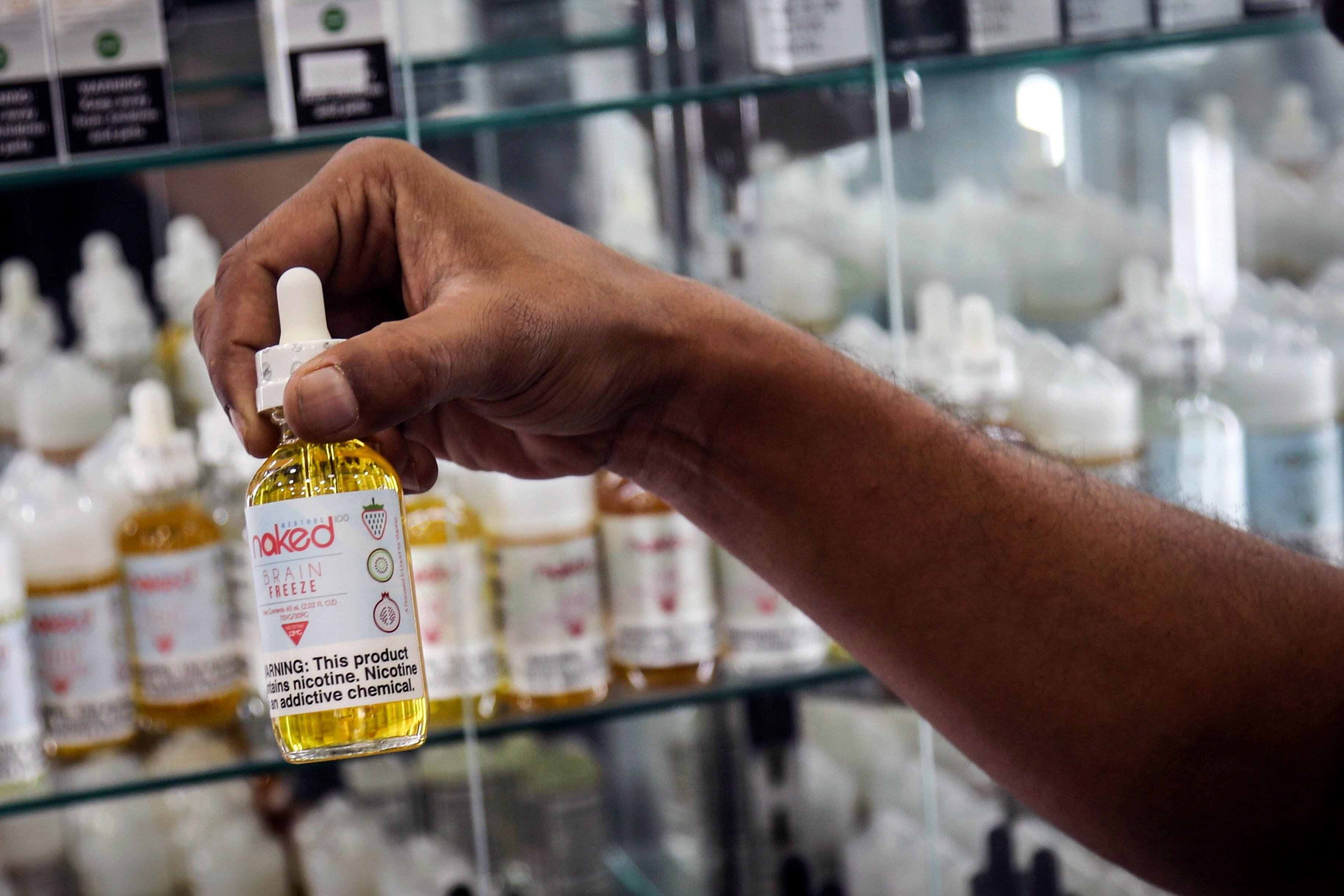
Jacob Rich, a policy analyst from Reason Foundation, which advocates for individual liberty and free markets, said the Trump administration ban on flavored e-cigarettes is “not quite effective.”
The United States is sending nearly 3,000 more Army troops to the Mideast as reinforcements in the volatile aftermath of the killing of an Iranian general in a strike ordered by President Donald Trump, defense officials said Friday.
The majority of the top 10 candidates spent more on television and radio advertising than they did on Facebook ads by the end of November.
These are the headlines you Need 2 Know for Friday, January 3, 2020.
Former NBA commissioner David Stern, who died on New Year's Day, carved out his professional legacy by turning the league, and the sport of basketball, into a massive commercial success. But the hard-nosed executive also left behind lasting social impact with the decisions he made over the course of his three-decade tenure at the top, remembers David Levy, former president of the Brooklyn Nets and a friend of Stern.
The three local women — a mother and her two daughters, ages 30 to 60 — went to police in the western city of Krefeld on New Year's Day after authorities held a news conference about the blaze, criminal police chief Gerd Hoppmann said.
UPS told Cheddar that the company expects to ship 1.9 million gifts and items back to retailers and e-commerce sites on "National Returns Day" Thursday, up 26 percent from last year.
Social media will continue to rapidly evolve in the next year with a new regulatory landscape, in light of new research on how it affects emotions, the rise of newcomers like TikTok, and a new era of commerce.
From Sydney to New York City, concerns have crossed over into 2020 along with the celebrations.
Ghosn had been released on bail by a Tokyo court while awaiting trial but was not allowed to travel overseas. He disclosed his location in a statement through his representatives that did not describe how he left Japan, where he had been under surveillance.