At the helm of the top media outlets in the nation are all men. The Washington Post's Media Columnist Margaret Sullivan explains the conditions facing women in news, and ways to close the gender gap in newsroom mastheads.
"I think there are more women in powerful positions in media than there ever have been before," says Sullivan. "The problem is at the very, very top of those very powerful news organizations it's pretty rare for a woman to have broken through."
Men wrote 52 percent of bylined news articles and opinion pieces about reproductive issues in the nation’s 12 most widely circulated newspapers and news wires. Meanwhile, women penned 37 percent, according to the 2017 Women's Media Center Report. Men won 84 percent of a century’s worth of Pulitzer Prizes, while women won only 16 percent according to Women's Media Center.
On how the #MeToo movement has impacted newsrooms, Sullivan says, "to say this whole thing gone too far is really misguided." She goes on to say, "I think what's really going to rule the day is that this major reckoning we're having in our society and how extremely important it is and how it was brought about by courageous journalists and courageous women."
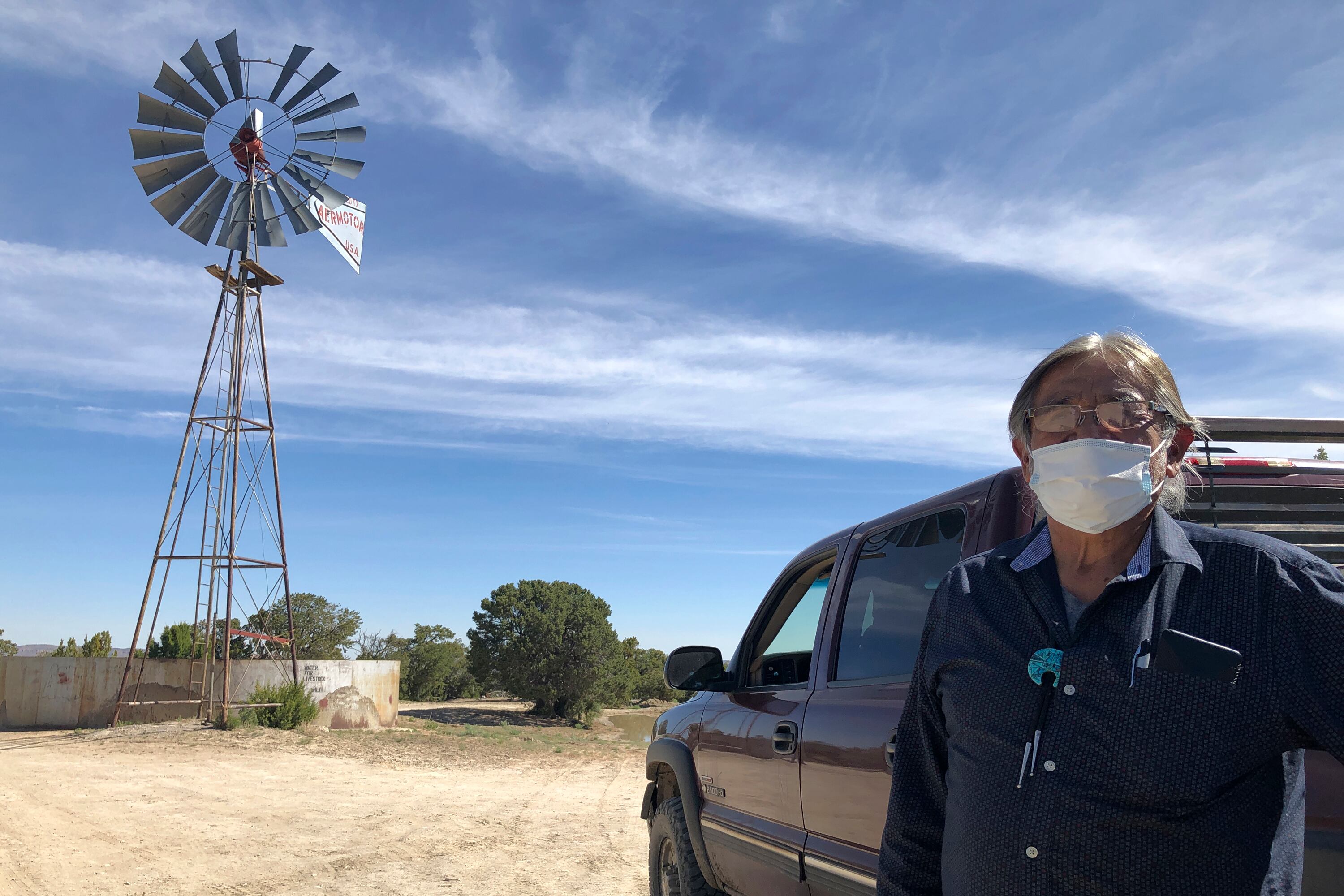
Even as some states begin the process of reopening their economies, Native American tribes are dealing with disproportionate challenges during the pandemic. The Navajo Nation, in particular, has suffered greatly. "The native communities are the ones that are suffering the most from the virus," former New Mexico Governor Bill Richardson told Cheddar. "Close to 30 to 40 percent of those that are afflicted are tribal members, especially the Navajo Nation."
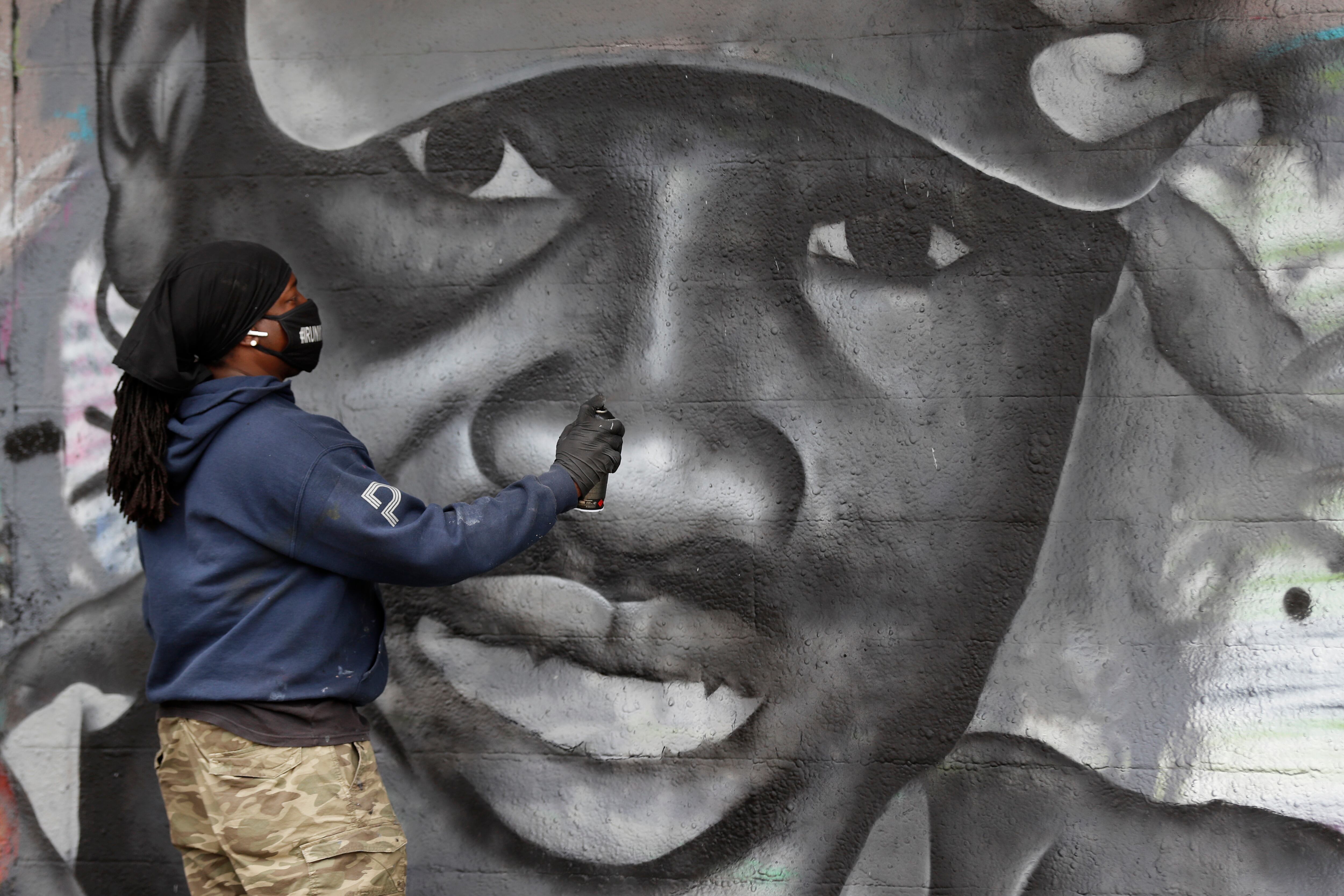
A video released Monday shows police in Georgia attempting to search Ahmaud Arbery's parked car in 2017 and when he declines to let them and begins to walk back to the vehicle, an officer tries to use a stun gun on him.
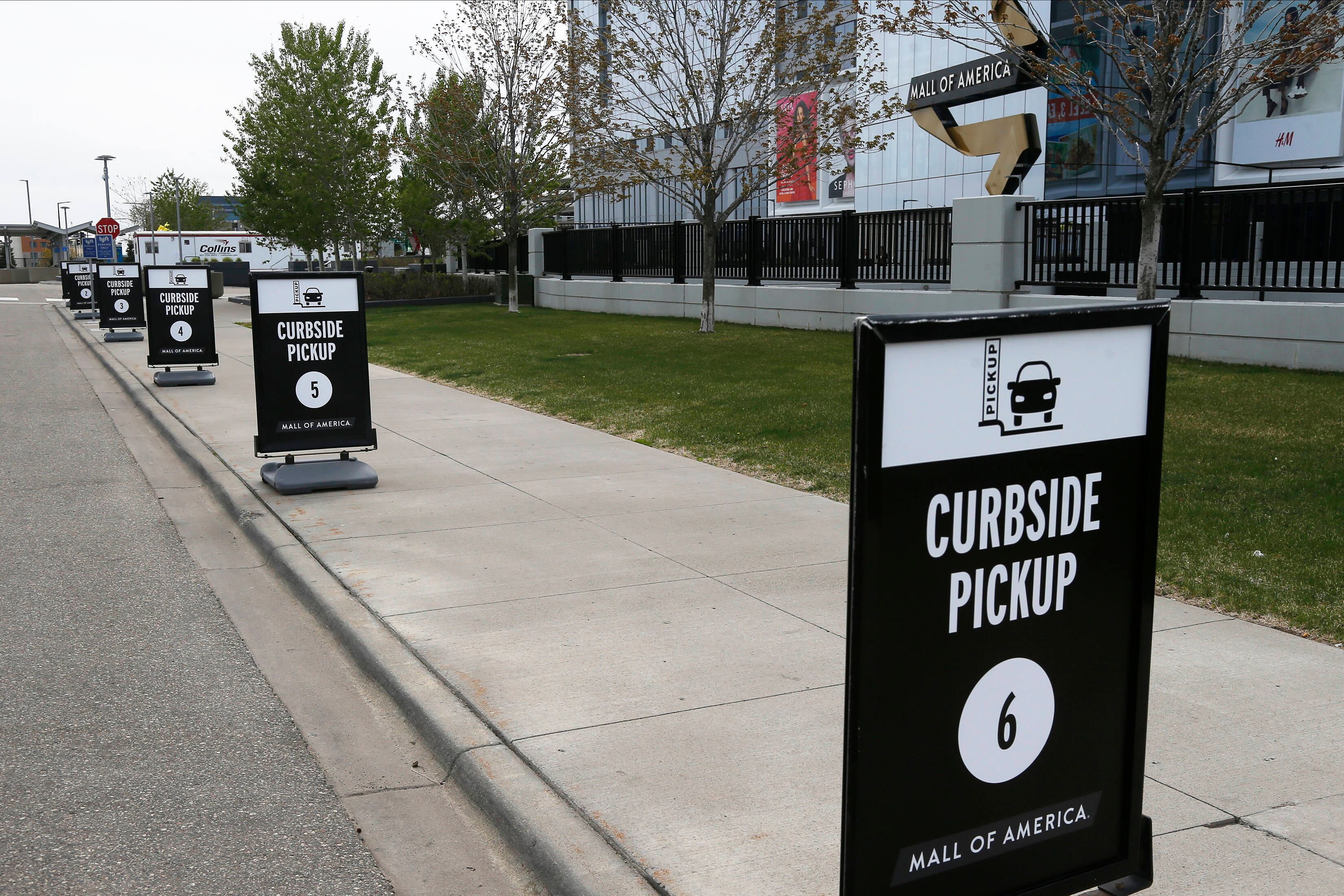
Lingering health concerns about going out in public and interacting with others amid the coronavirus pandemic are forcing businesses to embrace e-commerce, a move not all of them are prepared for.
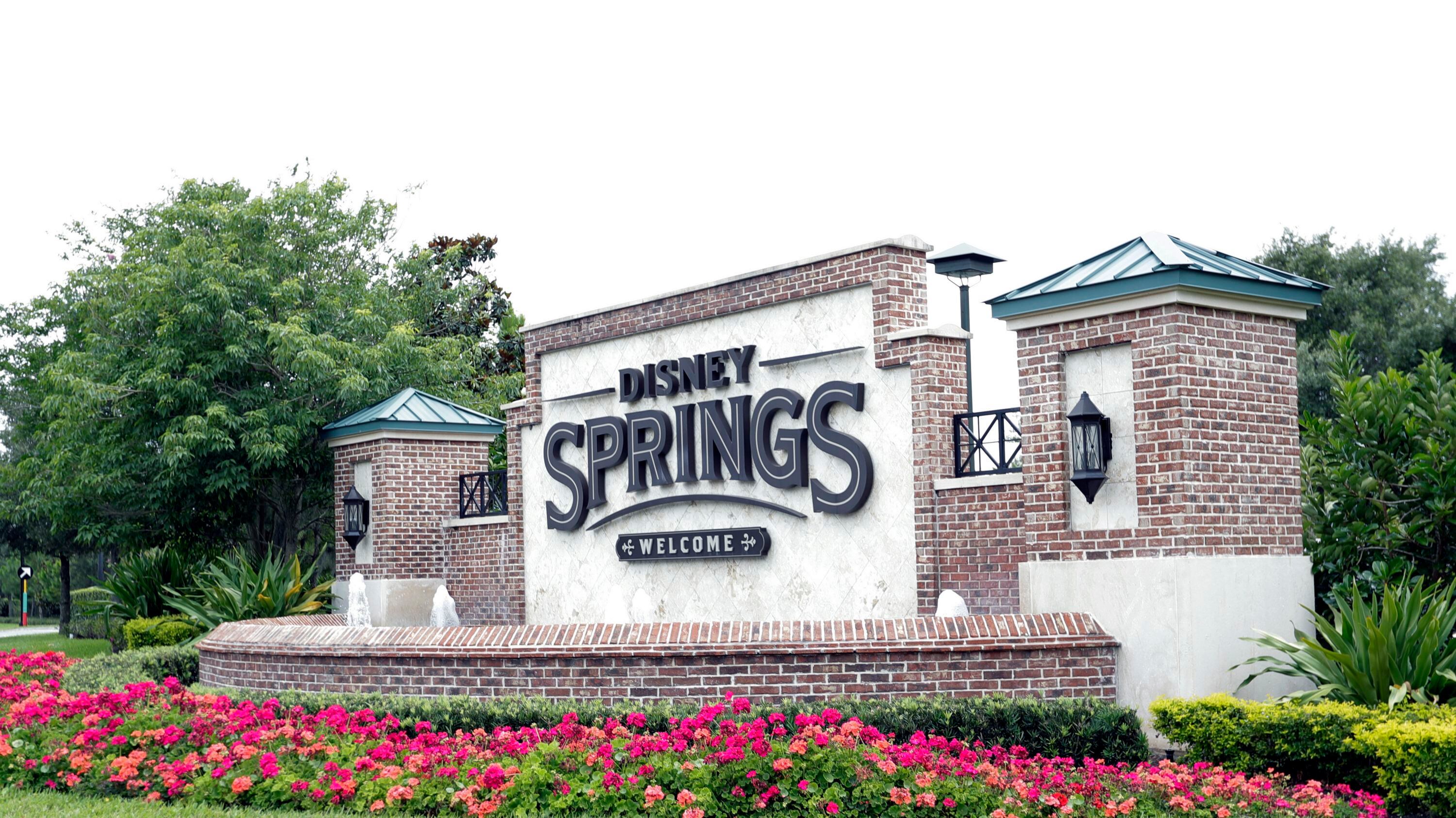
While enhanced safety measures are being taken at Disney Springs, “an inherent risk of exposure to COVID-19 exists in any public place where people are present," the company said Monday on a website for the entertainment complex.
John Stefanopoulos, who manages the Four Brothers Drive-in Theater, located near the Connecticut border, told Cheddar that the theater was scrambling to be ready for the weekend.
Hollywood hair color specialist Michael Canalé talked to Cheddar about keeping your hair on point during coronavirus shutdowns.
For the better half of the last century, multi-cam sitcoms across television relied on the laugh track to make TV shows better. Thanks to the laff box by Charley Douglass, favorite shows from Friends to Seinfeld would use canned laughter to sweeten the comedy. But over the last 10 years, the laugh track has disappeared almost entirely.
New Jersey's governor issued long-awaited guidance Thursday to Jersey Shore towns on how to safely reopen their beaches as the summer season beckons amid the coronavirus outbreak.
With grim images of coronavirus frontline workers splashing across screens, the founder of the virtual support group Lyf decided to come up with new ways of helping those struggling during the pandemic.
Colby College, a small liberal arts college in Maine, recently launched its Pay It Northward campaign, in an effort to help find opportunities for graduates who have not landed jobs yet.