How the #MeToo Movement is Impacting America's Newsrooms
At the helm of the top media outlets in the nation are all men. The Washington Post's Media Columnist Margaret Sullivan explains the conditions facing women in news, and ways to close the gender gap in newsroom mastheads.
"I think there are more women in powerful positions in media than there ever have been before," says Sullivan. "The problem is at the very, very top of those very powerful news organizations it's pretty rare for a woman to have broken through."
Men wrote 52 percent of bylined news articles and opinion pieces about reproductive issues in the nation’s 12 most widely circulated newspapers and news wires. Meanwhile, women penned 37 percent, according to the 2017 Women's Media Center Report. Men won 84 percent of a century’s worth of Pulitzer Prizes, while women won only 16 percent according to Women's Media Center.
On how the #MeToo movement has impacted newsrooms, Sullivan says, "to say this whole thing gone too far is really misguided." She goes on to say, "I think what's really going to rule the day is that this major reckoning we're having in our society and how extremely important it is and how it was brought about by courageous journalists and courageous women."
David Ewalt, Editor-in-Chief at Gizmodo joins Cheddar News to discuss a TikTok moderator suing the platform over mental trauma caused by graphic videos
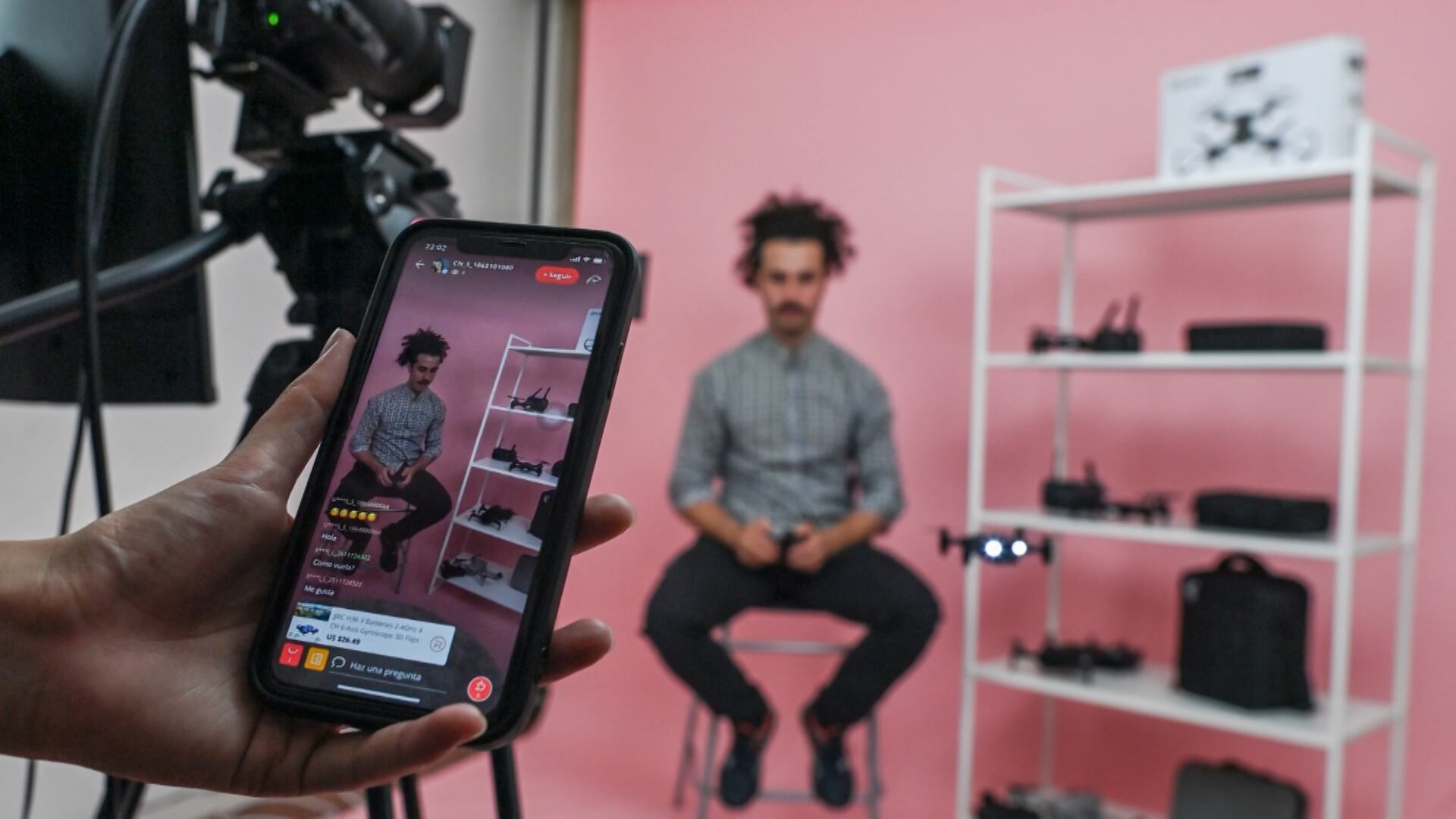
The pandemic has supercharged the creator economy, and there are no signs of it slowing down no matter when the pandemic officially ends. Creators prove to be a key factor in driving purchasing decisions and retail sales, and an increasing amount of platforms are taking advantage of the social influence. Karissa Bell, senior editor at Engadget, joins cheddar news to discuss the creator economy boom.
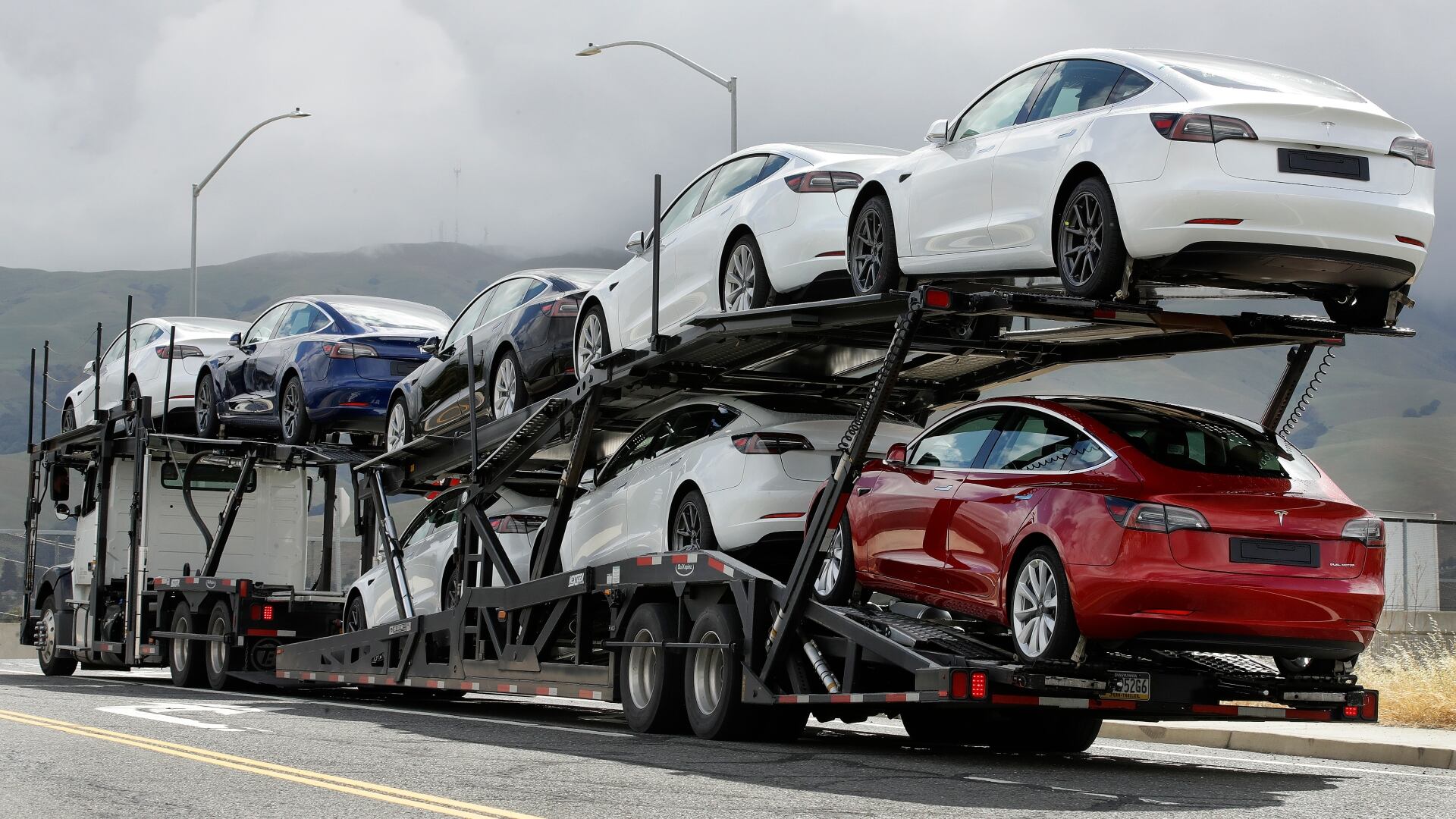
The E-V maker Tesla has had a wild year. The company managed to continue to dominate the U.S. electric vehicle space despite growing competition and production delays. As the end comes to an end, Tesla finds itself growing richer and richer. Author of Risk Ritual Newsletter Richard Smith, joined Cheddar to discuss more.
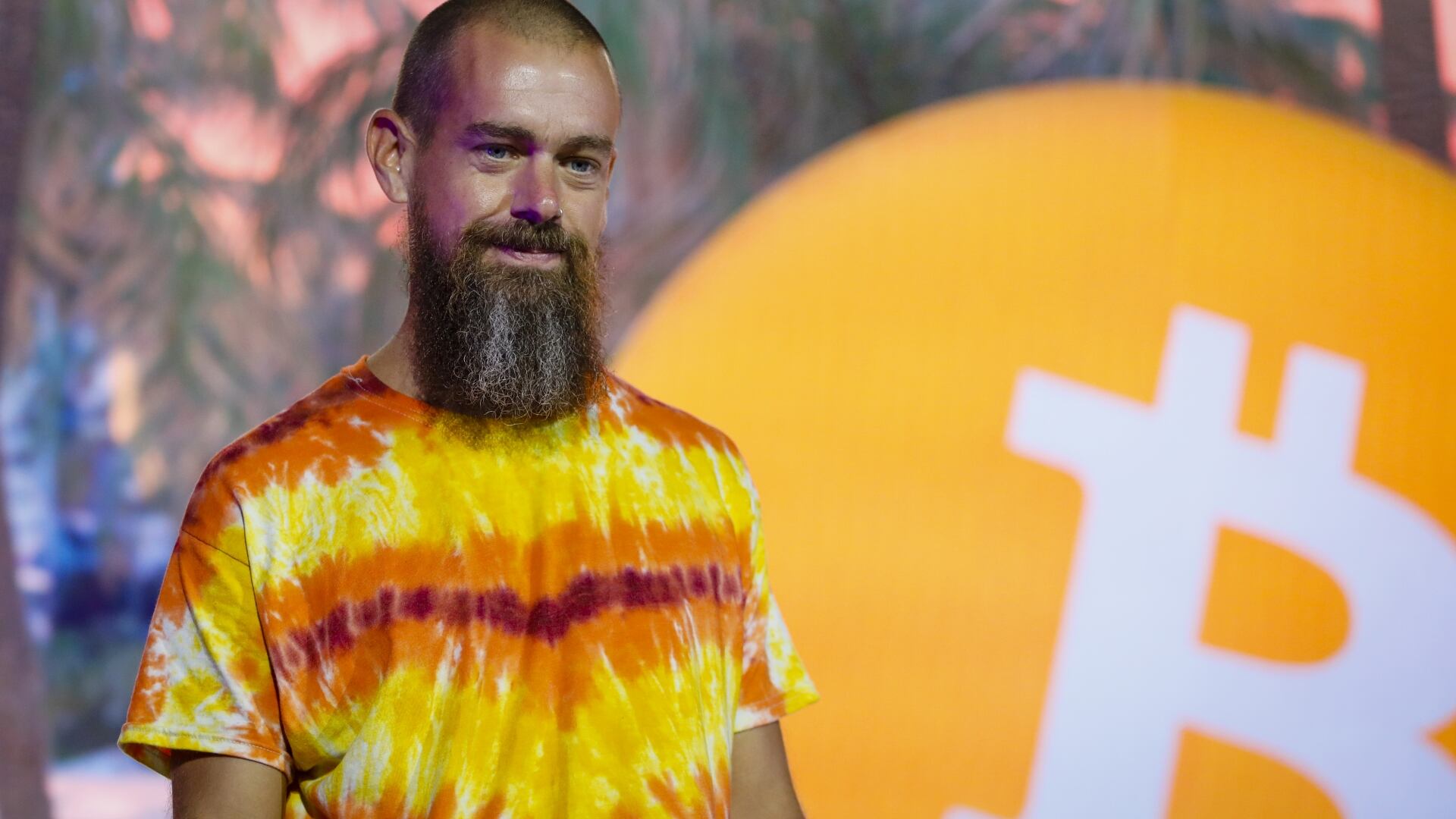
Venture capitalists and CEOs are clashing over the future of the internet. Web3 is the tech world's name for a decentralized, blockchain-based internet that runs on cryptocurrency. It was recently the topic of a tweet from Block CEO and former Twitter CEO Jack Dorsey who wrote that Web3 will not actually be owned by users, and instead be controlled by rich venture capitalists. Dorsey later shared that he was blocked on Twitter by Marc Andreesen, co-founder of VC firm Andreesen Horowitz, which has invested billions of dollars into Web3 and crypto projects. Correspondent for DealBook from the New York Times, Ephrat Livni, joins Cheddar News' Closing Bell to discuss what this could mean for the future of Web3.
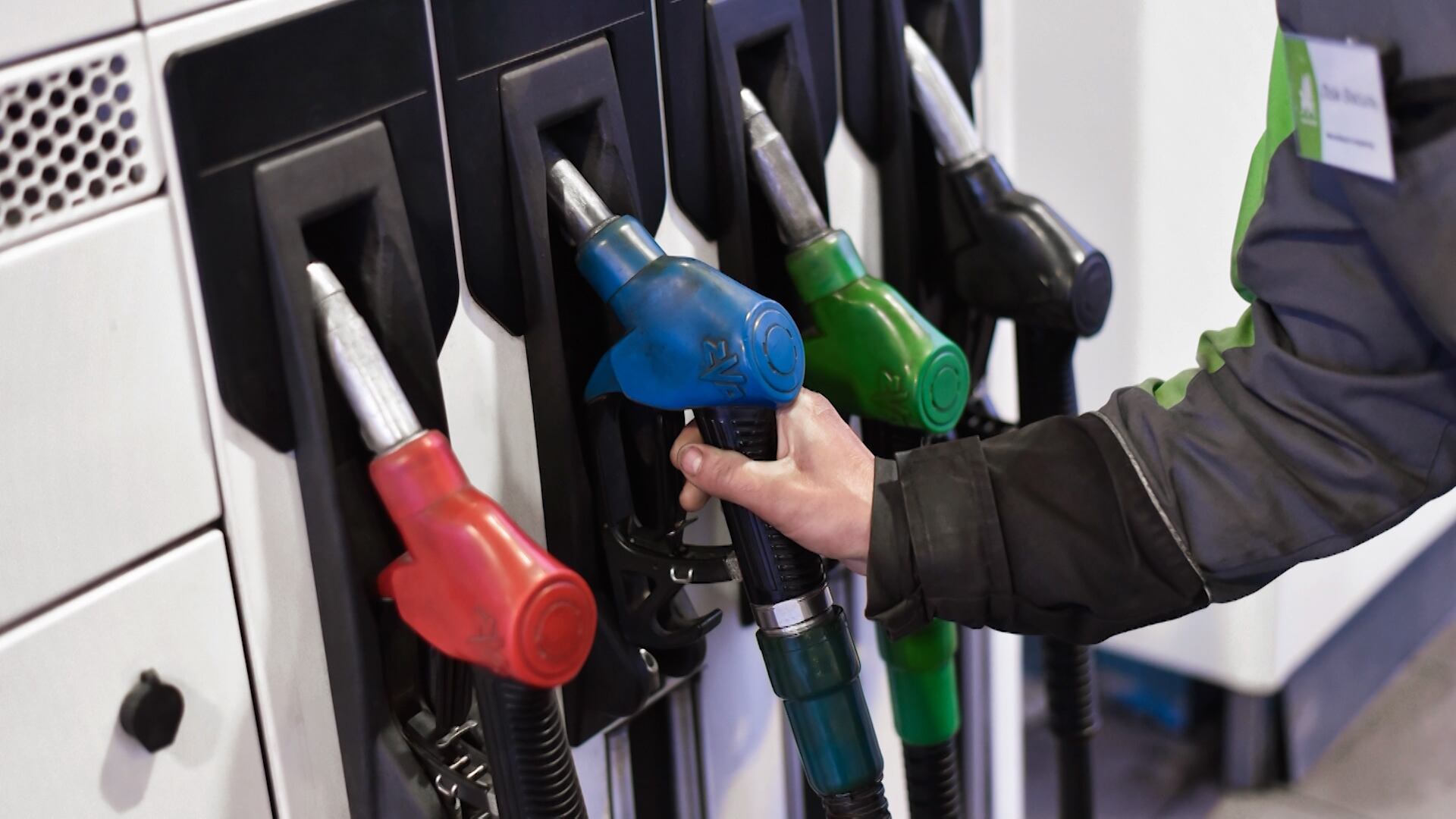
Prices at the pump this year reached a seven-year high, and a new forecast from GasBuddy shared with CNN predicts that gas prices will only continue to rise in 2022 and that the national average could even reach $4.00 a gallon; however, analysts at GasBuddy say anything could happen when it comes to gas prices in the future, as the pandemic has made it difficult to make any predictions about the economy. Consumer Energy Alliance federal policy advisor Michael Zehr joins Cheddar News' Closing Bell to discuss.