How the #MeToo Movement is Impacting America's Newsrooms
At the helm of the top media outlets in the nation are all men. The Washington Post's Media Columnist Margaret Sullivan explains the conditions facing women in news, and ways to close the gender gap in newsroom mastheads.
"I think there are more women in powerful positions in media than there ever have been before," says Sullivan. "The problem is at the very, very top of those very powerful news organizations it's pretty rare for a woman to have broken through."
Men wrote 52 percent of bylined news articles and opinion pieces about reproductive issues in the nation’s 12 most widely circulated newspapers and news wires. Meanwhile, women penned 37 percent, according to the 2017 Women's Media Center Report. Men won 84 percent of a century’s worth of Pulitzer Prizes, while women won only 16 percent according to Women's Media Center.
On how the #MeToo movement has impacted newsrooms, Sullivan says, "to say this whole thing gone too far is really misguided." She goes on to say, "I think what's really going to rule the day is that this major reckoning we're having in our society and how extremely important it is and how it was brought about by courageous journalists and courageous women."
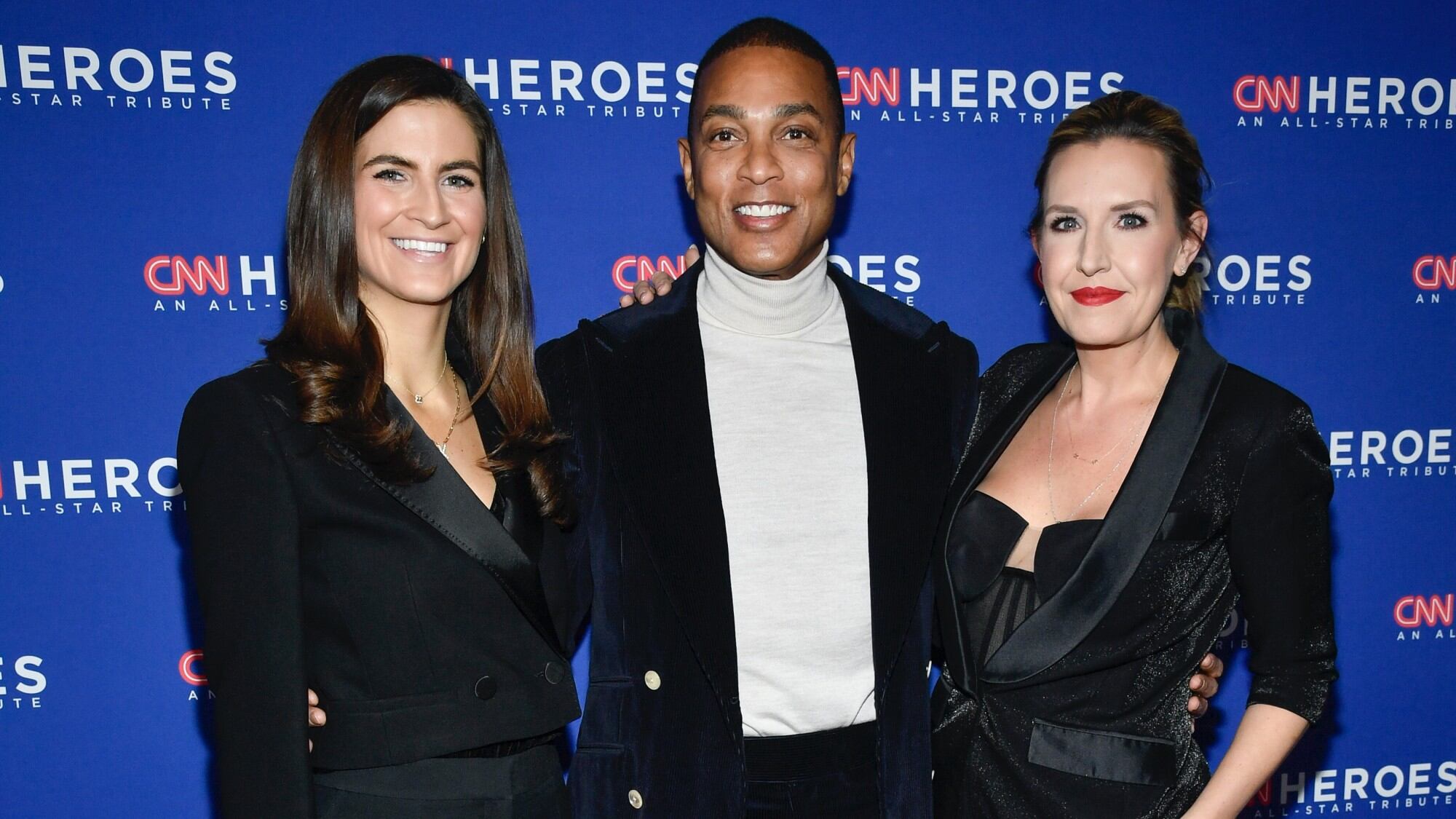
FILE - CNN anchors Kaitlan Collins, from left, Don Lemon and Poppy Harlow appear at the 16th annual CNN Heroes All-Star Tribute on Dec. 11, 2022, in New York.
(Photo by Evan Agostini/Invision/AP, File)
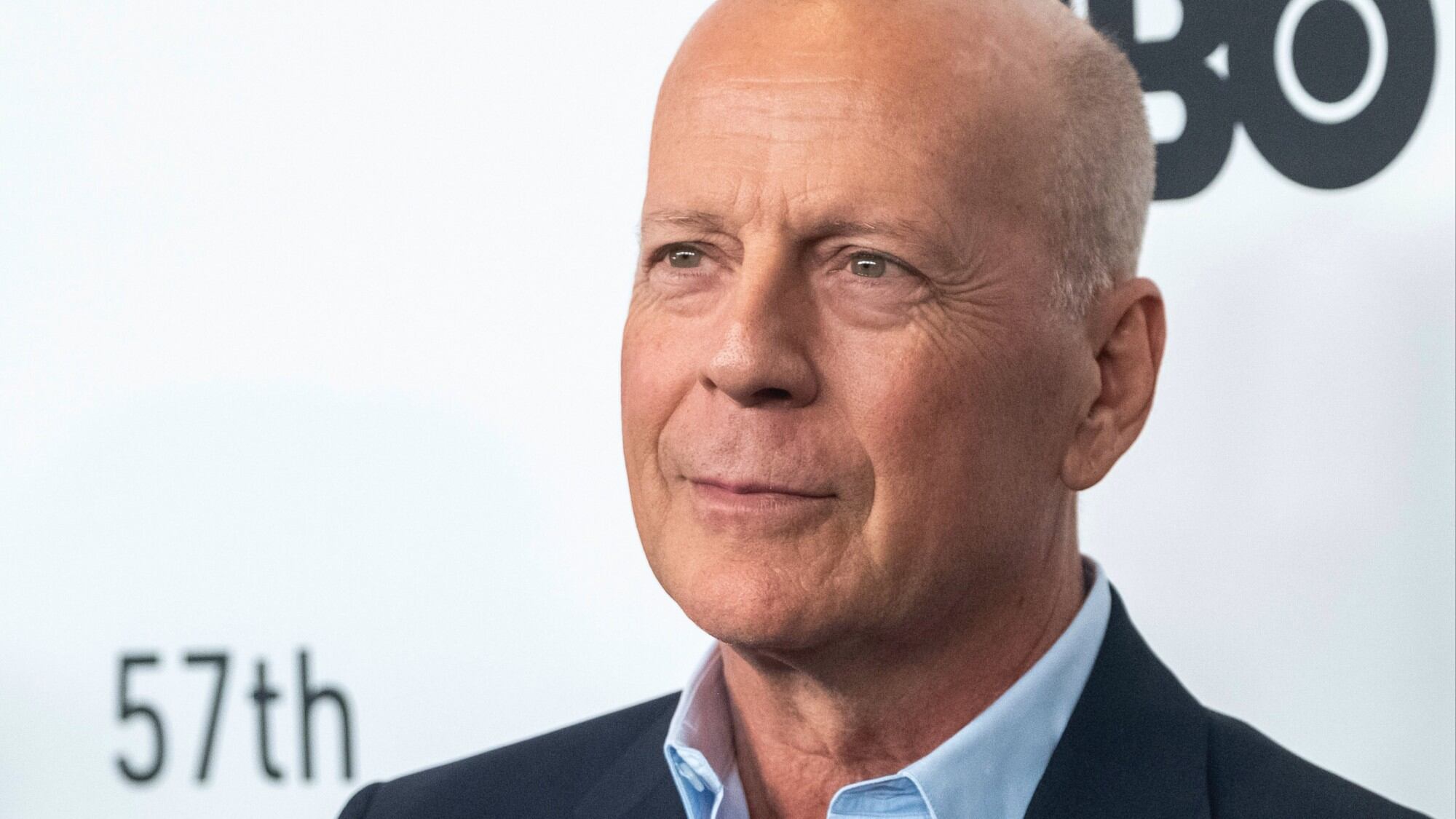
Bruce Willis attends a movie premiere in New York on Friday, Oct. 11, 2019. Nearly a year after Bruce Willis’ family announced that he would step away from acting after being diagnosed with aphasia, his family says his “condition has progressed.” In a statement posted Thursday, the 67-year-old actor’s family said Willis has a more specific diagnosis of frontotemporal dementia. (Photo by Charles Sykes/Invision/AP, File)