How the #MeToo Movement is Impacting America's Newsrooms
At the helm of the top media outlets in the nation are all men. The Washington Post's Media Columnist Margaret Sullivan explains the conditions facing women in news, and ways to close the gender gap in newsroom mastheads.
"I think there are more women in powerful positions in media than there ever have been before," says Sullivan. "The problem is at the very, very top of those very powerful news organizations it's pretty rare for a woman to have broken through."
Men wrote 52 percent of bylined news articles and opinion pieces about reproductive issues in the nation’s 12 most widely circulated newspapers and news wires. Meanwhile, women penned 37 percent, according to the 2017 Women's Media Center Report. Men won 84 percent of a century’s worth of Pulitzer Prizes, while women won only 16 percent according to Women's Media Center.
On how the #MeToo movement has impacted newsrooms, Sullivan says, "to say this whole thing gone too far is really misguided." She goes on to say, "I think what's really going to rule the day is that this major reckoning we're having in our society and how extremely important it is and how it was brought about by courageous journalists and courageous women."
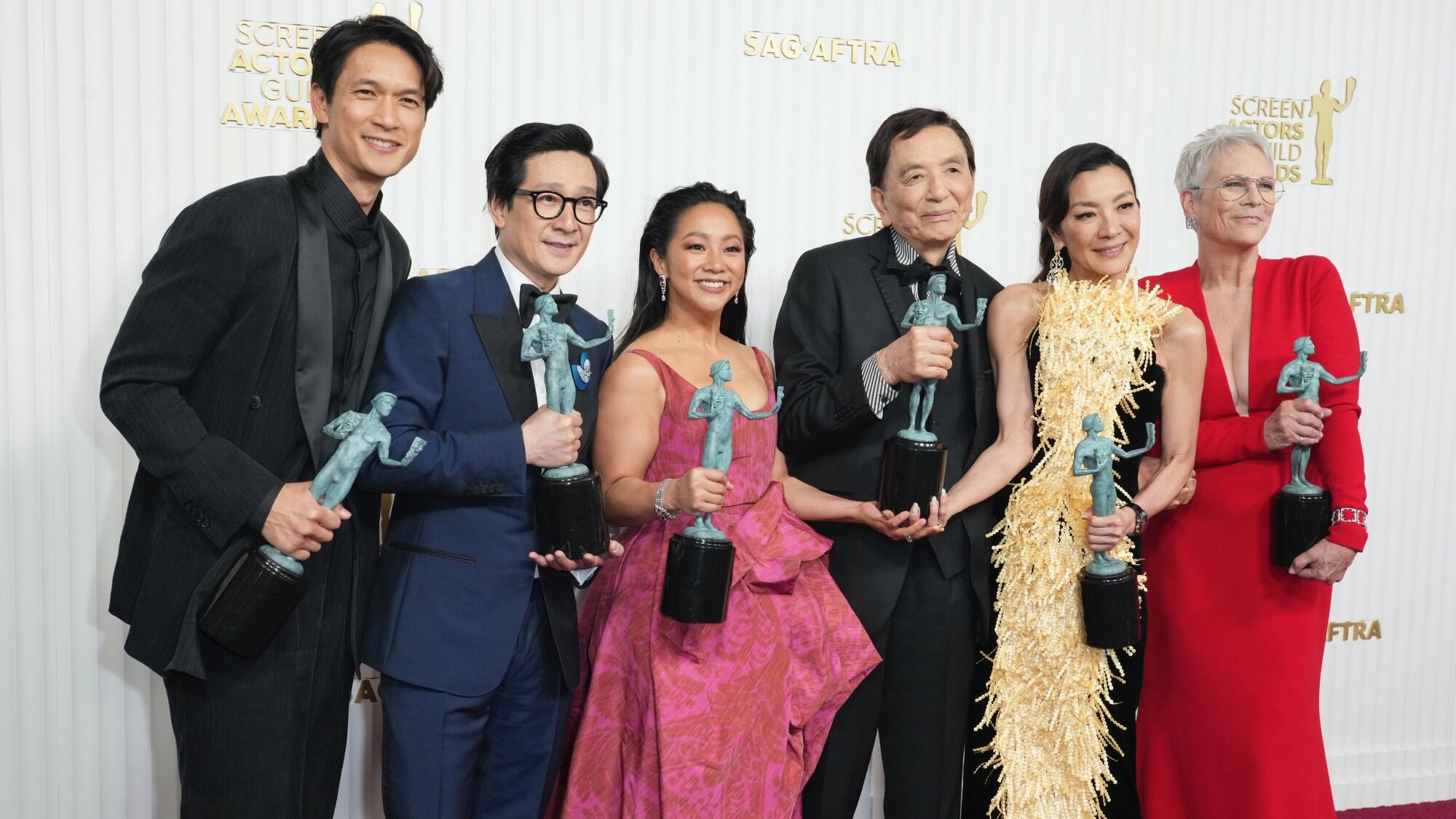
It was a night to celebrate for the stars of “Everything Everywhere All at Once" as it becomes the biggest movie in the awards multiverse. It took a long while for all the cast members to gather in the press room at the Screen Actors Guild Awards, where they won best ensemble to go with individual awards for Michelle Yeoh, Key Huy Quan and Jamie Lee Curtis.
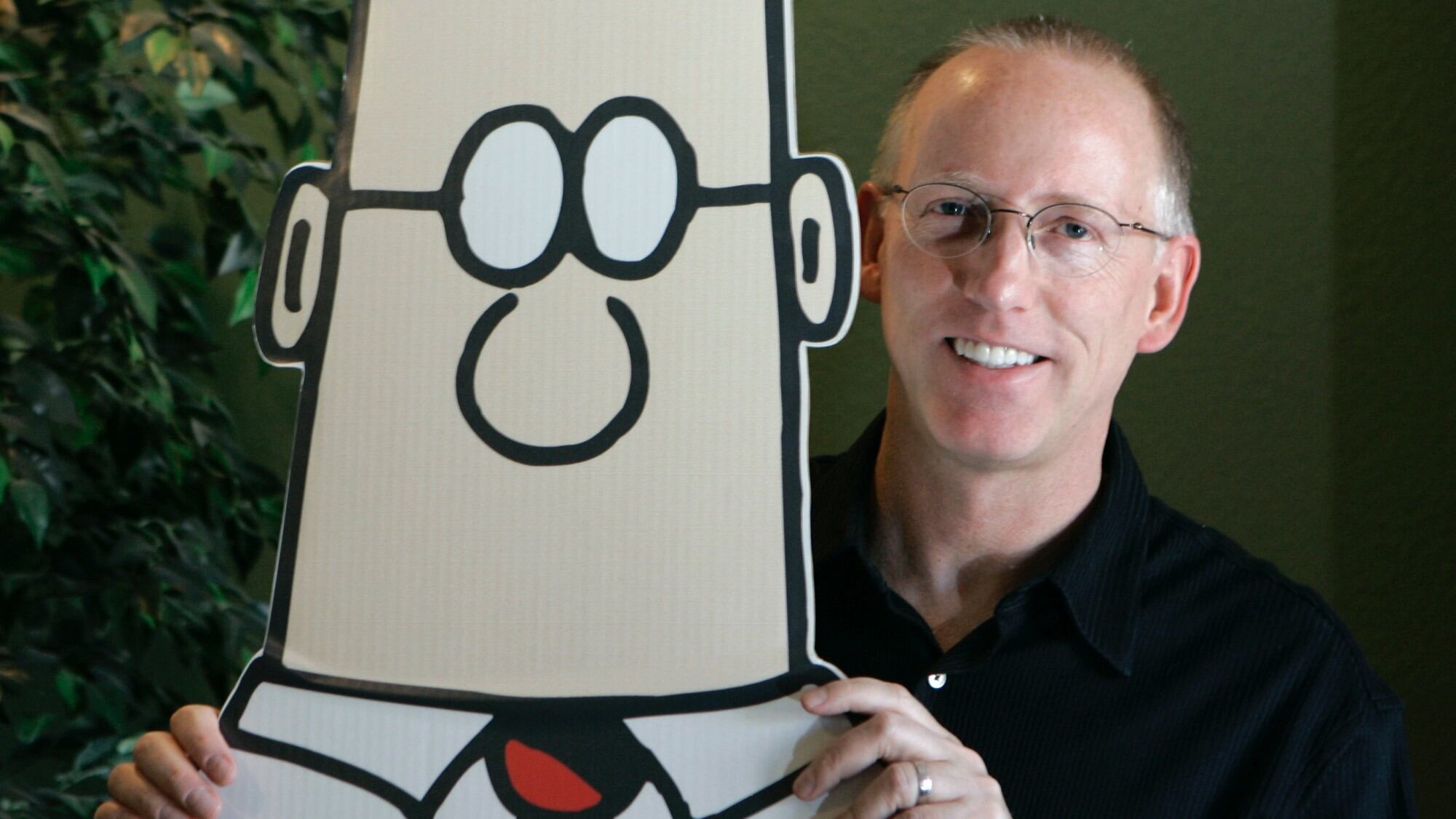
The creator of the Dilbert comic strip faced a backlash of cancellations Saturday while defending remarks describing people who are Black as members of “a hate group” from which white people should “get away.”
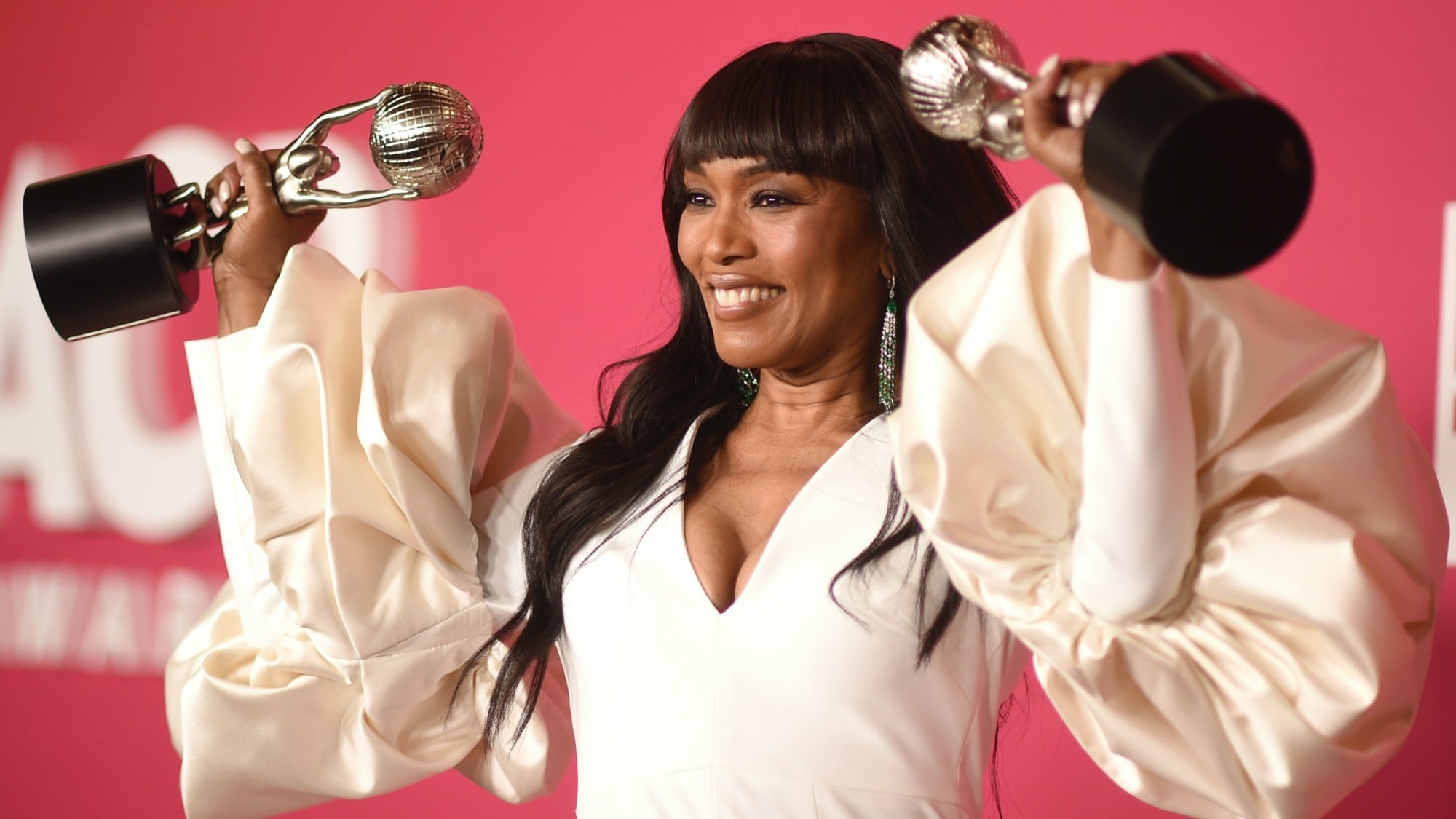
Angela Bassett won entertainer of the year at Saturday's NAACP Image Awards on a night that also saw her take home an acting trophy for the television series “9-1-1.”
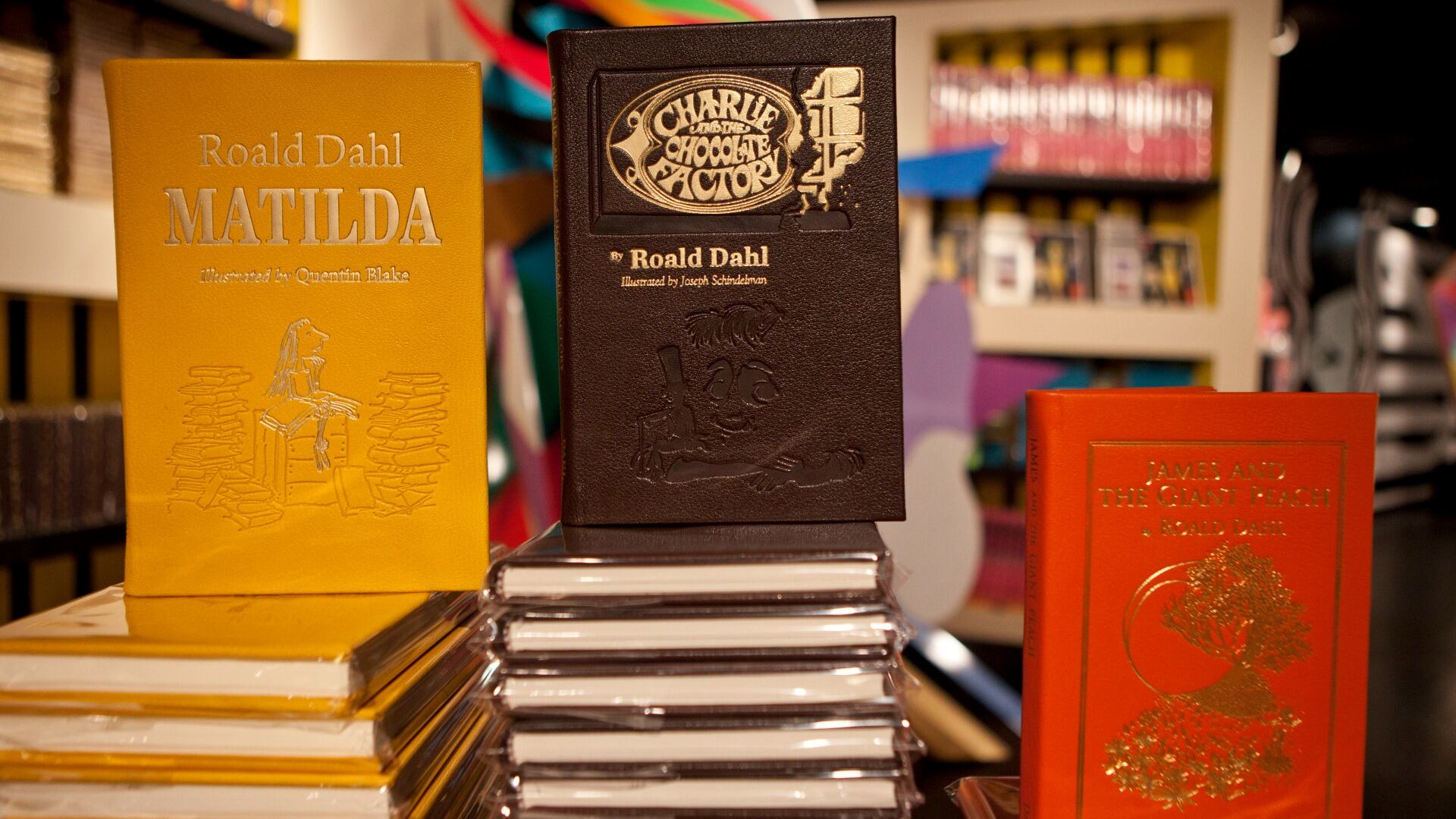
Publisher Penguin Random House says it will publish “classic” unexpurgated versions of Roald Dahl’s children’s novels, after criticism of cuts and rewrites intended to make the books suitable for modern readers.