If you want to get inside of your pet's head, the tech hasn't arrived yet, but one company hopes to have it trending in the right direction.
Los Angeles-based FluentPet has developed a series of tiles it claims help four-legged companions communicate with their humans. Through training, they can learn to associate various tiles with words they've learned over time and then use their paws to press them.
The tech has been a hit on platforms like TikTok, where tons of "talking dog" videos have gone viral.
There are a wide range of options to select from when it comes to purchasing the tech. Test kits start out around $35 with the most expensive option, They Can Talk Kit, being priced around $230.
The company also recently launched FluentPet Connect, which integrates the tile button system into an app. This helps keep pet owners connected to their pets at all times. If a person isn't home, their pet could send an alert, similar to a text message.
The system is available for an additional $69.99 but is compatible with tiles that have already hit the market.
However, devices like FluentPet and the studies that have been done with their subjects do face skepticism from scientists. Clive Wynne, the founding director of the Canine Science Collaboratory at Arizona State University, explained that rather than language comprehension, the dogs are being conditioned.
“This is one of the most basic forms of learning in the animal kingdom," Wynne told the Washington Post. "The dog forms an association between an action and an outcome that it desires.”
Wealthfront’s CFO Alan Iberman talks the $2.05B IPO and the major moment for robo banking as the company bets on AI, automation, and “self-driving money."
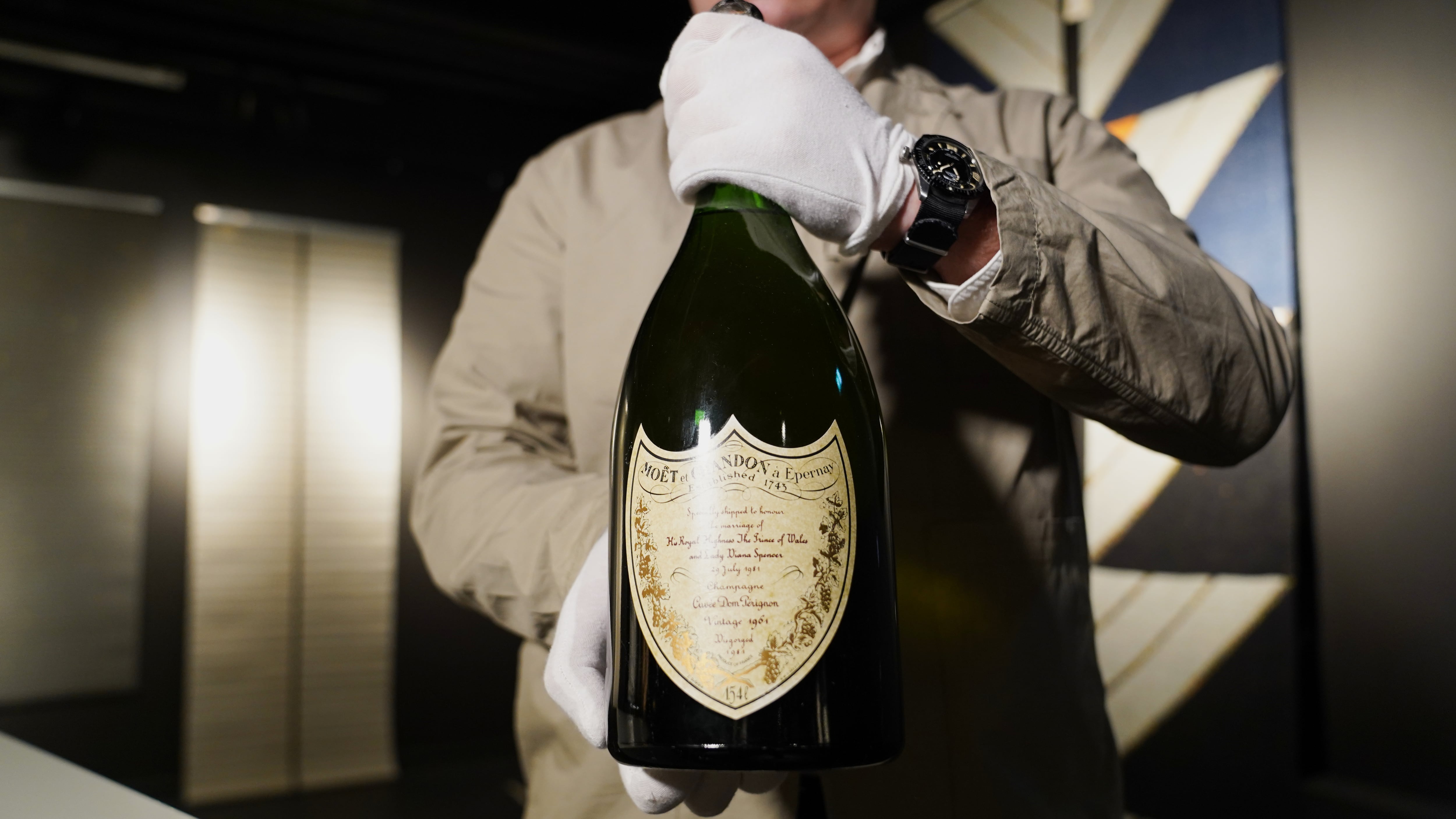
A rare magnum of Dom Pérignon Vintage 1961 champagne that was specially produced for the 1981 wedding of Prince Charles and Lady Diana has failed to sell during an auction. Danish auction house Bruun Rasmussen handled the bidding Thursday. The auction's house website lists the bottle as not sold. It was expected to fetch up to around $93,000. It is one of 12 bottles made to celebrate the royal wedding. Little was revealed about the seller. The auction house says the bids did not receive the desired minimum price.
The New York Times and President Donald Trump are fighting again. The news outlet said Wednesday it won't be deterred by Trump's “false and inflammatory language” from writing about the 79-year-old president's health. The Times has done a handful of stories on that topic recently, including an opinion column that said Trump is “starting to give President Joe Biden vibes.” In a Truth Social post, Trump said it might be treasonous for outlets like the Times to do “FAKE” reports about his health and "we should do something about it.” The Republican president already has a pending lawsuit against the newspaper for its past reports on his finances.
OpenAI has appointed Slack CEO Denise Dresser as its first chief of revenue. Dresser will oversee global revenue strategy and help businesses integrate AI into daily operations. OpenAI CEO Sam Altman recently emphasized improving ChatGPT, which now has over 800 million weekly users. Despite its success, OpenAI faces competition from companies like Google and concerns about profitability. The company earns money from premium ChatGPT subscriptions but hasn't ventured into advertising. Altman had recently announced delays in developing new products like AI agents and a personal assistant.
President Donald Trump says he will allow Nvidia to sell its H200 computer chip used in the development of artificial intelligence to “approved customers” in China. Trump said Monday on his social media site that he had informed China’s leader Xi Jinping and “President Xi responded positively!” There had been concerns about allowing advanced computer chips into China as it could help them to compete against the U.S. in building out AI capabilities. But there has also been a desire to develop the AI ecosystem with American companies such as chipmaker Nvidia.