After claiming the Democrats did “jiu jitsu” on the $2 trillion coronavirus aid package in order to focus more on individuals rather than corporations, Speaker Nancy Pelosi, who turns 80 today, said the House will take up the measure tomorrow.
While she said Thursday that she is “very proud of the product” and expects it to pass with strong bipartisan support, she does not expect unanimous consent.
Echoing warnings of public health officials nationwide, Pelosi said getting coronavirus under control “won’t happen unless we respect science, science, science. And for those who say we choose prayer over science, I say science is an answer to our prayers.”
Pelosi, who worked closely with Treasury Secretary Steven Mnuchin on negotiating the Phase III bill, said “with all the respect in the world” for Mnuchin, “there was this idea they put forth there would be a $500 billion slush fund for the Secretary of the Treasury with no accountability, whatsoever. Are you kidding?” Pelosi said she is pleased the new language in the bill has a Treasury inspector general and a five-person Congressional oversight committee to oversee the distribution of those funds.
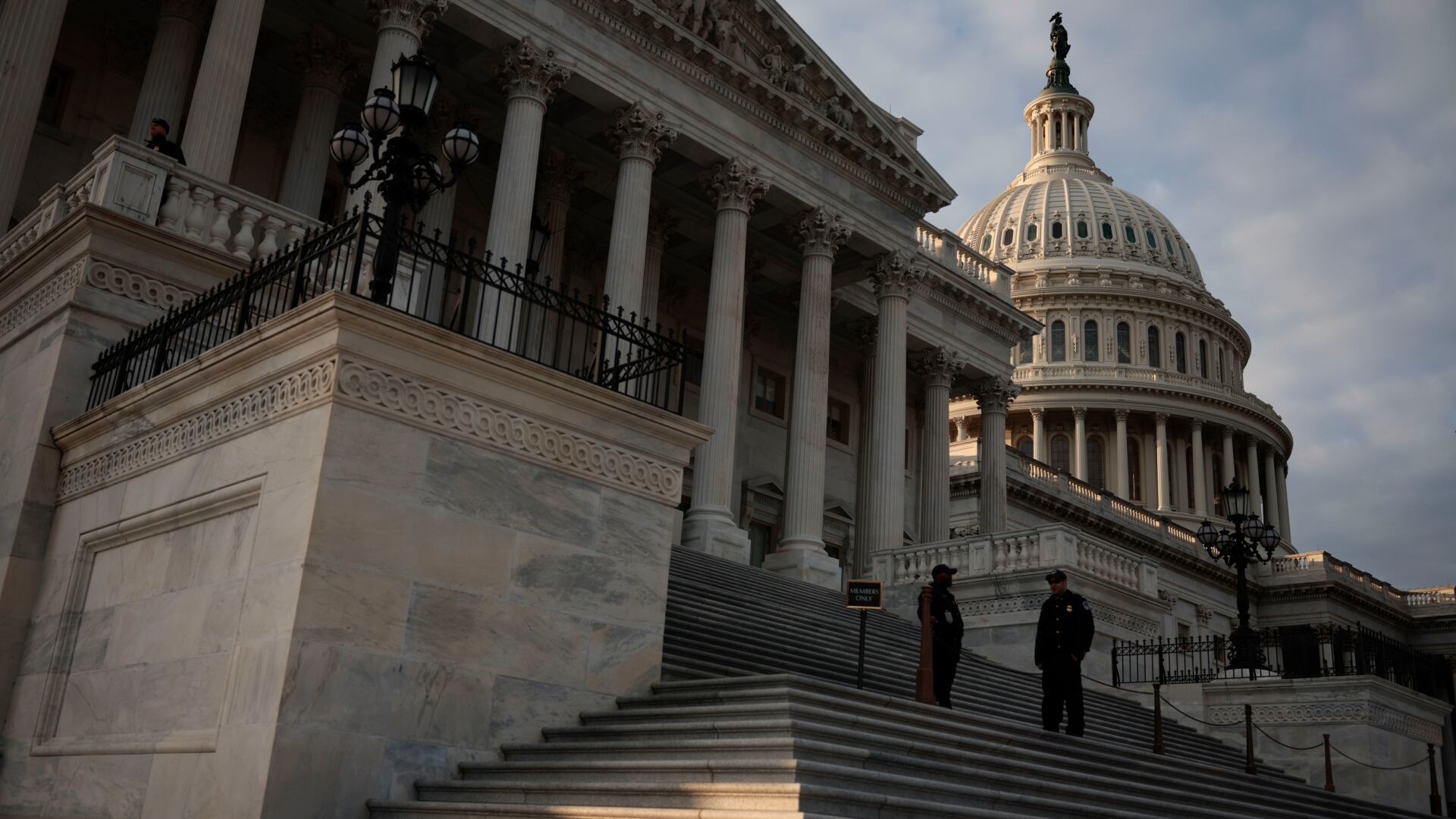
Pelosi is expected to introduce the 880-page Coronavirus Aid, Relief, and Economic Security (or CARES) Act to the House tomorrow. House Majority Leader Steny Hoyer said the chamber will likely consider the bill by voice vote, with an option for House members to debate on the floor.
The bill faced last-minute opposition from both sides of the Senate aisle. Some Republicans argued provisions of the act disincentivized people from working while Democrats argued there was too much relief for corporations, rather than individuals.
While listing off changes to the bill that she was happy with, Pelosi noted that money to major corporations like airlines are conditional upon those funds going directly to workers.
“With all three of our bills, we have put families and workers first,” she said. She also expressed hope that a potential Phase IV of the relief bill will offer even more worker protections and increased state and local funding.
As she urged people to continue staying home and following warnings of health officials, Pelosi said “the markets are not going to succeed unless we take care of people,” she said.
Without naming the president directly, Pelosi pushed back on the administration’s suggestion that the federal government ease social distancing guidelines and urged him to invoke the Defense Production Act to increase production of ventilators and coordinate distribution. If the nation does not act carefully, she warned “the light at the end of the tunnel may be a train coming at us.”
She also said she was disappointed that Republicans would not agree to an increase in food stamp benefits. In response, she has included that as a priority for another phase of the deal. Other priorities include expanding Family and Medical Leave Act and workplace health and safety protections, expanding the allowance of pension smoothing, and creating a better funding formula for the District of Columbia, which was classified as a territory rather than a state in the Phase III plan.
Though Pelosi said ‘nothing surprises me around here,” she found it “curious” that Washington D.C. was treated “in a very discriminatory way.”
“It doesn’t make sense unless you have some other motivation,” she said.
Still, Pelosi said, “We will have a victory tomorrow for America’s workers.”
But although she may be planning to celebrate a legislative victory tomorrow, her more personal birthday celebration will have to wait until she can hug her grandchildre