By Lisa Mascaro, Kevin Freking, Stephen Groves and Farnoush Amiri
Veering away from a default crisis, the House approved a debt ceiling and budget cuts package late Wednesday, as President Joe Biden and Speaker Kevin McCarthy assembled a bipartisan coalition of centrist Democrats and Republicans against fierce conservative blowback and progressive dissent.
The hard-fought deal pleased few, but lawmakers assessed it was better than the alternative — a devastating economic upheaval if Congress failed to act. Tensions ran high throughout the day as hard-right Republicans refused the deal, while Democrats said “extremist” GOP views were risking a debt default as soon as next week.
With the House vote of 314-117, the bill now heads to the Senate with passage expected by week's end.
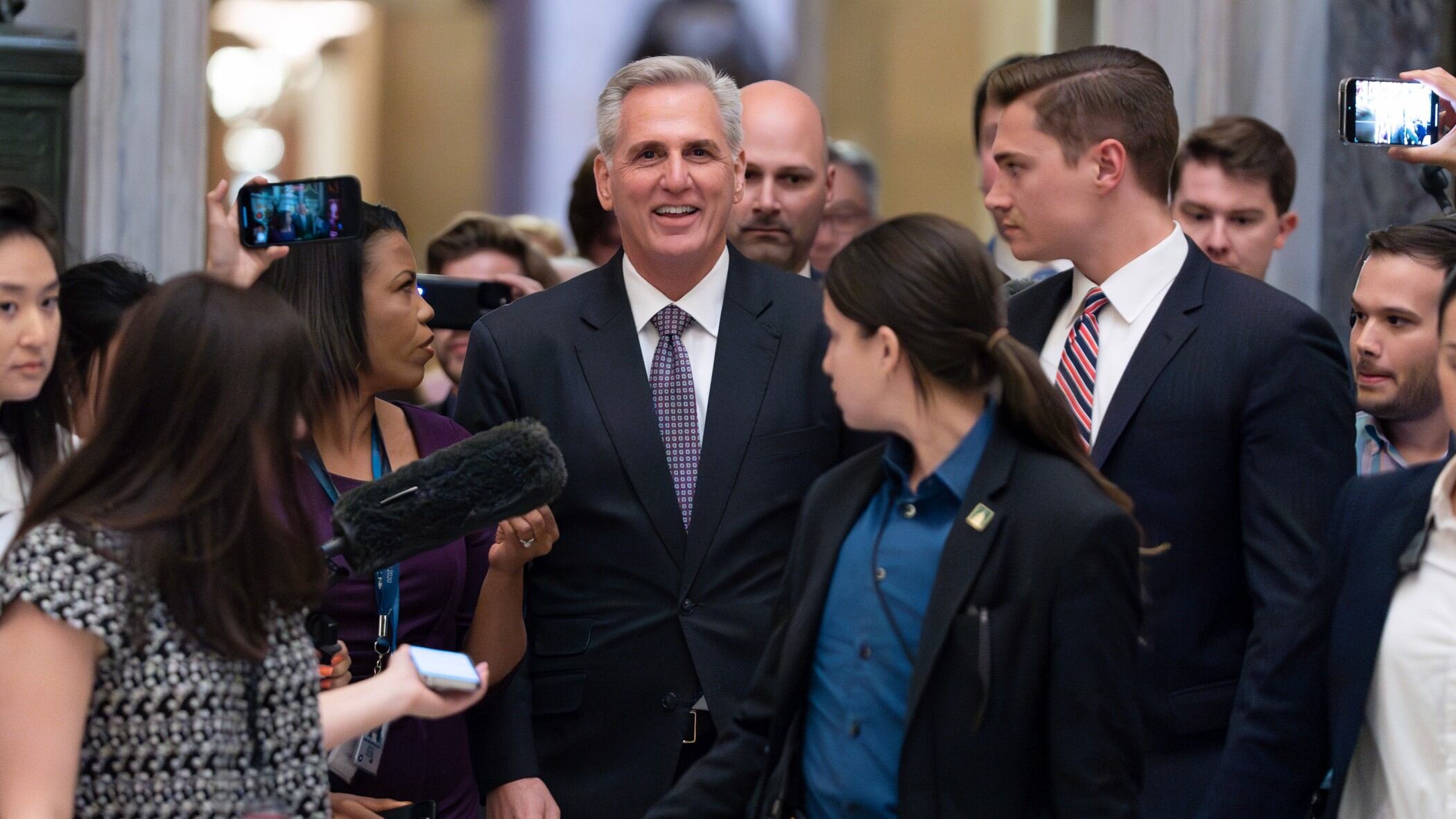
McCarthy insisted his party was working to “give America hope” as he launched into a late evening speech extolling the bill's budget cuts, which he said were needed to curb Washington's “runaway spending.”
But amid discontent from Republicans who said the spending restrictions did not go far enough, McCarthy said it is only a “first step."
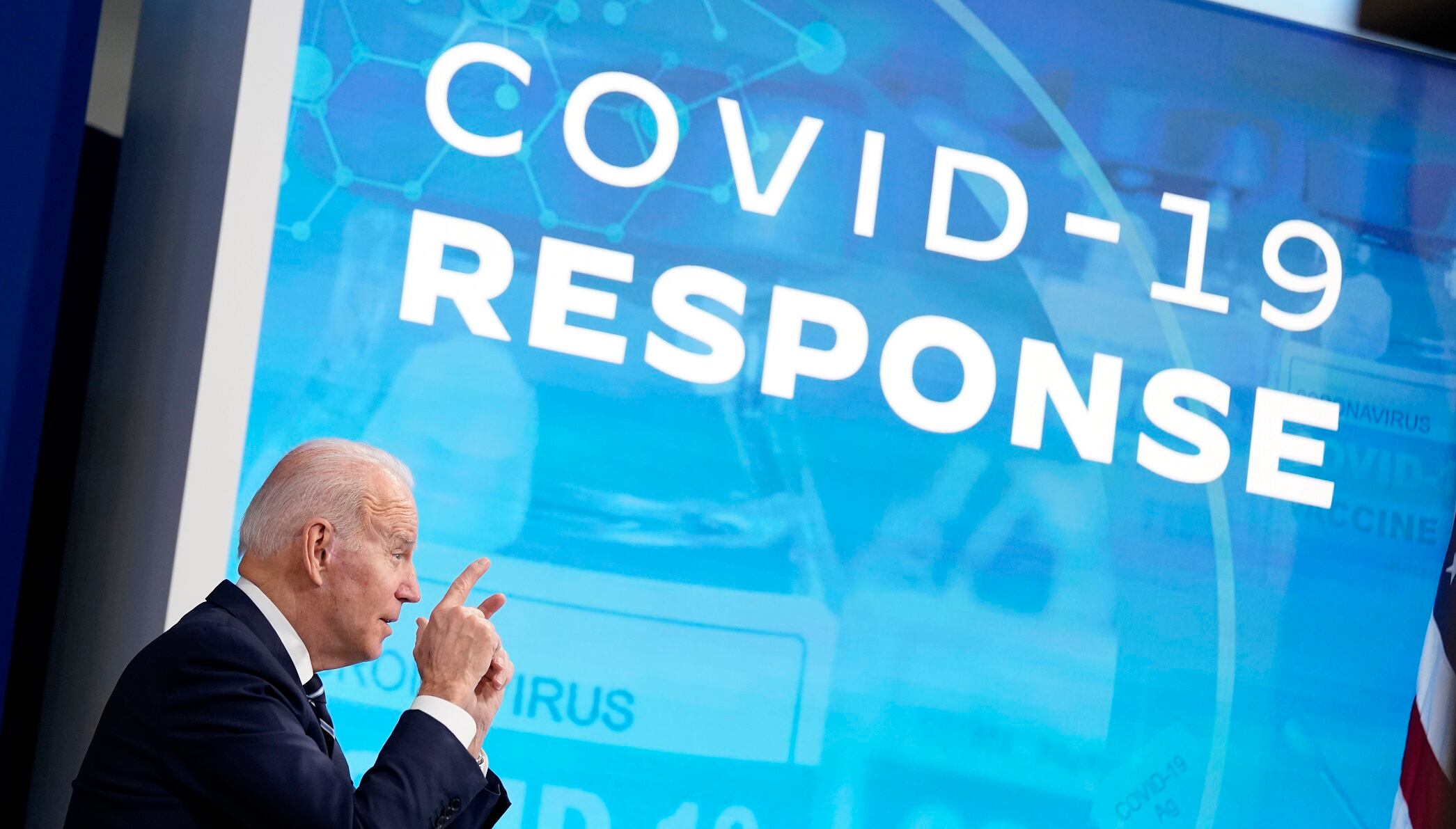
Earlier, Biden expressed optimism that the agreement he negotiated with McCarthy to lift the nation's borrowing limit would pass the chamber and avoid an economically disastrous default on America's debts.
The president departed Washington for Colorado, where he is scheduled to deliver the commencement address Thursday at the U.S. Air Force Academy.
“God willing by the time I land, Congress will have acted, the House will have acted, and we’ll be one step closer,” he said. That wasn't quite the case — the vote began about an hour and a half after Biden arrived in Colorado.
Biden sent top White House officials to the Capitol to shore up backing. McCarthy worked to sell skeptical fellow Republicans, even fending off challenges to his leadership, in the rush to avert a potentially disastrous U.S. default.
Swift later in the week by the Senate would ensure government checks will continue to go out to Social Security recipients, veterans and others and would prevent financial upheaval at home and abroad. Next Monday is when the Treasury has said the U.S. would run short of money to pay its debts.
Biden and McCarthy were counting on support from the political center, a rarity in divided Washington, testing the leadership of the Democratic president and the Republican speaker.
Overall, the 99-page bill restricts spending for the next two years, suspends the debt ceiling into January 2025 and changes some policies, including imposing new work requirements for older Americans receiving food aid and greenlighting an Appalachian natural gas line that many Democrats oppose. It bolsters funds for defense and veterans.
Raising the nation's debt limit, now $31 trillion, ensures Treasury can borrow to pay already incurred U.S. debts.
Top GOP deal negotiator Rep. Garret Graves of Louisiana said Republicans were fighting for budget cuts after Democrats piled onto deficits with extra spending, first during the COVID-19 crisis and later with Biden's Inflation Reduction Act, with its historic investment to fight climate change.
But Republican Rep. Chip Roy, a member of the Freedom Caucus helping to lead the opposition, said, “My beef is that you cut a deal that shouldn’t have been cut.”
For weeks negotiators labored late into the night to strike the deal with the White House, and for days McCarthy has worked to build support among skeptics. At one point, aides wheeled in pizza at the Capitol the night before the vote as he walked Republicans through the details, fielded questions and encouraged them not to lose sight of the bill’s budget savings.
The speaker has faced a tough crowd. Cheered on by conservative senators and outside groups, the hard-right House Freedom Caucus lambasted the compromise as falling well short of the needed spending cuts, and they vowed to try to halt passage.
A much larger conservative faction, the Republican Study Committee, declined to take a position. Even rank-and-file centrist conservatives were unsure, leaving McCarthy searching for votes from his slim Republican majority.
Ominously, the conservatives warned of possibly trying to oust McCarthy over the compromise.
Biden spoke directly to lawmakers, making calls from the White House.
House Democratic leader Hakeem Jeffries said it was up to McCarthy to turn out at least 150 Republican votes, two-thirds of the majority, even as he assured reporters that Democrats would supply the rest to prevent a default. In the 435-member House, 218 votes are needed for approval.
As the tally faltered in the afternoon procedural vote, Jeffries stood silently and raised his green voting card, signaling that the Democrats would fill in the gap to ensure passage. They did, advancing the bill that 29 hard-right Republicans, many from the Freedom Caucus, refused to back.
“Once again, House Democrats to the rescue to avoid a dangerous default,” said Jeffries, D-N.Y.
“What does that say about this extreme MAGA Republican majority?” he said about the party aligned with Donald Trump’s ”Make America Great Again” political movement.
The nonpartisan Congressional Budget Office said the spending restrictions in the package would reduce deficits by $1.5 trillion over the decade, a top goal for the Republicans trying to curb the debt load.
In a surprise that complicated Republicans' support, however, the CBO said their drive to impose work requirements on older Americans receiving food stamps would end up boosting spending by $2.1 billion over the time period. That's because the final deal exempts veterans and homeless people, expanding the food stamp rolls by 78,000 people monthly, the CBO said.
Liberal discontent, though, ran strong as Democrats also broke away, decrying the new work requirements for older Americans, those 50-54, in the food aid program.
Some Democrats were also incensed that the White House negotiated into the deal changes to the landmark National Environmental Policy Act and approval of the controversial Mountain Valley Pipeline natural gas project. The energy development is important to Sen. Joe Manchin, D-W.Va., but many others oppose it as unhelpful in fighting climate change.
On Wall Street, stock prices were down.
In the Senate, Democratic Majority Leader Chuck Schumer and Senate Republican leader Mitch McConnell are working for passage by week's end.
Schumer warned there is ”no room for error."
Senators, who have remained largely on the sidelines during much of the negotiations, are insisting on amendments to reshape the package. But making any changes at this stage seemed unlikely with so little time to spare before Monday's deadline.
Associated Press White House Correspondent Zeke Miller and writers Mary Clare Jalonick and Seung Min Kim contributed to this report.