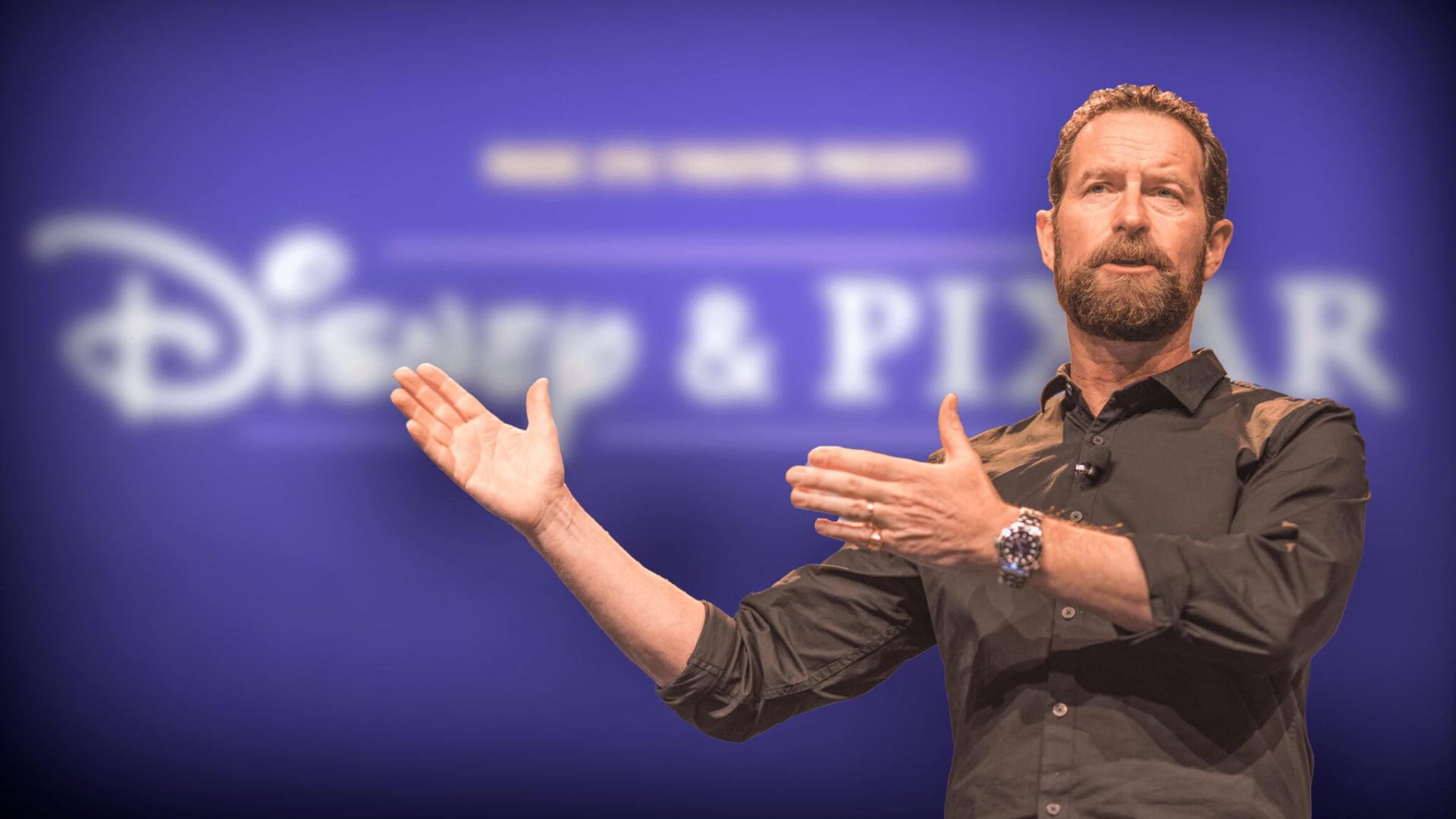
Danone's Horizon Organic, the largest organic dairy brand in the world, is committing to becoming carbon positive by 2025. Its goal is to become the first national dairy brand to be carbon positive across its full supply chain.
Mariano Lozano, CEO of Danone, told Cheddar on Wednesday that the ambitious plan is an "unprecedented move."
"We are committing to have full scope, meaning from farm to table, to become carbon positive. That means for us going beyond carbon neutrality, to reduce, remove, and offset all of our carbon emission for 2025," Lozano said.
Over the next five years, the company intends to focus on the following four areas: supporting family farmers, carbon-reduction on-farm practices, off-farm actions, and investing in carbon reductions and offsets.
The dairy company will also pledge $15 million from its Horizon Farmer Investment Fund to support farmers across the country to help implement more sustainable farming practices.
"We need to work very closely with our farmer partners. We work together with more than 600 family farmer partners," he said of the farms that produce nearly two-thirds of Horizon's carbon footprint. "It is paramount to support them on how to roll out what we call regenerative agriculture practices."
The CEO does admit it is "unchartered territory," but explained that the company is confident because it has been working to achieve this goal for a long time.
"We are quite bullish because we've been working with this for a long time, even though it is honest to say that we do not have all the answers," Lozano said. "From time to time we are feeling a bit uncomfortable, but I think it is a good proof and confirmation that we are daring enough. And this is a bold statement."
Most members of the Federal Reserve’s interest-rate setting committee supported further reductions to its key interest rate this year, minutes from last month’s meeting showed.
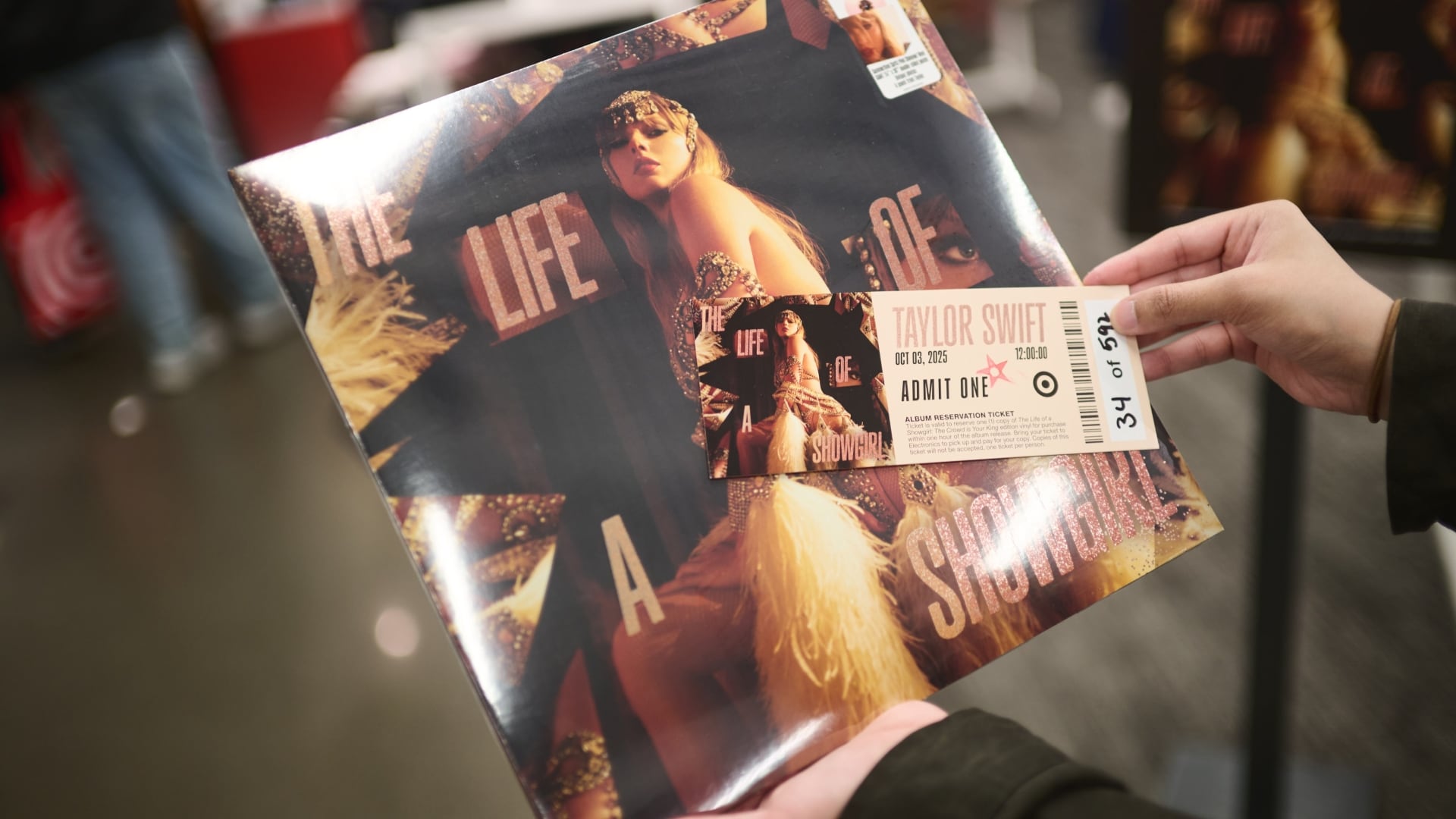
Sinead O’Sullivan breaks down Taylor Swift’s genius marketing for The Life of a Showgirl, which just set the record for most albums sold in a single week.
Markets are emerging from a turbulent Q3. Horizon’s Mike Dickson shares insights on interest rates, small caps, and where investors should look in Q4 and beyond
Bambu Ventures's Kyle Pretsch dives into Lemonaid’s $10M buyout, down from 23andMe’s $400M price tag, and what’s next after Chrome Co.’s dramatic pivot.
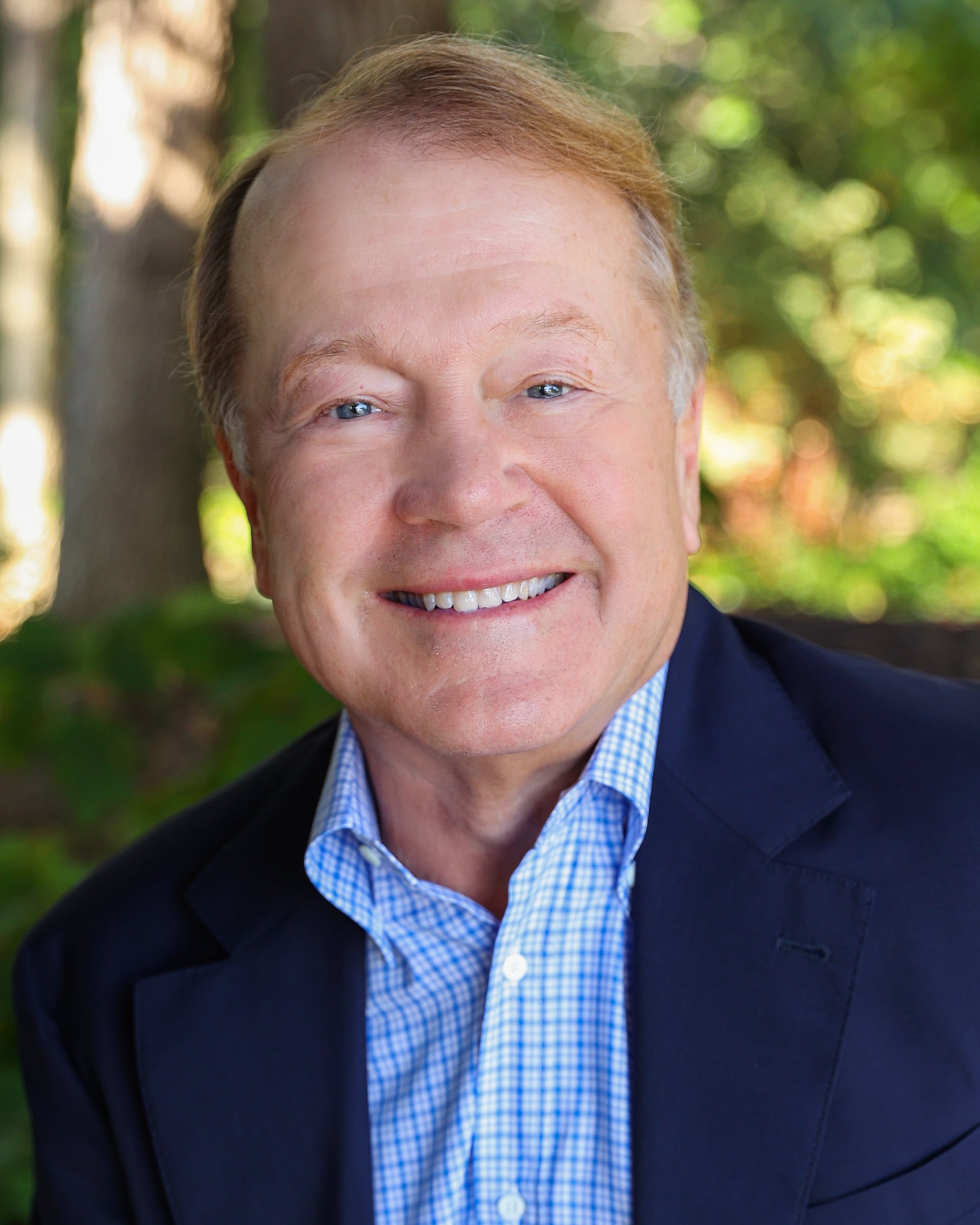
Former Cisco Systems CEO John Chambers learned all about technology’s volatile highs and lows as a veteran of the internet’s early boom days during the late 1990s and the ensuing meltdown that followed the mania. And now he is seeing potential signs of the cycle repeating with another transformative technology in artificial intelligence. Chambers is trying take some of the lessons he learned while riding a wave that turned Cisco into the world's most valuable company in 2000 before a crash hammered its stock price and apply them as an investor in AI startups. He recently discussed AI's promise and perils during an interview with The Associated Press.
Grove Collaborative’s CEO shares how the company is reinventing everyday goods with sustainability at the core and working toward a plastic-free future.
Atlanta Mayor Andre Dickens shares plans for affordable housing, community-led growth, and why private and public grocery stores could be key to food equity.