Burdened by over five months of civil unrest, Hong Kong has fallen into a recession, the city's financial secretary said Sunday.
"The economy has entered a technical recession, and the negative growth rate has significantly expanded," Secretary Paul Chan wrote in a blog post. "The blow to our economy is comprehensive."
Chan added that official quarterly GDP figures would be released Thursday, but that preliminary analysis shows consecutive economic contractions. It will be "extremely difficult," he wrote, for Hong Kong to reach its previously forecasted growth rate.
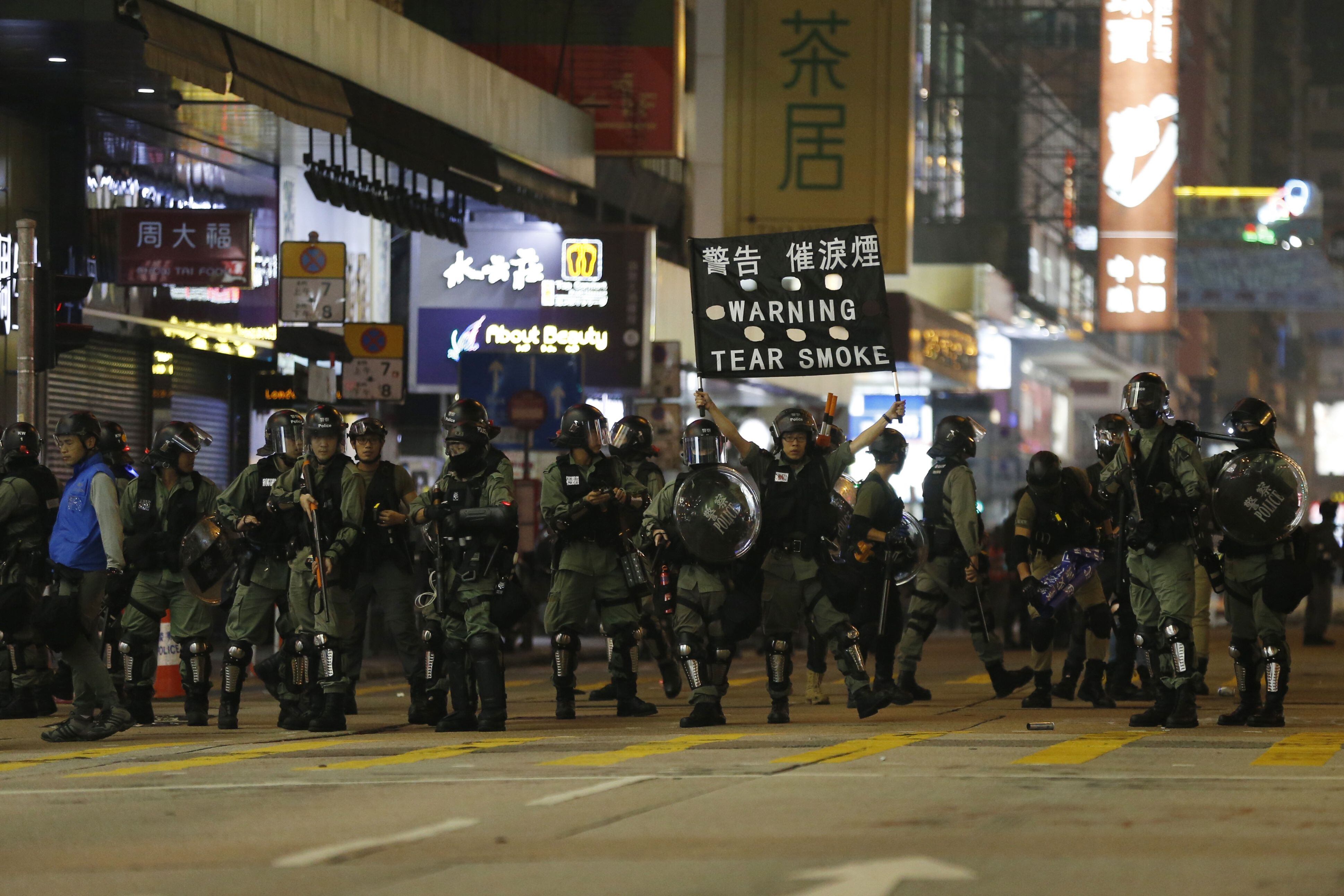
The bleak report coincided with chaotic demonstrations over the weekend that saw shops set ablaze and petrol bombs thrown at police, who responded heavily with water cannons and tear gas. In a statement Monday, police said that protesters overstepped the "bottom line of any civilized society." Unrest in Hong Kong, which first broke in June in opposition to a proposed extradition bill, has escalated significantly in recent months as residents continue to protest China's growing influence over the city and call for more democratic rights.
Chan on Sunday called on demonstrators to keep order and allow industry and commerce to operate freely. "Our society and the economy need to take a breather and need to get back on the road," he wrote.
<i>Police and protesters in Hong Kong on Sunday. Photo Credit: JEROME FAVRE/EPA-EFE/Shutterstock</i>
As a Chinese special administrative region since 1997, Hong Kong has enjoyed relative autonomy from Beijing in recent decades and has grown into one of the world's most significant financial and commercial hubs. In 2018, Hong Kong was home to the highest number of ultrawealthy ($30 million or more net worth) residents of any city in the world, according to Wealth-X's annual report. New York surpassed Hong Kong just slightly in 2019.
Earlier this month, Hong Kong's richest resident, Li Ka-shing, donated 1 billion Hong Kong dollars ($128 million) to support local business affected by the city's "unprecedented challenges."
"I hope that HK$1 billion donation will spark more support for the embattled [Small and Medium Enterprises]," Li said in a statement. "All suggestions are welcome and let's work together during these difficult times."
The Hong Kong government has also implemented a series of measures to help alleviate financial pains. Secretary Chan announced earlier this month a 19 billion Hong Kong dollar ($2.4 billion) relief package, which included significant rent reductions.
In announcing the recession Sunday, Chan cited plummeting tourism and retail sales figures. The number of visitors to Hong Kong fell by 37 percent in August and September, and by 50 percent in the first half of October. Tourism's decline constitutes an "emergency," Chan wrote. The decline of retail sales volume fell by 13.1 percent in July to 25.3 percent in August.
"We will continue to closely monitor the external economic situation and the political and economic situation in Hong Kong and try our best to further study the relief measures," Chan added in his Sunday blog post.
Investors, however, seem to be sticking with Hong Kong. The Hong Kong Stock Exchange's Hang Seng Index remains up more than 4 percent year-to-date.
Members-only home swapping network Kindred recently announced its launch alongside a $7.75 million seed round led by Andreessen Horowitz. Homeowners and renters can exchange homes on Kindred's platform, which the company says allows members to travel and take advantage of remote-work flexibility at the fraction of the cost of a hotel or rental home. Justin Palefsky and Tas Amina, co-founders of Kindred, join Cheddar News' Closing Bell to discuss.
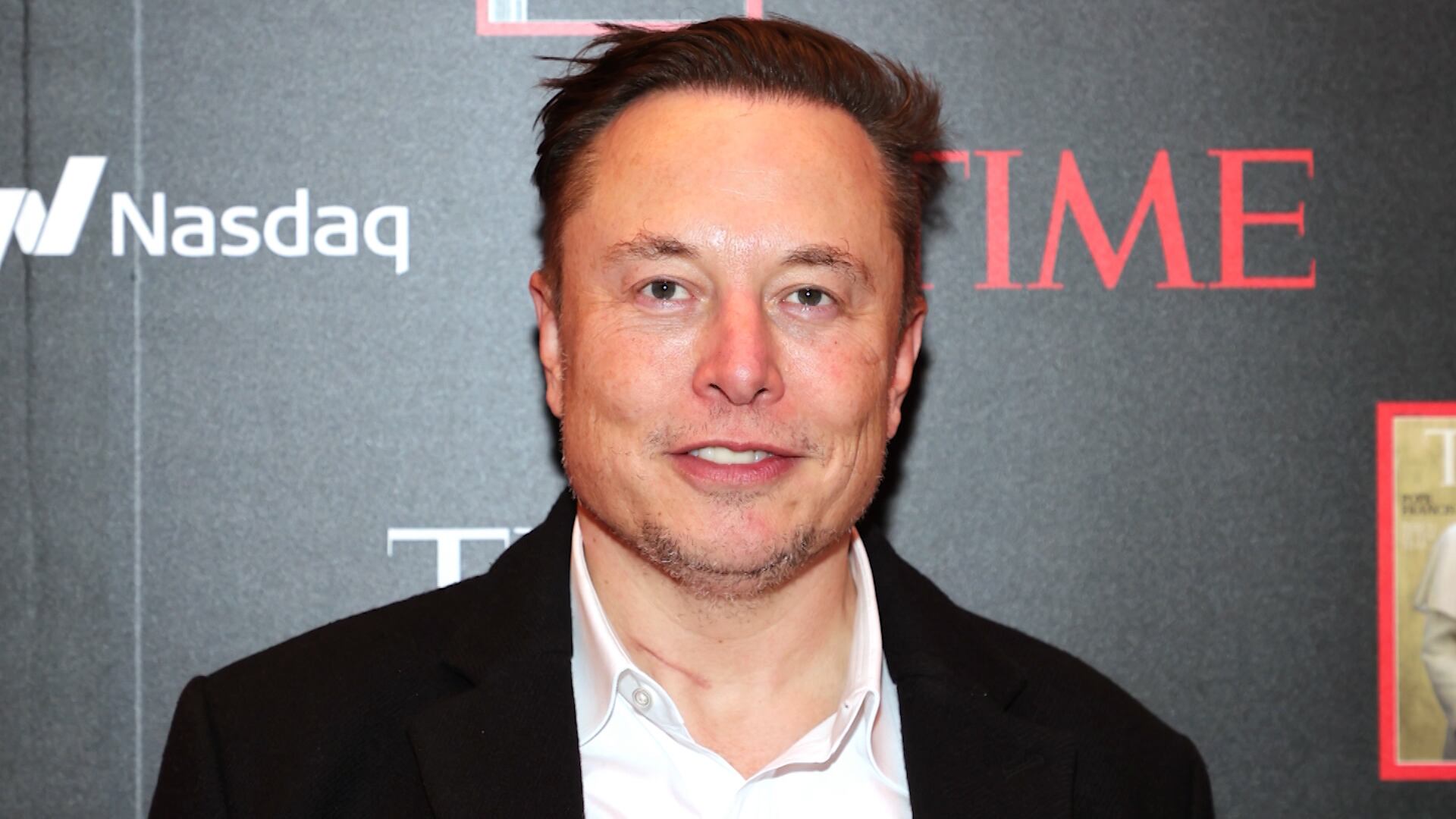
Despite Elon Musk making the deal to buy Twitter, it's still unclear as to what all of his plans might be for it. Tesla’s stock dropped on Tuesday, potentially due to concerns over what the situation might mean for the EV maker going forward. Hatem Dhiab, a managing partner at Gerber Kawasaki Wealth & Investment Management, and Bruce Goldfarb, the president and CEO of Okapi Partners, joined Cheddar News to talk about the ramifications of the acquisition for both Tesla and Twitter stockholders. "I think people are scared because the deal has some leverage that's tied to Tesla stock, and people are worried that maybe Elon will sell some of his stock," Dhiab said about the purchase. "But I don't think that that's likely."
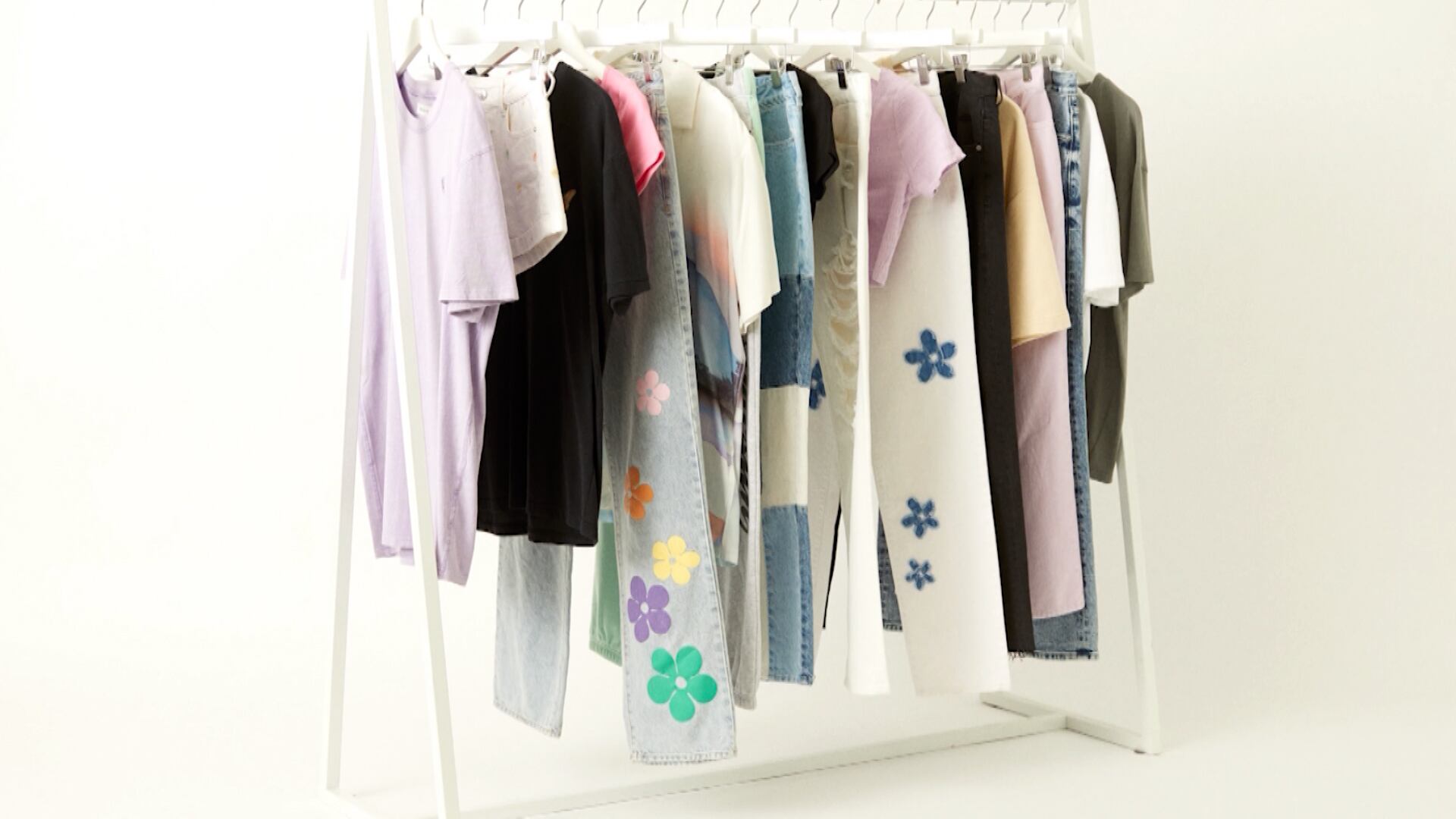
Clothing brand PacSun and online thrift retailer thredUP are partnering up for "Pre-Loved Pac," a 360-resale program allowing PacSun customers to clean out their closets for credit and shop for gently used clothing directly through PacSun's website. Pacsun co-CEO Alfred Chang and thredUP CEO James Reinhart joined Cheddar News to talk about their collaboration. "The latest research shows that over 50 percent of this generation has engaged in either selling or purchasing something at resale," Chang said. "It's important to them and it's important obviously to the world in terms of what we can do in terms of recycling clothes."
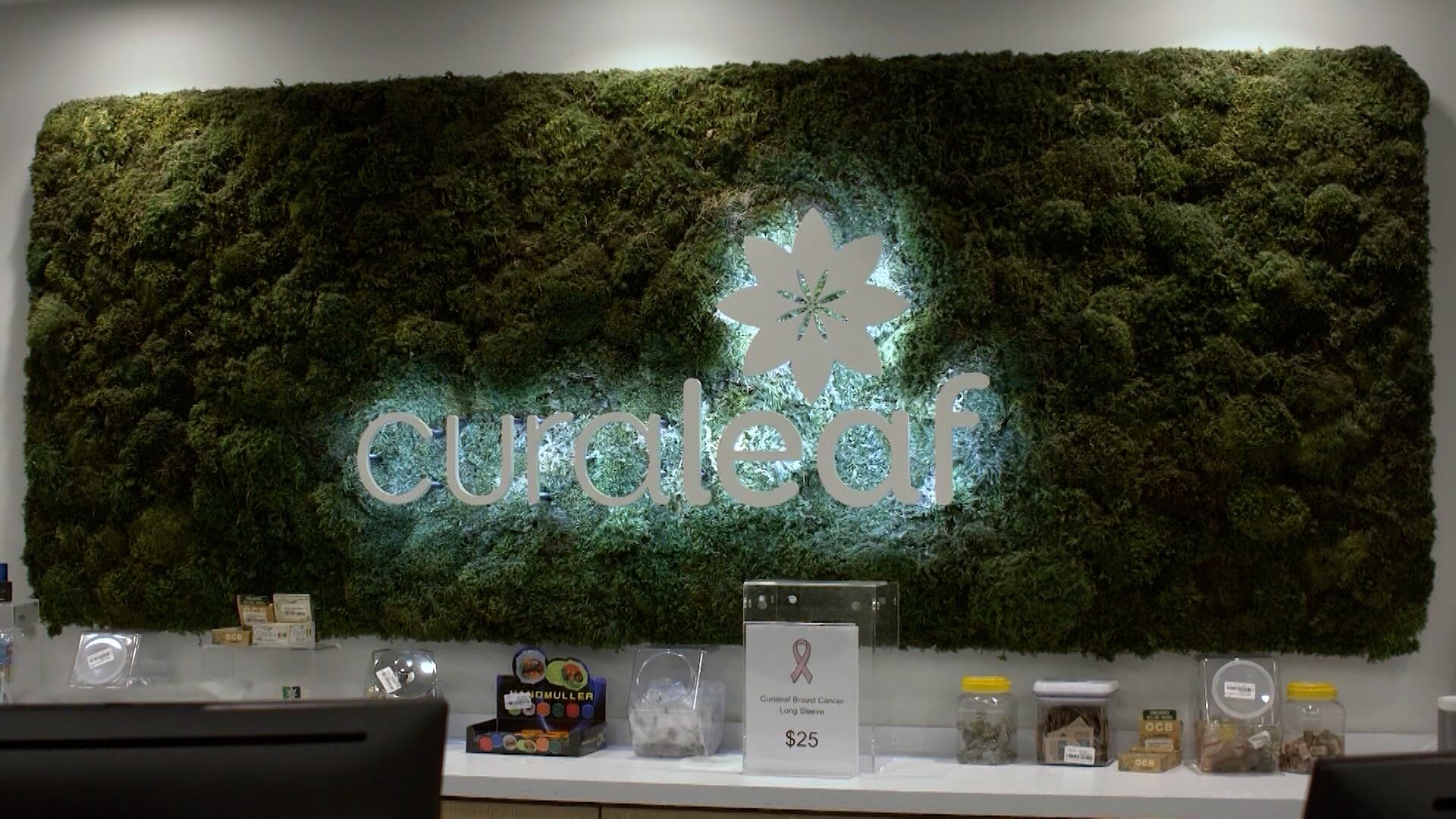
New Jersey has legalized recreational marijuana. The state missed cannabis holiday 4/20 by just a day. Cannabis giant Curaleaf operates three dispensaries in New Jersey. The company's CEO Joe Bayern joins Cheddar to recap the big day.
According to the Morning Consult, consumer spending in March was significantly impacted by inflation even as habits changed from purchasing goods to services as pandemic restrictions ebbed. Kayla Bruun, an economic analyst for the Morning Consult, joined Cheddar News to talk about the findings."Consumers are getting more and more concerned about paying for gas, paying for groceries — all these prices that are rising so quickly for things that they really don't have the choice but to buy," she said. "They're starting to cut back on the things that are a little bit more discretionary, realizing with prices as high as they are, it's maybe not the best time to be booking a vacation or upgrading their kitchen."