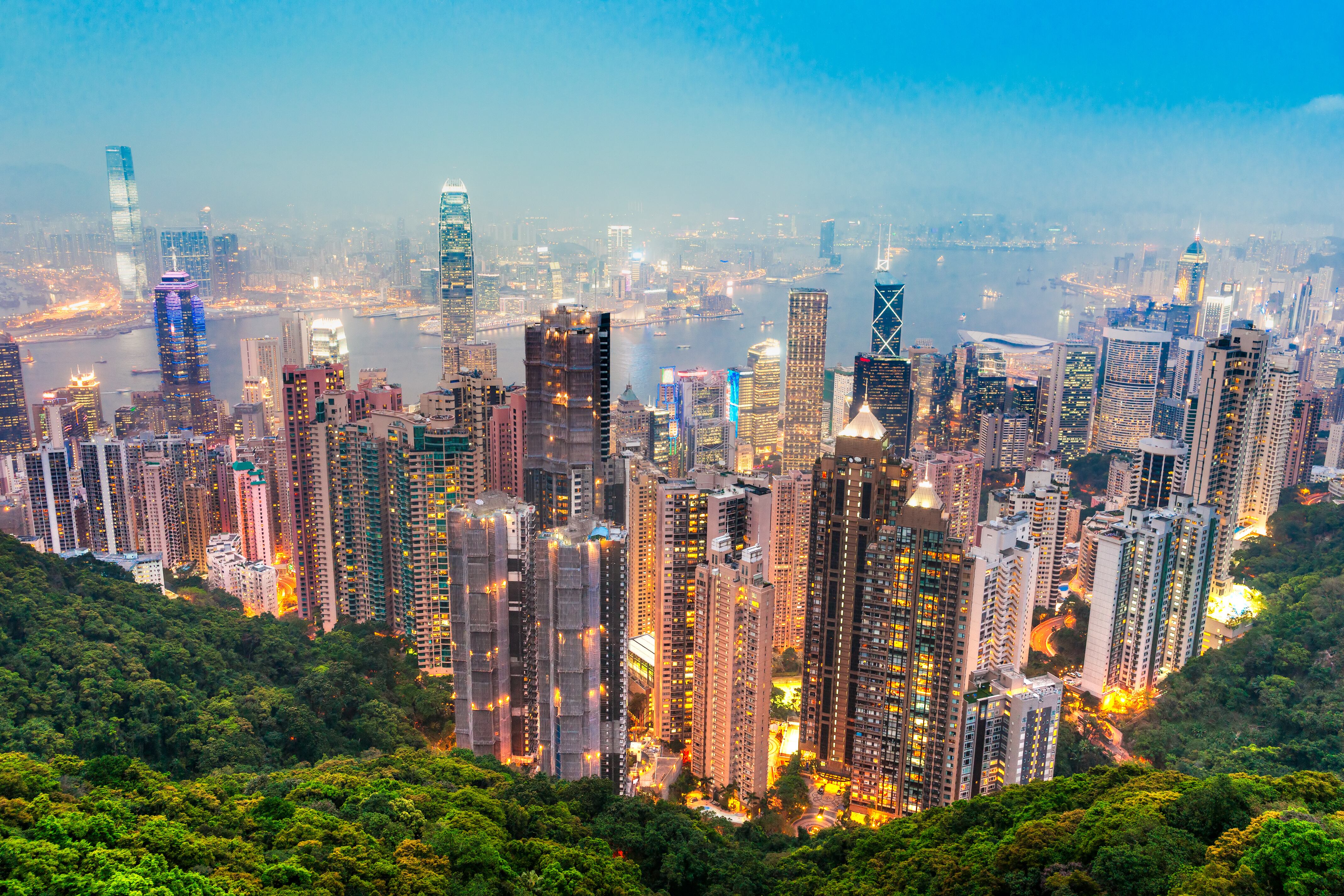
Burdened by over five months of civil unrest, Hong Kong has fallen into a recession, the city's financial secretary said Sunday.
"The economy has entered a technical recession, and the negative growth rate has significantly expanded," Secretary Paul Chan wrote in a blog post. "The blow to our economy is comprehensive."
Chan added that official quarterly GDP figures would be released Thursday, but that preliminary analysis shows consecutive economic contractions. It will be "extremely difficult," he wrote, for Hong Kong to reach its previously forecasted growth rate.
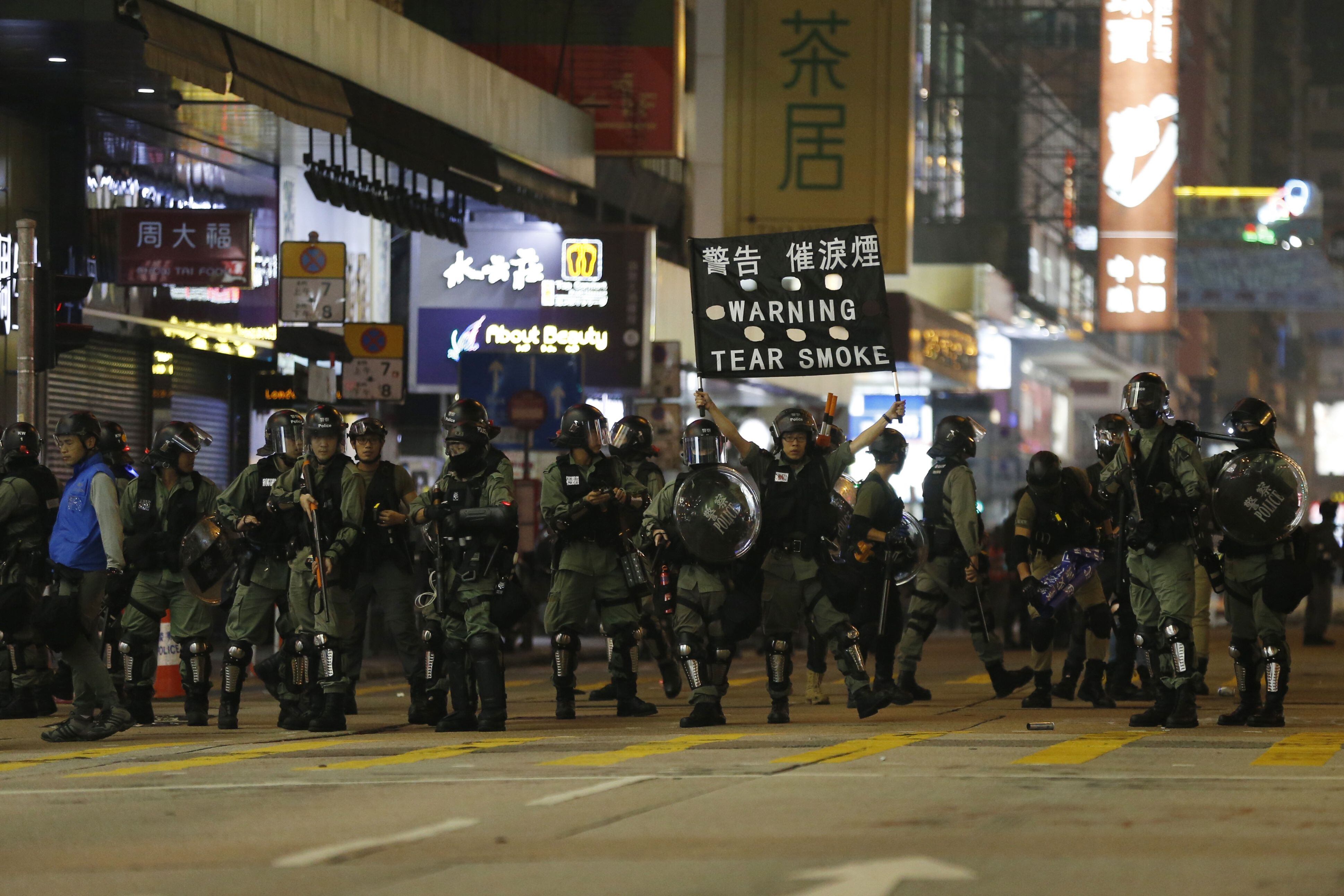
The bleak report coincided with chaotic demonstrations over the weekend that saw shops set ablaze and petrol bombs thrown at police, who responded heavily with water cannons and tear gas. In a statement Monday, police said that protesters overstepped the "bottom line of any civilized society." Unrest in Hong Kong, which first broke in June in opposition to a proposed extradition bill, has escalated significantly in recent months as residents continue to protest China's growing influence over the city and call for more democratic rights.
Chan on Sunday called on demonstrators to keep order and allow industry and commerce to operate freely. "Our society and the economy need to take a breather and need to get back on the road," he wrote.
<i>Police and protesters in Hong Kong on Sunday. Photo Credit: JEROME FAVRE/EPA-EFE/Shutterstock</i>
As a Chinese special administrative region since 1997, Hong Kong has enjoyed relative autonomy from Beijing in recent decades and has grown into one of the world's most significant financial and commercial hubs. In 2018, Hong Kong was home to the highest number of ultrawealthy ($30 million or more net worth) residents of any city in the world, according to Wealth-X's annual report. New York surpassed Hong Kong just slightly in 2019.
Earlier this month, Hong Kong's richest resident, Li Ka-shing, donated 1 billion Hong Kong dollars ($128 million) to support local business affected by the city's "unprecedented challenges."
"I hope that HK$1 billion donation will spark more support for the embattled [Small and Medium Enterprises]," Li said in a statement. "All suggestions are welcome and let's work together during these difficult times."
The Hong Kong government has also implemented a series of measures to help alleviate financial pains. Secretary Chan announced earlier this month a 19 billion Hong Kong dollar ($2.4 billion) relief package, which included significant rent reductions.
In announcing the recession Sunday, Chan cited plummeting tourism and retail sales figures. The number of visitors to Hong Kong fell by 37 percent in August and September, and by 50 percent in the first half of October. Tourism's decline constitutes an "emergency," Chan wrote. The decline of retail sales volume fell by 13.1 percent in July to 25.3 percent in August.
"We will continue to closely monitor the external economic situation and the political and economic situation in Hong Kong and try our best to further study the relief measures," Chan added in his Sunday blog post.
Investors, however, seem to be sticking with Hong Kong. The Hong Kong Stock Exchange's Hang Seng Index remains up more than 4 percent year-to-date.
Catching you up on today's top stories with Elon Musk raising his own commitment to purchasing Twitter with $33.5 billion, Apple plans to produce 220 million iPhones this year, and the company also is raising its hourly retail wage to $22 per hour amid ongoing unionization efforts at its stores.
Everyone is searching for that social media moment, whether it’s filming a viral dance for TikTok or snapping a selfie for your Instagram Story. Cheddar News explores the activities made for the online world, including streaming companies creating real-life experiences to entice you to stay subscribed, TikTok taking the stage with its first theatrical production, and how one immersive experience made out of candy encourages you to revisit your childhood.
Join Cheddar News as we break down the top headlines for Thursday, May 26 including updates on the Texas school shooting, President Joe Biden's executive order on police reform, and a recount in the Pennsylvania GOP Senate primary.
Markets opened lower Wednesday morning as investors await meeting minutes from the Federal Reserve. Bill Stone, Chief Investment Officer at The Glenview Trust Company joined Cheddar's Opening Bell to discuss.
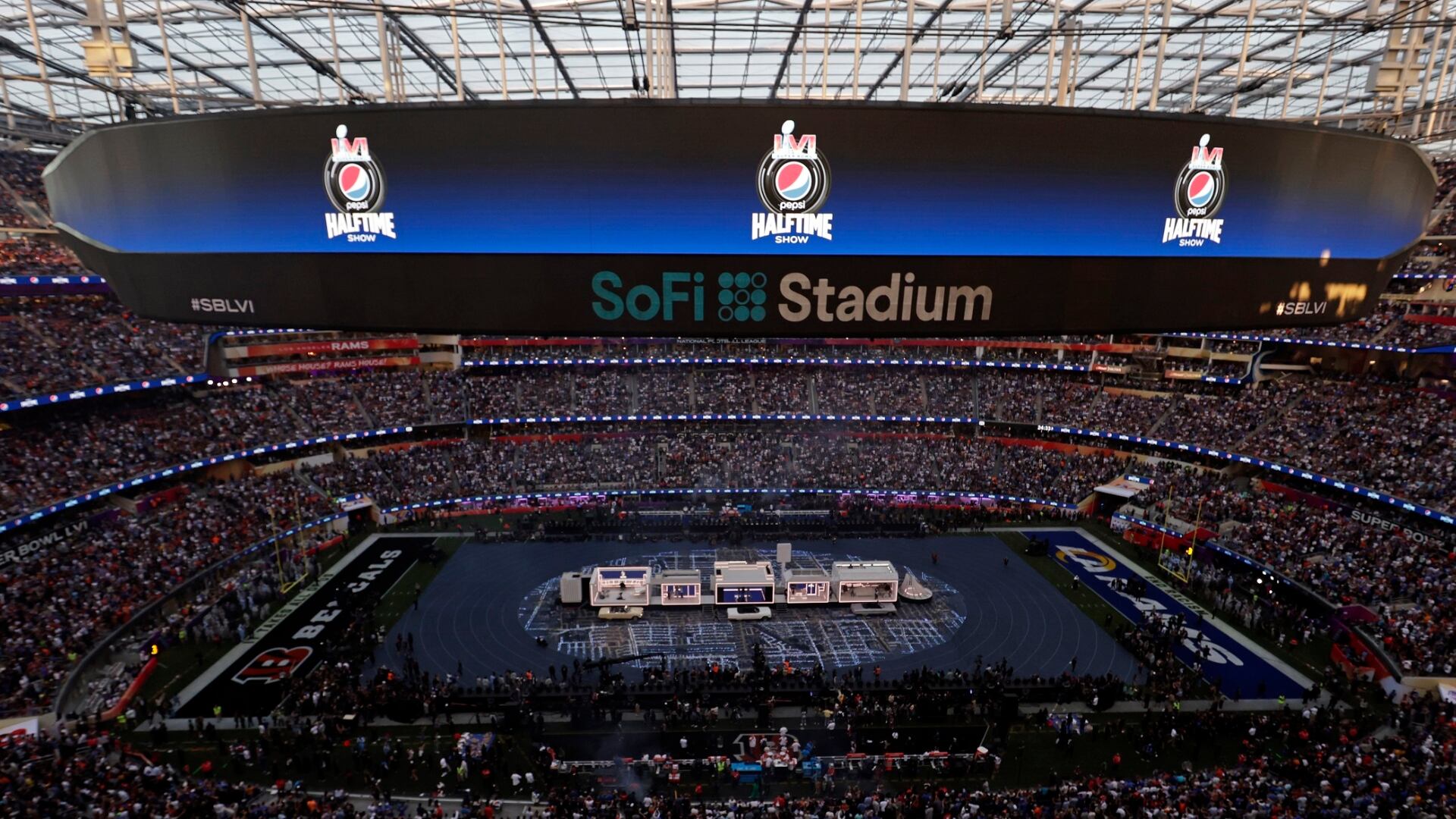
Pepsi’s 10-year contract with the NFL to sponsor the Super Bowl Half Time Show has come to an end and the rights are now up for grabs, leaving football fans to wonder what competitor or a wild card will jump in to take the food and beverage giant's place. However, PepsiCo will still have pour rights at all of the NFL major events.
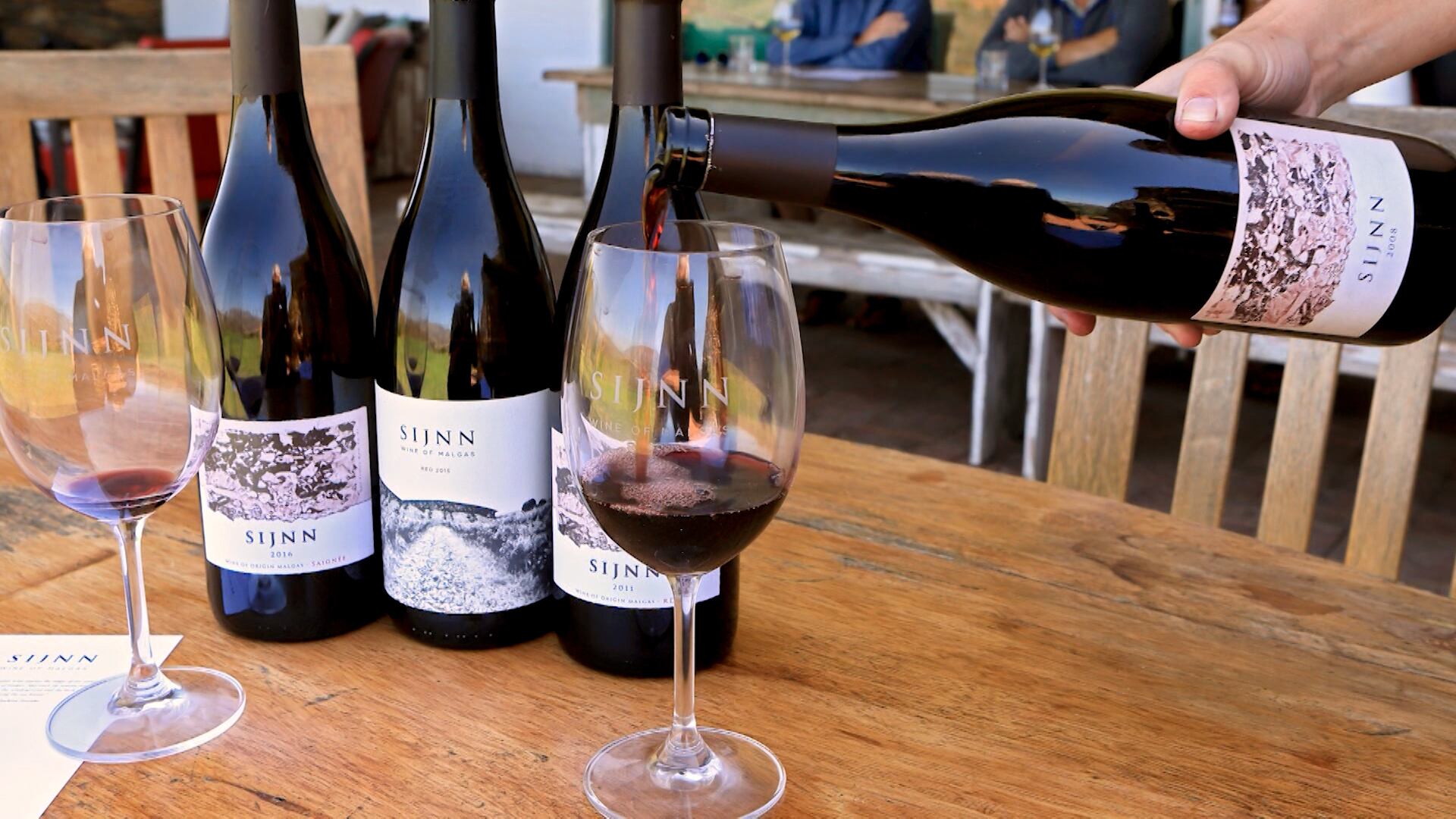
CEO Anthony Zhang of Vinovest, a platform for investing in bottles of fine wine, joined Cheddar News to discuss how his company is bringing this unique opportunity to investors. “Just to be clear, these aren't the typical bottles of wine that you're finding at your local grocery store or Trader Joe's," he said. "These are really considered bottles that are collectible, age-worthy, and have a track regular of appreciating over time on the secondary market.”
Judith Enck, a former regional administrator for the EPA and the president of Beyond Plastics, joined Cheddar News to talk about the role of plastics in the climate crisis and California's investigation of ExxonMobil and other oil companies for misleading the public on the ability to recycle plastics. "The reason why petrochemical companies like Exxon have gotten away with selling more and more plastic is that they've lied to the public and told us don't worry about all those negative upstream impacts and downstream impacts of plastics. Just be sure to recycle it. Well, guess what? Plastics largely are not recycled," Enck said.
Apple warned of a potential $8 billion future sales hit due to supply issues, but Dan Ives, the managing director of equity research at Wedbush Securities, noted that the record quarterly report the tech giant posted shows demand remains high for Apple products and services. Ives joined Cheddar to explain why investors should look past the warning. "In these types of markets where many are yelling fire in a crowded theater, you look at the demand trends because that continues to be the focus for Apple," he said "I think you combine that with the services. I view it as a defensive name. It's a Rock of Gibraltar stock in a Category 5 storm as well as also an offensive play as I believe we start to move out of some of these just brutal headwinds that we've been seeing in the market once the Fed rips the band-aid off."