Burdened by over five months of civil unrest, Hong Kong has fallen into a recession, the city's financial secretary said Sunday.
"The economy has entered a technical recession, and the negative growth rate has significantly expanded," Secretary Paul Chan wrote in a blog post. "The blow to our economy is comprehensive."
Chan added that official quarterly GDP figures would be released Thursday, but that preliminary analysis shows consecutive economic contractions. It will be "extremely difficult," he wrote, for Hong Kong to reach its previously forecasted growth rate.
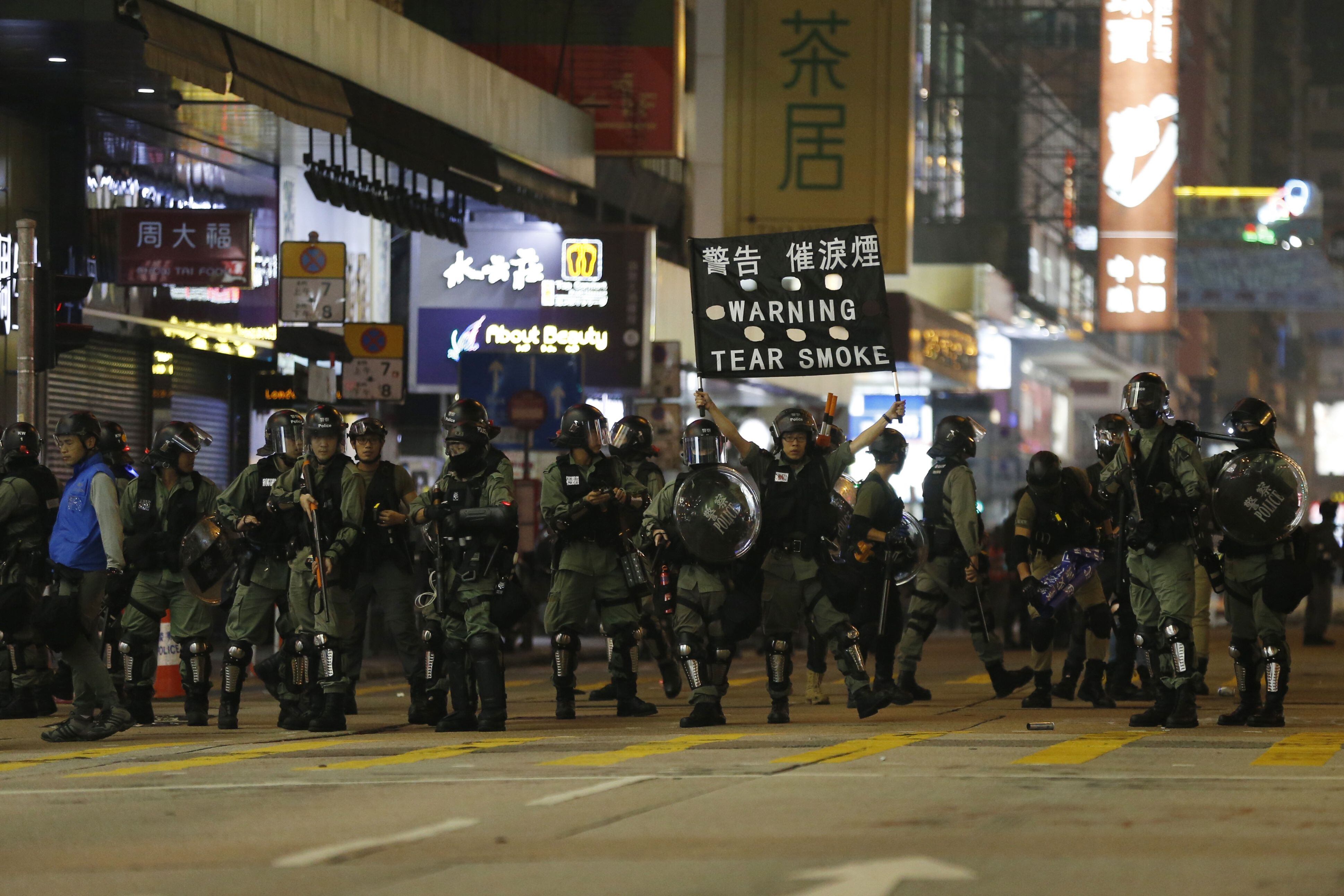
The bleak report coincided with chaotic demonstrations over the weekend that saw shops set ablaze and petrol bombs thrown at police, who responded heavily with water cannons and tear gas. In a statement Monday, police said that protesters overstepped the "bottom line of any civilized society." Unrest in Hong Kong, which first broke in June in opposition to a proposed extradition bill, has escalated significantly in recent months as residents continue to protest China's growing influence over the city and call for more democratic rights.
Chan on Sunday called on demonstrators to keep order and allow industry and commerce to operate freely. "Our society and the economy need to take a breather and need to get back on the road," he wrote.
<i>Police and protesters in Hong Kong on Sunday. Photo Credit: JEROME FAVRE/EPA-EFE/Shutterstock</i>
As a Chinese special administrative region since 1997, Hong Kong has enjoyed relative autonomy from Beijing in recent decades and has grown into one of the world's most significant financial and commercial hubs. In 2018, Hong Kong was home to the highest number of ultrawealthy ($30 million or more net worth) residents of any city in the world, according to Wealth-X's annual report. New York surpassed Hong Kong just slightly in 2019.
Earlier this month, Hong Kong's richest resident, Li Ka-shing, donated 1 billion Hong Kong dollars ($128 million) to support local business affected by the city's "unprecedented challenges."
"I hope that HK$1 billion donation will spark more support for the embattled [Small and Medium Enterprises]," Li said in a statement. "All suggestions are welcome and let's work together during these difficult times."
The Hong Kong government has also implemented a series of measures to help alleviate financial pains. Secretary Chan announced earlier this month a 19 billion Hong Kong dollar ($2.4 billion) relief package, which included significant rent reductions.
In announcing the recession Sunday, Chan cited plummeting tourism and retail sales figures. The number of visitors to Hong Kong fell by 37 percent in August and September, and by 50 percent in the first half of October. Tourism's decline constitutes an "emergency," Chan wrote. The decline of retail sales volume fell by 13.1 percent in July to 25.3 percent in August.
"We will continue to closely monitor the external economic situation and the political and economic situation in Hong Kong and try our best to further study the relief measures," Chan added in his Sunday blog post.
Investors, however, seem to be sticking with Hong Kong. The Hong Kong Stock Exchange's Hang Seng Index remains up more than 4 percent year-to-date.
The Dow, S&P, and Nasdaq begin November by not only ending Monday's session higher but with a record close as well. Melissa Armo, Founder and Owner of The Stock Swoosh, has her eye on major economic storylines and joins Cheddar News' Closing Bell to discuss what role the news could play on Wall Street.
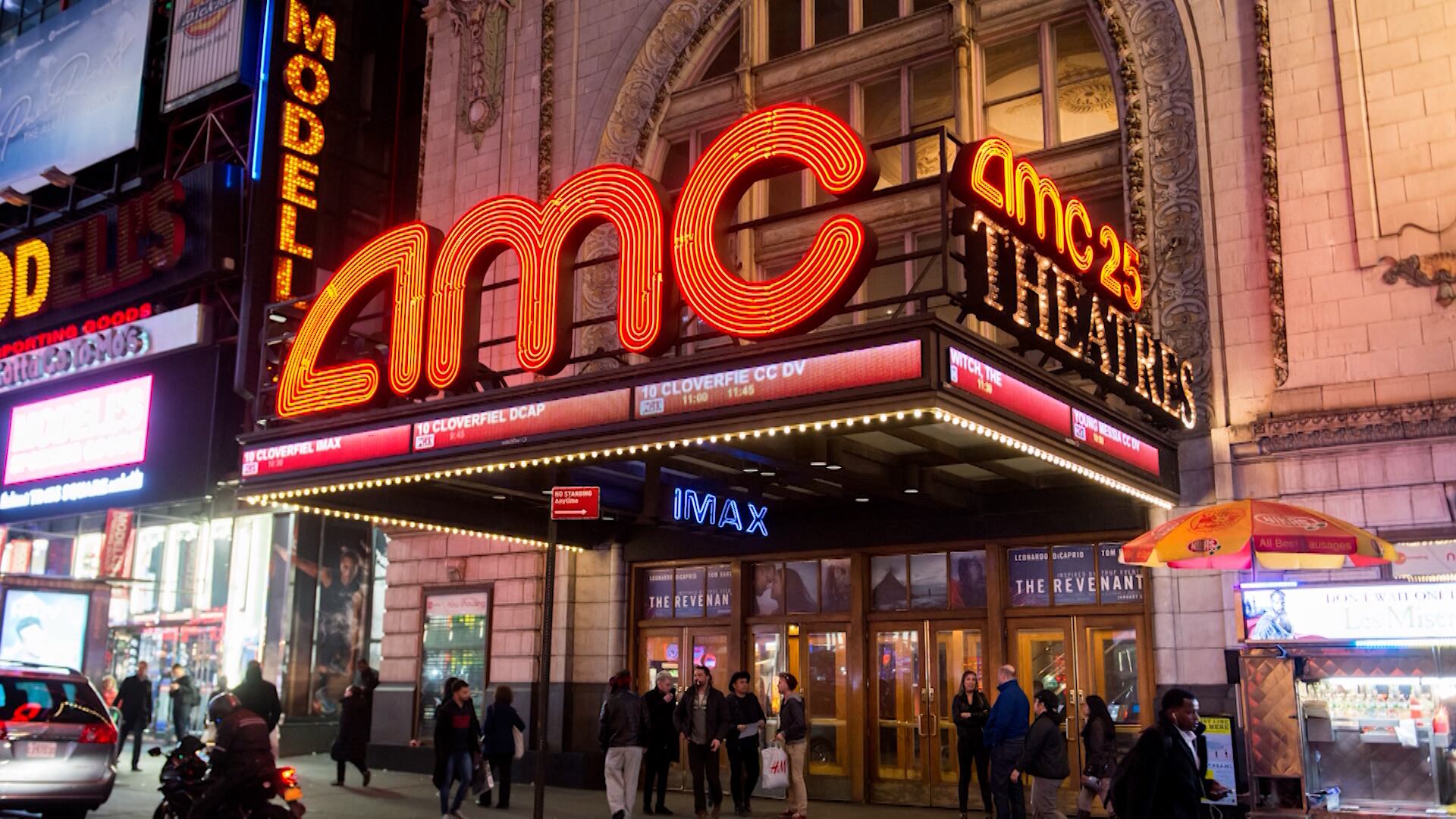
October was a great month for movies, as it's set to bring in more than $600 million this month, according to Comscore. Thanks to big hits like Venom 2, No Time to Die, Halloween Kills, Dune, and The Addams Family 2, October is expected to be the best month since the pandemic began in regards to combined domestic ticket sales. Mark Sebastian, CIO of Karman Line Capital, explains why October wasn't just a fluke for movie theaters. He also gives a look at AMC stock as the chain is set to report its third quarter earnings on November 8.
Michael Boyd, CEO of aviation consultancy Boyd Group International, joined Cheddar to discuss recent mass flight cancellations by airlines like American and Southwest. Boyd noted that the usually efficient hub and spoke system left American Airlines vulnerable to the weather event in Dallas-Fort Worth and staffing shortages. He also said that while planning trips in the current climate can be unnerving, problems like weather delays are just part of the flying experience.
Christian Kroll, CEO of Ecosia, joins 'Fast Forward' to discuss how Ecosia uses its ad revenue to plant trees, and what the company plans to do after launching a $405 million venture capital fund focused on combating the climate crisis.
Guy Hirsch, USA managing director and head of NFT at eToro, joined Cheddar to discuss the evolution of bitcoin into the mainstream 13 years after the white paper from the presumed pseudonym Satoshi Nakamoto was published. Hirsch said there were several groundbreaking moments for the cryptocurrency, starting with the financial crisis of 2008, noting that people began seeking a solution to protect wealth, and bitcoin "gave people the confidence that it is an immutable ledger that no one can really hack or interfere with."
Visa CFO Vasant Prabhu, joined Cheddar's "Closing Bell" to talk about the financial service company's prediction that a full economic recovery from the pandemic won't happen until summer 2023 based on travel-related sources. Prabhu noted that a big question mark for the recovery is when Asia reopens for travel but "anything's possible" and the recovery could still end up going faster than anticipated.
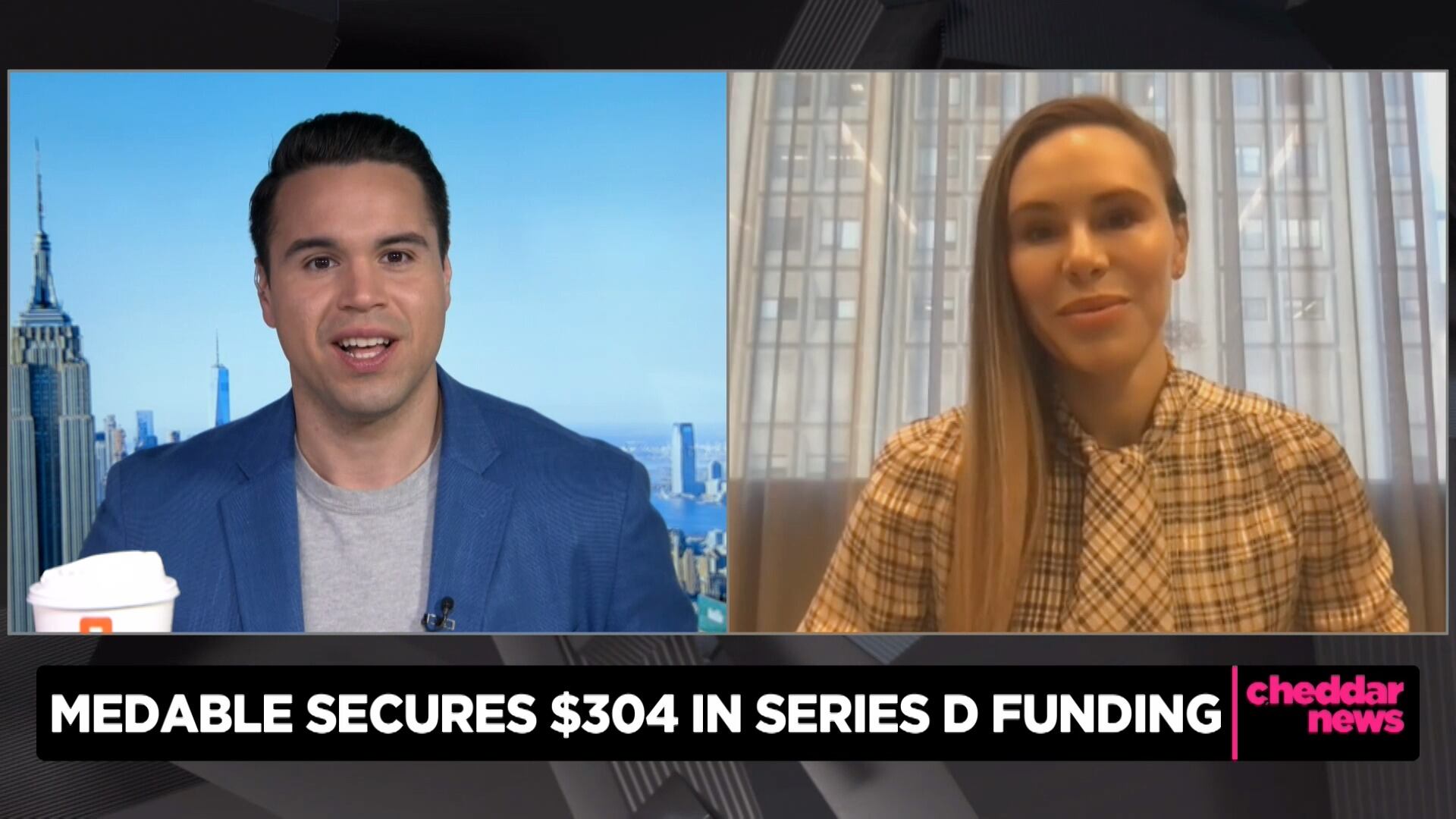
Clinical research company Medable has secured $304 million in Series D funding, marking its fourth round since 2020, giving the firm a valuation of just over $2 billion. Dr. Michelle Longmire, CEO and Co-founder, Medable joined Cheddar's Opening Bell to discuss the future of the company.
House Democrats are scrambling to hold a vote as soon as Tuesday on President Joe Biden's economic agenda — both the $1 trillion bipartisan infrastructure bill and the $1.85 trillion social safety net and climate bill. With Biden still overseas, the bill stands in flux. Jennifer Haberkorn, congressional reporter at the Los Angeles Times, joined Cheddar's "Opening Bell" to discuss.
Sportradar, a global sports data company, announced it will serve as UEFA’s exclusive authorized collector and distributor of data for betting purposes. The agreement covers 1,550 matches from the 2021-2022 season through to the end of the 2023-2024 season across all UEFA properties in Europe. Sportradar CEO Carsten Koerl joined Cheddar to provide additional details on the landmark partnership and some insight into the future of sports betting.