Burdened by over five months of civil unrest, Hong Kong has fallen into a recession, the city's financial secretary said Sunday.
"The economy has entered a technical recession, and the negative growth rate has significantly expanded," Secretary Paul Chan wrote in a blog post. "The blow to our economy is comprehensive."
Chan added that official quarterly GDP figures would be released Thursday, but that preliminary analysis shows consecutive economic contractions. It will be "extremely difficult," he wrote, for Hong Kong to reach its previously forecasted growth rate.
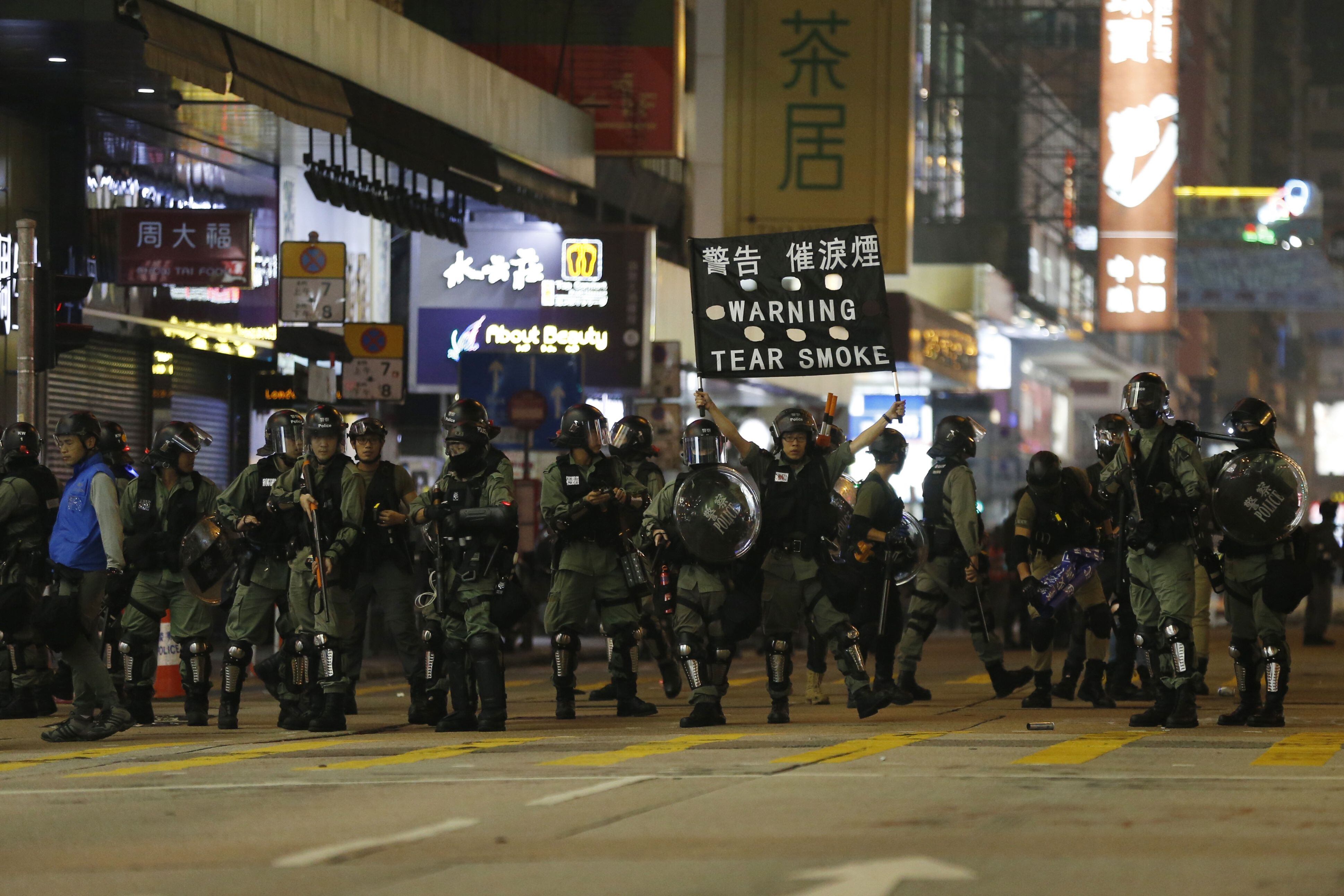
The bleak report coincided with chaotic demonstrations over the weekend that saw shops set ablaze and petrol bombs thrown at police, who responded heavily with water cannons and tear gas. In a statement Monday, police said that protesters overstepped the "bottom line of any civilized society." Unrest in Hong Kong, which first broke in June in opposition to a proposed extradition bill, has escalated significantly in recent months as residents continue to protest China's growing influence over the city and call for more democratic rights.
Chan on Sunday called on demonstrators to keep order and allow industry and commerce to operate freely. "Our society and the economy need to take a breather and need to get back on the road," he wrote.
<i>Police and protesters in Hong Kong on Sunday. Photo Credit: JEROME FAVRE/EPA-EFE/Shutterstock</i>
As a Chinese special administrative region since 1997, Hong Kong has enjoyed relative autonomy from Beijing in recent decades and has grown into one of the world's most significant financial and commercial hubs. In 2018, Hong Kong was home to the highest number of ultrawealthy ($30 million or more net worth) residents of any city in the world, according to Wealth-X's annual report. New York surpassed Hong Kong just slightly in 2019.
Earlier this month, Hong Kong's richest resident, Li Ka-shing, donated 1 billion Hong Kong dollars ($128 million) to support local business affected by the city's "unprecedented challenges."
"I hope that HK$1 billion donation will spark more support for the embattled [Small and Medium Enterprises]," Li said in a statement. "All suggestions are welcome and let's work together during these difficult times."
The Hong Kong government has also implemented a series of measures to help alleviate financial pains. Secretary Chan announced earlier this month a 19 billion Hong Kong dollar ($2.4 billion) relief package, which included significant rent reductions.
In announcing the recession Sunday, Chan cited plummeting tourism and retail sales figures. The number of visitors to Hong Kong fell by 37 percent in August and September, and by 50 percent in the first half of October. Tourism's decline constitutes an "emergency," Chan wrote. The decline of retail sales volume fell by 13.1 percent in July to 25.3 percent in August.
"We will continue to closely monitor the external economic situation and the political and economic situation in Hong Kong and try our best to further study the relief measures," Chan added in his Sunday blog post.
Investors, however, seem to be sticking with Hong Kong. The Hong Kong Stock Exchange's Hang Seng Index remains up more than 4 percent year-to-date.
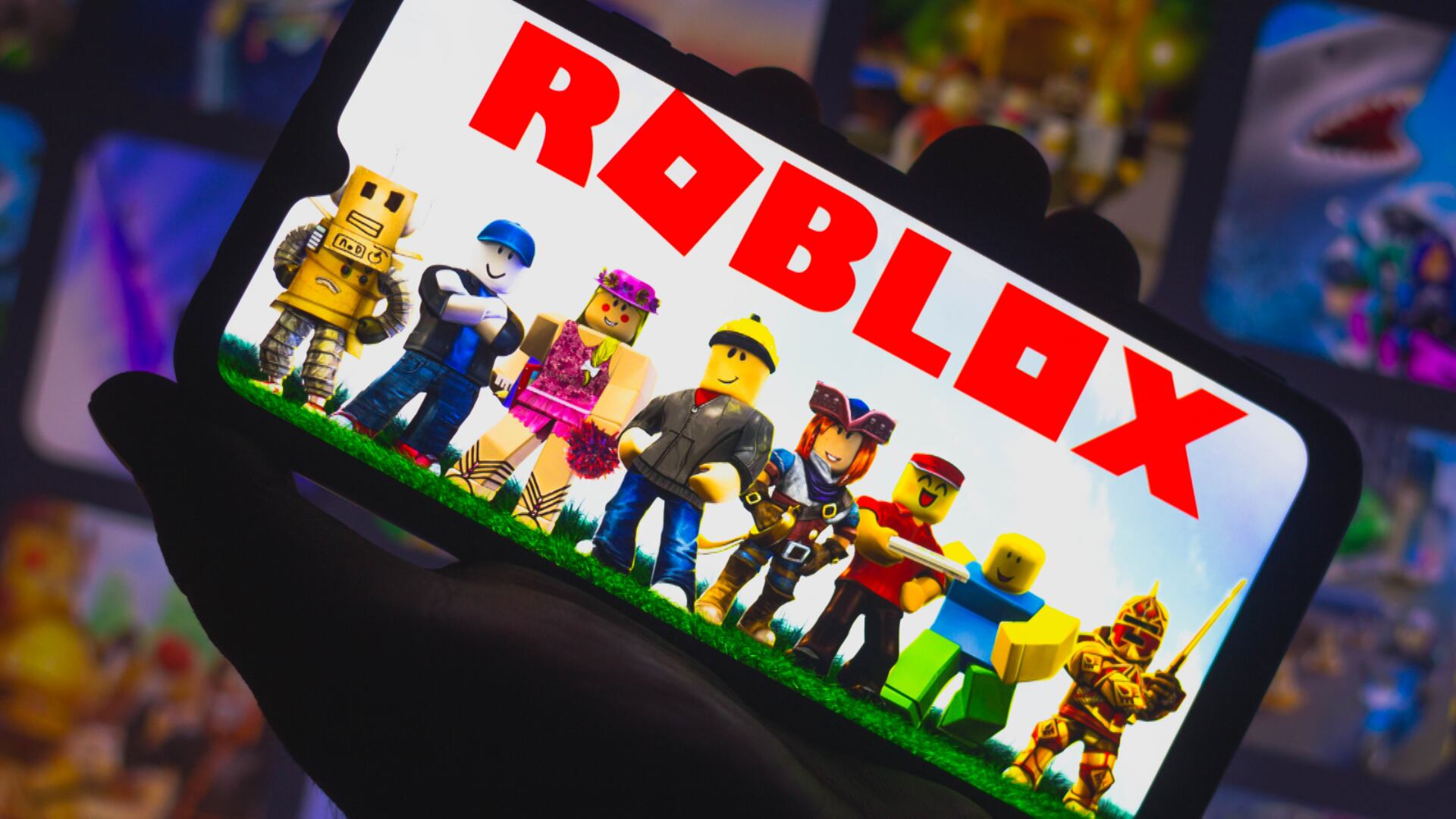
The popular online gaming platform for kids, Roblox, is reportedly expanding its offerings into the educational space. Ayal Shmilovich, managing partner at Gerber Kawasaki Wealth Investment Management, joined Cheddar to provide some insight into the report from the Wall Street Journal and how Roblox plans to incorporate the metaverse concept into schools. "I definitely think it helps them expand their market to a much broader audience," Shmilovich added. He also noted that Minecraft has 35 million users on its educational platform and was even more optimistic about Roblox's prospects.
Stocks closed higher as the retail sector showed continued strength - including higher retail sales data in October and strong earnings for big-box retailers Walmart and Home Depot, which lifted the Dow. Lance Ippolito, head trader at the Future Of Wealth, joins Cheddar News' Closing Bell to discuss today's close, where investors should look for growth, and how the electric vehicle space will drive markets.
Bitcoin hit a new high last week, rising above $68,000. But the coin has tumbled since, and it's not the only coin under pressure. Crypto is down today across the board. Bobby Zagotta, CEO of Bitstamp USA, joins Cheddar News' Closing Bell to discuss the possible reasons why Bitcoin has slumped, how President Joe Biden's new crypto tax clause will impact investors, and more.
The Green Bay Packers are selling shares of their stock for just the sixth time in its 102-year history. The Packers are the only major professional sports team in the U.S. that is publicly owned and not-for-profit. Now, it is offering 300,000 shares at $300 apiece; however, fans who become shareholders will not have much power, as the Packers' stock is not technically a stock. Washington Post sports reporter Des Bieler joins Cheddar News' Closing Bell to discuss.
Katie Thomas, lead at Kearney Consumer Institute, joined Cheddar to talk about Walmart's Q3 earnings beat and what it means for the larger retail industry ahead of the gift-giving season. "Getting strong numbers from Walmart and from the retail sector overall is good news going into the holiday season. It shows that even though despite some of the news around supply constraints, consumers are still getting out there and shopping," she said. With the holiday rush nearly setting in, Thomas said a clearer view of the economy will be found after Q4 results are posted, giving some time to account for how well businesses were able to maintain amid supply constraints.
Inflation has risen to its highest level in 31 years, sending consumer prices on everything from groceries to gas to rent surging. For many businesses, that's good news as inflation typically means better profit margins. According to data from FactSet, nearly two out of three of the biggest U.S. publicly traded companies have reported fatter profit margins so far this year compared to the same stretch of 2019, before the pandemic. Gregory Daco, chief U.S. economist for Oxford Economics, breaks down how the top businesses are reaping the benefits of inflation, and when consumers can expect inflation to ease.
As the U.S. opens its borders to vaccinated international travelers after months of restrictions, the hospitality industry is preparing for a comeback. Radha Arora, President and Co-Chief Development Officer, Rosewood Hotel Group joined Cheddar's Opening Bell to discuss his outlook for the broader travel industry.
Dominick Reuter, Senior Reporter at Insider, breaks down the challenges within the labor market, and how unionization and inflation are impacting the future of work.
Roblox is getting into education. The gaming platform is investing $10 million into developing educational video games for middle schools, high schools, and colleges across the country. This marks the first time Roblox is putting money into developing games for the platform, and it comes as Roblox also plans to build a stake in the metaverse. Sarah Needleman, technology reporter for The Wall Street Journal, breaks it all down for Cheddar.