Burdened by over five months of civil unrest, Hong Kong has fallen into a recession, the city's financial secretary said Sunday.
"The economy has entered a technical recession, and the negative growth rate has significantly expanded," Secretary Paul Chan wrote in a blog post. "The blow to our economy is comprehensive."
Chan added that official quarterly GDP figures would be released Thursday, but that preliminary analysis shows consecutive economic contractions. It will be "extremely difficult," he wrote, for Hong Kong to reach its previously forecasted growth rate.
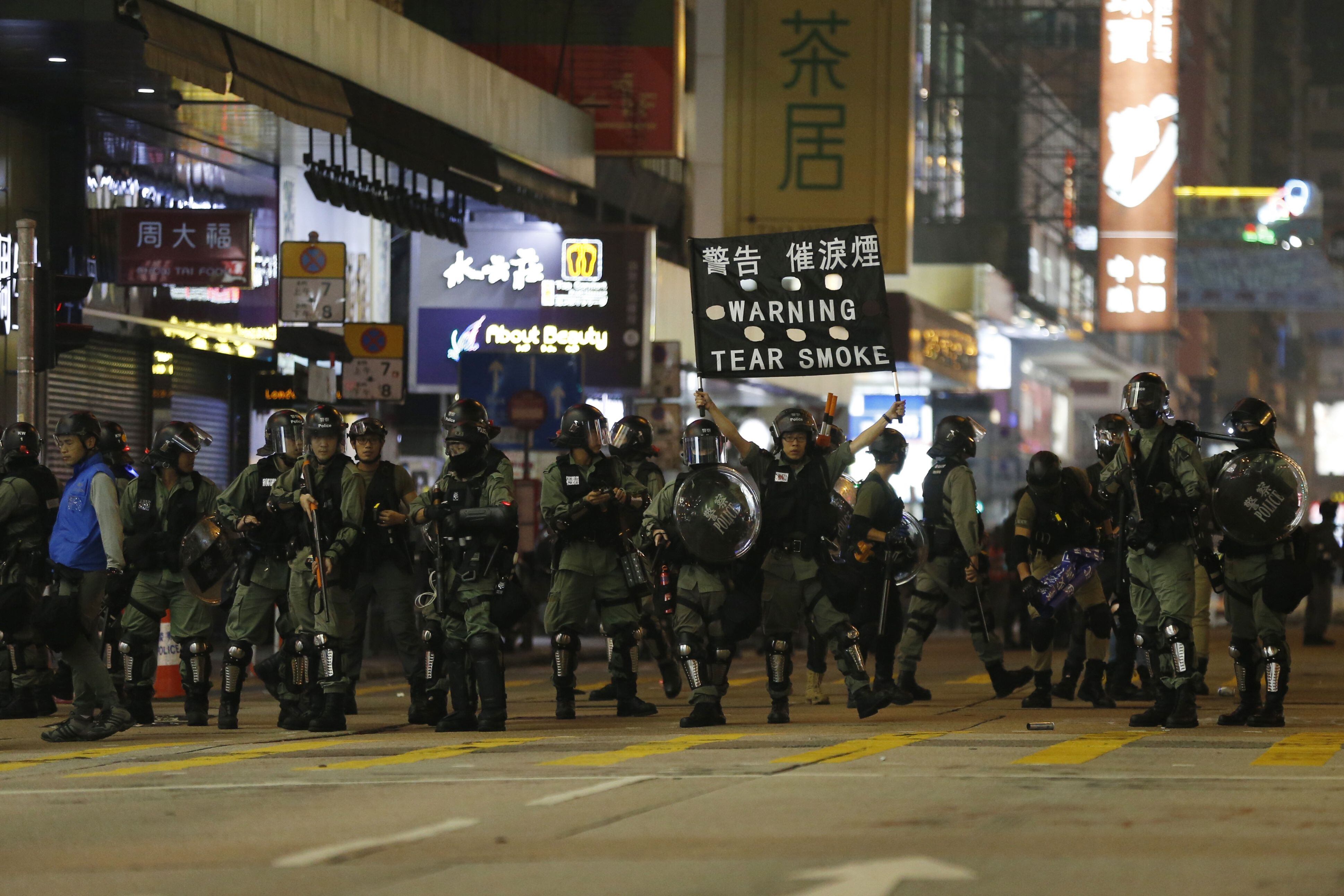
The bleak report coincided with chaotic demonstrations over the weekend that saw shops set ablaze and petrol bombs thrown at police, who responded heavily with water cannons and tear gas. In a statement Monday, police said that protesters overstepped the "bottom line of any civilized society." Unrest in Hong Kong, which first broke in June in opposition to a proposed extradition bill, has escalated significantly in recent months as residents continue to protest China's growing influence over the city and call for more democratic rights.
Chan on Sunday called on demonstrators to keep order and allow industry and commerce to operate freely. "Our society and the economy need to take a breather and need to get back on the road," he wrote.
<i>Police and protesters in Hong Kong on Sunday. Photo Credit: JEROME FAVRE/EPA-EFE/Shutterstock</i>
As a Chinese special administrative region since 1997, Hong Kong has enjoyed relative autonomy from Beijing in recent decades and has grown into one of the world's most significant financial and commercial hubs. In 2018, Hong Kong was home to the highest number of ultrawealthy ($30 million or more net worth) residents of any city in the world, according to Wealth-X's annual report. New York surpassed Hong Kong just slightly in 2019.
Earlier this month, Hong Kong's richest resident, Li Ka-shing, donated 1 billion Hong Kong dollars ($128 million) to support local business affected by the city's "unprecedented challenges."
"I hope that HK$1 billion donation will spark more support for the embattled [Small and Medium Enterprises]," Li said in a statement. "All suggestions are welcome and let's work together during these difficult times."
The Hong Kong government has also implemented a series of measures to help alleviate financial pains. Secretary Chan announced earlier this month a 19 billion Hong Kong dollar ($2.4 billion) relief package, which included significant rent reductions.
In announcing the recession Sunday, Chan cited plummeting tourism and retail sales figures. The number of visitors to Hong Kong fell by 37 percent in August and September, and by 50 percent in the first half of October. Tourism's decline constitutes an "emergency," Chan wrote. The decline of retail sales volume fell by 13.1 percent in July to 25.3 percent in August.
"We will continue to closely monitor the external economic situation and the political and economic situation in Hong Kong and try our best to further study the relief measures," Chan added in his Sunday blog post.
Investors, however, seem to be sticking with Hong Kong. The Hong Kong Stock Exchange's Hang Seng Index remains up more than 4 percent year-to-date.
Michele Schneider, Partner and Director of Trading Research & Education for MarketGauge, breaks down the major risks to the markets and discusses why tech and Agriculture are the best sectors to hedge inflation concerns.
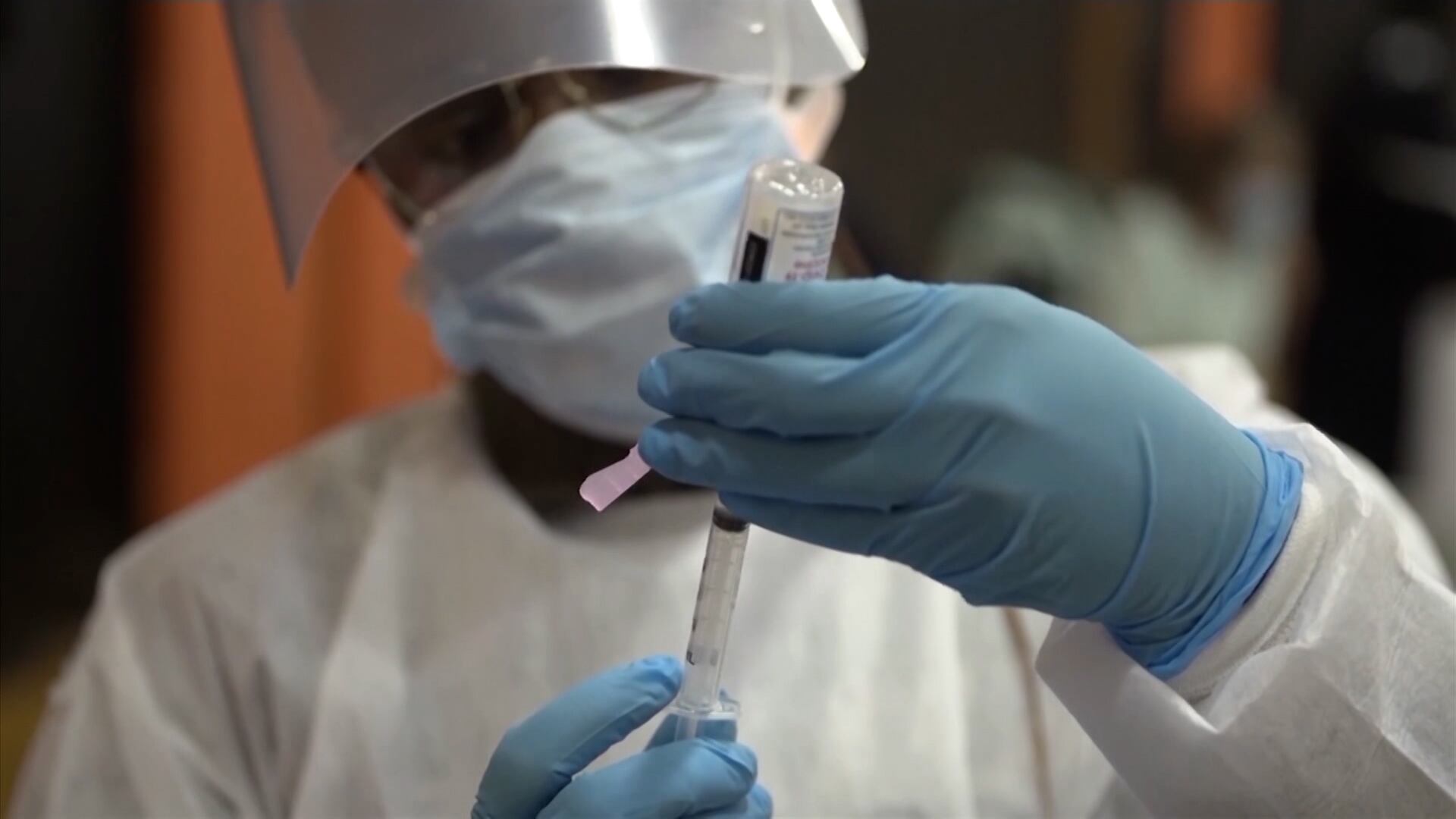
Bitcoin took a nosedive over the weekend, falling to its lowest price level in nearly two months. According to data from Coindesk, the crypto dropped more than 20% to $42,000 on Saturday before rebounding some. Prices of Ether, Dogecoin and Shiba Inu dropped as well, with Ether tumbling by more than 15%at one point. Lance Ippolito, head trader at the Future of Wealth, joined Cheddar to discuss why crypto plummeted and what to expect next.
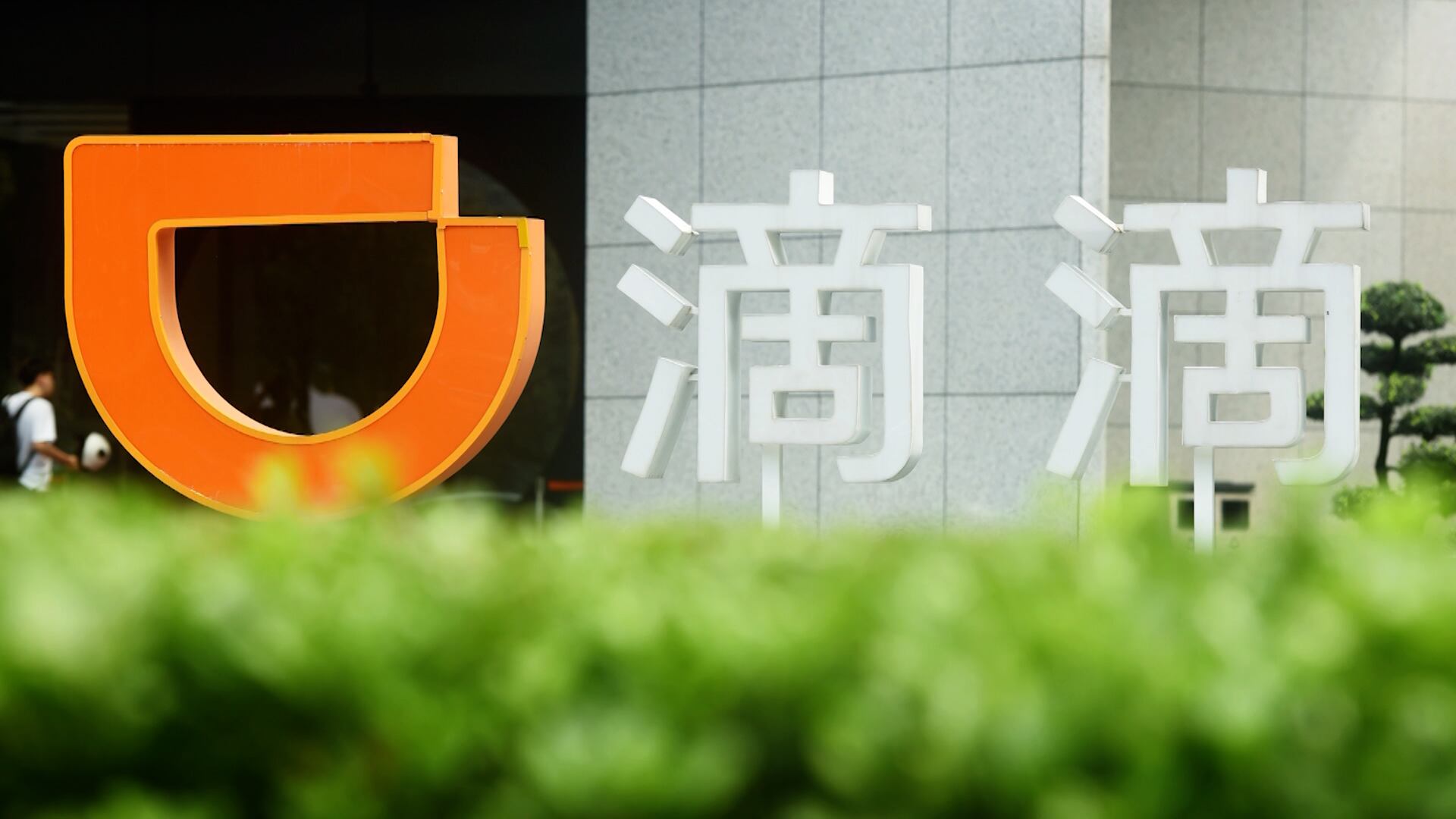
Less than six months after making its public debut on the NYSE, Chinese ride-hailing giant Didi says it will delist in the U.S. and pivot to Hong Kong instead. Chinese regulators are citing cybersecurity and data concerns. Shehzad Qazi, Managing Director, China Beige Book International joined Cheddar's Opening Bell to discuss.
As offices shifted to remote schedules, and people were forced into a new way of work, many began to re-think their career path and their purpose in the workforce, leading to what many are calling 'The Great Resignation.' During the last year, Americans quit their jobs in unprecedented numbers, seeking more flexibility, better benefits, a higher salary, and ultimately greater independence. Danielle Neal, CEO of Digital with Danielle, is just one of the millions who quit their job during the pandemic, and she joined Cheddar's Opening Bell to tell her story.
As Americans quit their jobs in record numbers this year, companies have been scrambling to try and fill those gaps. Gad Levanon, head of the labor market institute at The Conference Board, says companies need to focus more on salary if they want to better retain their employees. Levanon joined Cheddar to discuss the labor shortage, the "Great Resignation," and what companies can learn from it going into 2022.
The U.S. has seen several retailers across the country forced to close their brick-and-mortar stores amid the rise of e-commerce over the past few years. However, we are in the midst of a brick-and-mortar boom, with retailers expected to open more stores this year than they close, for the first time since 2017, according to an analysis of more than 900 chains by IHL Group, a research and advisory company. At the same time, the e-commerce businesses of retailers have become more dependent on physical stores to fulfill orders, especially during the holiday shopping season. Lionesque Group CEO Melissa Gonzalez joins Cheddar News' Closing Bell to discuss.
Stocks closed higher Tuesday with the S&P 500 and Nasdaq marking their best day since March. Tech stocks and chipmakers were on the move, lifting the Nasdaq higher as investors shake off recent COVID-19 omicron variant fears. Chris Konstantinos, Chief Investment Strategist at RiverFront Investment Group, joins Cheddar News' Closing Bell to discuss today's close, investor sentiment around COVID-19, inflation's impact on markets, and more.
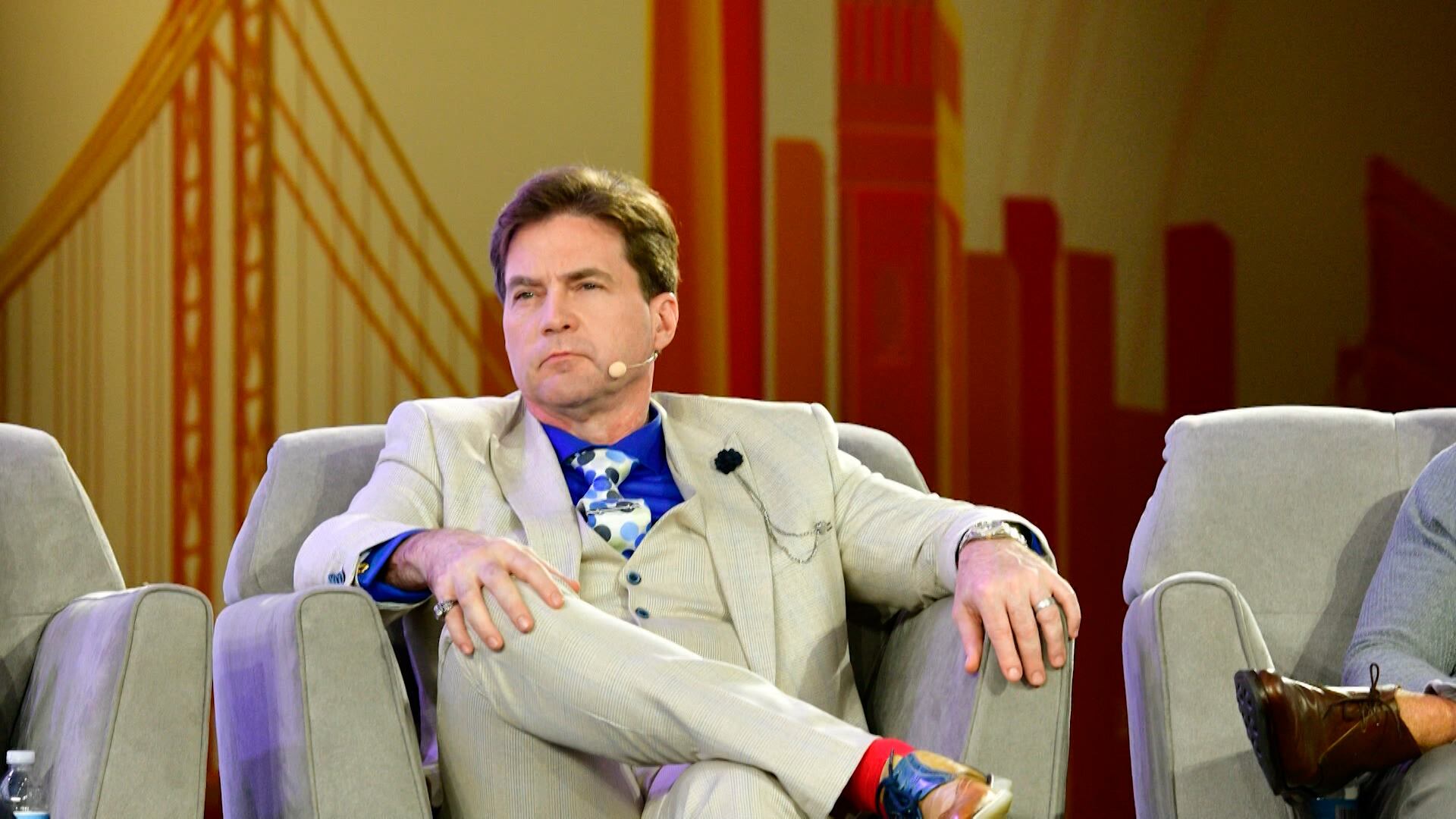
Alyse Killeen, Founder & Managing Partner at Stillmark VC, joins Cheddar News' Closing Bell to discuss what the jury had to evaluate in the Craig Wright trial and if uncovering the identity of Bitcoin inventor Satoshi Nakamoto will actually impact crypto investors.
Heila Technologies, a startup that develops hardware and software to integrate renewables and batteries on a microgrid, is helping to power the first clean energy microgrid for Auto Mercado, a top supermarket chain in Costa Rica. The plant will reduce 20 tons of CO2 emissions per year. Heila Technologies CEO Francisco Morocz joins Cheddar Climate to discuss.
GitLab CFO Brian Robins joined Cheddar's "Closing Bell" to discuss the single platform software development app's first earnings report since going public in October. The company frames itself as a one-stop-shop for businesses to transition into software development to manage in-network chat, video conferencing, and meeting scheduling among other applications. GitLab saw Q3 revenue jump 58 percent and was able to add a number of new customers since its IPO.