Burdened by over five months of civil unrest, Hong Kong has fallen into a recession, the city's financial secretary said Sunday.
"The economy has entered a technical recession, and the negative growth rate has significantly expanded," Secretary Paul Chan wrote in a blog post. "The blow to our economy is comprehensive."
Chan added that official quarterly GDP figures would be released Thursday, but that preliminary analysis shows consecutive economic contractions. It will be "extremely difficult," he wrote, for Hong Kong to reach its previously forecasted growth rate.
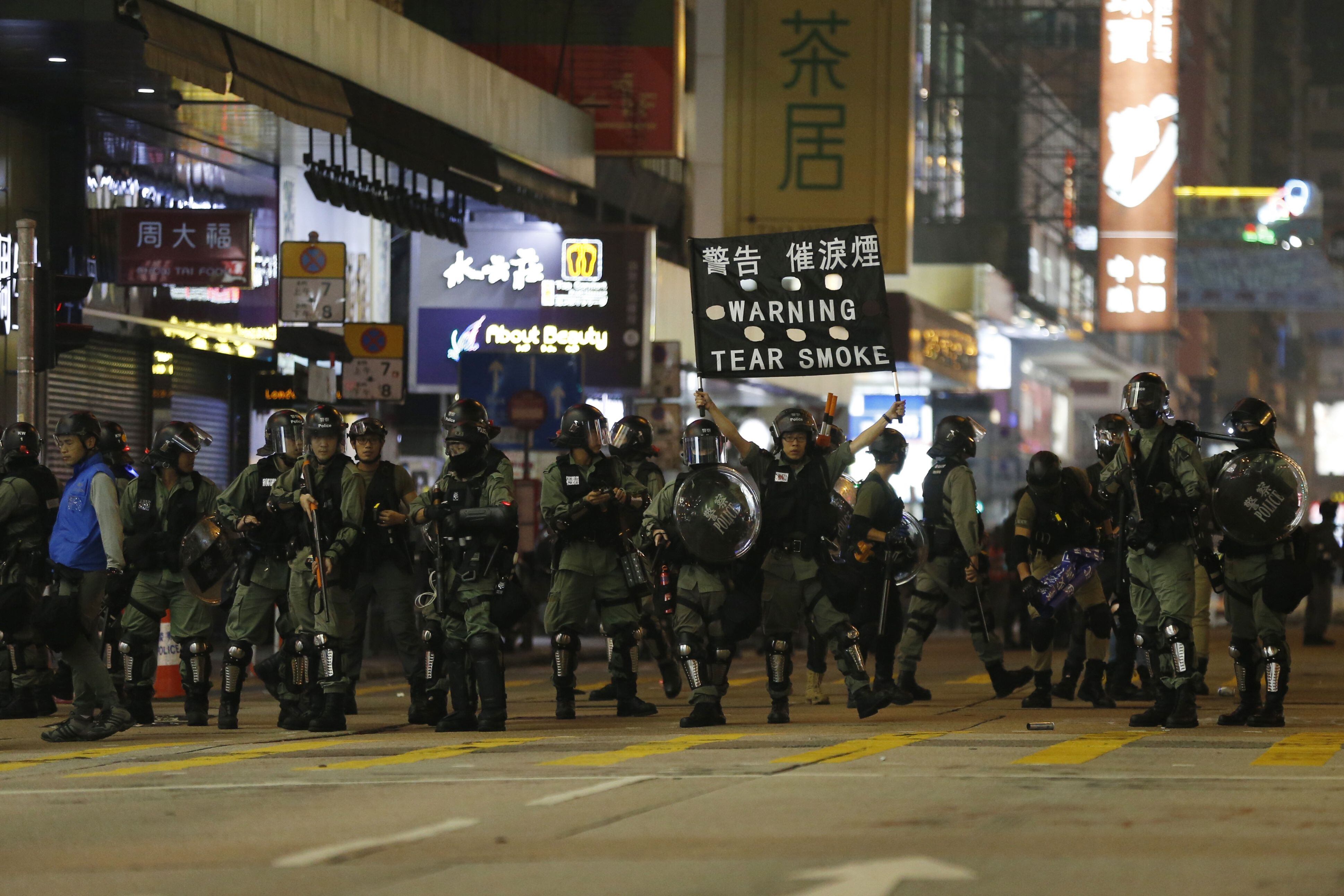
The bleak report coincided with chaotic demonstrations over the weekend that saw shops set ablaze and petrol bombs thrown at police, who responded heavily with water cannons and tear gas. In a statement Monday, police said that protesters overstepped the "bottom line of any civilized society." Unrest in Hong Kong, which first broke in June in opposition to a proposed extradition bill, has escalated significantly in recent months as residents continue to protest China's growing influence over the city and call for more democratic rights.
Chan on Sunday called on demonstrators to keep order and allow industry and commerce to operate freely. "Our society and the economy need to take a breather and need to get back on the road," he wrote.
<i>Police and protesters in Hong Kong on Sunday. Photo Credit: JEROME FAVRE/EPA-EFE/Shutterstock</i>
As a Chinese special administrative region since 1997, Hong Kong has enjoyed relative autonomy from Beijing in recent decades and has grown into one of the world's most significant financial and commercial hubs. In 2018, Hong Kong was home to the highest number of ultrawealthy ($30 million or more net worth) residents of any city in the world, according to Wealth-X's annual report. New York surpassed Hong Kong just slightly in 2019.
Earlier this month, Hong Kong's richest resident, Li Ka-shing, donated 1 billion Hong Kong dollars ($128 million) to support local business affected by the city's "unprecedented challenges."
"I hope that HK$1 billion donation will spark more support for the embattled [Small and Medium Enterprises]," Li said in a statement. "All suggestions are welcome and let's work together during these difficult times."
The Hong Kong government has also implemented a series of measures to help alleviate financial pains. Secretary Chan announced earlier this month a 19 billion Hong Kong dollar ($2.4 billion) relief package, which included significant rent reductions.
In announcing the recession Sunday, Chan cited plummeting tourism and retail sales figures. The number of visitors to Hong Kong fell by 37 percent in August and September, and by 50 percent in the first half of October. Tourism's decline constitutes an "emergency," Chan wrote. The decline of retail sales volume fell by 13.1 percent in July to 25.3 percent in August.
"We will continue to closely monitor the external economic situation and the political and economic situation in Hong Kong and try our best to further study the relief measures," Chan added in his Sunday blog post.
Investors, however, seem to be sticking with Hong Kong. The Hong Kong Stock Exchange's Hang Seng Index remains up more than 4 percent year-to-date.
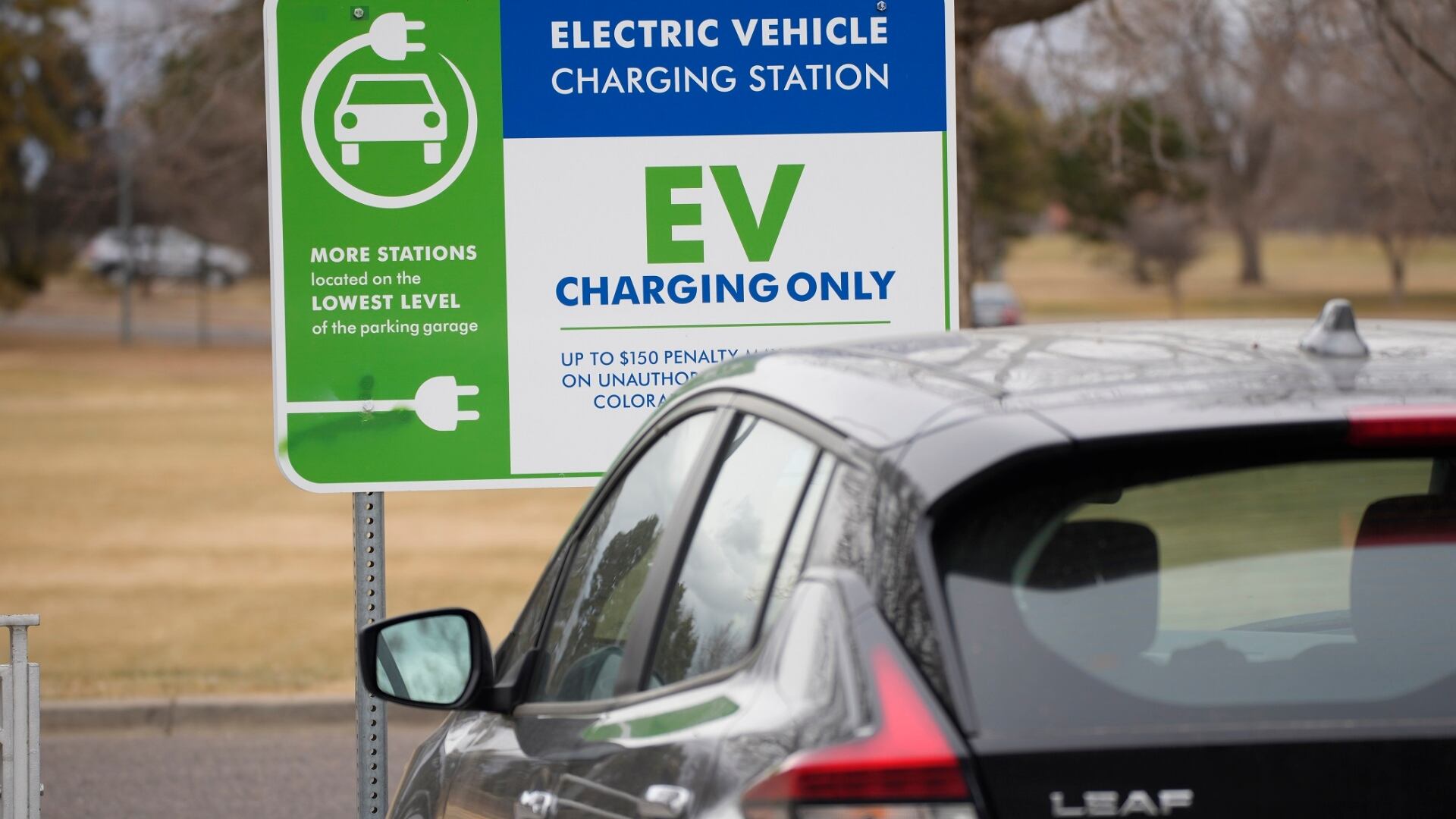
The federal government and numerous industries have been preparing for a greener future, setting goals to reduce greenhouse emissions by switching to electric vehicles. But the next hurdle to clear is convincing the wider public to get on board. Arun Kumar, managing director in automotive practice at AlixPartners, spoke to Cheddar's Ken Buffa about consumer trends related to EV transition and said he believes a widespread switch is imminent in 2022. Despite this, he acknowledged there are still significant obstacles to overcome, including high prices and more charging stations. "Without charging infrastructure, people are going to struggle with increasing adoption of electric vehicles in the future," Kumar told Cheddar. "I think by 2030 our estimate is that about a million chargers need to be put in place nationally in the U.S."
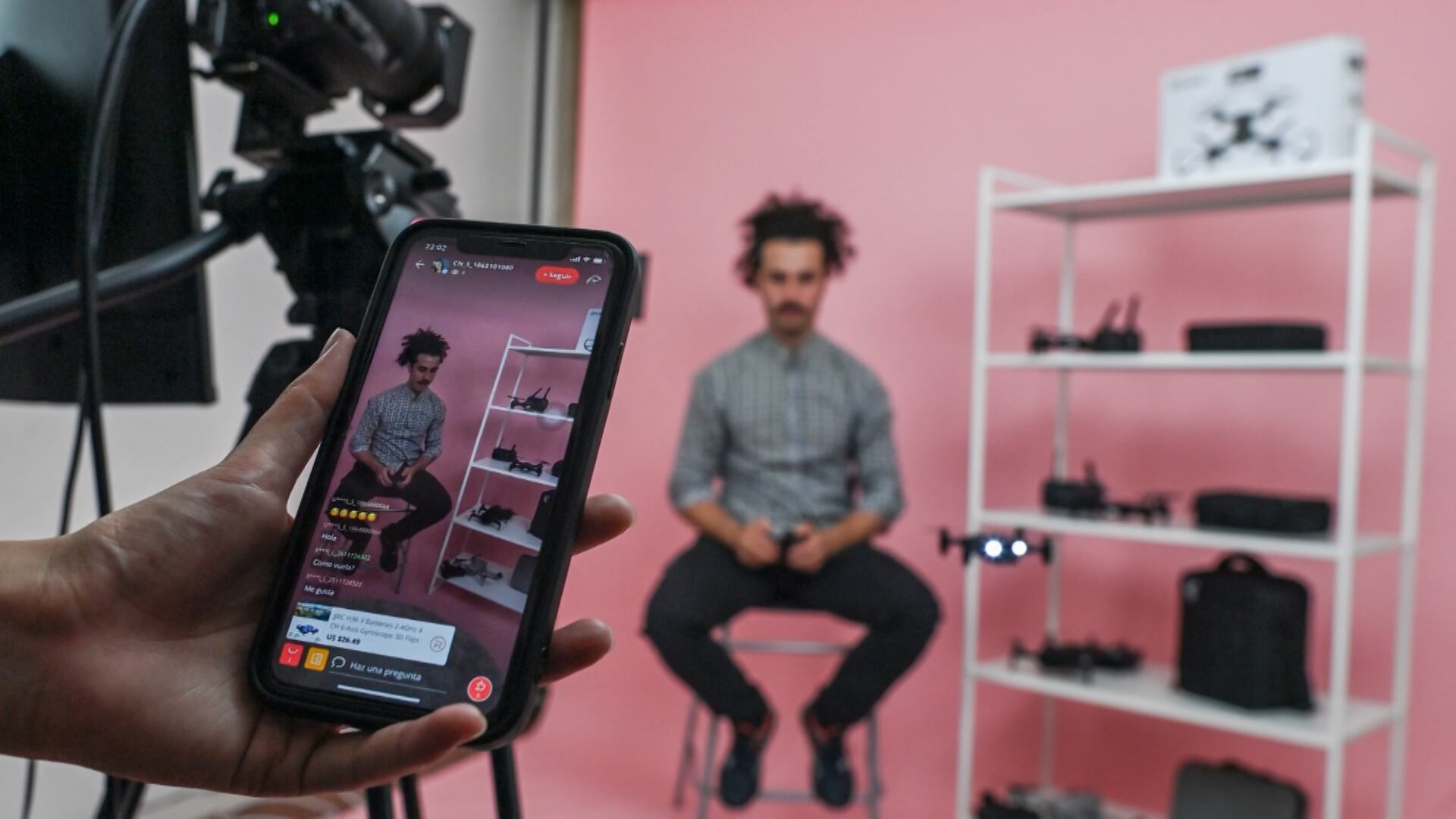
The pandemic has supercharged the creator economy, and there are no signs of it slowing down no matter when the pandemic officially ends. Creators prove to be a key factor in driving purchasing decisions and retail sales, and an increasing amount of platforms are taking advantage of the social influence. Karissa Bell, senior editor at Engadget, joins cheddar news to discuss the creator economy boom.
The National Women's Soccer League is partnering with Voyager Digital as its first-ever cryptocurrency brokerage in a multi-year deal. Marla Messing, interim CEO of the NWSL, and Steve Ehrlich, CEO of Voyager Digital, joined Cheddar to discuss benefitting the league and educating players and fans as a way of democratizing cryptocurrency. Messing explained that the players themselves will own half the assets as part of how the deal is structured. "My hope is, just in terms of the expectations of crypto over the long term, that I hope a lot of them are able to just let it sit there," she said. "And that one day this will be a nice retirement account for them."
Howard Lorber, chairman, president, and CEO of Douglas Elliman Inc., and Scott Durkin, CEO of Douglas Elliman Realty, joined Cheddar's "Opening Bell" to talk about the real estate brokerage company's recent IPO launch on the New York Stock Exchange following the spinoff of its tobacco subsidiary Vector Group. "There are many investors that cannot buy tobacco because of their mandates," said Lorber. "And therefore splitting off Douglas Elliman the real estate, and there's a lot of people looking for real estate investments, so they'll be able to buy Douglas Elliman, and those that want tobacco can buy Vector alone." The pair also discuss the future of New York real estate and the auxiliary business the property broker sees as growth prospects.
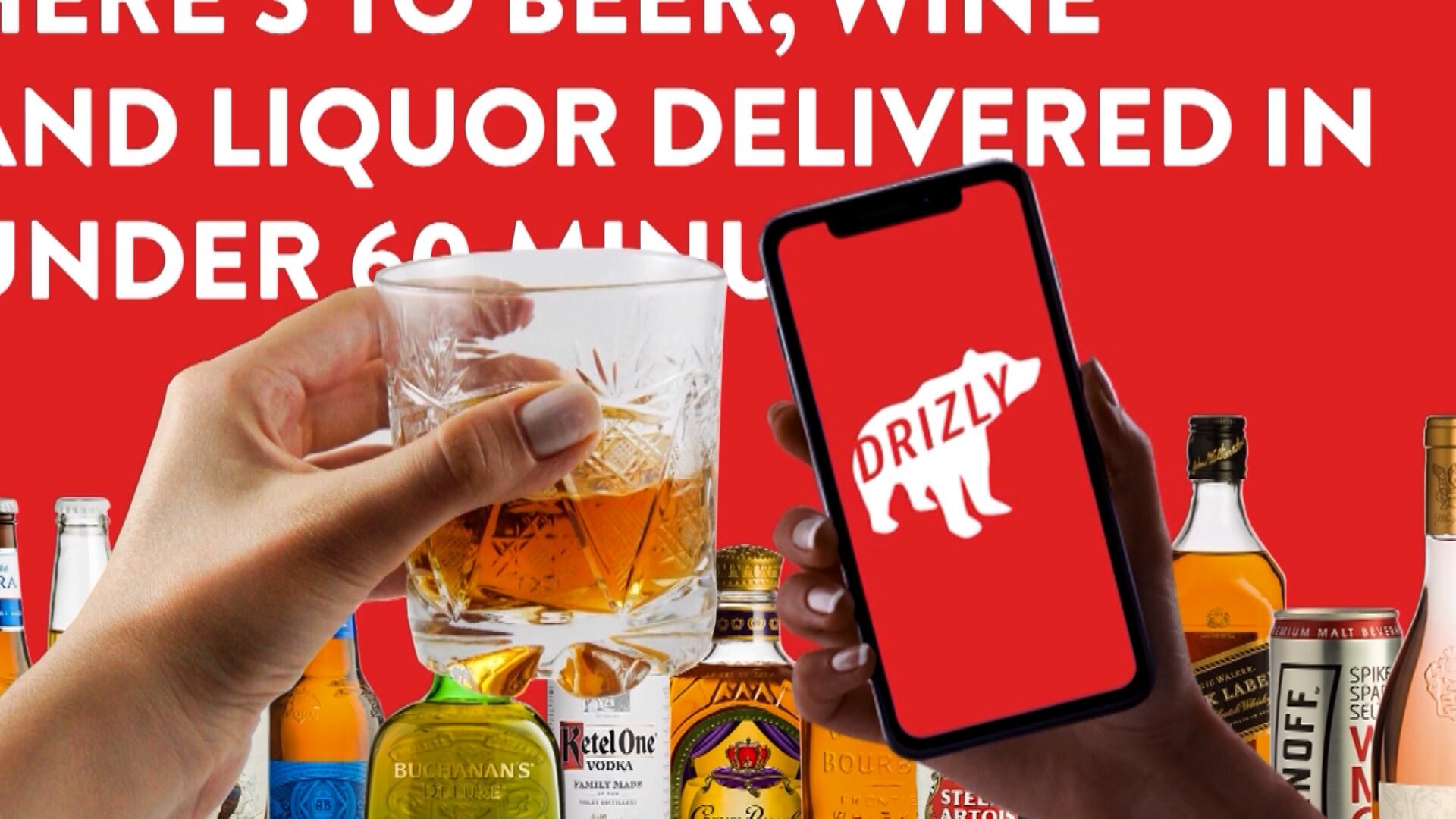
Despite a champagne shortage ahead of New Year's Eve, adult beverage retailers are staying optimistic about 2022. Cathy Lewenberg, COO at online alcoholic beverages platform Drizly, joined Cheddar to talk about the sunny outlook for next year and the current state of the industry. She noted a 20 percent higher demand for champagne year-over-year has led to the holiday's shortfall and that the spirit category is continuing to thrive with tequila on pace to outsell vodka for the first time. "Tequila has just been on fire on our platform. It's grown 13 percent in share on our platform over the last couple of years where vodka obviously had been the leader," she said. "Tequila is the top thing in addition to bourbon that retailers are looking to give more shelf space to in 2022."
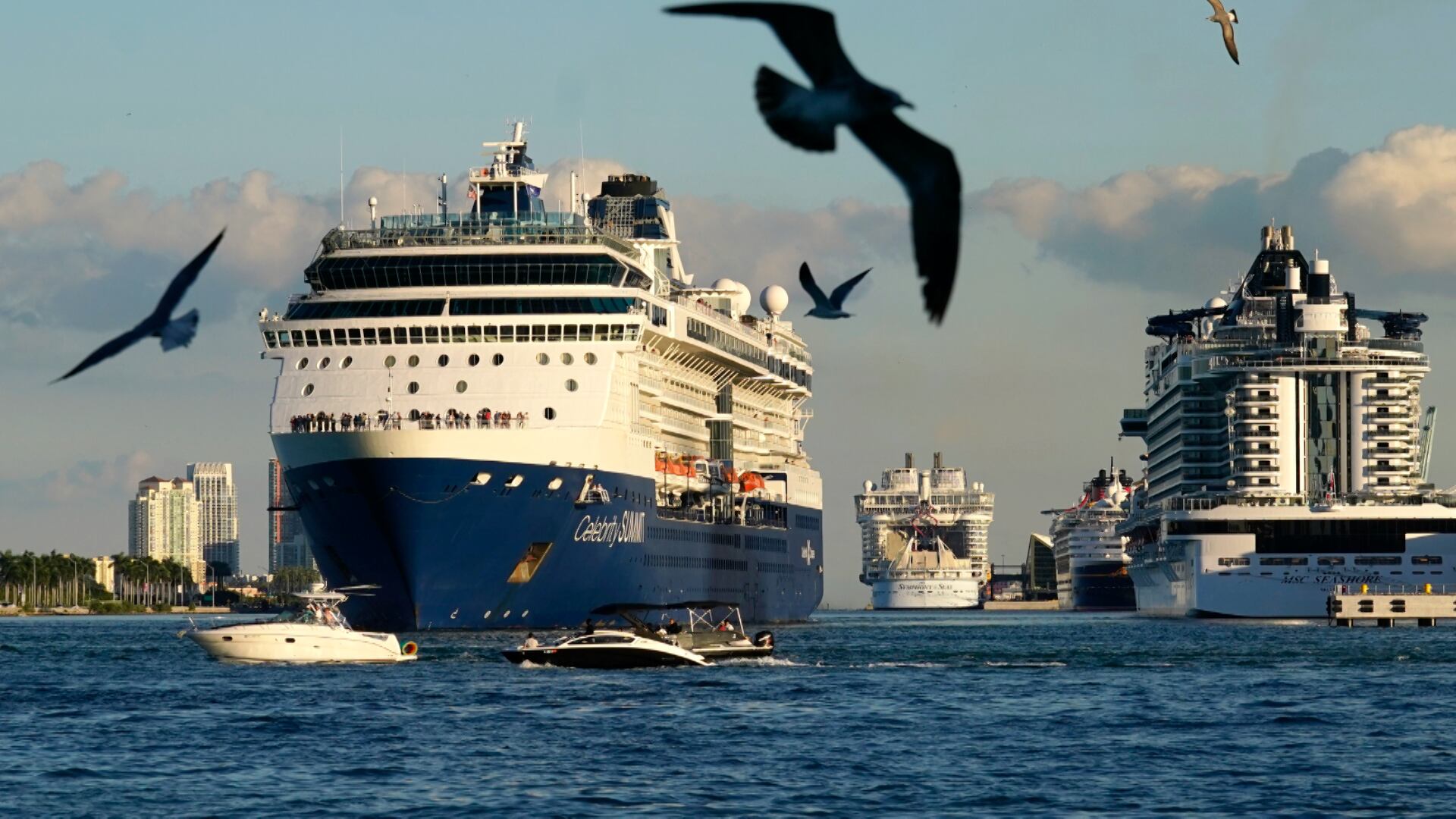
Travel expert Francesca Page joined Cheddar's Baker Machado to break down how the omicron-fueled COVID-19 surge of cases on cruise ships is impacting the industry, as the CDC is actively monitoring at least 92 ships for outbreaks. Page also talked about the upcoming expiration of the CDC's conditional sailing order mandating mask-wearing and addressed passenger concerns. "Everyone is asking, financially, should I cancel my cruise should COVID surges keep going, which it looks they are, and to a large degree I think that decision is very personal and is based on one's own risk tolerance," she said.